The world of birds is full of surprises. Some soar high and fast, while others move through the sky at a gentle pace. Many people know about the fastest fliers, like the peregrine falcon, but fewer people ask: what is the slowest flying bird? The answer is not as simple as it may seem. Birds fly at different speeds for different reasons, and what counts as “slow” can depend on how you measure it. In this article, you will discover which bird holds the title for slowest flight, why some birds fly slowly, and how slow flight affects their lives. You’ll also get to know other birds that are famous for their slow, graceful movement in the air, and learn how their unique flight style helps them survive.

Today’s Exclusive Deals
Limited-time Exclusive Deals. Check current discount on Amazon.
Check Price on Amazon As an Amazon Associate I earn from qualifying purchases.Flying slowly is not always a weakness. For many birds, slow flight is a clever way to save energy, hide from predators, or find food. But flying too slowly can be dangerous, because it risks falling out of the sky.
Birds must balance speed and control. The slowest flying birds have special bodies and behaviors that let them glide, hover, or even move backward—something fast birds cannot do.
Let’s take a close look at the fascinating world of slow-flying birds, starting with the champion of slow flight.
Today’s Exclusive Deals
Limited-time Exclusive Deals. Check current discount on Amazon.
Check Price on Amazon As an Amazon Associate I earn from qualifying purchases.The Slowest Flying Bird: The American Woodcock
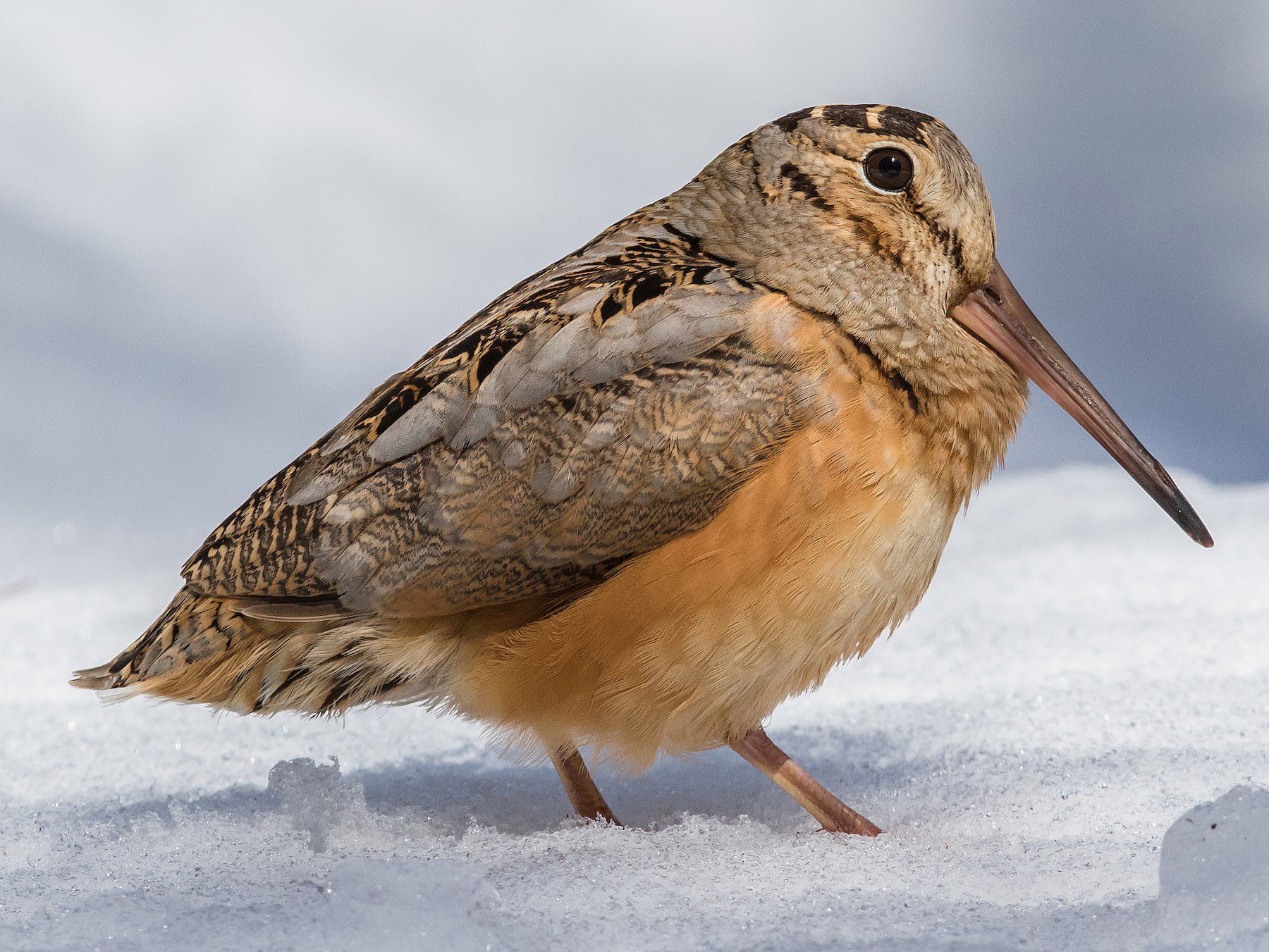
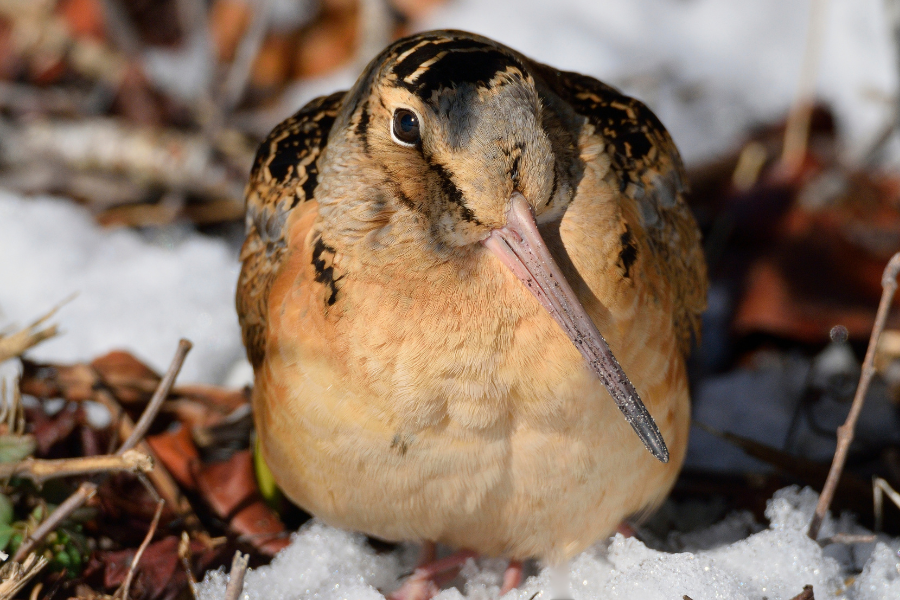
When experts talk about the slowest flying bird, one species stands out: the American woodcock (*Scolopax minor*). This small, round-bodied bird lives in North America and is famous for its unique way of flying.
The American woodcock can fly at a speed as slow as 8 kilometers per hour (about 5 miles per hour) without falling. Scientists have measured this slow speed during its display flight, known as the “sky dance.” During this display, the male woodcock rises into the air and then floats down in a zigzag pattern, making a soft whistling sound with its wings.
Why does the American woodcock fly so slowly? The answer is in its body and lifestyle:
- Short, rounded wings: These wings give the bird extra lift at low speeds, so it doesn’t stall.
- Lightweight body: With less weight, it can stay in the air with less effort.
- Display behavior: Flying slowly helps the male show off to females during mating season.
The American woodcock’s slow flight is a special adaptation, not just a sign of weakness. It allows the bird to float gently above the ground, showing off its skills and attracting a mate.
Today’s Exclusive Deals
Limited-time Exclusive Deals. Check current discount on Amazon.
Check Price on Amazon As an Amazon Associate I earn from qualifying purchases.Why Do Some Birds Fly Slowly?
Birds do not always want to fly fast. There are many reasons a bird might move through the air slowly:
- Courtship Displays: Birds like the American woodcock use slow flight to impress potential partners.
- Foraging for Food: Birds such as herons and kingfishers fly slowly to spot fish or insects below.
- Hovering and Precision: Hummingbirds fly slowly or hover to feed on flower nectar.
- Avoiding Predators: Some birds move slowly in thick forests to stay hidden from predators.
- Energy Efficiency: Slow flight can help save energy, especially during migration or long flights.
Slow flight is not just about speed; it is about control, balance, and survival. Birds with the ability to fly slowly often have special wing shapes, strong muscles, and unique flying techniques.

Other Birds Known For Slow Flight
Although the American woodcock is considered the slowest flying bird, several others come close. Each has its own reason for moving slowly in the sky.
1. The European Woodcock (scolopax Rusticola)
A close relative of the American woodcock, the European woodcock is found across Europe and Asia. Its flight style is similar, with a slow, fluttering pattern during courtship. It can fly at speeds of 8–10 km/h during its display.
2. The Hummingbird Family
Hummingbirds are famous for their hovering ability. While they can fly fast when needed, they often move at very slow speeds, sometimes less than 5 km/h while feeding. Their wings move in a figure-eight pattern, letting them stay almost still in the air.
3. The Common Swift (apus Apus)
Swifts are known for fast, agile flight, but during migration or when feeding over fields, the common swift can glide slowly, using little energy. Their speed can drop to around 10 km/h during slow gliding.
4. The Barn Owl (tyto Alba)
Barn owls hunt at night, flying very slowly and silently. Their average hunting speed is about 8–10 km/h. Special feathers help them reduce noise, making them almost invisible to prey.
5. The Vulture Family
Vultures are masters of slow soaring flight. They use rising air currents (thermals) to glide with almost no wing movement. While soaring, vultures can move as slowly as 10–15 km/h.
6. The Whooping Crane (grus Americana)
This large, elegant bird flies slowly during migration, especially when landing or taking off. Whooping cranes can fly at speeds as low as 10 km/h in certain conditions.
7. The Great Blue Heron (ardea Herodias)
Herons fly with deep, slow wingbeats. The great blue heron often moves at around 10–12 km/h when searching for a place to land or while hunting near water.
8. The Bittern Family
Bitterns are shy, marsh-dwelling birds. They fly slowly and low, often at speeds less than 12 km/h. Their slow, steady flight helps them stay hidden from predators.
9. The Kingfisher Family
Kingfishers can hover and fly slowly as they search for fish. While they can dive quickly, their searching speed is often as slow as 10 km/h.
10. The Turkey Vulture (cathartes Aura)
This species is a perfect example of slow soaring. Turkey vultures rarely flap their wings. Instead, they ride air currents at speeds as low as 9–10 km/h.
Comparing Slow-flying Birds
To help you see how these birds compare, here is a summary of their slowest measured speeds:
| Bird Species | Slowest Flight Speed (km/h) | Common Habitat |
|---|---|---|
| American Woodcock | 8 | Forests, fields |
| European Woodcock | 8–10 | Woodlands |
| Hummingbird (General) | 5–10 | Gardens, forests |
| Barn Owl | 8–10 | Open grassland, farmlands |
| Turkey Vulture | 9–10 | Open country, woodlands |
| Great Blue Heron | 10–12 | Wetlands, rivers |
| Bittern | 10–12 | Marshes, reeds |
| Whooping Crane | 10 | Wetlands |
| Common Swift | 10 | Urban, rural areas |
| Kingfisher | 10 | Rivers, lakes |
| Vultures (general) | 10–15 | Open skies, mountains |
Slow Flight And Bird Survival
Flying slowly brings both challenges and benefits. Birds that master slow flight often do so to survive in specific environments.
Energy Use
Slow flight can use more energy than gliding or soaring if the bird has to keep flapping its wings. However, some birds, like vultures, use rising air currents to stay up with almost no effort. Hummingbirds use a lot of energy to hover, but their bodies are built for it.
Safety And Predation
Moving slowly can help a bird stay hidden. Barn owls, for example, fly slowly and silently to catch mice by surprise. But flying too slowly makes a bird an easy target for predators, so they often choose the safest moments to slow down.
Finding Food
Birds that hunt or search for food while flying—like kingfishers and herons—need to control their speed. If they fly too fast, they miss their prey. Slow, careful flight lets them spot and catch food more easily.
Courtship And Communication
Many birds use slow, graceful flight to attract mates or mark territory. The American woodcock’s “sky dance” is a good example. Without the ability to fly slowly and in patterns, these displays would not work.
How Slow Is “slow”? Flight Speeds In Context
To understand how slow these birds fly, it helps to compare them with some of the fastest flyers.
| Bird | Slowest Flight Speed (km/h) | Typical Fastest Flight Speed (km/h) |
|---|---|---|
| American Woodcock | 8 | 35 |
| Peregrine Falcon | 40 | 320 (in dive) |
| Barn Owl | 8 | 50 |
| Common Swift | 10 | 111 |
| Canada Goose | 40 | 90 |
You can see that what counts as “slow” for one bird might be fast for another. The American woodcock’s slowest speed is barely a jog for a human, while the peregrine falcon’s slowest speed is already faster than most birds’ top speed.
Unique Adaptations For Slow Flight
Birds that can fly slowly have special features. Here are some of the most important adaptations:
- Wing Shape: Short, rounded wings are common in slow-flying birds. This shape provides more lift at low speeds.
- Body Weight: Lighter birds can fly slower without falling.
- Muscle Control: Fine muscle control helps keep the body stable and wings moving at the right angle.
- Feather Structure: Barn owls have soft edges on their feathers to reduce noise. Hummingbirds have flexible feathers to help with hovering.
- Tail Use: Birds like herons use their tails to steer and balance during slow flight.
Some birds, like hummingbirds, can even fly backward or hover in one spot—something almost no other bird can do.
Common Mistakes About Slow-flying Birds
Many people believe that all slow-flying birds are weak or sick. This is not true. In fact, slow flight is often a sign of special adaptation. Here are some common mistakes:
- All Birds Fly Faster When Escaping: Some slow-flying birds rely on hiding, not speed, to escape danger.
- Slow Flight Means Poor Health: Healthy birds often fly slowly by choice for specific tasks.
- Only Small Birds Fly Slowly: Large birds like vultures and cranes can also fly at very low speeds.
- Slow Flyers Cannot Migrate Far: Some slow-flying birds, such as cranes and swifts, travel thousands of kilometers during migration, using energy-saving techniques.
Understanding these facts can help you appreciate the amazing variety of bird flight.
Observing Slow-flying Birds In Nature
If you want to see slow-flying birds, you can look in different habitats:
- Forests and Woodlands: Watch for woodcocks and owls at dawn or dusk.
- Wetlands: Herons, bitterns, and cranes often fly slowly over marshes and rivers.
- Open Fields: Vultures and swifts can be seen gliding slowly on warm days.
- Gardens: Hummingbirds are common in areas with flowers.
Bring binoculars and be patient. Many slow-flying birds are shy and may only show their special flight for a few seconds.
Slow Flight In Bird Evolution
Slow flight has deep roots in bird evolution. Early birds and their dinosaur ancestors had to balance speed with control. Over millions of years, different species developed unique flying abilities to match their habitats and lifestyles.
Scientists study slow-flying birds to learn about:
- How birds manage energy in flight
- The physics of lift and drag at low speeds
- The evolution of courtship displays and hunting techniques
Understanding slow flight helps us see how birds have adapted to survive in almost every environment on Earth.
Fun Facts About The Slowest Flying Birds
Birds that fly slowly are full of surprises. Here are some facts that may surprise you:
- The American woodcock is sometimes called the “timberdoodle” because of its bobbing walk and odd flight.
- Hummingbirds are the only birds that can fly backward and upside down.
- Barn owls can hear the movement of tiny animals under thick grass, helping them hunt even when flying slowly at night.
- Vultures use their slow flight to scan large areas for food, sometimes covering hundreds of kilometers in a day.
- The whooping crane almost went extinct but now survives thanks to careful conservation.
These birds are not just slow—they are smart, skilled, and perfectly adapted to their way of life.
Frequently Asked Questions
What Is The Slowest Flying Bird In The World?
The American woodcock is widely recognized as the slowest flying bird, able to move at just 8 km/h during its courtship display. Its short, rounded wings and light body make this possible.
Can Slow-flying Birds Still Migrate Long Distances?
Yes, many slow-flying birds, like the whooping crane and common swift, can migrate thousands of kilometers. They use energy-saving tricks such as soaring on air currents or flying in groups.
Do Slow-flying Birds Ever Fly Fast?
Most slow-flying birds can fly faster when needed. The American woodcock, for example, can reach 35 km/h when escaping predators. Slow flight is usually used for special tasks like hunting or displaying.
Are Hummingbirds The Slowest Flyers?
Hummingbirds can fly very slowly when feeding or hovering, sometimes even less than 5 km/h. But in straight flight, they can be much faster. Their unique skill is hovering, not just slow flight.
Where Can I Learn More About Bird Flight Speeds?
For more details and scientific data, you can visit the Wikipedia page on bird flight speeds for reliable information.
Birds that master slow flight are true experts of the air. Whether they are searching for food, showing off in a courtship dance, or gliding silently on the wind, their slow, careful movements are a sign of skill and adaptation—not weakness. Next time you see a bird drifting gently across the sky, remember: slow and steady can also win the race.