Many people enjoy watching birds and often wonder about their relationships. Do birds stay with the same partner, or do they change mates every season? The answer is not simple. Bird relationships are shaped by survival needs, raising young, and sometimes even the environment.
Learning about bird partnerships gives us a deeper look into the natural world and the fascinating ways animals organize their lives.
This article explores whether birds remain with one partner, the different types of bird relationships, why they matter, and what influences their choices. You’ll also learn about famous bird species known for loyalty or for switching partners, and what science says about these behaviors.
By the end, you’ll have a clear, complete understanding of bird partnerships—plus, some surprising facts that most beginners miss.
The Basics Of Bird Pairing
Birds have some of the most interesting mating systems in the animal world. These systems help them survive, reproduce, and raise their young in different environments. Understanding the basics is key to seeing why not all birds act the same.
What Is Pair Bonding?
Pair bonding is when two birds form a close relationship, often to raise chicks together. Some pair bonds last for a season, others for life. The main purpose is to cooperate in raising young, but social and survival reasons also play a part.
Pair bonding is most common in birds with demanding chicks. For example, swans and eagles need both parents to protect and feed their young. In contrast, some birds with easy-to-raise chicks may only stay together for a short time.
Types Of Bird Relationships
Bird relationships are not all the same. Scientists use terms to describe them:
- Monogamy: One male and one female form a pair, sometimes for life, sometimes just for a season.
- Polygyny: One male mates with several females. Common in species where the female does most of the work.
- Polyandry: One female mates with several males. Less common but seen in some shorebirds.
- Promiscuity: Both males and females have multiple partners, with no pair bonds.
Most birds are socially monogamous, but genetic studies show many chicks are not fathered by the social male. This is called extra-pair copulation.
Do Birds Stay With The Same Partner? The Short Answer
The simple answer is: some birds do, but not all. In fact, only about 90% of bird species are socially monogamous, and far fewer stay with the same partner for life. True lifelong partnerships are rare but do happen. Many birds form new pairs each breeding season, especially if a previous partner dies or does not return.
For example, the Bald eagle often stays with one partner for many years. But if one dies, the survivor finds a new mate. On the other hand, birds like the mallard duck change partners every year.
Why Birds Form Long-term Pairs
Some birds stay with the same partner for many years or even for life. Why do they do this? There are several reasons:
- Raising Chicks Is Hard Work: Species with demanding chicks need both parents. Staying together helps them raise more young.
- Defending Territory: Long-term pairs can better defend a good nesting site from rivals.
- Learning Together: Birds that migrate or hunt together learn each other’s habits. This teamwork can lead to higher survival rates.
- Reducing Time Finding Mates: Finding a new mate each year takes time and energy. Staying together means more time for nesting and raising chicks.
Some scientists believe that trust and experience between partners also improve breeding success. Older pairs often raise more chicks because they know how to work together.
Examples Of Lifelong Bird Partnerships
Some bird species are famous for their loyalty. Here are a few well-known examples:
Swans
Mute swans are a classic symbol of love. Most pairs stay together for life, sometimes over 10 years. If one dies, the other may stay alone or find a new partner.
Albatrosses
The wandering albatross is famous for long-distance flying and strong pair bonds. These birds form partnerships that last for decades. They even perform special dances when reuniting after months apart.
Geese
Canada geese usually choose one mate for life. Pairs migrate together and work as a team to protect and raise their young.
Bald Eagles
Bald eagles often stay with the same mate for many years. They return to the same nest and add new material each season. If a partner disappears, the survivor quickly seeks another.
Penguins
Some penguins, like the Emperor penguin, form close bonds for a season. Others, like the Magellanic penguin, may reunite with the same mate year after year.
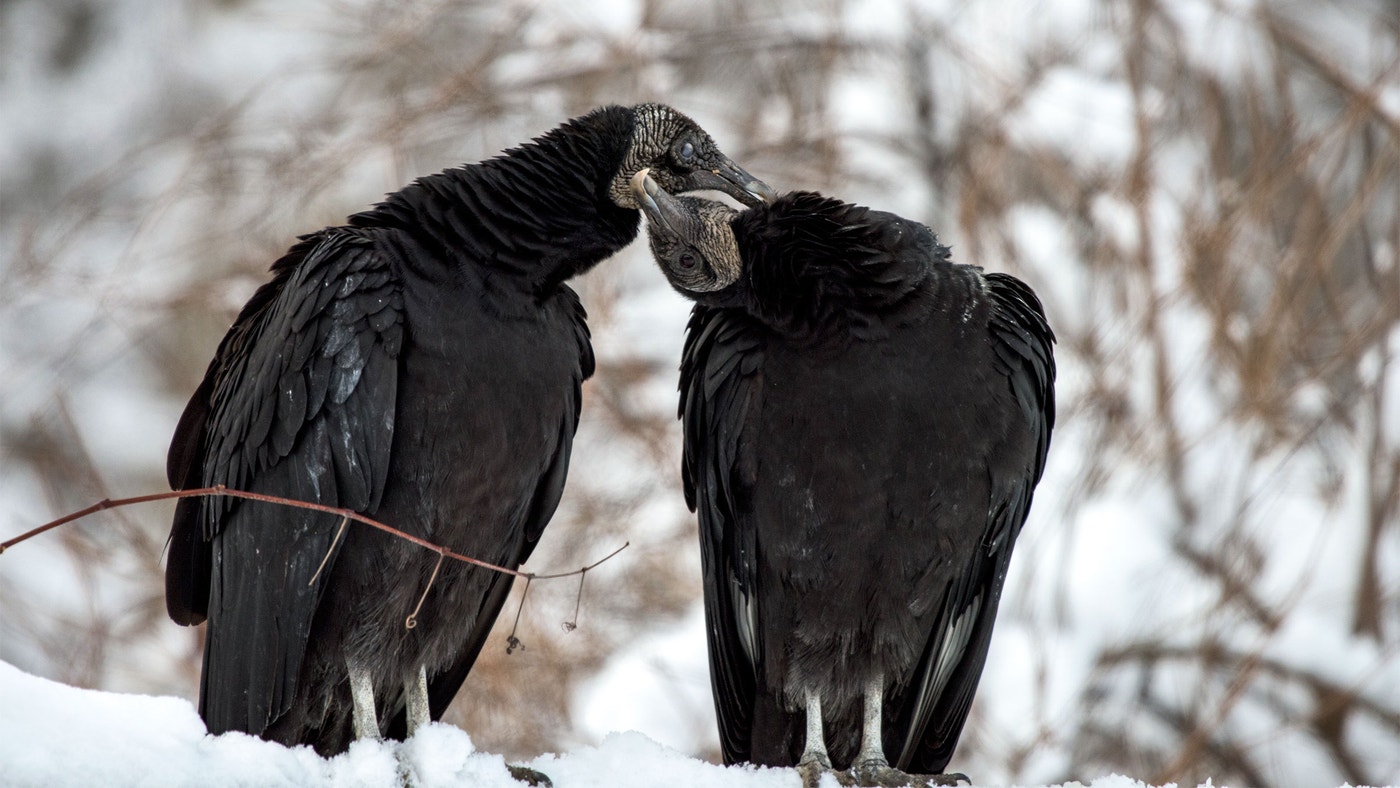
Birds That Change Partners Frequently
Not all birds are loyal. Many species switch partners each breeding season, or even within a single season.
Ducks
Most ducks are not monogamous. For example, the mallard forms a pair bond for a single season, then finds a new mate next year.
Songbirds
Many songbirds, such as the house sparrow, often change partners. Social pairs form for one season, but genetic studies show many chicks are fathered by other males.
Hummingbirds
Hummingbirds are usually solitary. Males and females meet only to mate; the female raises chicks alone.
Grouse
Male grouse gather in groups called leks to display and attract females. There are no pair bonds, and females raise young alone.
Table: Examples Of Bird Species And Their Partnership Styles
To help you compare, here’s a look at some common birds and their typical partnership patterns.
| Species | Partnership Style | Typical Duration |
|---|---|---|
| Mute Swan | Lifelong monogamy | Many years, often life |
| Mallard Duck | Seasonal monogamy | One season |
| Wandering Albatross | Lifelong monogamy | Decades |
| House Sparrow | Social monogamy, frequent switching | One season |
| Canada Goose | Lifelong monogamy | Many years, often life |
| Emperor Penguin | Seasonal monogamy | One season |
| Hummingbird | No pair bonds | N/A |

Factors That Influence Bird Partnerships
Bird behavior is shaped by many things. Why do some birds stay together while others do not? Here are the main influences:
Life Span
Longer-lived birds are more likely to form lasting pairs. For example, albatrosses and swans can live decades and benefit from lifelong teamwork. Short-lived birds, like most songbirds, often change partners because their lives are shorter and breeding opportunities are fewer.
Parenting Needs
Species with demanding chicks need both parents. In these cases, long-term bonds help raise more young successfully. Birds with chicks that can feed themselves quickly, like quail or ducks, often do not form long-term bonds.
Environment And Migration
Some birds migrate long distances. If a pair gets separated, they may find new partners the next season. Birds with stable territories, like hawks, can more easily reunite with the same mate.
Availability Of Mates
If one partner dies, the survivor often finds a new mate quickly. In places with fewer mates, birds may stay together longer. In large populations, switching is more common.
Social Structure
Some birds, like crows and ravens, live in complex social groups. Their partnerships are influenced by group dynamics, not just individual choice.
Table: Factors Affecting Bird Pairing
Here’s a comparison of key factors:
| Factor | Effect on Partnership | Example Species |
|---|---|---|
| Life Span | Longer life, longer bonds | Albatross, Swan |
| Parenting Needs | Both parents needed, stronger bonds | Eagle, Penguin |
| Migration | Separation can break pairs | Warbler, Goose |
| Mates Availability | More mates, more switching | House Sparrow |
| Social Group | Group rules affect pairing | Crow, Raven |
Myths And Surprises About Bird Relationships
Many people think birds are always loyal. But the truth is more complex.
Myth 1: All Birds Mate For Life
Only a few species, like swans and albatrosses, mate for life. Most birds form short-term pairs, and many switch partners often.
Myth 2: Social Monogamy Means Faithfulness
Birds may look faithful, but genetic studies show many chicks are not raised by the social male. This secret switching helps spread genes and increase survival.
Myth 3: Birds Suffer Emotionally When A Mate Dies
Birds do show signs of distress when a partner dies, but they usually find a new mate quickly. Survival and raising young come first.
Non-obvious Insight 1: Divorce In Birds
Some birds “divorce” if a pair fails to raise chicks. They may choose new partners for better success next time. This is common in oystercatchers and some songbirds.
Non-obvious Insight 2: Helpers At The Nest
In some species, like Florida scrub-jays, young from previous years help parents raise new chicks. These helpers are often related but not always direct offspring.
Famous Studies And What Science Says
Bird relationships have been studied for decades. Modern techniques, like DNA testing, reveal many surprises.
- One study of blue tits found up to 40% of chicks were fathered by a male outside the pair.
- Research on wandering albatrosses showed that pairs can last over 30 years.
- Studies of house sparrows found high divorce rates, with pairs often changing each season.
Scientists believe that flexibility helps birds adapt to changing environments and increases the chance of raising successful young.
For more scientific details on bird mating systems, you can visit the Wikipedia page on bird mating systems.
Table: Lifelong Vs. Seasonal Pairing—pros And Cons
Comparing the benefits and risks of different strategies gives more understanding:
| Strategy | Pros | Cons |
|---|---|---|
| Lifelong Pairing | Efficient teamwork, strong territory defense, shared experience | Risk if partner dies, less genetic mixing |
| Seasonal Pairing | More genetic diversity, flexibility if a mate is lost | Time wasted finding new mates, less trust between partners |

Human Impact On Bird Partnerships
Humans can affect bird relationships in many ways:
- Habitat destruction breaks up territories, making it harder for pairs to reunite.
- Climate change shifts migration times, causing pairs to arrive at different times and miss each other.
- Pollution and hunting can reduce population sizes, forcing birds to switch partners more often.
Protecting natural habitats helps birds keep their social structures and pair bonds.
How To Spot Bird Pairs In The Wild
If you want to see bird partnerships yourself, here are some tips:
- Look for birds working together—building nests, feeding chicks, or defending territory.
- Watch for synchronized behaviors, like swans swimming side by side or eagles soaring together.
- Notice if a bird returns to the same spot each year; it may be reuniting with a partner.
- Listen for duet singing. Some species, like duetting wrens, sing together to strengthen their bond.
Final Thoughts On Bird Partnerships
Bird relationships are as varied as the birds themselves. Some species are loyal for life, while others change partners often. These behaviors are shaped by nature, survival needs, and sometimes by unexpected events.
Understanding bird partnerships helps us appreciate their complexity and adapt our own actions to protect these fascinating creatures. Whether you’re a casual birdwatcher or a curious learner, knowing about bird pair bonds adds a new layer of interest to the world outside your window.
Frequently Asked Questions
Do All Birds Mate For Life?
No, only a small number of bird species mate for life. Most birds form pairs for a single breeding season, and many switch partners in their lives. Some, like swans and albatrosses, are famous for lifelong bonds, but this is rare in the bird world.
Why Do Some Birds Switch Partners?
Birds may switch partners for several reasons: if a mate dies, does not return from migration, or if they fail to raise chicks successfully. In some species, changing partners increases genetic diversity and the chance of healthy offspring.
Are Bird Pairs Always Faithful?
Not always. Many birds are socially monogamous but not genetically monogamous. This means they form pairs to raise young but may mate with others secretly. DNA studies often find that some chicks are fathered by outside males.
How Do Birds Choose A New Mate?
Birds choose mates based on displays, songs, territory quality, and sometimes previous experience. If a partner is lost, the survivor may choose a new mate from nearby birds, often the first available and suitable one.
Can Human Activity Affect Bird Partnerships?
Yes. Habitat loss, pollution, and climate change can all disrupt bird pairings. When territories are destroyed or migration patterns change, pairs may be broken, and birds are forced to find new partners or have lower breeding success.
Birds offer a window into the complexities of nature’s relationships. Their pair bonds, whether long or short, are shaped by many forces—helping them survive and thrive across the globe.