How Far Can An Fpv Camera Transmit Video?
Flying a drone with a first-person view (FPV) camera is an experience like no other. You see the world from above, almost as if you’re in the cockpit. But after the excitement of your first flight, you might wonder: How far can an FPV camera transmit video? Is it just a hundred feet, or can you go miles away? The answer depends on many factors, including the type of camera, transmission system, environment, and even small details like your antenna’s angle. If you want to fly farther and safer, understanding video transmission range is key.
This article breaks down the science, real-world data, and hidden factors that affect FPV camera range. Whether you’re a beginner with toy drones or a pro building long-range quads, you’ll learn what truly matters, what the numbers mean, and how to get the best video signal for your flights.
What Is An Fpv Camera Transmission Range?
The FPV camera transmission range is the maximum distance between your drone’s camera and your video receiver (goggles or screen) where you still get a usable video signal. Usable means the image is clear enough to fly safely, without major dropouts or interference.
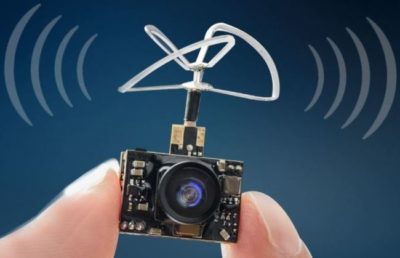
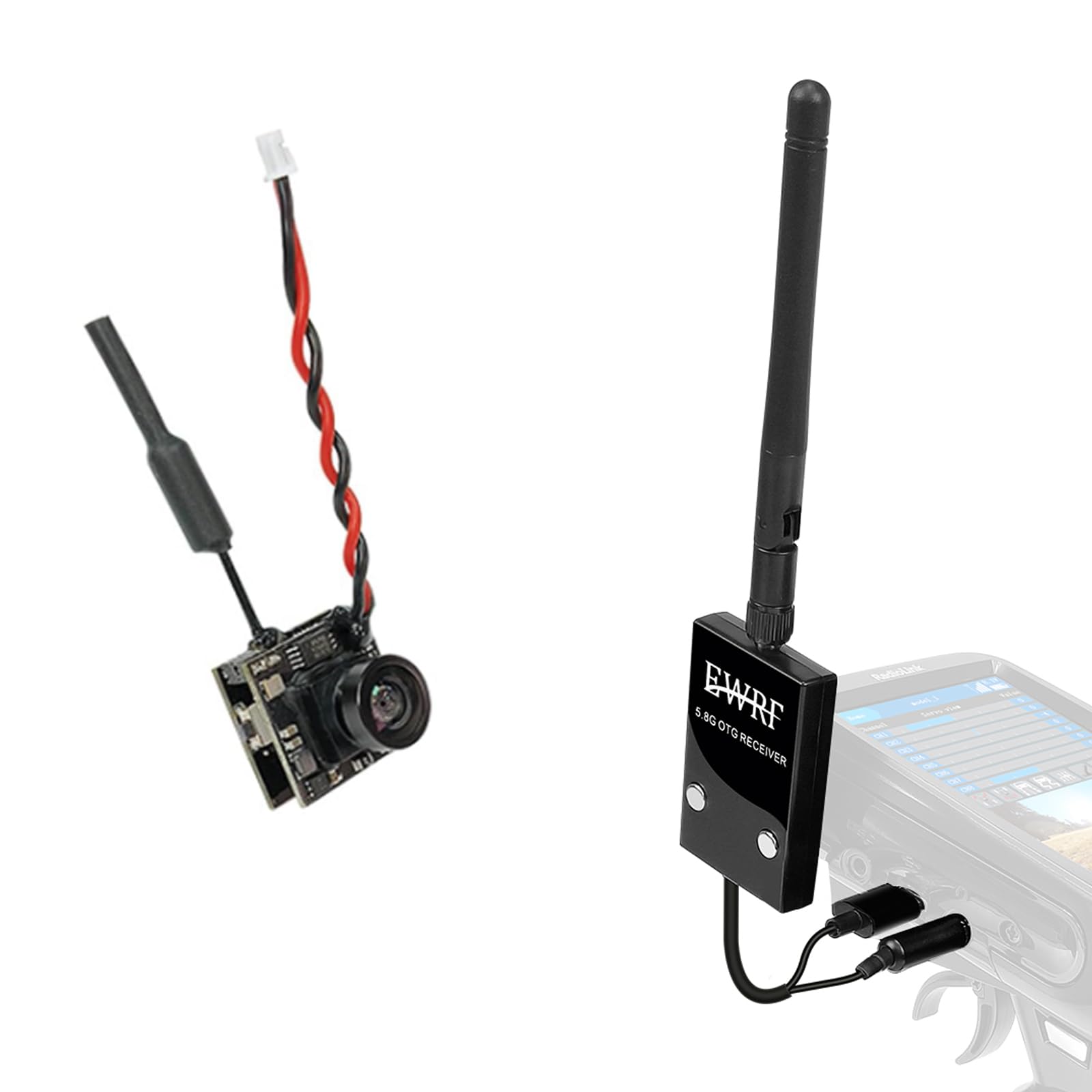
Most FPV cameras send video in real time over radio frequencies. The camera connects to a video transmitter (VTX), which sends the signal through the air. Your goggles or ground station have a video receiver (VRX) that picks up this signal.
- For analog FPV systems, the video is sent as a continuous signal.
- For digital FPV systems, the video is converted into data and transmitted, usually with some level of compression.
The range you get in real life may be much less than the numbers advertised by manufacturers. Trees, buildings, other drones, and even the ground itself can reduce your actual range. That’s why it’s important to know not just the ideal range, but also what affects it.
Main Factors Affecting Fpv Video Transmission Range
Several elements work together to determine how far your FPV camera can transmit video.
1. Transmission Power (mw)
The transmission power of your VTX is a major factor. Power is measured in milliwatts (mW). A higher number means the signal can travel farther, but it also uses more battery and may require special licenses in some countries.
- 25 mW: Typical for indoor drones, about 200–500 meters in open field.
- 200–600 mW: Common for outdoor and freestyle drones, up to 1–2 kilometers.
- 800–2000 mW: Used for long-range, can reach 5 kilometers or more in perfect conditions.
2. Frequency Band
FPV systems use different frequency bands, each with unique strengths.
- 5.8 GHz: Most common, good image quality, less range (up to 1–2 km).
- 2.4 GHz: Better penetration, more interference from Wi-Fi, can reach 2–4 km.
- 1.2/1.3 GHz: For long-range, up to 10+ km, but larger antennas and often illegal in some countries.
- 900 MHz: Deep penetration, very long range, but lower image quality and rare for FPV.
Lower frequencies travel farther and penetrate obstacles better, but need larger antennas and may not be legal everywhere.
3. Antenna Type And Placement
The antenna is like the “mouth” and “ear” of your FPV system. The right antenna can double or triple your range.
- Omnidirectional antennas: Spread signal evenly, good for freestyle or flying nearby.
- Directional antennas: Focus signal in one direction, much longer range but you must point the antenna toward the drone.
How you place your antennas matters. If the antenna is blocked by carbon fiber, your body, or the drone’s battery, range drops fast.
4. Receiver Sensitivity
Your video receiver also plays a role. Newer digital receivers (like DJI Air Unit) are more sensitive than old analog receivers. Some use diversity receivers (two antennas), which automatically pick the stronger signal.
5. Environment And Obstacles
Physical barriers can destroy your signal quickly.
- Open fields: Maximum range, little interference.
- Forests/urban areas: Trees, houses, and walls block and reflect signals.
- Flying behind hills or buildings: Even a small hill can kill your signal.
Weather like rain, snow, and fog can also reduce range, but less than buildings or trees.
6. Interference
Other devices using the same frequency—like Wi-Fi routers, other drones, or cell towers—can cause interference. This makes your signal weaker or adds noise.
7. Video System: Analog Vs Digital
Analog FPV gives a “snowy” image when the signal is weak. Digital FPV gives a clear image until the signal drops, then the image freezes or disappears. Both systems have strengths and weaknesses for range.
Analog Vs Digital Fpv Video Transmission Range
FPV technology is changing fast. The old standard is analog, but digital systems like DJI FPV are becoming popular. Here’s how they compare for range and performance.
| Feature | Analog FPV | Digital FPV (e.g., DJI) |
|---|---|---|
| Typical Range (5.8 GHz, 25 mW) | 200–500 meters | Up to 4 km |
| Maximum Range (higher power, open area) | Up to 10+ km (with 1.2 GHz, 1000 mW) | Up to 13 km (with DJI O3 Air Unit, ideal conditions) |
| Image Quality | Lower, but low latency | High-definition, some latency |
| Signal Loss | Gradually gets snowy | Stays clear, then freezes or drops out suddenly |
| Legal Concerns | Older, more options for frequencies/power | Limited frequencies, regulated power |
Analog FPV is still king for racing, where low delay is critical. Digital FPV is growing for long-range and freestyle, thanks to its crisp image and improved range.
Real-world Fpv Video Transmission Distances
Numbers on boxes are one thing—what about real flights? Here are some real-world distances FPV pilots report:
- Tiny Whoop drones (25 mW analog, indoor): About 50–100 meters, sometimes less with walls.
- Freestyle drones (200–600 mW analog, 5.8 GHz): 500 meters to 2 kilometers in open field.
- DJI FPV (digital, 700 mW, 5.8 GHz): Up to 4 kilometers in open field, less in urban areas.
- Long-range analog (1.3 GHz, 1000 mW): 10+ kilometers, but heavy gear and special antennas needed.
- DJI O3 Air Unit (digital, 2.4 GHz): Claimed up to 13 kilometers, but 4–8 kilometers is more common due to interference and line-of-sight issues.
These numbers assume you have line-of-sight and good antennas. Flying behind obstacles, in cities, or with low power can reduce range by 50% or more.
Fpv Transmission Range: Legal And Safety Limits
You might want to fly as far as possible, but there are rules and risks to consider.
- Line-of-sight laws: In most countries, you must keep your drone in sight at all times. This is usually less than 500 meters.
- Transmission power limits: Many places limit VTX power to 25–200 mW on 5.8 GHz.
- Frequency rules: Some bands (like 1.2/1.3 GHz) may be illegal for drone use.
- Fail-safes: Flying out of video range can lead to crashes or lost drones.
Check your local drone laws before using high-power VTX or special frequencies. Even if your drone can fly 10 kilometers, it’s often illegal (and dangerous) to do so.
How To Increase Fpv Video Transmission Range
Want to push your flights farther? Here are proven ways to boost range—some are simple, some need more investment.
1. Use Higher Power Vtx (where Legal)
Moving from 25 mW to 200 mW can double your range. 600 mW or more gives even more distance, but check the rules in your country.
2. Upgrade Your Antennas
Switching from stock “stick” antennas to quality circular polarized antennas can add hundreds of meters. For long-range, use a directional patch or helical antenna on your goggles/ground station.
3. Choose The Right Frequency
If you need serious range, consider 1. 3 GHz or 2. 4 GHz systems. These penetrate obstacles better and travel farther, but antennas are larger and sometimes require a ham radio license.
4. Fly In Open Areas
Open fields with clear line-of-sight give you the best chance for long-range video. Avoid forests, buildings, and power lines.
5. Use A Diversity Receiver
A receiver with two antennas (diversity) can automatically pick the best signal, cutting down on video dropouts.
6. Manage Interference
Scan your frequency before flying. Stay away from Wi-Fi-heavy areas and avoid frequencies used by other pilots.
7. Adjust Antenna Placement
Keep antennas clear of carbon fiber and batteries. Point your receiver’s directional antenna toward where you plan to fly.
8. Keep Batteries Healthy
Low battery voltage can reduce VTX power. Make sure your drone’s batteries are in good shape for stable transmission.
9. Monitor Signal Strength
Many FPV goggles and OSDs (on-screen displays) show signal quality. Don’t push past the warning signs—turn back when the image starts to break up.
10. Firmware And Software Updates
For digital systems, updating firmware can improve range and stability by fixing bugs or improving transmission algorithms.
Common Mistakes That Hurt Fpv Video Range
Even experienced pilots sometimes make these errors:
- Wrong antenna type: Using two omnidirectional antennas for long-range is a waste. Pair a directional antenna (like a patch) on your goggles for distance.
- Poor antenna orientation: Antennas should be vertical and clear of the frame for best signal.
- Flying behind yourself: Your own body can block the signal if you stand between the receiver and drone.
- Ignoring local laws: Running high power can get you in legal trouble and cause interference for others.
- Out-of-date firmware: Some digital systems get better range with updates.
Fpv Video Transmission: Practical Range Examples
Let’s look at some common setups and the range you can expect in real conditions.
| Setup | VTX Power | Frequency | Antennas | Open Field Range | Urban Range |
|---|---|---|---|---|---|
| Tiny Whoop | 25 mW | 5.8 GHz | Stock | 100 meters | 30–50 meters |
| Freestyle 5″ Quad | 200 mW | 5.8 GHz | CP antennas | 800 meters | 200 meters |
| Long-Range Analog | 1000 mW | 1.3 GHz | Patch (Goggles) | 10+ km | 2–4 km |
| DJI FPV Drone | 700 mW | 5.8 GHz | Stock | 3–4 km | 1–2 km |
| DJI O3 Air Unit | 1000 mW | 2.4 GHz | Patch (Goggles) | 8–13 km | 3–5 km |
These are best-case numbers. Always turn back before you reach the limits—having some margin is smart.
Non-obvious Insights For Maximum Fpv Range
Many pilots focus on power and frequency, but some less obvious tricks can make a big difference:
- Antenna Polarization: Using mismatched polarization (e.g., left-hand vs right-hand circular) can cut range in half. Match both ends for best results.
- Ground Reflection and Multipath: Signals reflect off the ground, causing “dead zones” or fading. Flying higher (above 10 meters) can reduce these issues.
- Temperature Effects: Extreme heat can reduce VTX performance; some units throttle power to prevent overheating.
- Battery Sag: As batteries drain, voltage drops, and VTX power can drop too. Fresh batteries mean more consistent range.
- Receiver Location: Mounting your goggles’ receiver above your head (on a tall tripod or ground station) can add hundreds of meters, especially in tall grass or near obstacles.
How To Test Your Fpv Range Safely
Testing your range should be done with care:
- Start with short flights, gradually going farther.
- Monitor your signal quality using OSD or goggle indicators.
- Have a GPS or “return to home” failsafe if possible.
- Fly with a spotter for safety and to comply with line-of-sight laws.
- Make sure you have enough battery to return, especially if you lose signal.
If you lose video signal, don’t panic—stop, climb higher, or return to your last good position. Practice returning on signal loss in a safe area.
Fpv Range And Video Quality: The Trade-off
Going for maximum range often means lowering video quality:
- Lower frequencies: Better range, but bulkier antennas and sometimes lower resolution.
- Lower power: Legal and less battery drain, but less distance.
- Digital systems: Great video quality, but more sudden signal loss.
Find your balance based on what’s more important—range, image quality, or reliability.
How To Choose The Right Fpv System For Your Needs
Ask yourself:
- Do I want to fly close, race, or go long distance?
- Is HD video important, or is low latency more critical?
- Can I legally use high power or special frequencies in my country?
- What is my budget for antennas, receivers, or upgrades?
- Am I flying in open fields or urban areas?
For most hobby pilots, a 200–600 mW analog system on 5. 8 GHz is enough for freestyle and park flying. For epic mountain dives or long-range missions, consider 1. 3 GHz analog or digital systems like DJI with patch antennas.

Fpv Transmission Range Vs. Control Link Range
Don’t confuse video range with control range (your radio transmitter’s distance). Losing control is worse than losing video. Always make sure your radio link can reach farther than your video link. Modern radio systems like Crossfire, ExpressLRS, and Ghost can reach 20 km or more, but always test and verify.
The Role Of Diversity And Ground Stations
Serious long-range pilots often use ground stations—tripods with high-gain directional antennas, video receivers, and even video recorders. This setup can add kilometers to your range and gives you a better chance of recovering a lost drone by reviewing footage.
A diversity receiver switches between two antennas to pick the best signal. Combining a patch and an omni antenna lets you fly far and still get good signal when flying overhead.
Latest Fpv Video Transmission Technologies
New systems are making long-range and clear video easier than ever:
- DJI O3 Air Unit: Up to 13 km range, 1080p video, used for freestyle and cinematic flights.
- Walksnail Avatar: Competes with DJI, up to 4 km, lower latency.
- HDZero: Digital system with low latency, up to 4 km, preferred for racing.
Software updates and better antennas are extending range every year. Check FPV forums and YouTube for the latest reviews and range tests.
For more technical details and official range data, you can visit the Wikipedia FPV page.
Frequently Asked Questions
How Far Can A 5.8 Ghz Fpv Camera Transmit?
In open space with no obstacles, a typical 5. 8 GHz FPV camera at 25 mW transmits about 200–500 meters. With higher power and the right antennas, it can reach up to 2 kilometers. In cities or with obstacles, the range is much less.
Does Higher Vtx Power Always Mean More Range?
Not always. Higher VTX power helps, but antenna quality, frequency, and interference matter just as much. Poor antennas or flying behind obstacles can block even a strong signal.
Can I Use My Fpv Drone For Long-range Flights Legally?
Most countries require you to keep your drone in sight and limit video transmitter power (often 25–200 mW on 5. 8 GHz). Long-range flights (beyond 500 meters) are often restricted or require special permits. Always check your local laws.
Which Is Better For Range: Analog Or Digital Fpv?
Analog can go farther on lower frequencies and higher power, but video quality drops gradually. Digital systems like DJI give clearer video and often more range in real world conditions, but the signal drops out suddenly. Both have advantages depending on your needs.
What’s The Best Way To Improve Fpv Video Range?
Upgrade your antennas first—they give the biggest improvement for the least money. After that, consider higher power (if legal), using diversity receivers, or switching to a lower frequency. Flying in open areas with clear line-of-sight is always the best way to maximize range.
Flying FPV is about more than just distance—it’s about reliability, safety, and the joy of seeing the world from above. By understanding the true factors that affect video transmission range, you can fly farther and safer, and enjoy every second in the air.