Finding the best FPV camera for freestyle flying can make a big difference in your experience. When you’re out in the air, you want clear, real-time video that keeps up with fast moves and sharp turns. The right camera offers crisp images, low latency, and good performance in various lighting conditions. It’s not just about picture quality; durability and size matter too. A lightweight camera that fits well on your drone helps maintain agility. Whether you’re doing tricks or racing through tight spaces, the right FPV camera keeps you connected and in control. Choosing carefully means more fun and better flights every time.
Caddxfpv Protos Freestyle Fpv Drone
The Best Fpv Camera for Freestyle Flying for beginners and racers looking for a compact, ready-to-fly drone with reliable HD video transmission.

Performance and Practical Use
- Compact 1.6-inch drone delivers high-definition 1080p video with minimal latency.
- Built-in 6g HD VTX ensures steady, clear FPV transmission during fast maneuvers.
- Three flight modes accommodate beginners to freestyle pilots comfortably.
- Longer flight time supported by three quick-charging batteries keeps sessions smooth.
- FPV goggles with flicker-free display reduce eye strain for longer flying periods.
Considerations Before Buying
- Small size and light weight may affect stability in very windy conditions.
- Battery life per charge is around 10 minutes, requiring management of charging cycles.
- Manual flight mode demands some prior piloting skill to fully exploit freestyle potential.
Choosing This Drone for Freestyle Flying
This drone suits those starting out in freestyle flying who want an easy-to-use option with quality video feedback. Its lightweight design and multiple flight modes help build skills progressively without overwhelming new pilots.
However, if you often fly in outdoor environments with strong wind or require longer continuous flight times, the limited battery duration and size might be limiting factors. Those needing more rugged or extended-performance drones could look elsewhere.
When flying, take advantage of the smart charger to minimize downtime and carry spare batteries for uninterrupted sessions. The included goggles add immersive value without additional purchases, making setup straightforward.
Caddxfpv Walksnail Gofilm 20 Drone
For those seeking the Best Fpv Camera for Freestyle Flying, this compact drone offers a blend of lightweight design and high-quality 4K recording, ideal for hobbyists flying indoors and outdoors.

Daily Experience Highlights
- Real 4K/60fps recording lets you capture smooth, detailed footage without extra cameras.
- Lightweight frame (115g) makes flying nimble and easy to maneuver in tight spaces.
- Stable video thanks to internal stabilization and vibration-damping design.
- Durable body with protective guards reduces worry during crashes or rough landings.
- Responsive controls with low latency provide confidence in freestyle flying.
Considerations for Use
- Requires micro SD card for onboard video recording, which is sold separately.
- Small size means less flight time compared to larger drones.
- Advanced features might have a learning curve for beginners.
Thoughts on Fit and Function
The Gofilm 20 is designed for pilots who want a compact, high-performance drone with excellent onboard video quality. It excels in environments where agility and light weight matter, like indoor flights or complex outdoor terrain.
However, those expecting long flight times or simpler plug-and-play operation might find it less convenient. Its advanced features reward users willing to invest time in setup and practice.
Insightful Advice for Potential Buyers
If you enjoy freestyle flying and need crisp 4K footage without carrying bulky equipment, this drone suits you well. It pairs well with pilots who appreciate precise control and durability during aggressive maneuvers.
On the other hand, if you prioritize ease of use over video quality or want longer flights, consider whether the trade-offs align with your needs. Using a quality micro SD card enhances recording reliability—make sure to have one ready before flying.
This drone offers a reliable platform that grows with your skill, letting you focus on flying and capturing unique footage confidently.
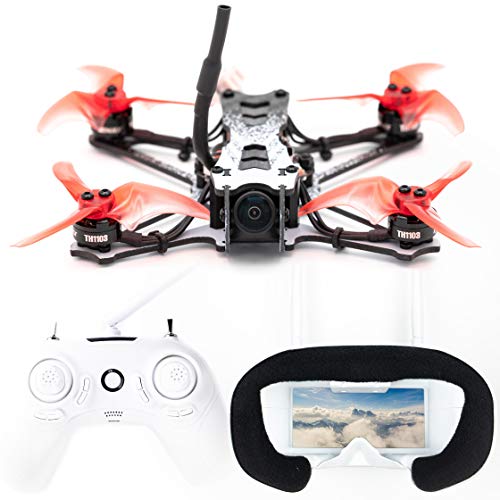
Tiny Hawk Fpv Freestyle Drone
This Tiny Hawk drone is a solid choice for those seeking the Best Fpv Camera for Freestyle Flying, suitable for both beginners and experienced pilots.
What to Expect in Flight
- Lightweight carbon fiber frame provides durability without extra bulk.
- Real FPV 5.8g camera offers clear live video for precise freestyle control.
- Compact size (2x4x1 inches) makes it easy to maneuver outdoors.
- Ready-to-fly kit includes goggles and controller, simplifying setup.
- Designed for outdoor racing but versatile enough for freestyle tricks.
Considerations Before Buying
- Limited weight (0.25 pounds) means it can be sensitive to strong winds.
- Setup may require some learning for absolute beginners despite included gear.
- No detailed price info, so check current costs before deciding.
- Overall sales rank suggests it’s moderately popular but not top seller.
Finding Your Balance with the Tiny Hawk
The Tiny Hawk FPV Freestyle Drone suits pilots who want a lightweight yet durable drone with a reliable FPV camera. Its carbon fiber frame balances toughness and agility, which is essential for freestyle flying outdoors. The included goggles and controller help newcomers get started without hunting for extra parts. On the downside, the drone’s small size and light weight mean it might struggle in windy conditions. Also, if you prefer a heavier or more stable drone for cinematic shots, this might feel too twitchy. I appreciate how the camera’s real FPV feed enhances flying confidence once you get the hang of it.When to Consider This Drone
This drone fits well for those who enjoy outdoor freestyle flying and want a compact setup that’s ready to go. Beginners who want a complete kit will find value here, as well as more experienced flyers looking for a nimble quadcopter with a solid FPV camera. If you often fly in windy or tight indoor spaces, or prefer a drone with more flight time and stability, this model may not meet your needs. A practical tip is to practice in calm weather and open areas to gain control before attempting complex maneuvers. In any case, the Tiny Hawk offers a straightforward way to experience freestyle flying with an FPV camera that delivers consistent visuals, making it easier to focus on skill development.Tinyhawk Lite Fpv Drone Kit
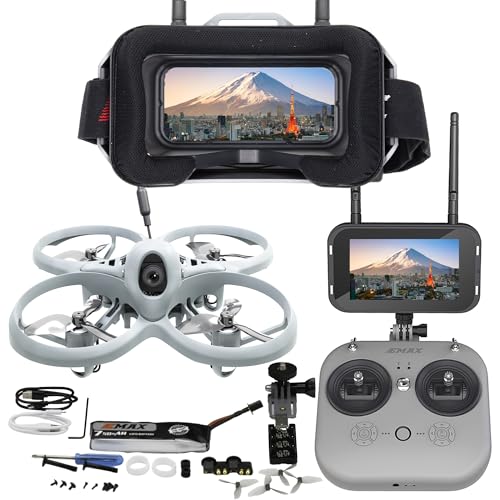
For beginners seeking the best FPV camera for freestyle flying, this Tinyhawk Lite kit offers a smooth entry with real FPV experience and easy setup.
Everyday Flying Insights
- Real FPV feed with near-zero lag offers precise control and immersion.
- Betaflight configurator support lets you tune flight modes as you improve.
- Longer flight time from a 750mAh battery keeps sessions going without rush.
- Lightweight and compact design fits well for indoor and outdoor freestyle flying.
- Ready-to-fly setup means no assembly delays or extra gear needed.
Some Considerations
- Battery life is good but not ideal for very long or extended outdoor flights.
- Small size may feel less stable in strong winds or outdoor conditions.
- The kit is tailored more for beginners; advanced pilots may want more customization.
Thoughts on the Tinyhawk Lite FPV Drone Kit
This kit stands out for those just starting with freestyle FPV flying. The real FPV camera and goggles provide an experience that feels immediate and responsive, which is key for building confidence. The inclusion of Betaflight tools is a nice touch for growth without needing to upgrade soon.
One trade-off is the smaller battery and lightweight frame, which can limit flight duration and outdoor stability. Still, for indoor flying or calm days outside, it’s a solid performer. The ease of setup and use helps avoid frustration common with other beginner drones.
Who Will Find This Useful
This drone is a good fit if you are new to FPV freestyle flying and want a straightforward, real FPV experience without fuss. It’s especially suitable for indoor flying or controlled outdoor conditions where its light frame shines. You get a clear video feed that makes learning maneuvers easier and more enjoyable.
It may not be ideal if you expect long flight times or plan to fly in windy or challenging outdoor environments. Also, if you want full pro-level customization from the start, this might feel limiting.
- Beginners aiming to learn FPV freestyle flying indoors or calm outdoors.
- Those who value easy setup and immediate flight readiness.
- Not recommended for pilots needing longer battery life or heavy-duty outdoor use.
Final Thoughts for Prospective Buyers
If you want a simple way to get started with the best FPV camera for freestyle flying, this Tinyhawk Lite kit offers a balanced mix of real FPV feel and beginner-friendly features. It won’t overwhelm you with complexity, yet gives room to improve your flying skills.
Consider your flying environment and style before choosing it. For casual indoor or calm outdoor use, it provides a reliable, lag-free video experience that helps you fly with more control and confidence. Take your time tuning the settings to match your skill level, and you’ll find it a dependable companion on your FPV journey.
Runcam Phoenix 2 Micro Fpv Camera
The Best Fpv Camera for Freestyle Flying designed for drone pilots seeking clear, reliable video in varied light conditions.

Practical Features for FPV Flying
- Real 1000TVL resolution delivers sharp video for clear navigation.
- Global WDR and day/night switch adapt well to changing light.
- Compact 19x19mm size fits most freestyle drones without adding bulk.
- Durable, dust-proof design reduces worries about crashes or dirt.
- Lens hood minimizes glare and protects the lens during flights.
Considerations for Use
- Setup requires familiarity with OSD boards or FPV transmitter menus.
- Weight is light but may still affect very small or ultra-light drones.
- Analog output limits video quality compared to digital FPV systems.
- Aspect ratio and video format selection may need manual adjustment.
Thoughts on the RunCam Phoenix 2
This camera stands out for its balanced mix of image quality and adaptability. The Global WDR feature is especially helpful for freestyle pilots flying in different lighting, offering consistent video clarity. Its small size and rugged build make it practical for active flying sessions where impacts are common.
One trade-off is the analog signal, which may not satisfy those wanting ultra-high-definition feeds. However, for many freestyle flyers, the responsiveness and reliable image outweigh this. Setup might take some initial effort, but once configured, it provides a confident and stable flying experience.
Picking the Right FPV Camera
This camera is ideal for freestyle pilots who want a solid all-around performer with good image adaptability. If you often fly in mixed light conditions and need a durable, compact unit, it fits well. On the other hand, if you prioritize the highest video resolution or a plug-and-play digital system, this might feel limiting.
Before buying, consider your drone’s compatibility and how much time you want to spend on tuning settings. The lens hood is a useful addition that helps protect your investment during active flights. Overall, it offers a straightforward way to improve your freestyle flying visuals without complexity.
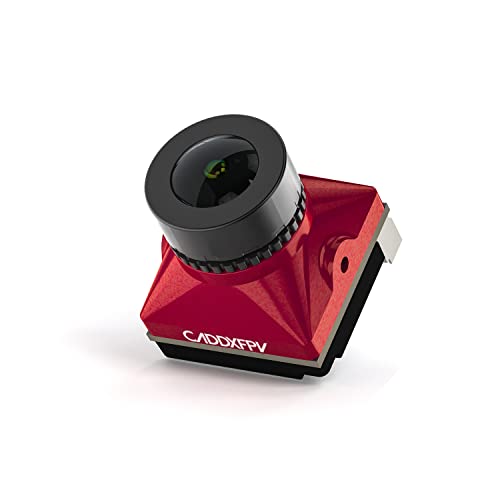
Caddxfpv Ratel 2 Fpv Micro Camera
The Best Fpv Camera for Freestyle Flying for pilots who want clear visuals in all light conditions during freestyle drone flights.
What to Expect from the Ratel 2
The CaddxFPV Ratel 2 is a compact analog FPV camera designed for freestyle flying drones. Its standout feature is the starlight low-light technology combined with a 1/1.8″ sensor, which helps pilots see clearly during night or dim conditions. This makes it easier to maintain orientation and control when lighting isn’t ideal.
Using this camera feels reassuring because it balances bright and dark areas well thanks to its Super WDR capability. The wide 165° field of view gives a broad perspective, enhancing situational awareness without distortion. Adjustments via the OSD menu are straightforward, so fine-tuning your image is quick and hassle-free.
Who Benefits and Who Might Look Elsewhere
This camera fits pilots focused on freestyle flying who often fly in varied lighting, including dusk or indoor low-light settings. Its lightweight and small size also suit builds where every gram counts. However, racers seeking ultra-high resolution digital cameras might find the analog output limiting.
Those who prefer plug-and-play simplicity without fiddling with format switches may find the multiple NTSC/PAL and aspect ratio options a bit more technical than needed.
- Ideal for low-light freestyle flights
- Wide field of view enhances spatial awareness
- Lightweight and compact for agile drones
- Analog signal limits image clarity compared to digital
- OSD setup requires some initial learning
Thoughtful Choice for Diverse Flying Conditions
If you often fly freestyle in low-light or changing environments, the Ratel 2 offers clear imagery that can boost confidence. It may not satisfy those who want the highest digital resolution, but its balance of features and size is practical.
Consider this camera if you value adaptability and steady visuals over ultra-high definition. A calm approach to setup and adjustment will make the experience smoother. Overall, this is a solid pick for pilots prioritizing reliable vision in various light conditions without extra bulk.
Runcam Phoenix 2 Fpv Camera
The Best Fpv Camera for Freestyle Flying for drone pilots seeking clear visuals in both day and night conditions.

Performance Highlights for FPV Flying
- Produces vivid images with its upgraded 1/2″ high-performance sensor.
- Improved low light capability thanks to super global WDR sensor.
- Lens design reduces red flare and purple fringing for clearer views.
- Low latency ensures smooth, real-time flight control.
- Compact size fits easily on most freestyle drones.
Practical Considerations
The RunCam Phoenix 2 is designed for pilots who need reliable visuals in varied light conditions. It handles shadows and bright spots well, making it easier to judge distances and obstacles during freestyle flying. The switchable aspect ratio lets you adapt viewing preferences quickly.
In actual use, the camera delivers sharp and stable images with minimal digital noise. Its lightweight and compact dimensions mean it won’t add unnecessary bulk or weight to your drone. Setup is straightforward, letting you focus more on flying and less on adjustments.
Choosing This FPV Camera
This camera suits freestyle flyers who want a balance of image quality and responsiveness without fuss. It’s especially helpful for those flying in changing light conditions or at dusk. However, if you need ultra-high resolution or specialized features like zoom, this may feel basic.
Keep in mind that while it reduces lens flare and shimmer, some minor artifacts can still appear in extreme lighting. Also, pilots looking for integrated recording features will need separate equipment.
- Ideal for freestyle drone pilots seeking clarity and low latency.
- Compact and lightweight for easy drone integration.
- Not designed for professional-grade cinema footage.
- Requires external recording if that function is needed.
How To Narrow Down Your Best Fpv Camera For Freestyle Flying
Start by thinking about where and how you fly. Are you indoors, outdoors, or both? Consider the lighting conditions you usually face. A camera that handles low light well can make a big difference. Weight and size matter too, especially if you want to keep your drone agile. Most people miss checking the camera’s latency and field of view, but these affect your flying experience a lot. Finally, think about how easy it is to install and adjust the camera. This helps avoid frustration later.
The 30-second Checklist For Your Fpv Camera
- Does the camera provide clear video in your typical lighting?
- Is the camera size and weight suitable for your drone?
- Can you easily switch between video formats or settings?
- Is the latency low enough for real-time flying?
- Does the camera come with protective features like lens hoods or shock absorption?
- Is it compatible with your existing FPV gear and goggles?
Regret Prevention When Choosing An Fpv Camera
Regret #1: Choosing a camera that struggles in low light. This limits your flying times and reduces video clarity. Fix this by selecting cameras with starlight or global WDR features for better night or indoor flights.
Regret #2: Overlooking latency and field of view. High latency or narrow views can make freestyle flying harder and less enjoyable. Pick cameras with low latency and wide-angle lenses to keep control smooth and situational awareness high.
Regret #3: Ignoring ease of setup and compatibility. A camera hard to configure or incompatible with your system wastes time and causes frustration. Check for simple plug-and-play options and adjustable settings to fit your gear.
Quick Pick Table For The Best Fpv Camera For Freestyle Flying
| If you want… | Look for this | Avoid this |
|---|---|---|
| Clear video in low light | Cameras with starlight or global WDR sensors | Basic CMOS sensors without low-light features |
| Real-time flying with minimal delay | Low-latency video transmission under 30ms | Cameras with high latency or laggy video feeds |
| Wide field of view for better awareness | Lens around 160° or wider | Narrow lenses below 120° FOV |
| Easy camera installation and adjustment | Models with plug-and-play connectors and OSD menus | Cameras requiring complex wiring or no settings control |
| Durability during aggressive freestyle flying | Shock-absorbing mounts and protective lens hoods | Fragile camera bodies without protection |
Tips For Setting Up Your Fpv Camera For Freestyle Flying
- Balance your camera’s weight with the drone’s total load to keep agility.
- Use vibration-damping mounts to reduce shaky footage and improve video quality.
- Adjust camera settings like brightness and contrast through OSD menus before flying.
- Test your camera’s latency and video clarity in different lighting to find the best setup.
- Keep your lens clean and use lens hoods to prevent glare during outdoor flights.
Faqs About The Best Fpv Camera For Freestyle Flying
Will this FPV camera fit on all freestyle drones?
Most FPV cameras come in standard micro sizes that fit popular freestyle frames. However, always check the dimensions and mounting options to ensure compatibility with your drone.
How important is the camera’s field of view for freestyle flying?
A wider field of view lets you see more around your drone, which helps with quick moves and tight spaces. Aim for cameras with at least 160° FOV for the best experience.
Can I use these cameras in low-light or night conditions?
Some FPV cameras include starlight or global WDR technology for better low-light performance. These are ideal if you plan to fly indoors or in darker environments.
Do FPV cameras require much maintenance?
Maintenance is minimal but important. Keep lenses clean and check for damage after crashes. Regularly inspect wiring and connectors to ensure stable video transmission.
Are these FPV cameras compatible with all FPV goggles?
Most FPV cameras output standard analog signals compatible with common FPV goggles. Still, verify your goggles support the camera’s video format and frequency band.
How durable are these cameras for freestyle flying?
Durability varies. Cameras with protective lens hoods and shock-absorbing mounts handle impacts better. Choose models designed for racing or freestyle use for added toughness.
Will the camera add noticeable noise or interference?
Good FPV cameras have minimal electronic noise and interference. Proper wiring and shielding help prevent signal issues during flight.
Final Thoughts On Choosing The Best Fpv Camera For Freestyle Flying
Choosing the right FPV camera comes down to matching your flying style and conditions. Consider low-light capability, latency, and field of view as key factors. These affect how well you see and control your drone during freestyle maneuvers.
When in doubt, pick a camera that balances video quality and ease of use. The tie-break rule is to prioritize real-time video clarity over extra features to ensure your flying feels natural and responsive.