FPV drones have changed the way we see the world from above. With a small camera on board, pilots can fly as if they are inside the drone itself. This “first-person view” is possible because of FPV cameras, and one of their most important features is the field of view (Fov). But what is Fov, why does it matter, and how can you choose the right one for your FPV setup? Whether you are a beginner or a seasoned pilot, understanding Fov will help you fly better, make smarter choices, and capture the shots you want. Let’s explore the meaning of field of view in FPV cameras, how it affects flying, and what you need to know before buying.
What Is Field Of View (fov)?
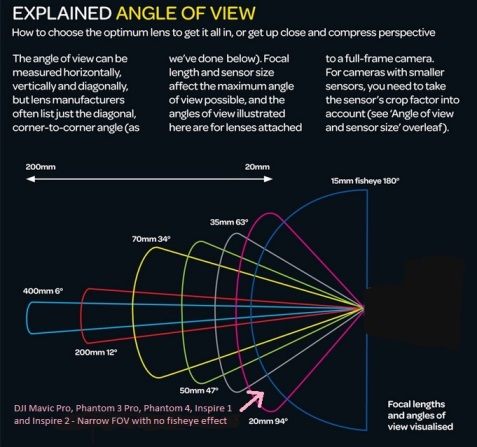
Field of view is the area visible through a camera lens. In FPV cameras, Fov means how much of the scene you can see from the drone’s viewpoint. It’s measured in degrees, which tells you how wide the camera can see, left to right.
Imagine standing in front of a window. A small window lets you see only a narrow slice outside. A big window shows a much wider view. That’s what Fov does for FPV cameras. A narrow Fov focuses on a small part of the scene.
A wide Fov lets you see more of the surroundings.
Fov In Numbers
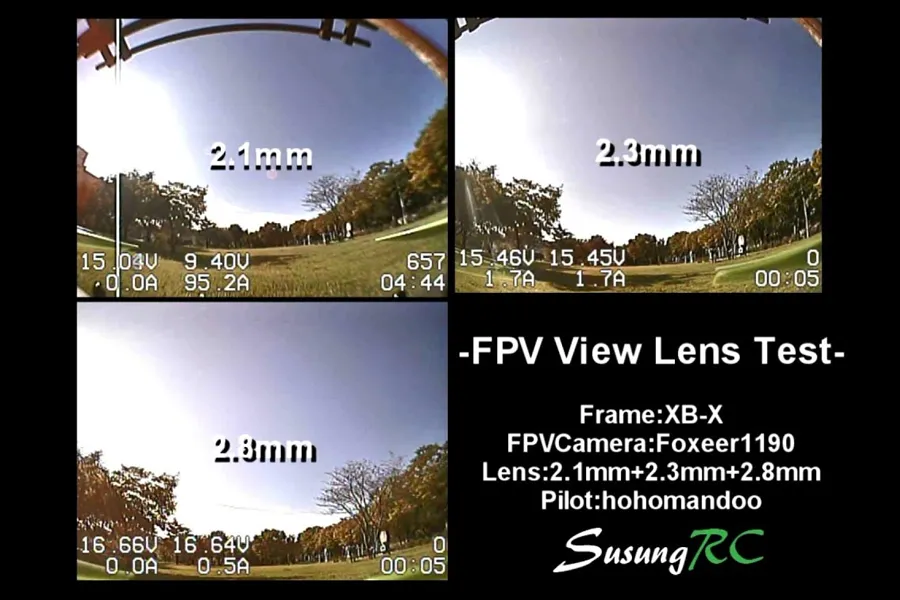
Most FPV cameras list Fov as a degree value, like 120° or 160°. The higher the number, the wider the view. Some cameras also mention Fov in terms of lens size, such as 2. 1mm or 2. 8mm. Generally, smaller lens sizes mean wider Fov.
Horizontal Vs Vertical Fov
Fov can be horizontal, vertical, or diagonal. Horizontal Fov is the width of the image; vertical Fov is the height; diagonal Fov is corner to corner. FPV pilots usually focus on horizontal Fov because it shows the most important flying area.
Why Is Fov Important?
Field of view controls what the pilot can see during flight. A wide Fov makes it easier to spot obstacles, turns, and gaps. A narrow Fov helps pilots see details far ahead. Choosing the right Fov depends on how you fly and what you want to see.
How Fov Affects Fpv Flying
FPV flying is all about seeing through the camera. The field of view changes how you experience flying, how you react, and how you control your drone. Let’s look at the main effects of Fov on FPV flight.
Wider Fov: More Awareness
A wide Fov (like 160° or more) gives you a larger picture. You can see obstacles on the sides, spot fast-moving targets, and feel more “immersed” in the scene. This is helpful for freestyle flying, racing, or navigating tight spaces.
Narrower Fov: More Precision
A narrow Fov (like 90°–120°) zooms in on the center. You see less around you, but objects far ahead appear bigger and clearer. This is useful for long-range flights, cinematic shots, or situations where detail matters more than peripheral vision.
Fov And Speed
When flying fast, a wider Fov helps you notice things in your path. You can react sooner to sudden changes. Narrow Fov can make speed feel slower but may hide obstacles coming from the sides.
Depth Perception
Fov also affects how you judge distance. A wider Fov makes things look farther away and smaller. A narrow Fov makes objects appear closer and bigger. This can change how you approach gates, landings, and turns.
Example: Racing Vs Cinematic
- Racing drones often use wide Fov for quick reaction and spotting gates.
- Cinematic drones might use narrow Fov for focused shots and smooth footage.
Types Of Fov In Fpv Cameras
FPV cameras offer different Fov options. Understanding these helps you pick the best camera for your drone style.
Standard Fov Ranges
Most FPV cameras have a Fov between 90° and 170°. Here’s a quick overview:
| Fov Range | Common Use | Lens Size |
|---|---|---|
| 90°–120° | Long-range, cinematic | 2.8mm or higher |
| 120°–150° | General FPV, racing | 2.5mm–2.8mm |
| 150°–170° | Freestyle, tight spaces | 1.8mm–2.1mm |
Lens Size And Fov
FPV cameras use different lens sizes, which directly affect Fov. Smaller lenses (like 1. 8mm or 2. 1mm) have wider Fov. Larger lenses (2. 8mm or 3. 6mm) have narrower Fov.
Fixed Vs Adjustable Fov
Most FPV cameras have a fixed Fov, set by the lens. Some digital systems allow adjustable Fov through software, letting pilots choose between wide and narrow views. However, digital cropping can reduce image quality.
Fov In Digital Vs Analog Cameras
Analog FPV cameras usually have wider Fov and less distortion. Digital FPV cameras, like DJI, offer adjustable Fov but may add latency or crop the image. Pilots need to balance image quality with Fov preference.
Fov And Lens Types
Lens design plays a big role in Fov. Here are the main types and how they affect FPV use.
Wide-angle Lenses
Wide-angle lenses (such as 2.1mm or lower) give very broad Fov. They are popular for racing and freestyle because they show more of the scene. However, they can cause fisheye distortion, making straight lines curve at the edges.
Standard Lenses
Standard lenses (2.5mm–2.8mm) offer balanced Fov. They are good for general FPV flying, with less distortion and a clearer picture.
Telephoto Lenses
Telephoto lenses (over 3.6mm) have narrow Fov. They are rare in FPV but useful for special shots where detail matters more than wide vision.
Distortion And Fov
Wide Fov can lead to barrel distortion or fisheye effect, where the image curves at the edges. This may confuse pilots or make judging distance harder. Some cameras use special lenses to reduce distortion.
| Lens Type | Fov | Distortion |
|---|---|---|
| Wide-angle | 150°–170° | High (fisheye) |
| Standard | 120°–150° | Medium |
| Telephoto | 90°–120° | Low |
Choosing The Right Fov For Your Fpv Camera
Picking the right Fov is not just about numbers. It’s about your flying style, camera placement, and personal preference. Here are key factors to consider.
1. Flying Style
- Freestyle: Wide Fov helps spot obstacles and makes flying feel more immersive.
- Racing: Wide Fov lets you see gates and turns quickly.
- Cinematic: Narrow Fov gives focused, smooth footage.
2. Drone Size And Camera Mount
Small drones may need wider Fov to compensate for fast movement. Camera angle also matters. If your camera is tilted upward, a wide Fov helps keep the ground in view.
3. Image Quality
Wide Fov can lead to distortion. If you want clear, natural-looking footage, choose a standard lens with less distortion.
4. Personal Preference
Some pilots prefer the “bubble” effect of wide Fov; others like the clarity of narrow Fov. Try different lenses to see what feels best.
5. Environment
If you fly in tight spaces (like indoor tracks), wide Fov is useful. For open fields or long-range, narrow Fov may be better.
6. Compatibility
Not all cameras fit all drones. Make sure your camera’s lens size matches your drone’s mount and your video system.
Common Beginner Mistakes With Fov
Many new FPV pilots misunderstand Fov. Here are some mistakes and how to avoid them.
- Ignoring distortion: Wide Fov can make judging distance harder. Beginners may crash into gates or miss turns because the image is stretched.
- Choosing Fov by numbers only: Picking the highest Fov is not always best. Test different lenses for your flying style.
- Not considering camera tilt: If your camera is angled up, a narrow Fov may cut off the ground view.
- Assuming digital Fov is the same as optical Fov: Software cropping changes the image differently than lens-based Fov. Image quality may suffer.
- Overlooking lens compatibility: Some drones cannot fit larger lenses. Always check before buying.
Fov And Fpv Camera Specifications
When shopping for FPV cameras, you will see many specs. Here’s how Fov fits in and what to check.
Key Specs To Compare
- Fov (degrees): The most important. Higher means wider.
- Lens size (mm): Smaller = wider Fov.
- Resolution: Higher resolution gives clearer images but does not change Fov.
- Sensor size: Larger sensors often support wider Fov.
- Aspect ratio: 4:3 and 16:9 affect how the Fov appears in goggles.
Example Comparison
Here’s how three popular FPV cameras compare:
| Camera Model | Fov (degrees) | Lens Size | Aspect Ratio |
|---|---|---|---|
| RunCam Nano 2 | 155° | 2.1mm | 4:3 |
| Foxeer Predator Mini | 150° | 2.1mm | 16:9 |
| Caddx Vista | 120° | 2.8mm | 16:9 |
Fov And Video Transmission
Fov does not directly affect video transmission quality, but it can change how the image looks in your goggles. Wider Fov might make the image feel “squished” if your goggles use a different aspect ratio. Always check compatibility between your camera and video system.

Fov Settings In Digital Fpv Systems
Digital FPV systems, like DJI or Walksnail, let pilots adjust Fov in software. You can switch between wide, medium, and narrow modes. However, digital cropping can lower resolution and make the image less sharp.
Pros And Cons Of Digital Fov Adjustment
- Pros: Easy to change, flexible for different flights.
- Cons: May reduce image quality, introduce latency, or crop important parts.
Fov In Fpv Goggles
Your FPV goggles also have a Fov specification. This is different from camera Fov. Goggles Fov means how big the image appears to your eyes, not what the camera sees. Wider goggles Fov feels more immersive, but does not change the camera’s view.
Matching Camera And Goggles Fov
For best experience, match camera Fov with goggles aspect ratio. If your camera is 4:3 and your goggles are 16:9, you may lose some of the image at the top and bottom.
Real-world Examples Of Fov Choices
Let’s look at how pilots use Fov in real situations.
Racing
A pilot chooses a camera with 160° Fov to see gates and competitors. The wide view helps react quickly and avoid crashes.
Freestyle
A freestyle pilot uses 170° Fov for urban flying. The wide lens shows buildings, gaps, and obstacles, making tricks easier and safer.
Cinematic
A filmmaker uses 120° Fov to capture smooth, focused shots. The narrow Fov makes landscapes look bigger and more dramatic.
Advanced Insights: What Beginners Miss
Many new pilots think wider Fov is always better. But experienced pilots know:
- Wide Fov can hide obstacles at the center. Objects appear smaller and farther away, so pilots must adjust their timing.
- Lens quality matters. Cheap wide lenses may be blurry at the edges. High-quality lenses reduce distortion and keep the image sharp.
- Fov changes your muscle memory. Switching cameras with different Fov can make flying feel strange. Practice with your chosen Fov to improve control.
Practical Tips For Choosing Fov
- Test different lenses before buying. Borrow from friends or visit a local drone shop.
- Watch flight videos shot with various Fov to see how they affect footage.
- Consider your main flying location. Tight spaces need wide Fov; open areas can use narrow Fov.
- Check reviews for lens distortion and clarity.
- Remember: Fov is not just a number. It’s about how you see and feel your flight.
Frequently Asked Questions
What Is The Ideal Fov For Fpv Racing?
Most racers prefer wide Fov (150°–170°). This helps spot gates, turns, and competitors. If you race indoors, go for the widest possible Fov. Outdoor tracks can use slightly narrower Fov for more detail.
Does Wide Fov Cause Distortion?
Yes, wide Fov often leads to fisheye distortion. This makes straight lines curve at the edges. Some pilots like the immersive effect, but others find it confusing. Choose high-quality lenses to reduce distortion.
Can I Change The Fov On My Fpv Camera?
Most analog FPV cameras have fixed Fov set by the lens. Digital cameras may allow software adjustment, but this can reduce image quality. To change Fov, you usually need to swap the lens.
How Does Fov Affect Video Recording?
Fov changes what you capture in each shot. Wide Fov records more surroundings but makes objects appear smaller. Narrow Fov focuses on the center, making subjects look bigger. For cinematic video, choose Fov based on your desired effect.
What Is The Difference Between Camera Fov And Goggle Fov?
Camera Fov is what the drone sees. Goggle Fov is how big the image looks to your eyes. They are not the same. Wide camera Fov lets you see more surroundings; wide goggle Fov makes the image feel immersive.
FPV flying is all about vision. The field of view in FPV cameras controls how much you see, how you react, and how you enjoy the flight. Wide Fov gives freedom and awareness; narrow Fov gives focus and clarity. There’s no “best” Fov—only what fits your style, environment, and goals. Take time to test, learn, and find your favorite setup. For more technical details on camera Fov, you can visit Wikipedia. Choosing the right Fov helps you fly safer, capture better footage, and enjoy FPV to the fullest.