FPV goggles are changing how people experience drones, racing, and even aerial photography. Imagine sitting in your living room but seeing the world from high above, as if you are flying like a bird. That’s what FPV goggles offer. These special devices let you view live footage from a drone’s camera as if you were inside the drone itself.
It’s an immersive, real-time window into the sky, making flying more exciting and engaging. Whether you’re a hobbyist, professional racer, or filmmaker, FPV goggles unlock new possibilities and a unique perspective that regular screens simply cannot match.
What Are Fpv Goggles?
FPV stands for First Person View. FPV goggles are wearable devices, usually resembling large glasses or visors, that show live video directly from a drone’s onboard camera. This technology lets you see exactly what the drone sees, in real time, making you feel as though you’re flying.
The goggles connect wirelessly to the drone’s video transmitter. Inside, there are one or two small screens positioned close to your eyes. The design blocks out outside light, creating a clear, focused view. Most FPV goggles also include adjustable straps for comfort and built-in antennas for better signal reception.
FPV goggles are different from normal video glasses. They are optimized for fast, real-time transmission and low latency, which is crucial for racing or precise flying. Many models also have features like head tracking, built-in DVR, and customizable settings.
Main Uses Of Fpv Goggles
FPV goggles are not just for fun. They have practical applications across different fields. Let’s explore the main uses:
1. Drone Racing
Drone racing is one of the most popular uses for FPV goggles. Racers use these goggles to fly drones through obstacle courses at high speeds, relying on the immersive view for split-second decisions.
- Real-time feedback: The direct video feed helps pilots react quickly.
- Precision: Seeing from the drone’s perspective allows more accurate maneuvers.
- Competitive advantage: Racers can spot the best lines and avoid crashes.
FPV racing events attract thousands of viewers and participants. The Drone Racing League (DRL), for example, uses FPV goggles for all pilots, making races intense and visually stunning.
2. Aerial Photography And Videography
FPV goggles are also valuable for aerial photography. When filming landscapes or events, photographers can frame shots exactly as they want, without relying on delayed smartphone screens.
- Better control: Adjust camera angles in real time.
- Improved framing: See what the drone sees, so you don’t miss important moments.
- Safer flights: Avoid obstacles and risky areas by seeing them instantly.
Many professionals use FPV goggles to get creative shots that wouldn’t be possible otherwise. This approach is used in commercials, movies, and wedding videos.
3. Recreational Flying
Hobbyists love the immersive experience FPV goggles provide. Flying a drone becomes more exciting when you feel like you’re inside it.
- Exploration: Discover new places from the air.
- Enjoyment: Experience flight in a unique way.
- Learning: Practice piloting skills with instant feedback.
Many beginners start with FPV goggles to make flying more enjoyable and intuitive.
4. Search And Rescue Operations
FPV technology is helping search and rescue teams. With goggles, operators can quickly scan large areas, find missing persons, or assess disaster zones.
- Quick response: Immediate view of hard-to-reach places.
- Safety: Keeps humans out of dangerous areas.
- Accuracy: Pinpoint locations using real-time video.
FPV goggles are especially useful in situations where speed and precision are critical, such as after natural disasters.
5. Agriculture And Environmental Monitoring
Farmers and researchers use FPV goggles for monitoring crops, livestock, and environmental conditions.
- Crop inspection: Spot issues like pests or disease from above.
- Livestock tracking: Locate animals in large fields.
- Data collection: Gather information for research or planning.
FPV goggles make these tasks faster and more efficient, reducing manual labor and improving accuracy.
6. Industrial Inspections
Companies use drones with FPV goggles to inspect structures like power lines, wind turbines, and bridges.
- Detailed viewing: Get close-up views without risking worker safety.
- Time-saving: Inspect large areas quickly.
- Documentation: Record video for reports and maintenance planning.
FPV goggles help operators make better decisions and avoid costly mistakes during inspections.
How Fpv Goggles Work
Understanding how FPV goggles function will help you see why they are so powerful.
Video Transmission
FPV goggles receive live video from a camera mounted on the drone. The camera sends footage to a video transmitter, which broadcasts the signal wirelessly.
Most FPV systems use analog video transmission (such as 5.8 GHz frequency) because it offers low latency. However, digital FPV systems are becoming popular, offering clearer images but sometimes with higher latency.
Display Technology
Inside the goggles, there are usually one or two screens. These screens may use LCD or OLED technology. OLED screens provide deeper blacks and brighter colors, but LCD screens are often more affordable.
Some goggles have split screens for each eye (binocular), while others use a single larger screen (monocular). Resolution varies—higher resolution means clearer images.
Field Of View (fov)
Field of view is how wide the image appears inside the goggles. Wider FOV feels more immersive, but too wide can distort the image. Most FPV goggles offer FOV between 30° and 50°, but high-end models may go up to 80°.
Latency
Latency is the delay between what the camera captures and what you see in the goggles. For racing, low latency (under 30 milliseconds) is crucial. Higher latency can make flying difficult and increase crash risk.
Connectivity
FPV goggles connect to the drone using built-in or external antennas. Some models support diversity antennas, which improve signal reception and reduce interference.
Power Supply
Most goggles run on rechargeable batteries. Battery life ranges from 1 to 4 hours, depending on usage and features.
Fpv Goggles Vs. Screens: Key Differences
Some pilots use smartphones or tablets to view drone footage. Let’s compare FPV goggles and screens:
| Feature | FPV Goggles | Smartphone/Tablet Screen |
|---|---|---|
| Immersion | High – feels like flying | Low – feels like watching TV |
| Latency | Very low (good for racing) | Higher (may cause lag) |
| Field of View | Wide, adjustable | Narrow, fixed |
| Outdoor Visibility | No glare, blocks sunlight | Glare can be a problem |
| Portability | Medium (requires carrying goggles) | High (just a phone/tablet) |
Most pilots prefer FPV goggles for immersive flying, but screens can be more convenient for casual use or sharing the view with others.
Types Of Fpv Goggles
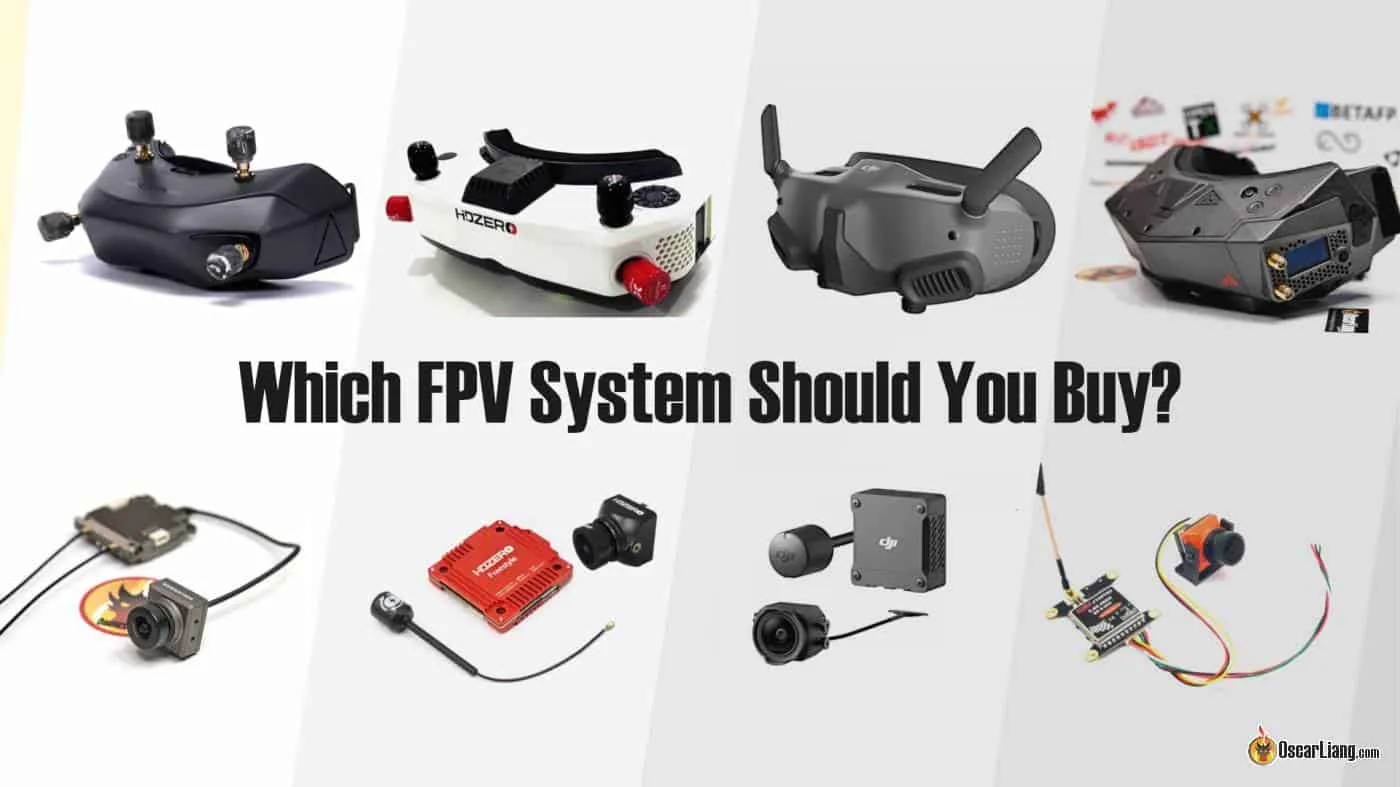
There are several types of FPV goggles, each suited to different needs:
Box Goggles
These are large, box-shaped goggles with a single screen. They are cheaper and easier for beginners but less comfortable for long use.
- Pros: Affordable, simple design
- Cons: Bulky, less comfortable
Slim Goggles
Slim goggles have two small screens for each eye, resembling sunglasses. They are more comfortable and offer better image quality.
- Pros: Lightweight, high quality
- Cons: More expensive
Digital Fpv Goggles
Digital goggles use advanced video transmission for clear images and features like recording and playback.
- Pros: High resolution, extra features
- Cons: Higher latency, costly
Headsets With Dvr
Some goggles include built-in DVR (Digital Video Recorder) to save flight footage.
- Pros: Record flights easily
- Cons: May add weight
Here’s a comparison of different types:
| Type | Price Range | Comfort | Image Quality | Best For |
|---|---|---|---|---|
| Box Goggles | $50-$150 | Low | Medium | Beginners |
| Slim Goggles | $200-$500 | High | High | Racers, Pros |
| Digital Goggles | $400-$900 | Medium | Very High | Filmmakers |
| Goggles with DVR | $150-$400 | Medium | High | Hobbyists |
Choosing The Right Fpv Goggles
Picking the best FPV goggles depends on your needs and budget. Here are key factors to consider:
Resolution
Higher resolution means clearer images. Look for goggles with at least 800 x 600 pixels for decent quality. Professional models go up to 1920 x 1080 or higher.
Field Of View
Choose a field of view that feels natural. Too wide can cause distortion, while too narrow feels less immersive. Most pilots prefer 35°-50°.
Fit And Comfort
Try goggles before buying if possible. Adjustable straps, soft padding, and lightweight design make a big difference. Uncomfortable goggles can ruin the experience.
Video Receiver
Some goggles have built-in receivers, others require external modules. Diversity receivers (with two antennas) improve signal stability.
Compatibility
Check if the goggles work with your drone’s transmitter (analog or digital). Some goggles only work with certain brands or systems.
Price
FPV goggles range from $50 to over $1000. Beginners can start with cheaper models, but professionals may need advanced features.
Extra Features
Consider features like:
- DVR recording
- Head tracking
- HDMI input
- Adjustable IPD (Interpupillary Distance)
These features add convenience but may increase price.
Common Mistakes When Using Fpv Goggles
Even experienced pilots make mistakes with FPV goggles. Avoid these common pitfalls:
- Ignoring fit and comfort: Uncomfortable goggles can cause headaches and eye strain.
- Choosing wrong compatibility: Not all goggles work with every drone. Check before buying.
- Overlooking latency: High latency ruins racing and fast flying.
- Skipping practice: FPV flying is different from line-of-sight. Practice before racing or filming.
- Flying in bad weather: Rain, fog, or bright sunlight can affect signal and visibility.
- Neglecting battery life: Always check battery levels before flying.
One insight many beginners miss is adjusting the Interpupillary Distance (IPD). Proper IPD setting improves clarity and reduces eye fatigue. Another overlooked tip is calibrating the goggles’ focus if available—sharp focus prevents blurry images and headaches.
Fpv Goggles Safety And Legal Considerations
FPV goggles block outside vision, which can be risky. Always follow safety guidelines:
- Use a spotter: Someone else watches the drone and surroundings while you fly.
- Know local laws: Some countries require line-of-sight flying or limit FPV use.
- Avoid crowds: Flying over people is dangerous and often illegal.
- Check signal strength: Weak signals can cause crashes.
For more details on drone regulations, check the FAA official site.

Advanced Uses And Innovations
FPV goggles are evolving rapidly. Here are some advanced uses and innovations:
Vr Integration
Some FPV goggles are compatible with Virtual Reality (VR) systems, allowing more immersive experiences. VR head tracking lets pilots look around as the drone moves.
Augmented Reality (ar)
Future goggles may overlay information like speed, altitude, and flight path onto the video feed, helping pilots make better decisions.
Long-range Fpv
New technology allows pilots to fly drones several miles away while maintaining clear video. Long-range FPV is used for exploration and mapping.
Multi-pilot Viewing
Some goggles support multi-pilot modes, so several people can watch the same feed. This is useful for training or team operations.
Integration With Ai
AI-powered FPV goggles can help identify objects, avoid obstacles, and even assist in navigation. This is especially promising for search and rescue.
Fpv Goggles In Competitive Sports
FPV goggles are central to drone racing leagues and freestyle competitions. Races are often broadcast live, with viewers seeing what the pilots see.
- Drone Racing League (DRL): Uses FPV goggles for all pilots.
- MultiGP: Community racing events using FPV.
Spectators enjoy the immersive footage, making FPV racing a growing sport.

Fpv Goggles For Education And Training
Schools and training centers use FPV goggles to teach drone piloting and robotics. Students learn faster by experiencing real flight conditions.
- Hands-on practice: Immediate feedback improves skills.
- Simulators: FPV goggles work with flight simulators for safe training.
FPV technology is opening new paths for STEM education, inspiring future pilots and engineers.
Frequently Asked Questions
What Does Fpv Stand For?
FPV means First Person View. It describes seeing from the drone’s perspective in real time, usually through goggles or a screen.
Are Fpv Goggles Only Used For Racing?
No. FPV goggles are used for racing, aerial photography, industrial inspections, search and rescue, agriculture, and recreational flying. They offer immersive, real-time video for many purposes.
Do Fpv Goggles Work With Any Drone?
Not all drones are compatible. FPV goggles must match the drone’s video transmitter (analog or digital). Check compatibility before buying or using.
Can You Record Video With Fpv Goggles?
Many FPV goggles have built-in DVR to record flight footage. Some models require external devices. Recording is useful for reviewing flights, training, or creating videos.
Is It Legal To Use Fpv Goggles Everywhere?
Laws vary by country and region. In the US, the FAA requires a visual observer when using FPV goggles. Always check local regulations and follow safety guidelines.
FPV goggles are transforming how people fly drones, race, and explore the world. They offer a level of immersion and control that regular screens cannot provide. Whether you’re racing, filming, or helping in emergencies, FPV goggles open up new possibilities.
As technology evolves, goggles will become even more powerful, making flight safer, more exciting, and more accessible.