Choosing the best lightweight FPV camera can make a big difference in your flying experience. When weight matters, every gram counts, and finding a camera that balances quality with minimal bulk is key. Whether you’re racing or just enjoying smooth flights, a light camera helps keep your drone agile and responsive. It’s about getting clear, reliable footage without adding unnecessary weight. Understanding what makes these cameras stand out can save you time and frustration. Let’s talk about what to look for and why weight plays such a crucial role in FPV setups.
Runcam Spotter V2 Micro Fpv Camera
The Best Lightweight Fpv Camera for RC hobbyists seeking reliable video and audio capture in a compact form.

Daily Use Highlights for FPV Enthusiasts
- Lightweight design makes mounting on small RC vehicles effortless.
- Integrated microphone adds immersive audio without extra gear.
- OSD feature provides real-time data, enhancing flight awareness.
- Adjustable transmitter power lets you balance range and battery life.
- Wide 170-degree field of view captures expansive surroundings clearly.
Considerations Before Purchase
- Limited to 700TVL resolution, which may not satisfy high-definition needs.
- Compact size can make handling and wiring more delicate.
- Transmitter channels might require manual tuning for interference-free use.
Thoughts on the RunCam Spotter V2
This camera is a solid choice for those who want a lightweight, all-in-one FPV setup. Its micro size and integrated features reduce clutter and simplify installation on various RC models. The adjustable transmitter power is particularly useful for optimizing signal strength depending on your environment.
However, the 700TVL resolution is modest compared to modern HD cameras. It suits users focused more on weight and simplicity rather than ultra-high image clarity. Handling the tiny unit requires some care, especially during setup.
Who Will Appreciate This Camera?
The RunCam Spotter V2 fits well for FPV enthusiasts who prioritize weight savings and integrated functions like audio and OSD. It’s ideal for those flying small RC cars, drones, or planes where every gram counts. Its ease of use and versatility make it a practical upgrade for hobbyists wanting a straightforward, reliable FPV experience.
It’s less suitable for users seeking high-resolution video or those uncomfortable with fine wiring work. If image quality is the top priority, a different model might be better.
- Perfect for lightweight FPV rigs
- Great for beginners wanting integrated OSD and mic
- Not ideal for users needing HD video capture
Practical Advice for Prospective Buyers
If you’re upgrading your FPV setup for better audio and real-time data, this camera offers a balanced solution without adding bulk. Keep in mind the need to carefully manage transmitter settings to avoid channel interference. This camera delivers reliable performance, letting you focus on flying with confidence rather than fussing with gear.
Sologood Nano Fpv Camera
The Best Lightweight Fpv Camera for FPV drone racers looking for a small and efficient imaging solution.

Key Points for Lightweight FPV Use
- Weighs only 2 grams, minimizing impact on drone agility and flight time.
- Equipped with a 1/3″ CMOS sensor and 1200TVL for clear, detailed images.
- Global WDR and low-light sensitivity (0.001 lux) improve visibility in varied conditions.
- Small form factor (14×14 mm) fits easily on compact drones like Cinewhoop and Tinywhoop.
- Switchable PAL/NTSC modes add flexibility for different FPV setups.
Thoughts on the SoloGood Nano FPV Camera
This camera is designed to solve the challenge of finding a high-quality FPV camera that doesn’t weigh down your racing drone. Its ultra-lightweight design means you won’t sacrifice speed or maneuverability. The imaging technology, including the 1200TVL resolution and wide dynamic range, provides a clear and stable video feed, which is essential for precision flying.
In actual use, the camera offers reliable performance with minimal fuss. Setup is straightforward, and the image quality holds up well even in low-light environments. I appreciated the compact size that fits neatly on tiny drones, making it easier to maintain balance and control during fast maneuvers.
Who Will Appreciate This Camera and Who Might Pass
This camera suits FPV racers and drone hobbyists who prioritize lightweight gear without compromising image quality. It’s especially good for those flying small racing drones where every gram counts and clear video is critical for navigation.
On the other hand, users needing advanced features like integrated recording or higher resolution might find this model limiting. Its focus is on lightweight and basic FPV functionality rather than all-in-one multimedia capabilities.
- Perfect for ultra-lightweight racing drone builds
- Ideal for pilots needing reliable low-light performance
- Less suited for users requiring high-resolution video recording
Balanced Insight for FPV Enthusiasts
The SoloGood Nano FPV Camera is a practical choice for those who want a simple, effective FPV camera that won’t add noticeable weight to their drones. While it lacks some bells and whistles, it performs well in core areas like image clarity and low-light handling.
If you need a dependable camera for fast-paced FPV flying on tiny quads, this model is worth considering. Just keep in mind it’s not designed to replace more feature-rich cameras for cinematic or professional video recording.
Runcam Phoenix 2 Micro Fpv Camera
The Best Lightweight Fpv Camera for drone and RC vehicle enthusiasts seeking a compact, versatile camera for clear flying and racing footage.

Everyday Use Insights for FPV Enthusiasts
- Lightweight design (8.6g) makes it easy to mount on micro drones and RC vehicles without affecting flight dynamics.
- The 160° field of view captures wide scenes, useful for racing or freestyle flying.
- Durable, dust-proof body withstands outdoor flying conditions and reduces maintenance worries.
- Easy parameter setup through built-in connectors or FPV transmitter offers flexible control.
- Switchable day/night mode and global WDR enhance image clarity in various lighting.
Considerations Before Choosing This Camera
- True analog output may limit resolution compared to digital FPV systems.
- Micro size means some users may find it fiddly to install without steady hands.
- Lens hood protects from glare but adds slight bulk on the front.
Thoughtful Use for Precise FPV Capture
This RunCam Phoenix 2 Micro FPV Camera is a compact solution for those who want solid image quality without adding weight. Its real 1000TVL resolution and wide FOV help capture detailed footage for both racing and casual flying. The dust-proof design means it can keep up with active, outdoor use.
When flying, I found it easy to adjust settings either via the RunCam OSD board or my FPV transmitter, which saves time tuning the image to conditions. The lens hood effectively reduces glare, though it requires a bit more care during installation. Overall, it strikes a good balance between size, durability, and image quality.
Finding the Right Fit for Your FPV Setup
This camera fits best for pilots flying micro drones or RC cars who prioritize light weight and easy setup. It’s especially suited to those who want dependable analog image quality with flexible control options.
On the other hand, if you require ultra-high-resolution digital video or prefer minimal front bulk, you might want to look elsewhere. Also, those new to installing tiny components might find the micro size a bit challenging at first.
- Great for micro drone racers and freestyle flyers.
- Ideal if you want quick day/night switching and wide angle views.
- Not recommended if you need digital HD video or ultra-compact lens setups.
Careful Choice for Lightweight FPV Needs
For anyone focused on lightweight FPV gear with solid analog image quality, this RunCam model is a thoughtful pick. It excels in durability and ease of use once set up. If you fly micro drones or RC vehicles regularly, it can be a reliable part of your gear.
If you prefer the highest resolution or want the smallest possible camera profile, this might not be your ideal option. A practical tip is to take your time during installation to avoid stress with the small size. With that, you’ll find it a dependable companion for your FPV adventures.
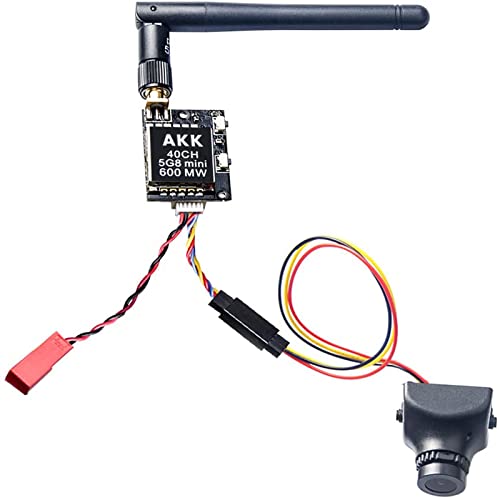
Akk Lightweight Fpv Camera For Racing
The Best Lightweight Fpv Camera for drone racers and hobbyists seeking a compact, easy-to-use FPV system.
Key Aspects for FPV Racing Use
- Compact and lightweight design minimizes added drone weight.
- Quick setup with double push buttons for channel and frequency changes.
- Wide 120-degree lens field of view for better situational awareness.
- 700TVL resolution offers clear video quality for fast-paced racing.
- NTSC signal system compatible with common FPV gear.
The AKK camera is a simple, ready-to-fly FPV system that fits well on racing quadcopters. It addresses the need for a lightweight, straightforward camera that does not add bulk or complexity. Its 600mW transmitter ensures a solid signal for competitive environments.
Using it feels intuitive thanks to easy channel and frequency switching. The small size and modest weight let you focus on flying without worrying about extra load or complicated setup. I found it reliable for quick practice sessions and casual racing events.
Considerations for Your FPV Setup
This camera suits beginners and intermediate drone racers who want a practical, no-fuss FPV solution. However, those needing ultra-high-definition or advanced features might find it too basic. Also, the fixed lens angle limits customization for specialized flying styles.
Before buying, consider your drone’s weight capacity and the typical range you need. The AKK model balances performance and simplicity, but it’s best for straightforward FPV applications rather than pro-level customization.
Thoughts for Potential Buyers
This FPV camera is a solid choice if you value ease of use and weight savings over advanced specs. It will suit hobbyists and racers looking for a dependable, lightweight component without complicated adjustments.
On the other hand, if you require high-resolution video or flexible lens options, this might not meet all your needs. A practical tip: pair it with a compatible receiver to get the most stable feed possible. Overall, it offers peace of mind with a clean, consistent FPV experience.
Caddx Ratel 2 Fpv Camera
The Best Lightweight Fpv Camera for drone pilots seeking clear visuals without added weight.
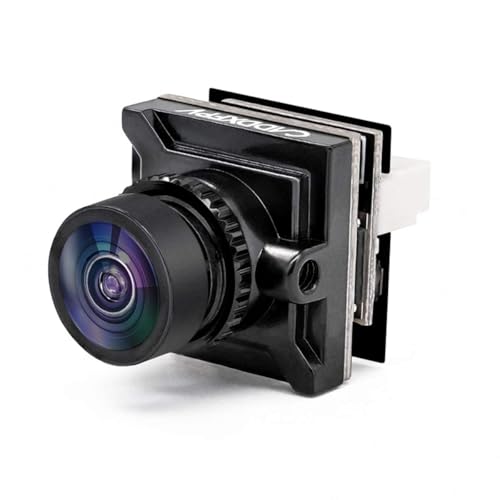
The Caddx Ratel 2 is a compact FPV camera designed for drone racing and aerial filming. It tackles the challenge of capturing sharp images while keeping the drone light and agile. One standout feature is its 1/1.8 inch starlight sensor, which provides crisp visuals even in low-light conditions.
Using this camera feels straightforward and reassuring. Its wide 165-degree field of view helps maintain situational awareness, and the lightweight design means it doesn’t weigh down the drone. I found it easy to install, and it performs steadily in various lighting environments.
Practical View on Daily Use
- Delivers clear images with low latency for smooth FPV flying.
- Handles night flights well thanks to its super starlight sensor.
- Wide field of view improves navigation and obstacle awareness.
- Compact size fits most standard drone frames with ease.
- Switchable PAL/NTSC formats accommodate different setups.
- Lightweight at only 3 grams, maintaining drone agility.
Thoughtful Considerations
- May require manual switching between aspect ratios and video formats.
- Some users might prefer higher resolution cameras for cinematic footage.
- Limited weight margin means adding accessories could impact performance.
Who Will Benefit Most and Who May Look Elsewhere
This camera suits FPV racers and drone hobbyists who prioritize lightweight gear and solid performance in low light. Its compactness and versatile video formats make it a good fit for varied flying conditions.
If you need ultra-high resolution or advanced cinematic features, this model might feel basic. Also, those wanting plug-and-play simplicity without format adjustments might find it less convenient.
Considerations Before You Buy
If you fly in diverse lighting and want a dependable, lightweight FPV camera, the Caddx Ratel 2 is a solid choice. It’s best for users comfortable with some manual setup for format and aspect ratio switching.
Those looking for a straightforward, high-resolution camera with fewer manual options might want to explore other models. A practical tip: confirm your drone frame size matches the camera’s compact dimensions to avoid fitting issues.
Overall, it offers consistent image quality and good night vision, supporting confident flying without adding unnecessary weight.
Readytosky Mini Fpv Camera
The Best Lightweight Fpv Camera for drone hobbyists seeking clear visuals without added bulk.

Real-World Use Insights
- Compact size makes it easy to mount on various drone models.
- Switchable NTSC/PAL mode offers compatibility with many FPV setups.
- Low power consumption helps extend drone flight time.
- Starlight HDR sensor performs well even in low light conditions.
- Lightweight design barely adds to drone weight, maintaining agility.
Considerations Before Buying
- Minimal built-in features; external OSD required for advanced controls.
- Limited to 16:9 aspect ratio, which may not suit all display preferences.
- Does not include mounting hardware, so additional parts may be needed.
Thoughts on the Readytosky Mini FPV Camera
This camera is a solid choice for those who prioritize lightweight gear without sacrificing image quality. Its 2000TVL resolution and Starlight sensor deliver clear footage, especially helpful when flying in varied lighting. The small size and low power draw make it easy to integrate into most FPV drones without affecting performance.
On the downside, it requires an external OSD for settings adjustments, which might be a drawback for beginners expecting an all-in-one solution. Still, for users who want straightforward, reliable video capture, this camera fits well.
Who Will Find This Useful?
If you fly lightweight drones and want a compact camera that produces crisp images even in dim conditions, this model works well. Its ease of installation and compatibility with common FPV systems make it practical for hobbyists focused on flight time and video clarity.
However, if you need advanced on-screen controls or prefer a camera with built-in mounting accessories, this might feel incomplete. Also, users looking for broader aspect ratio options might want to consider alternatives.
- Ideal for drone pilots valuing minimal weight and decent video quality.
- Good fit for those comfortable adding an external OSD module.
- Less suitable for beginners wanting plug-and-play convenience.
Practical Advice for Prospective Buyers
Consider your drone’s mounting options and whether you have or plan to add an OSD system for full control. This camera’s strength lies in its simplicity and efficiency rather than advanced features. If those match your flying style, this camera offers dependable performance without unnecessary bulk.
Meivifpv Ultra-light Fpv Camera
The Best Lightweight Fpv Camera for drone pilots who need clear visuals without added weight.

What to Expect in Flight
- Weighs just 2 grams, adding almost no extra load to your drone.
- Wide 165° field of view helps capture broad scenes during fast maneuvers.
- Global WDR technology maintains image clarity in varied lighting conditions.
- Compact 14x14mm size fits easily on micro and cinewhoop drones.
- Switchable PAL/NTSC modes provide compatibility with many FPV systems.
Considerations Before Buying
- Limited to analog FPV systems, not suitable for digital HD setups.
- No built-in recording; requires external devices to capture footage.
- Image resolution is good for FPV but not for high-definition photography.
Thoughts on the MEIVIFPV FPV Camera
This camera is designed for those who want a minimal weight impact without sacrificing essential FPV clarity. The 1/3” CMOS sensor and 1200TVL resolution deliver crisp images that help pilots maintain orientation and precision.
In use, the camera feels reliable and steady, especially in bright or mixed lighting thanks to the WDR feature. Its tiny size and light weight make installation straightforward on small racing drones. However, it’s best paired with an analog video setup, which some users may find limiting if they prefer HD systems.
Who This Camera Suits Best
This model is ideal for FPV drone pilots focused on racing or cinewhoop flying who need a lightweight, dependable camera that fits tight spaces. Its wide field of view and enhanced imaging tech support confident control and better situational awareness.
Those seeking high-definition or digital video capture might find this camera less fitting, as it targets analog FPV use and requires separate recording gear. Additionally, if you want integrated features like onboard DVR, this won’t meet those needs.
- Great for micro and tinywhoop drone builds
- Perfect for analog FPV enthusiasts
- Not recommended for digital HD drone systems
- Ideal if weight is a critical concern
Final Thoughts on Choosing This FPV Camera
If your priority is a lightweight, compact FPV camera that performs well in diverse lighting conditions, this MEIVIFPV model fits that niche nicely. It is best for pilots who want reliable visuals without extra bulk on their drones.
On the other hand, if you need HD quality or integrated recording, you might want to consider other options. A practical tip is to pair this camera with a solid analog video transmitter to maximize its performance. Overall, it offers consistent clarity and ease of installation that many FPV users will appreciate.
Choosing The Right Lightweight Fpv Camera For Your Needs
Focus on what you will use the camera for—racing drones, RC cars, or planes. Consider the weight carefully, as it affects flight time and handling. Pay attention to the field of view and resolution to match your preferred video quality. Check if the camera supports the video system your FPV gear uses (PAL or NTSC). Most people miss checking the transmitter power options, which impacts signal range and interference. Compact size is essential, but ensure it fits your drone or vehicle frame. Simplicity in installation can save time and frustration later.
The 30-second Checklist For Lightweight Fpv Cameras
- Does it fit easily on your drone or RC vehicle?
- Is the camera weight low enough to avoid affecting flight performance?
- Can you switch between PAL and NTSC if needed?
- Does it have an integrated or compatible transmitter?
- Is the field of view wide enough for your flying style?
- Will the camera connect smoothly to your existing FPV goggles or monitor?
Common Regrets And How To Avoid Them
Regret #1: Buying a camera too heavy for your drone. Choose models that clearly state their weight and compare it with your drone’s payload capacity to prevent sluggish flight.
Regret #2: Overlooking compatibility with your FPV system. Always confirm if the camera supports your preferred video format and transmitter channels before purchasing.
Regret #3: Ignoring ease of installation. Opt for cameras with simple connectors or included mounting brackets to avoid complicated setups that waste time and effort.
Quick Reference Table For Best Lightweight Fpv Camera Choices
| If you want… | Look for this | Avoid this |
|---|---|---|
| Longest flight time | Camera weighing under 0.1 pounds | Heavy cameras above 0.15 pounds |
| Easy setup | Integrated transmitter and OSD features | Separate bulky transmitters with complex wiring |
| Wide field of view | FOV 160° or higher | Narrow lens cameras below 120° FOV |
| Low-light or night flying | Cameras with global WDR or starlight sensors | Standard sensors without low-light support |
| Compatibility with multiple drones | Standard 14x14mm or 19x19mm sizes | Uncommon sizes without mounting options |
Practical Tips For Using Your Lightweight Fpv Camera
- Secure the camera firmly using the correct mount size to prevent vibrations affecting video quality.
- Check video transmitter power settings to balance range and battery life effectively.
- Use the OSD feature to monitor flight data without extra equipment.
- Test camera orientation before flight to ensure optimal field of view.
- Keep lenses clean and protected with lens hoods to reduce glare and damage.
Best Lightweight Fpv Camera Faqs
Will this camera work with my existing FPV goggles?
Most lightweight FPV cameras transmit standard analog signals compatible with common FPV goggles. Verify the transmission frequency and channel compatibility to be sure.
How important is the camera weight for FPV drones?
Weight directly affects flight performance and battery life. Lighter cameras help maintain agility and longer flight times.
Can I switch between NTSC and PAL video systems?
Many FPV cameras offer switchable NTSC and PAL modes, allowing compatibility with different regions and equipment.
Are these cameras durable enough for racing or outdoor use?
Quality lightweight FPV cameras often feature dust-proof and short-circuit protection designs, but avoid impacts and water exposure for best longevity.
How do I maintain the camera for consistent performance?
Regularly clean the lens and check connections. Avoid moisture and extreme temperatures to keep image quality stable.
Can I use these cameras on RC cars or boats?
Yes, many lightweight FPV cameras are versatile and can be mounted on various RC vehicles beyond drones.
Is noise from the transmitter noticeable during flight?
Transmitters in lightweight FPV cameras are usually quiet. Any sound is minimal and typically does not interfere with the flying experience.
Final Thoughts On Selecting The Best Lightweight Fpv Camera
Choosing the right lightweight FPV camera comes down to balancing weight, compatibility, and features that suit your specific flying needs. Consider your drone’s size and power limits before making a decision.
If you are unsure, a good tie-breaker is to prioritize cameras that offer easy installation and wide compatibility with your existing FPV gear. This approach reduces hassle and helps ensure a smooth flying experience.