Birdwatching, also known as birding, is a window into the natural world that draws millions of people worldwide. Whether you are a weekend explorer or a seasoned naturalist, observing birds in their natural habitat brings joy, relaxation, and a sense of discovery.
But, just like any adventure, having the right tools can transform an ordinary outing into a truly memorable experience. The world of birdwatching tools is vast—binoculars, field guides, and more—but choosing and using them wisely can make all the difference.
Let’s explore the essential tools for birdwatching, how they work, and how to choose what fits your needs best.
Binoculars: The Essential Birdwatching Tool
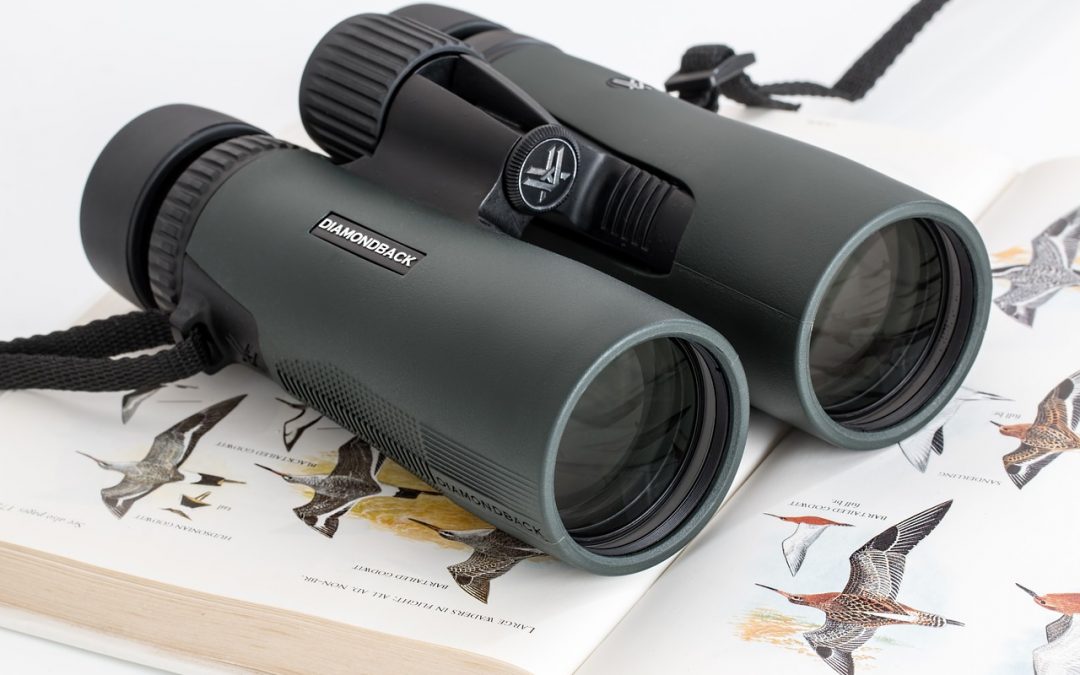
Binoculars are often the first thing people think of when discussing birdwatching. They bring distant birds into clear view, revealing colors and details you would miss with the naked eye. But not all binoculars are equal, and selecting the right pair involves understanding a few basics.
What Makes A Good Birdwatching Binocular?
Look for binoculars with specifications like 8×42 or 10×42. The first number is magnification (how close birds appear), and the second is the diameter of the front lens (in millimeters). An 8×42 model, for example, means birds appear eight times closer, and the 42mm lens lets in enough light for bright, clear images. Birders often prefer 8×42 because they offer a wide field of view, making it easier to spot and follow birds in flight.
Key features to consider:
- Weight and comfort: Lightweight binoculars are best for long walks.
- Waterproofing: Essential for rainy or humid conditions.
- Lens coating: Multi-coated lenses produce brighter images and reduce glare.
- Focus wheel: A smooth, fast-focus wheel helps you quickly bring birds into sharp view.
Top Binocular Brands For Birdwatching
Some trusted names in the birding community include Nikon, Zeiss, Swarovski, and Vortex. Prices range from under $100 to several thousand dollars, but even entry-level models from reputable brands can offer excellent clarity for beginners.
How Binoculars Improve The Experience
With binoculars, you can see subtle color patterns, feather textures, and even behavioral details, such as feeding or courtship rituals. Many rare or shy birds stay hidden or far away—binoculars make these moments accessible.
Spotting Scopes: For Distant And Detailed Viewing
While binoculars are ideal for general use, spotting scopes take birdwatching to the next level. These are small telescopes, often used with a tripod, designed to view birds at great distances, such as across lakes, wetlands, or open fields.
When To Use A Spotting Scope
Spotting scopes are perfect for:
- Observing waterbirds, raptors, or shorebirds that stay far from trails.
- Watching nesting sites without disturbing the birds.
- Digiscoping—attaching a camera or smartphone to the scope to take long-range photos.
Choosing A Spotting Scope
Important features:
- Magnification: Most scopes offer 20x to 60x zoom.
- Objective lens size: Larger lenses (60-80mm) gather more light for brighter images.
- Tripod: A sturdy tripod is critical for steady views at high magnification.
- Eyepiece: Angled eyepieces are popular for comfort, especially when looking up at birds in trees.
Spotting scopes are heavier and less portable than binoculars but open up a new level of detail and enjoyment for serious birders.
Field Guides: Identifying Birds With Confidence
One of the joys of birdwatching is learning to identify what you see. Field guides are books or digital apps filled with illustrations, range maps, and details about birds’ calls, habitats, and behaviors.
Types Of Field Guides
- Printed field guides: Classic and reliable, with detailed paintings or photos. Examples include the Sibley Guide or Peterson Field Guide.
- Mobile apps: Apps like Merlin Bird ID or iBird offer instant identification, sounds, and even smart search features.
What To Look For In A Field Guide
- Regional coverage: Choose a guide focused on your country or region.
- Clear illustrations/photos: Good guides show birds in different plumages (male, female, juvenile, breeding, non-breeding).
- Range maps: Help you know if a species is likely in your area during a given season.
- Size and weight: Pocket-sized guides are handy in the field.
Using Field Guides Effectively
Start by noting the bird’s size, shape, color patterns, and behavior. Use the field guide to narrow down possibilities, paying attention to similar species. Over time, you’ll learn common birds by sight and sound.
Notebooks And Checklists: Recording Your Observations
Birdwatchers love to keep track of what they see. Notebooks and checklists help you remember locations, dates, weather, and species spotted. This practice not only builds your skills but also contributes to citizen science projects.
What To Record
- Date, time, and location
- Weather conditions
- Bird species, number of individuals
- Behavior notes (feeding, singing, nesting)
- Any unusual observations
Digital Vs. Paper
Some birders prefer traditional notebooks, while others use apps like eBird for fast digital recording and sharing with the global birding community. eBird, for example, stores your lists, creates maps of your sightings, and even helps with local bird alerts.
Why Record Keeping Matters
Your notes become a personal birding diary. Over time, they show migration patterns, population changes, and which habitats attract the most species.
Cameras And Digiscoping: Capturing Birds On Film
Bird photography is a growing part of birdwatching. Cameras—from smartphones to DSLRs—let you capture memories and study birds more closely at home. Many birders also use digiscoping, attaching a camera or phone to a spotting scope for high-magnification photos.
Camera Types For Birding
- DSLRs/Mirrorless cameras: Best for high-quality images and action shots. Popular brands include Canon and Nikon.
- Superzoom cameras: Bridge cameras with powerful built-in zooms are lighter and more affordable.
- Smartphones: Convenient for quick photos or when digiscoping.
Tips For Bird Photography
- Use a fast shutter speed to freeze motion.
- Focus on the bird’s eye for sharp results.
- Practice patience—birds move quickly and unpredictably.
Digiscoping Insights
Digiscoping offers extreme close-up photos but requires practice to align the camera and scope. Invest in proper adapters for the best results.
Clothing And Gear: Comfort And Protection Outdoors
Being prepared for the outdoors is part of successful birdwatching. The right clothing and gear keeps you comfortable, safe, and focused on the birds—not the weather or biting insects.
Clothing Essentials
- Neutral colors: Earth tones help you blend into the environment and avoid startling birds.
- Weatherproof layers: A good rain jacket, hat, and gloves help in changing weather.
- Sturdy shoes: Waterproof hiking boots protect your feet on wet or rough trails.
Accessories
- Backpack: Carries water, snacks, extra layers, and your birding tools.
- Sunscreen and insect repellent: Essential for long outings, especially in summer.
- Hat and sunglasses: Protect against sun and glare.
Non-obvious Tip
Always check for local regulations about clothing, especially in sensitive wildlife areas—bright colors or reflective gear may be discouraged.
Birding Apps And Digital Tools
Smartphones have revolutionized birdwatching. Today, a wide range of apps and digital tools put field guides, calls, checklists, and maps in your pocket.
Popular Birding Apps
- Merlin Bird ID: Uses photos or answers to questions to help identify birds.
- EBird: Lets you record sightings and find recent bird activity nearby.
- Audubon Bird Guide: Combines ID help, calls, and a field notebook.
- IBird Pro: Offers detailed illustrations, range maps, and song recordings.
What Makes A Good Birding App
- Offline access: Useful in remote areas without cell signal.
- Audio playback: Play bird calls for learning (but use playback ethically).
- User-friendly interface: Easy to navigate in the field.
Non-obvious Insight
Some parks and reserves have their own custom apps with trail maps, bird checklists, and seasonal updates—check before you visit.
Bird Feeders, Baths, And Nest Boxes: Bringing Birds Closer
Not all birdwatching happens in the wild. You can attract birds to your backyard with feeders, baths, and nest boxes, turning your home into a mini nature reserve.
Types Of Feeders And Their Uses
- Tube feeders: Great for small birds like chickadees and finches.
- Platform feeders: Attract a wide range of species.
- Suet feeders: Provide energy-rich food for woodpeckers and nuthatches.
Bird Baths
A reliable water source draws birds for drinking and bathing, especially in dry areas. Keep the water clean and shallow (2-3 inches deep).
Nest Boxes
Installing nest boxes supports species like bluebirds, wrens, or owls. Use boxes sized and placed according to the target bird’s needs.
Practical Example
A simple tube feeder filled with black oil sunflower seeds can bring up to 20 different species to a suburban garden in North America.
Bird Call Recorders And Playback Devices
Birds are often heard before they are seen. Audio recorders help you capture songs and calls for later study, while playback devices can be used carefully to attract birds (but with strong ethical considerations).
Recording Bird Calls
Small handheld recorders or high-quality smartphone microphones are useful for:
- Documenting rare or unknown calls.
- Improving your identification skills by listening at home.
Playback: Use With Caution
Playing recorded calls to attract birds is controversial and sometimes banned in reserves. It can disturb breeding birds or disrupt territory. Always check local rules and use playback sparingly and responsibly.
Ethical Tip
If using playback, avoid nesting seasons, keep volume low, and limit the duration to avoid stressing birds.
Optics Accessories: Enhancing Your Viewing Experience
To get the most out of binoculars and scopes, birders use various optics accessories.
Useful Accessories
- Lens cleaning kits: Dust, rain, or fingerprints can blur your view. Keep lenses clean with proper brushes and cloths.
- Harnesses and straps: Distribute weight more evenly than neck straps, reducing fatigue.
- Rain guards and eyecups: Protect lenses from weather and improve comfort.
Non-obvious Insight
A simple “shoulder harness” can make a heavy pair of binoculars feel weightless during all-day birding.

Tripods And Mounts
A tripod is essential for using spotting scopes and very useful for bird photography. It provides a steady platform for clear viewing and sharp images.
Choosing A Tripod
- Weight: Carbon fiber models are light but more expensive.
- Height: Should reach your eye level without fully extending the center column.
- Head type: Pan-tilt heads allow smooth movement for following birds.
Mounts For Cameras And Phones
Adapters connect your phone or camera to a scope for digiscoping. Look for secure, adjustable mounts that fit your devices.
Birding Maps And Navigation Aids
Finding the best birding spots often requires good maps and navigation tools.
Types Of Navigation Tools
- Paper maps: Reliable when batteries die or signals drop.
- GPS devices: Useful for remote areas or tracking your path.
- Digital maps: Apps like Google Maps or AllTrails show trails and hotspots.
Practical Example
Many birders use eBird’s hotspot maps to plan outings and discover new places based on recent sightings.
Weather Tools: Planning For Success
Weather can make or break a birdwatching trip. Smart birders use weather apps and tools to plan and adjust their outings.
Weather Apps
- Weather Underground and AccuWeather give hour-by-hour forecasts.
- Windy shows wind speed and direction—important for migration days.
Barometers And Wind Meters
Handheld meters are useful for serious birders, helping predict migration “fallouts” when large numbers of birds land due to weather changes.
Comparison Of Key Birdwatching Tools
To help you see how major tools compare, here’s a quick overview:
| Tool | Main Use | Best For | Portability | Typical Price |
|---|---|---|---|---|
| Binoculars | Viewing birds at moderate distance | All birders | High | $100–$1,000+ |
| Spotting Scope | Distant, detailed observation | Advanced birders | Medium | $300–$3,000+ |
| Field Guide | Identifying birds | All birders | High | $10–$40 (book/app) |
| Camera | Photography | Bird photographers | Medium | $200–$2,000+ |
Typical Birdwatching Kit: What’s In The Bag?
Here’s a look at what a typical birdwatcher might carry for a half-day outing:
| Item | Purpose |
|---|---|
| Binoculars (8×42) | Spotting and identifying birds |
| Pocket field guide | Quick reference for identification |
| Notebook & pen | Recording sightings |
| Smartphone with birding app | Digital ID, checklists, photos |
| Water bottle & snack | Staying hydrated and energized |
| Weather-appropriate clothing | Comfort and protection outdoors |
Common Beginner Mistakes With Birdwatching Tools
Starting out in birdwatching is exciting, but some common mistakes can make it less enjoyable:
- Choosing the wrong binoculars: Too high magnification (like 12x or more) makes it hard to keep birds in view and results in a shaky image.
- Not practicing with tools: Learning to focus binoculars or use a field guide takes practice—try at home before heading out.
- Ignoring comfort: Heavy gear, poor shoes, or missing weather protection can end a trip early.
- Over-relying on apps: Digital tools are great, but batteries can fail. Always have a backup, like a paper guide or map.
- Disturbing birds with playback: Using recorded calls too often can stress birds and harm their natural behavior.
Real-world Example: How Tools Transform A Birding Day
Imagine you visit a wetland reserve on a spring morning. With binoculars, you spot a flock of shorebirds across the water. A spotting scope reveals that some are Black-necked Stilts, while others are rarer American Avocets. Using your field guide, you confirm the ID based on leg color and bill shape. You record the sighting in your notebook and snap a digiscoped photo for later. At home, you upload your checklist to eBird, helping scientists track migration. Each tool played a unique role in making your day richer and more rewarding.
The Importance Of Ethics And Respect
Birdwatching is not just about seeing more birds—it’s about respecting wildlife and habitats. Always follow ethical guidelines:
- Keep a safe distance; never disturb nests or feeding birds.
- Stay on trails to protect sensitive plants and soil.
- Use audio playback sparingly and only where allowed.
- Share sightings, but avoid revealing locations of rare nesting birds online.
For a deeper look at birdwatching ethics, visit the National Audubon Society.
Frequently Asked Questions
What Are The Best Binoculars For Beginner Birdwatchers?
For most beginners, 8×42 binoculars offer a balance of power, brightness, and field of view. Brands like Nikon and Vortex have affordable, high-quality options. Try different models in a store to see what feels comfortable in your hands and eyes.
Do I Need A Spotting Scope, Or Are Binoculars Enough?
For most birders, binoculars are enough. But if you want to watch distant birds like waterfowl, raptors, or shorebirds, a spotting scope reveals more detail. Scopes are best for birding in open landscapes or when you want to try digiscoping.
Can Smartphones Replace Field Guides And Notebooks?
Smartphones can do a lot—ID apps, bird calls, checklists, and maps. However, batteries can die, and screens can be hard to read in bright sun. Many birders carry a small printed field guide and notebook as backup, especially in remote areas.
How Do I Attract More Birds To My Backyard?
Provide food, water, and shelter. Use a variety of feeders (tube, platform, suet) and keep them clean. Add a bird bath for drinking and bathing. Plant native trees and shrubs for natural shelter and insect food. Avoid pesticides and keep cats indoors.
Is It Ethical To Use Bird Call Playback In The Field?
Playback can disturb birds, especially during nesting season. Many parks ban it. If you use it, keep volume low, use it rarely, and stop if birds appear stressed. Always put the birds’ welfare first.
Birdwatching is a rewarding hobby where the right tools open new worlds. Whether you’re in a backyard or deep in the wild, your kit—binoculars, guides, and a sense of wonder—makes every outing a new adventure. With respect for birds and nature, your skills and enjoyment will grow for years to come.