
Every year, millions of birds move across continents, flying thousands of kilometers between their breeding and wintering homes. This incredible journey has fascinated people for centuries. These travelers are called migratory birds, and their lives are full of challenges, secrets, and wonders. But what exactly are migratory birds, why do they travel such long distances, and what makes them unique? Understanding migratory birds is not just about watching flocks in the sky—it’s about uncovering how nature connects the world and why these connections matter for everyone, not just bird lovers.
What Are Migratory Birds?
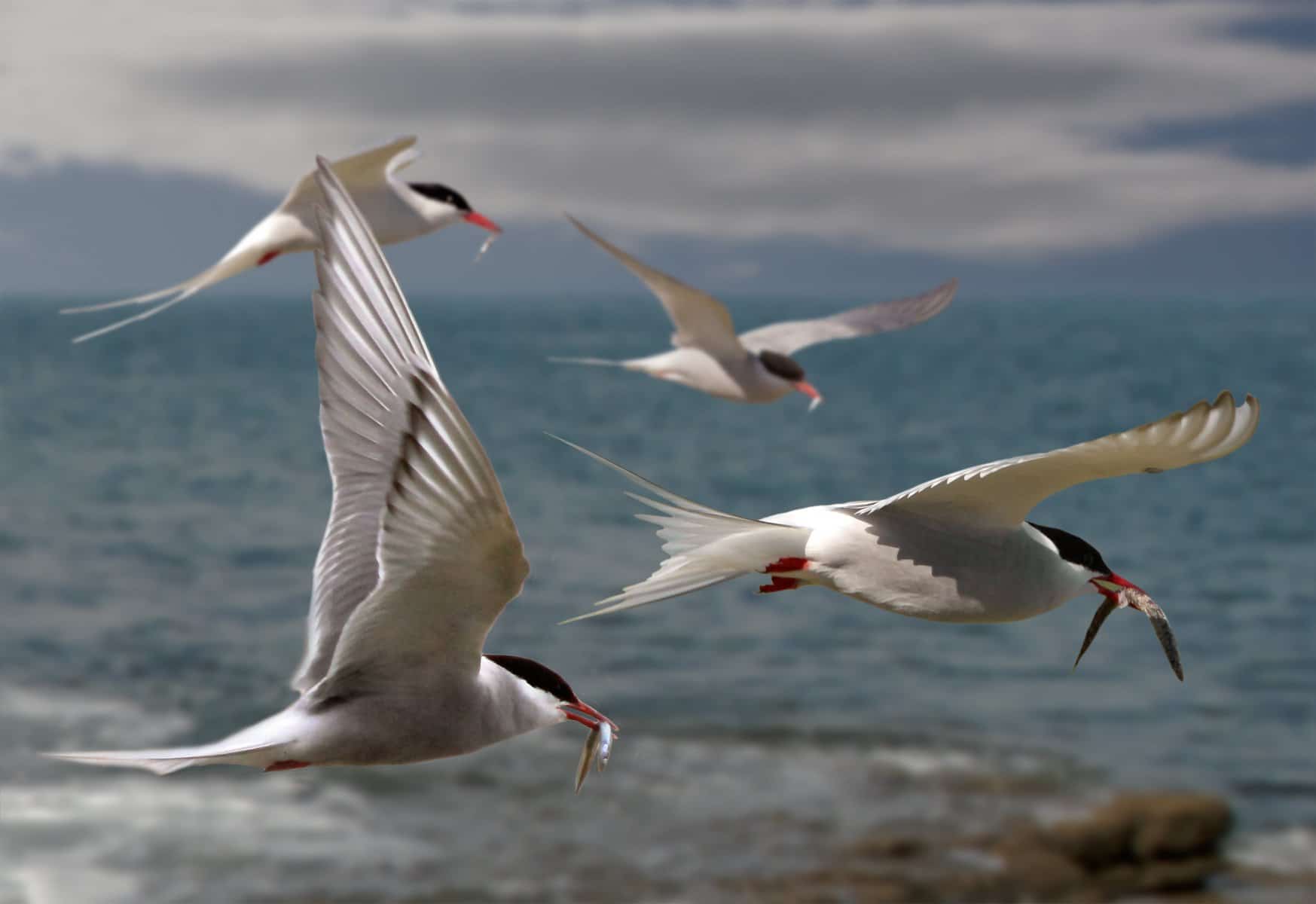
Migratory birds are bird species that regularly travel between different regions during certain seasons, usually for breeding and feeding. These migrations can range from short distances within a country to epic journeys across continents and oceans. For example, the tiny Arctic Tern can travel up to 70,000 kilometers each year—making it one of the greatest travelers in the animal kingdom.
The migration usually happens twice a year. Birds fly from their breeding grounds (where they raise their young) to their wintering grounds (where they find food and warmer weather). This movement is not random; it’s a survival strategy shaped by millions of years of evolution.
Why Do Birds Migrate?
Birds migrate mainly to find food and suitable breeding conditions. In cold regions, winter brings snow and ice, making it hard for birds to find insects, seeds, or water. By moving to warmer areas, birds can survive and even thrive during months that would be deadly if they stayed.
Some birds also migrate to avoid predators or diseases, or to find better places to nest. For example, the Swallow leaves Europe’s autumn to spend the winter in Africa, where insects are still plentiful.
Key Reasons For Bird Migration
- Food availability: Changing seasons mean that food sources move or disappear. Birds follow the food.
- Breeding opportunities: Some regions are safer or richer in resources for raising chicks.
- Climate: Birds escape harsh weather by moving to milder climates.
- Predator avoidance: New regions may have fewer enemies.
- Avoiding competition: Migrating helps birds avoid fighting over limited resources.
Types Of Bird Migration
Bird migration is not the same for all species. Scientists group migration into several types, depending on distance, pattern, and timing.
Short-distance Migration
Some birds, like the American Robin, move only a few hundred kilometers. They might fly from northern forests to southern states in the winter, then return in spring.
Long-distance Migration
These journeys can cover thousands of kilometers, crossing continents and even oceans. Bar-tailed Godwits fly nonstop from Alaska to New Zealand—a flight of over 11,000 kilometers.
Altitudinal Migration
Certain birds, especially in mountainous regions, move up and down mountains rather than north-south. For example, Himalayan Monals go to lower valleys in winter.
Partial Migration
Not all birds in a species migrate. In partial migration, some individuals stay while others leave, depending on age, sex, or weather.
Loop Migration
Some birds take a different route when going and coming back. This “loop” pattern helps them use wind patterns or food sources.
Irruptive Migration
In some years, certain birds travel much farther than usual, often because of sudden changes in food supply. Snowy Owls are famous for this.
How Do Birds Know When And Where To Migrate?
Bird migration is one of nature’s greatest mysteries. Birds don’t have maps or GPS, yet they find their way across the world with stunning accuracy.
Nature’s Signals
Birds use many natural cues:
- Day length: As days get shorter or longer, birds sense it’s time to move.
- Weather: Temperature drops or changes in wind can trigger migration.
- Food: Less food tells birds to leave.
Navigation Tools
Birds have special abilities to help them navigate:
- Sun and stars: Many birds use the sun during the day and stars at night to set their course.
- Earth’s magnetic field: Birds have a kind of “magnetic sense” that works like a compass.
- Landmarks: Mountains, rivers, and coastlines help birds know where they are.
- Smell: Some birds can even use scent cues, especially close to home.
A surprising fact is that young birds often migrate alone or in groups, without older birds showing the way. The directions are built into their instincts.
Amazing Examples Of Migratory Birds
Some migratory birds are famous for their journeys or special skills. Here are a few outstanding examples:
- Arctic Tern: Travels from the Arctic to the Antarctic and back every year—about 70,000 km.
- Bar-headed Goose: Flies over the Himalayas at altitudes up to 9,000 meters.
- Swallow: Flies from Europe to Africa and back, using landmarks and magnetic fields.
- Barnacle Goose: Breeds in the Arctic, winters in northern Europe.
- Ruby-throated Hummingbird: Crosses the Gulf of Mexico in a single nonstop flight.
- Blackpoll Warbler: Migrates from Alaska to South America, crossing the Atlantic.
- Sandhill Crane: Moves in huge flocks from Canada to the southern US and Mexico.
- White Stork: Travels from Europe to Africa, using thermal air currents.
- Common Cuckoo: Breeds in Europe, winters in Africa, and is known for its unique call.
- Snow Goose: Migrates between Arctic Canada and the southern United States.
Migration Routes: Flyways Of The World
Birds do not fly just anywhere—they follow special migration routes called flyways. These are like invisible highways in the sky, often shaped by geography, food, and safe resting places.
Major World Flyways
- East Atlantic Flyway: From northern Europe to southern Africa.
- Central Asian Flyway: From Siberia through India to the Indian Ocean.
- East Asian–Australasian Flyway: From Russia and Alaska to Australia and New Zealand.
- Pacific Americas Flyway: Along the west coast of the Americas.
- Mississippi Flyway: From Canada down the central US to the Gulf of Mexico.
These routes are critical for birds, but also for people who watch, study, or protect them.
Challenges Faced By Migratory Birds
Migration is dangerous. Many birds do not survive the journey. Understanding these dangers helps us see why protecting migratory birds is so important.
Major Threats
- Habitat loss: Wetlands, forests, and grasslands are being destroyed by farming, cities, and industry. Birds lose places to rest, feed, or nest.
- Climate change: Warmer temperatures can shift food supplies, making it harder for birds to find what they need.
- Light pollution: City lights confuse birds, leading them off course.
- Hunting and poaching: In some regions, birds are hunted for food or sport.
- Collisions: Birds crash into windows, power lines, and wind turbines.
- Pollution: Chemicals in water and soil harm birds’ health.
Survival Rates
Only a small fraction of migratory birds survive their first year. For example, less than 50% of young songbirds make it back to their breeding grounds.
Non-obvious Insight
Many people don’t realize that timing is critical. If a bird arrives too early, there may be no food or nesting spots. If too late, competitors may take the best places, or bad weather may hit.
How Scientists Study Bird Migration
Modern science uses many tools to unlock the secrets of migration.
Bird Banding
Birds are caught and fitted with tiny bands on their legs. If the bird is found later, scientists can see where it traveled.
Satellite Tracking
Tiny transmitters are attached to birds, sending signals to satellites. This helps track long-distance journeys in real time.
Radar And Drones
Radars can spot flocks moving at night or in bad weather. Drones offer close-up views in hard-to-reach places.
Genetic Studies
Studying bird DNA helps scientists figure out where birds come from and how they are related.
Citizen Science
Birdwatchers play a big role. By reporting sightings, they help scientists map migration patterns.
Example Of Data Tracking
Here’s a simple comparison of tracking methods:
| Method | What it Tracks | Strength | Weakness |
|---|---|---|---|
| Banding | Location when recaptured | Cheap, long history | Depends on recapture |
| Satellite Tracking | Real-time movement | Accurate, global | Expensive, heavy for small birds |
| Radar | Flock movement | Non-invasive, covers large areas | Does not track individuals |
Ecological Importance Of Migratory Birds
Migratory birds are not just beautiful to watch—they are a vital part of nature.
Pollination And Seed Dispersal
Birds like sunbirds and hummingbirds help pollinate flowers. Others, like fruit doves, spread seeds, helping forests grow.
Pest Control
Many migratory birds eat insects that damage crops. For example, Swallows can eat thousands of mosquitoes and flies each day.
Indicators Of Environmental Health
Migratory birds are sensitive to changes in their habitats. A decline in their numbers often signals problems in the environment.
Cultural And Economic Value
In many cultures, migratory birds are symbols of hope, freedom, and renewal. Birdwatching also brings tourism money to many regions.
Data Table: Ecological Services By Migratory Birds
| Service | Example Species | Benefit |
|---|---|---|
| Pollination | Hummingbird | Supports fruit and flower production |
| Pest Control | Swallow | Reduces crop pests |
| Seed Dispersal | Thrush | Helps forests regenerate |
Conservation Efforts For Migratory Birds
Because migratory birds cross borders, protecting them is a worldwide job. Many international agreements and local projects help keep birds safe.
Important Agreements
- Convention on Migratory Species (CMS): Countries agree to protect migratory animals.
- African-Eurasian Migratory Waterbird Agreement (AEWA): Focuses on waterbirds across Africa and Europe.
- Migratory Bird Treaty Act (USA): Protects many migratory birds in North America.
Practical Actions
- Protecting wetlands: These are crucial resting and feeding spots.
- Reducing light pollution: Cities are changing lights to be bird-friendly.
- Building safe power lines: To prevent deadly collisions.
- Working with farmers: Encouraging bird-friendly crops and pest control.
Community Involvement
Local people are involved in bird festivals, citizen science, and habitat restoration. Education helps people see why birds matter.
Non-obvious Insight
One thing often missed: protecting a single wetland or forest is not enough. Birds need a chain of safe places along their whole route. If one link breaks, many birds may die.
Interesting Facts About Migratory Birds
- The Sooty Shearwater can fly around the world in one year.
- Some birds use the moon as a guide, especially on cloudy nights.
- The Wandering Albatross can sleep while flying, shutting down one half of its brain at a time.
- Swifts may stay in the air for up to ten months without landing.
How You Can Help Migratory Birds
Even small actions can make a difference:
- Plant native trees and flowers to give birds food and shelter.
- Turn off unnecessary lights at night, especially during migration seasons.
- Support nature reserves and conservation groups.
- Avoid using pesticides and chemicals in your garden.
- Join birdwatching or citizen science projects.
If you want to learn more about bird migration, the Wikipedia page on bird migration gives a deeper look.

Frequently Asked Questions
What Is The Main Difference Between Migratory And Non-migratory Birds?
Migratory birds travel between regions during certain seasons, while non-migratory birds stay in the same area all year. Migration helps birds find food, better climate, or safe breeding spots.
How Do Birds Know Where To Go When They Migrate?
Birds use a mix of sun and star navigation, the Earth’s magnetic field, landmarks, and even smells. Young birds are born with instincts that guide their first journey.
Do All Birds Migrate At The Same Time?
No. Each species has its own migration schedule, often set by day length, weather, and food availability. Some birds migrate in spring, others in autumn, and some have flexible timing.
Can Migratory Birds Get Lost?
Yes, sometimes birds get blown off course by storms, confused by city lights, or face barriers like tall buildings. Most find their way, but not all survive.
Why Should We Care About Migratory Birds?
Migratory birds help control pests, pollinate plants, and move seeds. They also show if our environment is healthy. Losing migratory birds can harm both nature and people.
Final Thoughts
Migratory birds are among the world’s most amazing travelers. Their journeys connect countries and continents, showing how nature’s cycles are linked. But migration is risky—these birds need safe places, clean air and water, and people who care. By understanding and protecting migratory birds, we help keep the planet healthy for everyone. The next time you see a flock in the sky, remember: their story is part of our world’s story, too.