Every morning, the sound of birds singing brings life to our neighborhoods, parks, and forests. These winged creatures play a bigger role in our world than many people realize. Birds help control insects, pollinate flowers, spread seeds, and keep natural systems healthy. Sadly, the number of birds is falling fast all over the planet. Scientists say that since 1970, North America alone has lost nearly 3 billion birds—about one out of every four. This decline is happening in many other regions too.
Today’s Exclusive Deals
Limited-time Exclusive Deals. Check current discount on Amazon.
Check Price on Amazon As an Amazon Associate I earn from qualifying purchases.Why does this matter? When birds disappear, it’s not just their songs we lose. Our food systems, forests, and even air quality can suffer. The good news is that everyone—no matter where you live or how much you know about nature—can do something to help.
Protecting birds is not only a task for scientists or bird lovers. Even small, simple actions can make a real difference. Let’s look at practical ways you, your family, and your community can help protect birds and give them a better future.
Why Are Birds In Danger?
Understanding why birds are struggling is the first step. The main threats to birds come from human activity. Here are the biggest problems:
Today’s Exclusive Deals
Limited-time Exclusive Deals. Check current discount on Amazon.
Check Price on Amazon As an Amazon Associate I earn from qualifying purchases.- Habitat loss: As cities grow and farms spread, many natural places where birds live are destroyed or changed. Wetlands are drained, forests cut down, and grasslands turned into fields or roads.
- Window collisions: Birds often can’t see glass. Each year, up to one billion birds die in North America from hitting windows.
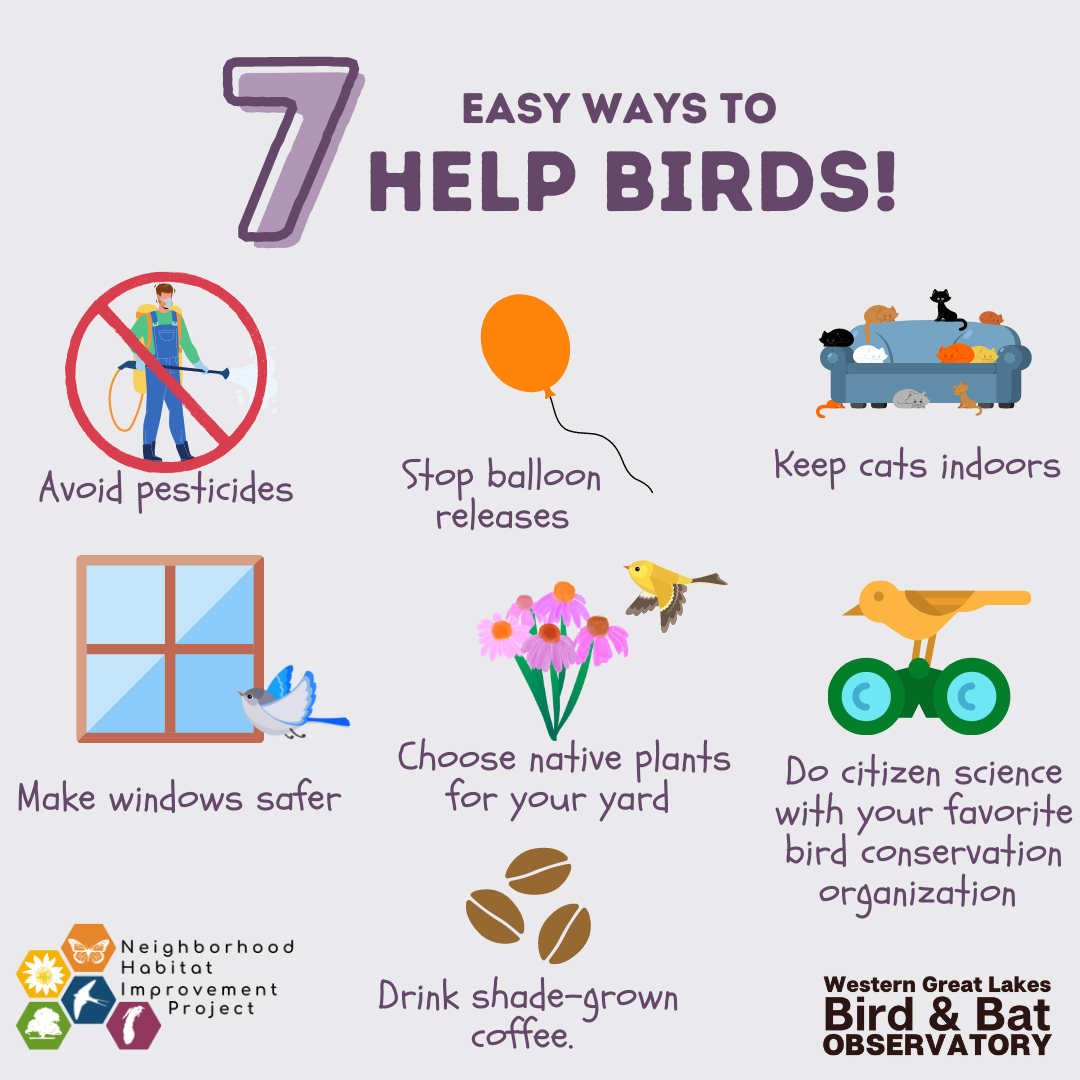
- Pesticides and pollution: Chemicals used on crops, gardens, or lawns can poison birds directly or kill the insects they eat.
- Cats: Outdoor cats are not part of nature. In the U.S. alone, cats kill over 2.4 billion birds each year.
- Climate change: Changing temperatures and weather patterns are moving or shrinking the places where birds can live.
- Illegal hunting and trade: In some areas, birds are caught for food, pets, or their feathers.
Knowing these dangers helps us target our actions for the biggest impact.
Create Bird-friendly Spaces At Home
You don’t need a big yard or lots of money to help birds right outside your door. Here’s how you can make your home a safe and welcoming place for them:
Grow Native Plants
Birds depend on native plants for food and shelter. Native plants support local insects, which are important for many baby birds. Exotic or non-native plants usually don’t provide the same benefits. Try to plant:
- Native trees and shrubs, which give birds places to nest and hide
- Flowering plants that attract pollinators
- Seed or berry-producing bushes for food
Check with your local nursery or online lists to find the best choices for your area.
Today’s Exclusive Deals
Limited-time Exclusive Deals. Check current discount on Amazon.
Check Price on Amazon As an Amazon Associate I earn from qualifying purchases.Reduce Or Avoid Pesticide Use
Pesticides and herbicides can harm birds by killing insects they eat, or by poisoning them directly. Switch to safer, natural methods to control pests, or let nature take its course. Healthy gardens often balance themselves, with birds helping control insects.
Provide Fresh Water
Birds need water for drinking and bathing, especially in hot or dry places. You can help by adding a simple birdbath or shallow dish of water. Change the water every few days to keep it clean and prevent mosquitoes.
Leave Some Mess
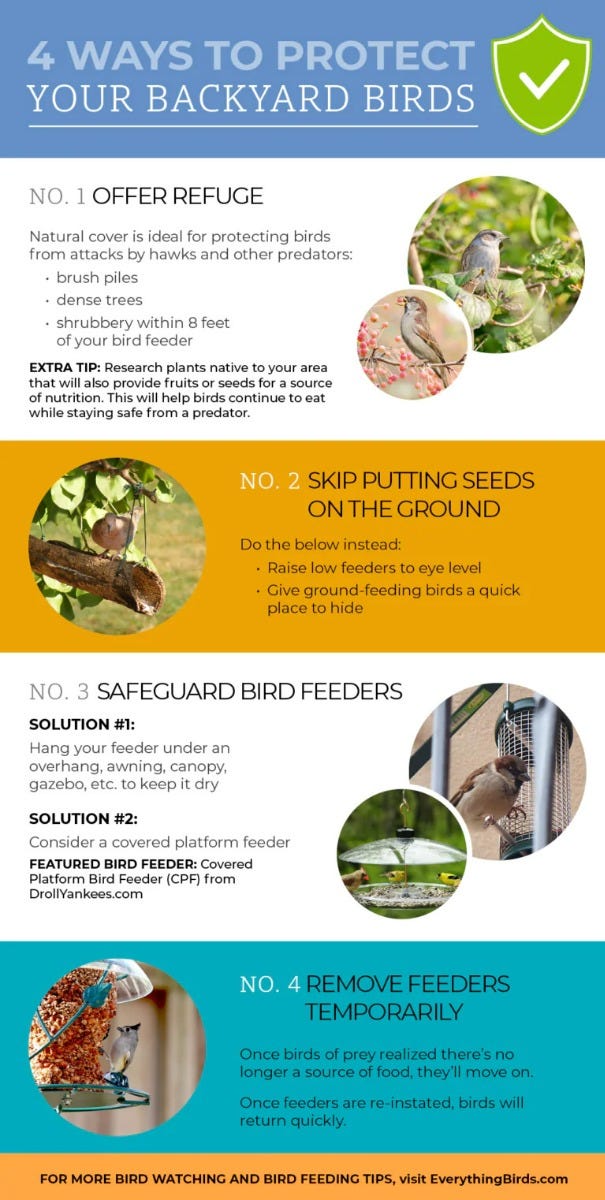
A perfectly neat yard is not always the best for birds. Leave some fallen leaves, dead branches, or brush piles. These give birds insects to eat and places to hide. Even a small corner left wild can help.
Make Windows Safer For Birds
Birds often cannot see glass. Reflections of trees or sky confuse them, and they fly into windows at full speed. You can take simple steps to reduce these deadly crashes:
- Add window decals, stickers, or tape in a pattern spaced no more than 5–10 cm (2–4 inches) apart on the outside of glass.
- Hang lightweight curtains or netting in front of problem windows.
- Move indoor plants away from glass so birds don’t think there’s greenery to land on.
- Use external screens, which break up reflections and cushion impacts.
These changes can make a huge difference, especially during spring and fall migration.
Keep Cats Indoors
Domestic and stray cats are skilled hunters. Even well-fed pets will chase and kill birds. Keeping cats indoors is one of the easiest ways to save bird lives. Indoor cats live longer, healthier lives and are safe from cars, diseases, and fights.
If you want your cat to enjoy the outdoors, try a cat-proof enclosure or walk them on a leash. If there are many stray cats in your area, support local programs to manage cat populations without harming wildlife.
Feed Birds Responsibly
Feeding birds can help them, but it must be done with care. Bad food or dirty feeders can spread disease. Here’s how to do it right:
- Use high-quality seed like black oil sunflower, nyjer (for finches), or suet (for woodpeckers and winter birds).
- Keep feeders clean. Wash them every two weeks with hot water and dry them well.
- Avoid bread, crackers, or spoiled food. These offer little nutrition and can be harmful.
- In areas with bears or rodents, take feeders down at night or when not in use.
Feeding is most helpful in winter or during migration, when natural food can be scarce.
Support Bird Conservation With Your Choices
Everyday choices matter. Many products and actions affect bird habitats far away. Here are practical ways to make a positive difference:
Choose Bird-friendly Coffee And Food
Much of the world’s coffee is grown in ways that destroy bird habitat. Shade-grown coffee protects forests where many migratory birds live in winter. Look for coffee with “Bird Friendly” or “Rainforest Alliance” labels. Buying organic or sustainably grown foods also reduces pesticide use.
Avoid Single-use Plastics
Plastic waste is a big problem for birds. Birds can eat or get tangled in plastic, leading to injury or death. Carry a reusable bag, bottle, and containers. Pick up litter when you see it, especially near water.
Buy Wood And Paper Responsibly
Forests provide homes for many birds. Buy paper, wood, and furniture from companies that use certified sustainable practices. Look for FSC (Forest Stewardship Council) labels.
Reduce Light Pollution
Bright lights at night confuse migrating birds, causing deadly collisions with buildings. Turn off unnecessary outdoor lights, or use motion sensors. Draw curtains at night during migration seasons.
Help Birds Beyond Your Own Backyard
While home actions are powerful, birds need help everywhere. Here’s how you can make a broader impact:
Join Local Conservation Groups
Many cities and regions have bird clubs or conservation organizations. These groups protect habitats, restore nature, and educate the public. Joining or volunteering can multiply your impact.
Participate In Citizen Science
Regular people can help scientists by counting birds and reporting what they see. Projects like the Great Backyard Bird Count or eBird (run by the Cornell Lab of Ornithology) use your sightings to track bird populations worldwide. No experience is needed.
Support Protected Areas
National parks, wildlife refuges, and reserves give birds a safe place to live and migrate. Visit these areas, follow rules, and support policies that keep them safe. Speak up for local parks or wild spaces that are threatened.
Encourage Bird-safe Buildings
If you work in an office or live in an apartment, encourage building owners to use bird-friendly glass or window treatments. Share information about how simple changes can save birds and even reduce energy costs.
Take Action Against Climate Change
Climate change is one of the biggest long-term threats to birds. Rising temperatures, shifting seasons, and extreme weather are moving or shrinking habitats. Some birds cannot adapt fast enough.
You can help by:
- Reducing energy use at home: Use LED bulbs, turn off lights, and unplug devices.
- Choosing renewable energy if possible.
- Using public transport, walking, or biking instead of driving.
- Supporting clean energy policies and leaders who protect the environment.
Even small changes, when many people make them, can reduce the impact of climate change.
Teach Others About Birds
One of the most powerful things you can do is share your love for birds. Teaching friends, family, or children about birds and nature creates new protectors. Here’s how:
- Take people birdwatching in your yard or local park.
- Share interesting facts or stories about birds in your area.
- Join or start a school or community bird club.
- Use social media to highlight local birds and how to help them.
When people understand and care, they are more likely to take action.
Common Mistakes When Trying To Help Birds
People often have good intentions but make mistakes that can harm birds. Here are a few to avoid:
- Offering poor food choices like bread or processed snacks.
- Using pesticides or herbicides near bird feeders or nesting areas.
- Placing birdhouses or feeders where cats can easily reach them.
- Cleaning up all “messy” natural areas—birds need some wild spaces.
- Setting up glass bird feeders or birdbaths without marking windows nearby.
Learning from these mistakes makes your efforts more effective.
Data And Results: How Simple Actions Add Up
Many people wonder if small efforts can really help. The answer is yes. Here are some examples and comparisons:
| Action | Estimated Birds Helped per Year (U.S.) | Impact Level |
|---|---|---|
| Keeping one cat indoors | 14–20 | High |
| Adding window markers to one house | 2–10 | Moderate |
| Planting five native trees | 100+ (over lifetime) | High |
| Reducing outdoor lights during migration | Unknown | Potentially High |
This table shows that even one person, making small changes, can help many birds each year. Imagine the effect if every home joined in.
How Bird Populations Reflect Our World’s Health
Birds are often called “canaries in the coal mine. ” This means they show early warning signs of environmental problems. When bird numbers fall, it often means larger issues with pollution, climate, or land use. By protecting birds, we also protect water, air, and land for ourselves.
Here’s how bird diversity links to ecosystem health:
| Habitat Type | Average Bird Species | Key Benefits to People |
|---|---|---|
| Healthy forest | 50–100+ | Clean air, timber, recreation |
| Wetland | 20–50 | Flood control, water cleaning |
| Urban park (with native plants) | 10–30 | Cooling, pollination, beauty |
| Farmland (with hedges) | 5–25 | Pest control, soil health |
Birds are not just pretty or fun to watch. Their presence signals healthy places for all living things.
Real-world Success Stories
Around the world, people have made real progress by working together for birds. Here are a few examples:
- In New York City, the “Lights Out” campaign asks building owners to turn off lights during bird migration. This simple step has reduced bird deaths by 80% in some buildings.
- In Costa Rica, coffee farms that keep forest shade trees have seen the return of colorful migratory birds, like the Baltimore Oriole.
- In the UK, the return of the Red Kite bird is a success after years of reintroduction and protection. Their numbers are now over 10,000 pairs.
These stories prove that change is possible when people act.
Non-obvious Insights For Helping Birds
Many people focus on obvious actions, but there are less-known ways to help:
- Leave old trees standing: Dead or dying trees provide homes for woodpeckers, owls, and many other birds. If safe to do so, leave some snags in your yard or park.
- Choose quiet landscaping tools: Gas-powered leaf blowers and mowers not only pollute but also disturb nesting birds and their chicks. Use manual or electric tools, or reduce mowing in spring and summer.
- Support local insect populations: Fireflies, butterflies, and beetles are important bird food. Avoid bug zappers and let some wildflowers grow.

How To Get Children Involved
Children are naturally curious about animals. Helping birds can be a fun family activity. Try these ideas:
- Build and decorate simple birdhouses together.
- Keep a bird journal or checklist of species seen in your neighborhood.
- Make pinecone or orange peel feeders with seeds and hang them in a safe place.
- Visit a local nature center to learn more about birds and their habitats.
This creates lasting memories and lifelong nature lovers.
Easy Ways For Apartment Dwellers To Help Birds
You don’t need a garden to make a difference. People in apartments or high-rise buildings can:
- Place window feeders (with window markings for safety).
- Grow native plants in pots on balconies.
- Encourage building management to support “lights out” programs during migration.
- Share information about bird-friendly practices with neighbors.
Even small spaces can help birds survive in the city.
How Your Community Can Help Birds
Birds benefit most when neighborhoods and cities work together. Here’s how communities can act:
- Plant more trees and native gardens in parks and public spaces.
- Set aside “no-mow” areas for ground-nesting birds.
- Organize clean-up events to remove litter from streams and parks.
- Pass local rules that reduce pesticide use or require bird-friendly building designs.
Community action is powerful, creating safe corridors for birds to feed, rest, and nest.
Where To Learn More
There is always more to discover about birds and how to help them. Reliable sources include the Cornell Lab of Ornithology, your local Audubon Society, and the BirdLife International website. These organizations offer free guides, videos, and maps to help you get started.
Frequently Asked Questions
What Is The Biggest Threat To Birds Today?
The biggest threat is habitat loss, mostly caused by expanding cities, farming, and deforestation. This removes the places birds need to feed, nest, and raise their young.
How Can I Help Birds If I Don’t Have A Garden?
You can help by making windows safer, joining local bird counts, growing native plants in pots, reducing plastic use, and supporting bird-friendly products. Sharing information and joining local groups also helps.
Is Feeding Birds In Winter A Good Idea?
Yes, feeding birds in winter can help them survive when natural food is scarce. Use safe, nutritious foods and keep feeders clean to prevent disease.
Why Is It Important To Keep Cats Indoors?
Outdoor cats kill billions of birds every year, even if they are well-fed. Keeping cats indoors protects both birds and cats from harm.
How Does Climate Change Affect Birds?
Climate change shifts where birds can live, changes their migration timing, and can reduce food supplies. Some birds cannot adapt quickly enough, leading to population drops.
Birds are a vital part of our planet’s life and beauty. Protecting them is not hard, but it does take attention and care. By making small changes at home, sharing knowledge, and supporting bigger efforts, we can all play a part.
Every action adds up. With your help, future generations will still wake up to birdsong and enjoy the wonders of the natural world.