
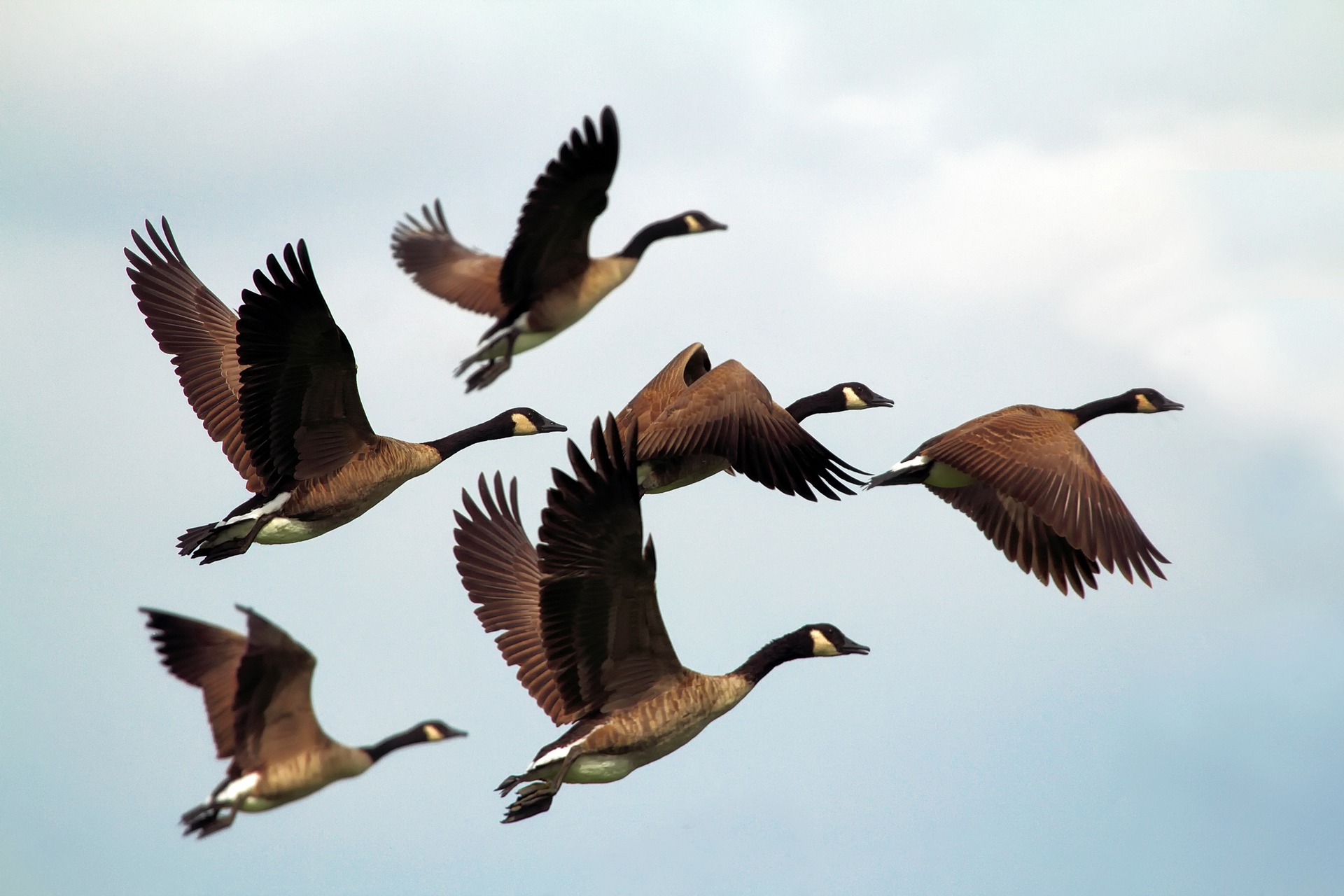
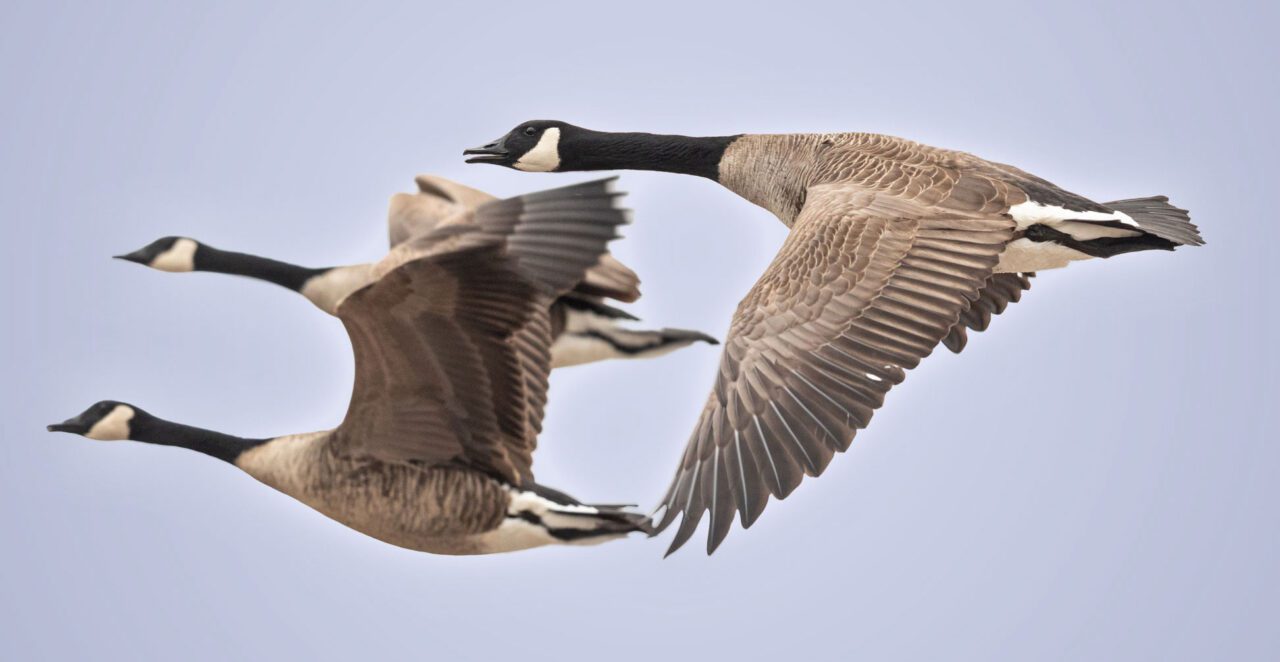
Every year, as the seasons change, millions of birds take to the skies and travel thousands of kilometers across continents and oceans. This spectacular journey, known as bird migration, has fascinated people for centuries. We see flocks flying in V-shaped formations, crossing deserts, mountains, and seas. But why do birds migrate? What pushes them to leave familiar places and face dangers on such long trips? The answer is a combination of survival, food, weather, and instinct. Understanding bird migration helps us appreciate the challenges these creatures face and why their journeys are important for nature and humans alike.

Today’s Exclusive Deals
Limited-time Exclusive Deals. Check current discount on Amazon.
Check Price on Amazon As an Amazon Associate I earn from qualifying purchases.What Is Bird Migration?
Bird migration is the regular, seasonal movement of birds from one region to another. Most commonly, birds travel from breeding grounds (where they have their young) to wintering grounds (where they spend the cold months), and back again. Migration patterns vary. Some birds travel short distances, while others cross entire continents or even fly between the North and South Poles.
Migration is not random. Birds follow specific routes, called flyways. These routes often connect the best places for food, safety, and nesting. Some birds travel alone; others move in large groups. The timing is usually linked to changes in daylight, temperature, and food availability.
Why Do Birds Migrate? The Main Reasons
1. Searching For Food
The most important reason for migration is the search for food. Many birds eat insects, fruits, or nectar, which can disappear in winter when temperatures drop and plants stop growing. By moving to warmer regions, birds find the food they need to survive.
Today’s Exclusive Deals
Limited-time Exclusive Deals. Check current discount on Amazon.
Check Price on Amazon As an Amazon Associate I earn from qualifying purchases.For example, the barn swallow leaves Europe in autumn because insects become scarce. It flies to Africa, where insects are still abundant. Without migration, many birds would not survive the winter.
2. Escaping Harsh Weather
Cold weather can be deadly for birds. Freezing temperatures make it hard to find food and shelter. Snow and ice cover seeds, insects, and water. By migrating, birds escape the harsh conditions of winter and avoid energy loss from trying to stay warm.
The arctic tern is a great example. It breeds in the Arctic, where summer days are long and full of food. As winter approaches, it flies to the Antarctic, chasing summer and avoiding the cold.
3. Breeding And Raising Young
Many birds migrate to find the best places for breeding. Northern regions offer long days and plenty of food in summer, perfect for feeding chicks. However, these areas become too harsh in winter.
Today’s Exclusive Deals
Limited-time Exclusive Deals. Check current discount on Amazon.
Check Price on Amazon As an Amazon Associate I earn from qualifying purchases.By migrating, birds can take advantage of the rich resources of two different regions. For example, warblers breed in North America, then fly to Central or South America for winter.
4. Avoiding Competition
When too many birds stay in the same place, they compete for the same food and nesting spots. Migration helps reduce this competition. Birds spread out over different areas, which increases their chances of survival.
For example, some shorebirds breed in the Arctic, where there are fewer predators and less competition for food, even if only for a short summer season.
5. Escaping Predators And Disease
Migration can help birds avoid areas where predators are common or where diseases spread easily. By moving between habitats, birds lower the risk of being hunted or catching illnesses.
Some scientists believe that migration helps birds escape parasites and viruses that build up in one region over time. This is still an area of active research.
How Do Birds Know When And Where To Migrate?
Birds do not have maps or GPS, but they are expert travelers. Their migration is guided by a mix of instinct, experience, and environmental cues.
Environmental Signals
Birds sense changes in daylight, temperature, and food supply. Longer or shorter days tell them it is time to move. Some birds are sensitive to magnetic fields, which helps them find direction.
Internal Clocks
Most migratory birds are born with an internal clock. This genetic program tells them when to start their journey and which direction to go. Young birds can migrate even if they have never seen an adult do it.
Learning And Memory
Older birds remember routes and good stopover points. They often lead younger birds. Over time, birds can adjust their routes if they find better feeding grounds or safer paths.
Navigation Tools
Birds use several tools to navigate:
- Sun position: Helps them keep direction during the day.
- Stars: Night migrants use the stars as a map.
- Earth’s magnetic field: Some birds have special cells that sense magnetism.
- Landmarks: Mountains, rivers, and coastlines guide them.
Scientists have found that birds like the pigeon can even use smells and sounds to help find their way.
How Far Do Birds Migrate?
Migration distances vary greatly. Some birds move only a few kilometers, while others fly halfway around the world.
| Bird Species | Migration Distance (km) | Notable Route |
|---|---|---|
| Arctic Tern | ~70,000 | Arctic to Antarctic |
| Bar-tailed Godwit | ~11,000 (non-stop) | Alaska to New Zealand |
| Swainson’s Hawk | ~11,000 | North America to Argentina |
| European Robin | ~1,000 | Northern to Southern Europe |
| Ruby-throated Hummingbird | ~800 (over Gulf of Mexico) | US to Central America |
Some birds, like the arctic tern, hold the record for the longest migration. It flies from the Arctic to the Antarctic and back each year, covering up to 70,000 kilometers. Others, like the bar-tailed godwit, can fly over 11,000 kilometers non-stop, without rest or food.
Types Of Bird Migration
Migration is not the same for all birds. There are several types, each with unique patterns.
Short-distance Migration
Some birds travel only a short way. For example, the American robin moves from northern forests to southern fields when winter comes.
Long-distance Migration
Many birds cross continents. The blackpoll warbler flies from Alaska to South America, covering thousands of kilometers, often over open ocean.
Altitudinal Migration
Some birds move up or down mountains depending on the season. In the Himalayas, the Himalayan monal moves to lower valleys in winter.
Partial Migration
In some species, only part of the population migrates. Others stay in the same area all year. For example, some blue tits in Europe migrate, while others do not.
Irruptive Migration
This is less regular. Birds move in large numbers when food is suddenly available or scarce. For example, bohemian waxwings sometimes move south in huge flocks when berries fail in the north.
The Dangers And Challenges Of Migration
Migration is risky. Birds face many dangers along the way.
1. Predators
On migration routes, birds are vulnerable to predators like hawks, falcons, and even humans. Their energy is low, making escape harder.
2. Weather
Storms, strong winds, and extreme cold can kill migrating birds. Small species are especially at risk during ocean or desert crossings.
3. Hunger And Thirst
Some birds travel long distances without food or water. If they do not find enough to eat at stopover sites, they may not survive.
4. Human-made Obstacles
Tall buildings, wind turbines, and power lines can kill migrating birds. Light pollution confuses them, causing crashes.
5. Habitat Loss
Many stopover sites (places to rest and feed) are disappearing because of farming, cities, and pollution. Without these sites, migration becomes much harder.
6. Disease
Migration can spread diseases quickly. Birds that gather in large numbers at stopover points can catch or spread illnesses.
7. Exhaustion
Some journeys require birds to fly non-stop for days. They lose weight and muscle. If they do not find food or rest in time, they may die.
Non-obvious Insight: The Importance Of Fat
Before migration, birds build up large fat stores—sometimes doubling their body weight. This extra fat is like fuel for the journey. Birds with too little fat rarely survive long flights.
Non-obvious Insight: Stopover Sites As “gas Stations”
Stopover sites are like gas stations for birds. These places are critical for refueling and resting. Protecting these sites is just as important as protecting breeding or wintering areas.
How Do Scientists Study Bird Migration?
Understanding migration is not easy. Birds travel at high speeds, often at night, and over remote regions. Scientists use several methods to study their journeys.
1. Bird Banding (ringing)
Scientists attach small, numbered bands to birds’ legs. When the bird is caught again, the band tells where it has been. This method has been used for over 100 years.
2. Satellite Tracking
Tiny satellite transmitters are now placed on larger birds. These devices send signals to satellites, showing real-time movement.
3. Geolocators
Small loggers record sunlight and time, helping scientists estimate location. These are light enough for small birds.
4. Radar
Weather radar can “see” flocks of birds moving at night. This helps track migration on a large scale.
5. Citizen Science
People all over the world watch and record birds. Projects like eBird collect millions of observations, helping map migration routes.
| Study Method | Best For | Limitations |
|---|---|---|
| Bird Banding | Long-term tracking | Recapture needed |
| Satellite Tracking | Large birds, real-time | Expensive, size limits |
| Geolocators | Small birds | Must recapture device |
| Radar | Large-scale patterns | No species detail |
| Citizen Science | Widespread data | Data quality varies |
How Climate Change Affects Bird Migration
Climate change is making migration even more challenging. Rising temperatures, shifting seasons, and extreme weather events affect when and where birds can travel.
Earlier Migration
Warmer springs cause insects and plants to appear sooner. Some birds now migrate earlier to match the new timing. However, not all species can adapt quickly, leading to mismatches between arrival and food availability.
Changing Routes
As habitats change, some birds must find new routes or stopover sites. Droughts, fires, and floods can destroy key areas.
New Dangers
Unusual weather, like hurricanes or heatwaves, can kill many birds during migration.
Population Decline
Many migratory bird species are in decline. According to research, the North American bird population has dropped by nearly 3 billion since 1970. Habitat loss, climate change, and pollution are major causes. Migration is becoming riskier every year.
The Benefits Of Bird Migration
Migration is not just about survival for birds. It brings benefits to many ecosystems and even to humans.
1. Spreading Seeds And Pollen
Some birds help pollinate plants or spread seeds over large distances. This helps forests and fields grow.
2. Controlling Insects
Many migratory birds eat insects. They help control pests in both breeding and wintering areas, supporting agriculture.
3. Supporting Local Economies
Birdwatching is a popular hobby. In many places, people travel to see migratory birds, supporting tourism and local jobs.
4. Balancing Ecosystems
Birds are part of the food chain. They help keep populations of other animals in balance, from insects to small mammals.
Famous Migratory Birds
Some birds are famous for their incredible journeys.
Arctic Tern
The arctic tern holds the record for the longest migration—traveling from pole to pole. It sees more daylight each year than any other animal.
Bar-tailed Godwit
This shorebird makes the longest non-stop flight, over 11,000 kilometers, from Alaska to New Zealand.
Swainson’s Hawk
Migrates from North America to Argentina, crossing mountains and deserts.
Ruby-throated Hummingbird
Tiny but powerful, it crosses the Gulf of Mexico in a single flight, despite its small size.
Common Cuckoo
Breeds in Europe and Asia, winters in Africa. Known for its unique call and laying eggs in other birds’ nests.
How You Can Help Migratory Birds
Many migratory birds are in trouble, but people can help.
1. Protect Habitats
Support efforts to save wetlands, forests, and grasslands. These are key places for birds to rest and feed.
2. Make Windows Safer
Millions of birds die each year from window collisions. Use stickers or patterns to help birds avoid glass.
3. Reduce Light Pollution
Turn off unnecessary outdoor lights during migration seasons. This helps birds navigate safely at night.
4. Support Conservation Groups
Join or donate to organizations that protect birds and their habitats.
5. Learn And Share
The more people know about migration, the more support there is for protecting birds.
For more in-depth data and research on migration, visit the Audubon Society.
Frequently Asked Questions
Why Don’t All Birds Migrate?
Not all birds need to migrate. Some live in areas where food is available all year, and the weather does not get too harsh. Others can survive on different foods or have special ways to keep warm.
How Do Birds Know When To Start Migrating?
Birds sense changes in daylight and temperature. Their internal clocks, combined with these signals, tell them when it is time to go. Some birds also respond to changes in food supply.
Do Birds Get Lost During Migration?
Most birds follow the same routes each year. They use the sun, stars, Earth’s magnetic field, and landmarks to navigate. Sometimes, storms or human-made changes can cause them to get lost, but this is rare.
How Do Tiny Birds Fly Such Long Distances Without Stopping?
Small birds, like hummingbirds, build up large fat reserves before migration. This fat gives them the energy needed for non-stop flights over oceans or deserts. They also have efficient muscles and can slow down their heartbeat to save energy.
What Is A “flyway”?
A flyway is a common route used by many migratory birds. It connects breeding, stopover, and wintering sites. There are several major flyways in the world, such as the East Atlantic Flyway and the Pacific Flyway.
Bird migration is one of nature’s greatest wonders. It shows the power of instinct, adaptation, and survival. By understanding why birds migrate and the challenges they face, we can better protect them and the natural world we all share.