
Birds have inspired humans for centuries. One of their most amazing actions is their long-distance travel, often called migration. Every year, billions of birds fly across continents, oceans, and mountains. Some fly thousands of kilometers without stopping. The question is simple but deep: Why do birds travel long distances? The answer is not just about the search for food or better weather. Bird migration is a complex and fascinating story of survival, adaptation, and nature’s balance.
This article explores why birds make these incredible journeys, how they know where to go, and what makes some birds travel farther than others. You will discover the main reasons behind migration, the challenges birds face, how they prepare, and how humans can help.
We will also compare migration between different species and answer common questions people have. By the end, you will understand how bird migration is one of the greatest wonders of the natural world.
What Is Bird Migration?
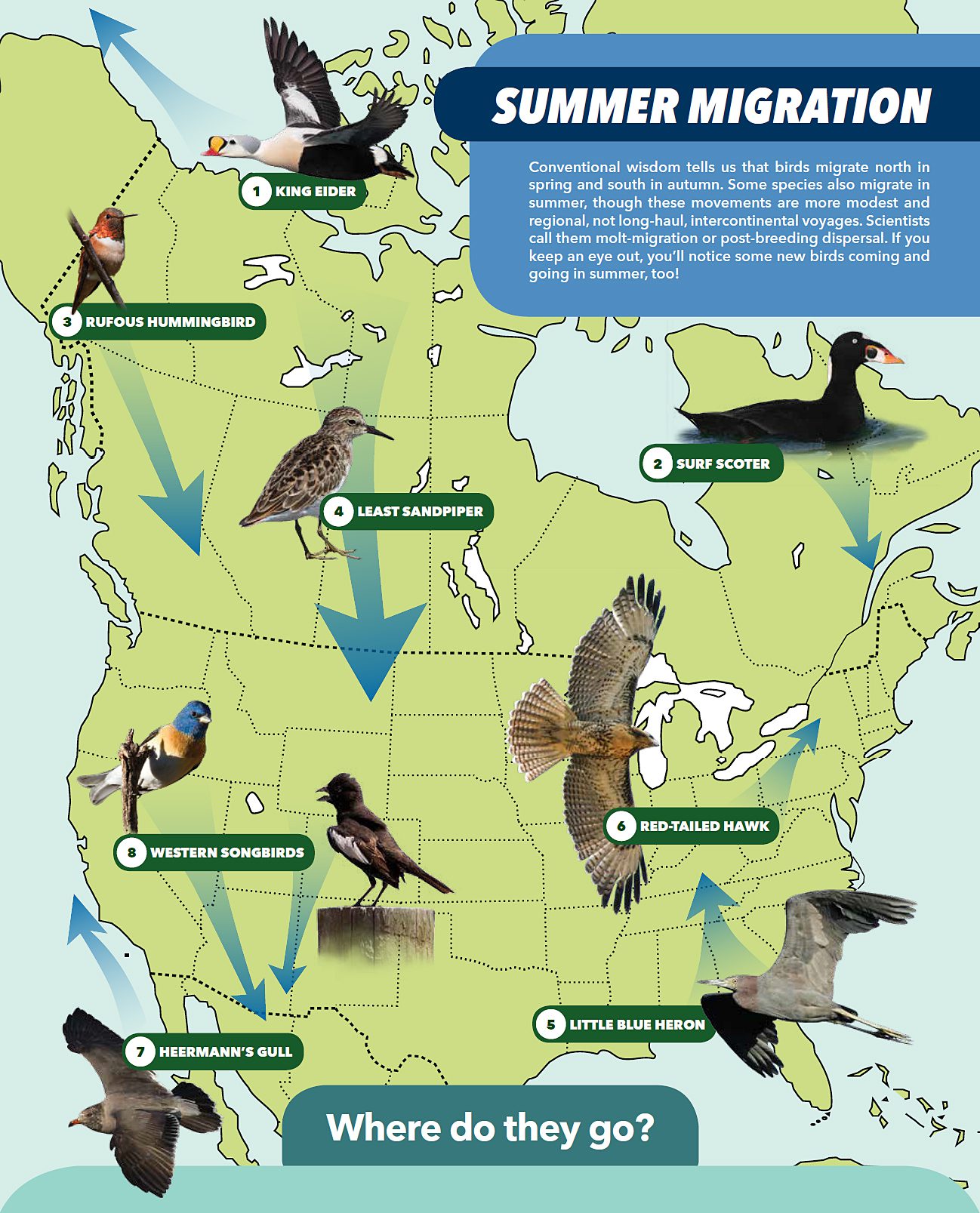
Bird migration means the regular, usually seasonal, movement of birds from one place to another. It often covers very long distances, sometimes between continents. Migration usually happens twice a year: birds travel to breeding grounds in spring and return to non-breeding areas in autumn.
Not all birds migrate. Some stay in the same place all year. But those that do migrate often face huge challenges, like finding enough food, avoiding predators, and surviving harsh weather. Migration is not random—it is a carefully timed and organized part of a bird’s life.
The Main Reasons Birds Travel Long Distances
Understanding why birds migrate helps us see how important these journeys are. Here are the main reasons:
1. Searching For Food
The main reason for migration is food availability. Many birds live in places where food is only available during certain months. For example, in the north, winter brings snow and ice, making it hard to find insects, seeds, or plants. Birds move to warmer areas where food is still easy to find.
An example is the arctic tern, which travels from the Arctic to Antarctica and back each year. This bird follows the summer in both hemispheres, always staying where food is richest.
2. Breeding In Safer Or Better Places
Birds need safe places to lay eggs and raise young. Many migrate to areas with fewer predators, less competition, and more nesting sites. For instance, many North American birds fly to the Arctic to breed, where there are fewer animals that eat eggs and chicks.
Also, some birds need specific environments for nesting. They travel long distances to find these special places, even if it means crossing deserts or oceans.
3. Escaping Harsh Weather
Some birds can’t survive cold winters or dry seasons. Migration helps them avoid freezing temperatures, snow, or drought. For example, warblers from Europe travel to Africa for the winter, escaping the cold and finding warm, comfortable weather.
4. Following Daylight
Birds use the length of day (called photoperiod) as a signal to migrate. Longer days in the north during summer mean more time to find food and feed their young. Birds move to take advantage of this extra daylight, then return south as days grow shorter.
5. Reducing Competition
When too many birds stay in one place, food and nesting sites can run out. Migration spreads birds over a larger area, reducing competition and helping more birds survive.
6. Escaping Disease
Some birds leave areas where diseases are common during certain seasons. By moving, they avoid parasites or illnesses that could kill them or their chicks.
7. Taking Advantage Of Changing Habitats
Wetlands, forests, and other habitats can change a lot between seasons. Some birds follow these changes, moving to places where new food becomes available at different times of the year.
Non-obvious insight: Many beginner bird watchers don’t realize that migration is often a response to several factors at once—not just food. For example, a bird might leave an area because it is too cold, but also because the cold brings more disease or less daylight.
How Do Birds Know When And Where To Go?
It is amazing to think about how birds travel thousands of kilometers, often to the same spot each year. Birds use a mix of internal clocks, environmental signals, and even the Earth’s magnetic field.
Internal Biological Clocks
Birds have a built-in sense of time, controlled by changes in daylight and hormones. As days get longer or shorter, their bodies release chemicals that tell them when to start moving.
Navigation Skills
Birds use many tools to find their way:
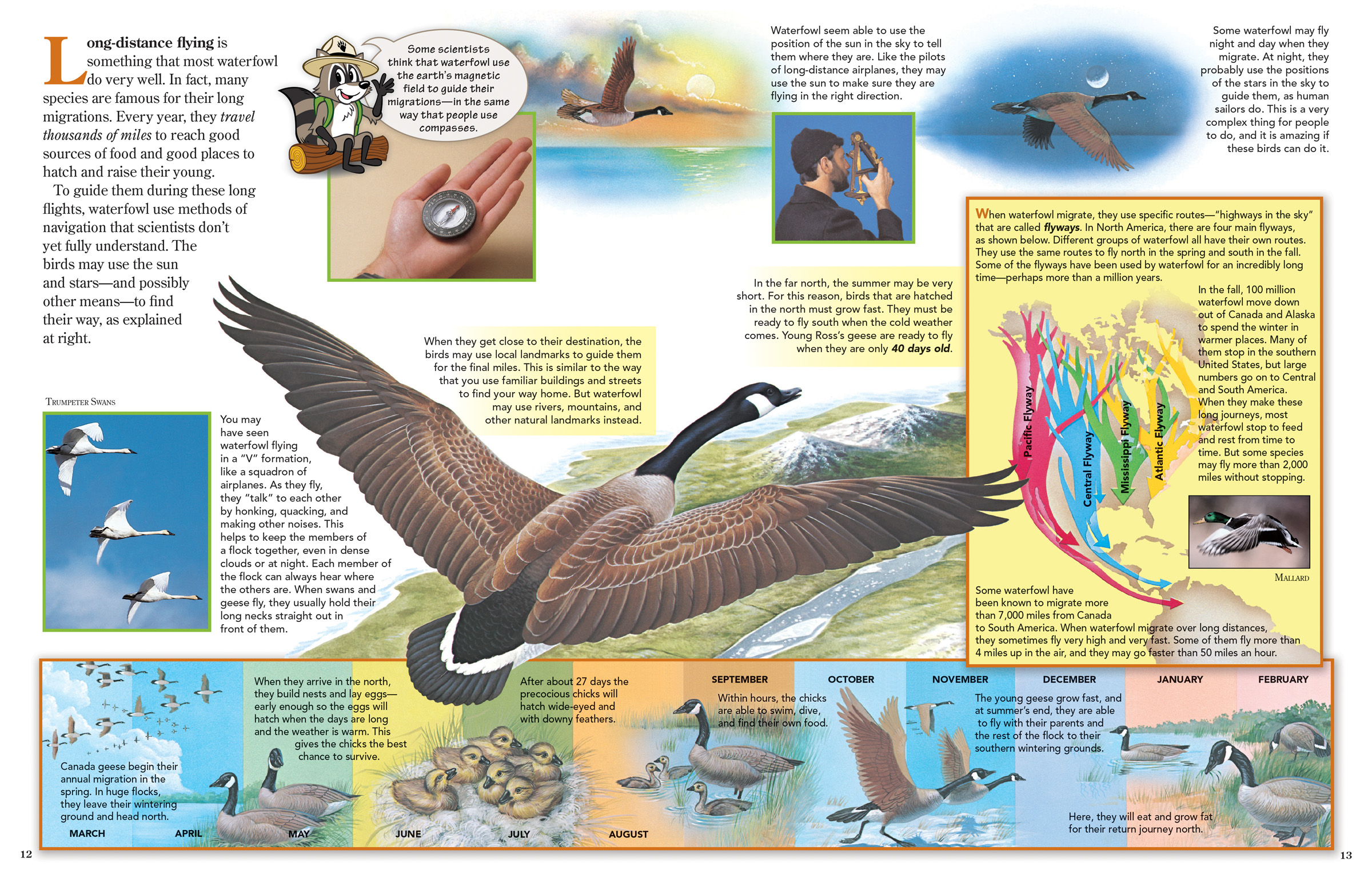
- Sun and stars: Some birds use the position of the sun during the day and stars at night to guide them.
- Landmarks: Rivers, mountains, and coastlines help birds stay on course.
- Earth’s magnetic field: Birds have special cells that let them “feel” the planet’s magnetic field, helping them fly in the right direction.
Memory And Learning
Young birds often migrate with older birds the first time. They learn the route and remember it for life. Some birds, like pigeons, are famous for their strong memory and navigation skills.
Non-obvious insight: Scientists have found that some birds can “see” magnetic fields as patterns, helping them fly straight even when the sky is cloudy.
Examples Of Long-distance Migratory Birds
Some birds travel farther than others. Here are a few of the world’s most impressive travelers:
Arctic Tern
This small seabird holds the record for the longest migration—about 70,000 kilometers every year, from the Arctic to Antarctica and back. It spends more time in daylight than any other animal.
Bar-tailed Godwit
This shorebird can fly over 11,000 kilometers non-stop from Alaska to New Zealand, crossing the Pacific Ocean in just nine days.
Swallow
Swallows travel between Europe or North America and Africa or South America. Their journey can be up to 10,000 kilometers each way.
Blackpoll Warbler
This tiny songbird flies over the Atlantic Ocean from North America to South America. It can travel 3,000 kilometers without stopping.
Common Cuckoo
Cuckoos breed in Europe and Asia but spend winters in Africa, crossing deserts and seas.

Migration Patterns: Not All Birds Travel The Same
Migration looks different for every species. Some birds travel huge distances, while others move only a few hundred kilometers. Let’s compare a few types.
| Bird Species | Migration Distance | Main Route |
|---|---|---|
| Arctic Tern | ~70,000 km | Arctic to Antarctica |
| Bar-tailed Godwit | ~11,000 km non-stop | Alaska to New Zealand |
| Swallow | ~10,000 km | Europe to Africa |
| Robin | ~500–2,500 km | Northern to Southern Europe |
| House Sparrow | Non-migratory | Stays in one area |
Some birds move only short distances, especially if they live in areas with mild weather. Others, like the arctic tern, are true “globe-trotters.”
Physical And Behavioral Adaptations For Migration
Long-distance travel is hard. Birds need special features and behaviors to survive.
Strong Muscles And Wings
Migratory birds often have long, pointed wings for efficient flying. Their breast muscles are extra strong, letting them fly for hours or even days without resting.
Storing Energy
Before migration, many birds eat a lot to build up fat reserves. This fat gives them energy for their journey. Some birds double their body weight before leaving.
Teamwork
Some birds travel in groups, called flocks. Flying together helps them save energy and avoid predators. For example, geese fly in a V-formation, which reduces wind resistance.
Changing Behavior
Some birds become restless before migration—a behavior called zugunruhe. They move around more, eat more, and prepare their bodies for the trip.
Non-obvious insight: Many people do not know that birds can adjust the length and timing of their migration if weather or food changes suddenly. This flexibility helps them survive in a changing world.
Challenges Birds Face During Migration
Migration is dangerous. Birds face many risks, and not all survive the trip.
1. Weather
Storms, strong winds, and extreme temperatures can blow birds off course or exhaust them. Some birds die during storms at sea or over deserts.
2. Predators
Birds are more exposed during migration. They can be hunted by hawks, falcons, or even mammals when they stop to rest.
3. Human Dangers
Tall buildings, wind turbines, and power lines can kill birds in flight. Light pollution can confuse them, especially at night. Habitat loss from farming or construction means fewer safe places to rest and eat.
4. Exhaustion And Starvation
If birds cannot find food or rest stops, they may run out of energy and die. Long stretches across oceans or deserts are especially risky.
5. Disease
Large groups of birds can spread diseases quickly. Migrating birds also pick up new parasites or illnesses as they travel.
| Challenge | Effect on Birds | Example |
|---|---|---|
| Storms | Disorientation or death | Warblers lost at sea during hurricanes |
| Predators | Increased risk | Sparrowhawks hunting tired migrants |
| Human dangers | Collisions, confusion | Skyscraper lights attracting night migrants |
How Birds Prepare For Migration
Birds do not just leave suddenly. Migration takes planning and preparation.
Eating More
Birds eat extra food before migration, sometimes doubling their weight in fat. This fat is stored under the skin and used as fuel.
Changing Body Parts
Some birds’ digestive organs shrink during migration to make more room for muscle or fat. Their hearts and flight muscles grow bigger.
Molting
Many birds grow new feathers before migration. Fresh feathers make flying easier and safer.
Timing
Birds wait for the right weather, wind direction, and daylight. They often leave at night when it is cooler and safer.
Training
Young birds practice flying and build up strength. Sometimes, they take practice trips before the real migration.
Practical tip: If you have bird feeders, keeping them full in spring and fall can help migrating birds get the energy they need.
How Climate Change Is Affecting Migration
Climate change is making migration harder for many birds. Warmer temperatures change the timing of seasons, so food may not be available when birds arrive. Droughts can dry up wetlands, and storms can become more common.
Some birds now arrive earlier or later than before. Others stop migrating altogether if winters get warmer. These changes can cause populations to drop if birds cannot adapt.
| Climate Change Effect | Bird Response | Possible Result |
|---|---|---|
| Earlier springs | Earlier migration | Missed food peaks |
| More storms | Higher death rates | Fewer birds return |
| Less habitat | Shorter journeys or none at all | Population decline |
Non-obvious insight: Climate change can also help some birds. For example, warmer winters in northern areas let some birds stay year-round instead of migrating.
Human Actions: How We Can Help
People can make a big difference for migrating birds.
- Protect wetlands, forests, and grasslands where birds stop to rest and eat.
- Reduce light pollution, especially during migration seasons.
- Make windows safer by adding stickers or patterns that birds can see.
- Support wind energy projects that consider bird migration routes.
- Plant native trees and shrubs in gardens to offer food and shelter.
If you want more ideas or want to get involved, the Audubon Society and other organizations offer tips and volunteer opportunities. For more in-depth science, you can visit the BirdLife International website.
Bird Migration Vs. Other Animal Migrations
Birds are not the only animals that migrate, but their journeys are often the longest and most complicated. Let’s compare birds with other migrating animals.
- Monarch butterflies fly thousands of kilometers from North America to Mexico, but their migration happens over several generations.
- Wildebeest in Africa migrate for food and water, but usually travel less far and always on the ground.
- Whales swim from cold to warm waters to breed, sometimes covering 16,000 kilometers, but their speed is much slower than birds.
Birds stand out because they can cross mountains, deserts, and oceans in a short time, using the air as their highway.
Why Some Birds Don’t Migrate
Not all birds travel long distances. Some stay in one place all year, especially if they can find food and avoid cold. These birds are called resident birds.
Resident birds may use other strategies, like storing food or growing thicker feathers. In cities, pigeons and sparrows can survive winter because people provide food and shelter.
Non-obvious insight: Some birds are “partial migrants”—only part of the population moves, while others stay. This helps the species survive if weather or food changes suddenly.
The Mystery Of Lost Or “vagrant” Birds
Sometimes, birds end up in the wrong place. These are called vagrants or “accidental” birds. They may get lost because of storms, strong winds, or mistakes in navigation. Bird watchers are excited to spot these rare visitors, but for the birds, it can be dangerous or deadly.
Vagrancy shows that migration is not always perfect, but birds are flexible and often survive even when things go wrong.
Frequently Asked Questions
Why Don’t All Birds Migrate?
Not all birds need to migrate. If food and shelter are available year-round, birds can stay in one place. Birds that live in tropical areas or cities often do not need to travel, while those in areas with harsh winters or dry seasons are more likely to migrate.
How Do Young Birds Know Where To Go?
Young birds are born with some sense of direction and timing. They also learn by following older birds. Studies show that even birds raised in captivity try to migrate at the right time and in the right direction, showing how strong their instincts are.
Do Birds Get Lost During Migration?
Yes, some birds do get lost, especially if there are storms, strong winds, or if they are sick or tired. These “vagrant” birds sometimes end up far outside their normal range. However, most birds find their way thanks to their strong navigation skills.
Can Climate Change Stop Migration?
Climate change can make migration harder or even impossible for some birds. If food or safe habitats disappear, birds may stop migrating or populations may decline. Some birds may adapt by changing their routes or timing, but others may not survive.
What Is The Longest Bird Migration?
The arctic tern holds the record for the longest migration. It travels around 70,000 kilometers each year, from the Arctic to Antarctica and back. This is the longest known migration of any animal in the world.
Migration is one of nature’s most remarkable events. It is a story of survival, skill, and adaptation. As we learn more, we see that birds do not travel long distances just for one reason—but for many, often at the same time.
By understanding migration, we can help protect these amazing travelers and the world they depend on.