
Every time you look up and see a bird perched on a thin branch, you might wonder how it manages to stay there so easily. Even in strong wind, or when the branch moves, the bird rarely falls. This simple, everyday sight hides a complex mix of biology, physics, and behavior.

Today’s Exclusive Deals
Limited-time Exclusive Deals. Check current discount on Amazon.
Check Price on Amazon As an Amazon Associate I earn from qualifying purchases.Birds don’t just stand on branches—they have evolved special ways to grip, balance, and react to their ever-changing environment. Let’s explore how birds stay balanced on branches, breaking down the secrets that help them perch with such skill.
The Unique Structure Of Bird Feet
The first step to understanding bird balance is to look closely at their feet. Bird feet are not all the same, but most perching birds share some important features. These adaptations are the foundation of their balancing act.
The Anisodactyl Foot Arrangement
Most songbirds and many other birds have what scientists call an anisodactyl foot. This means they have three toes pointing forward and one toe (the hallux) pointing backward. This arrangement lets them grip round branches tightly from both sides.
Today’s Exclusive Deals
Limited-time Exclusive Deals. Check current discount on Amazon.
Check Price on Amazon As an Amazon Associate I earn from qualifying purchases.The backward toe works like a thumb, closing around the branch while the front toes press from the other side. This grip keeps the bird from tipping over, even on thin twigs.
The Locking Tendon Mechanism
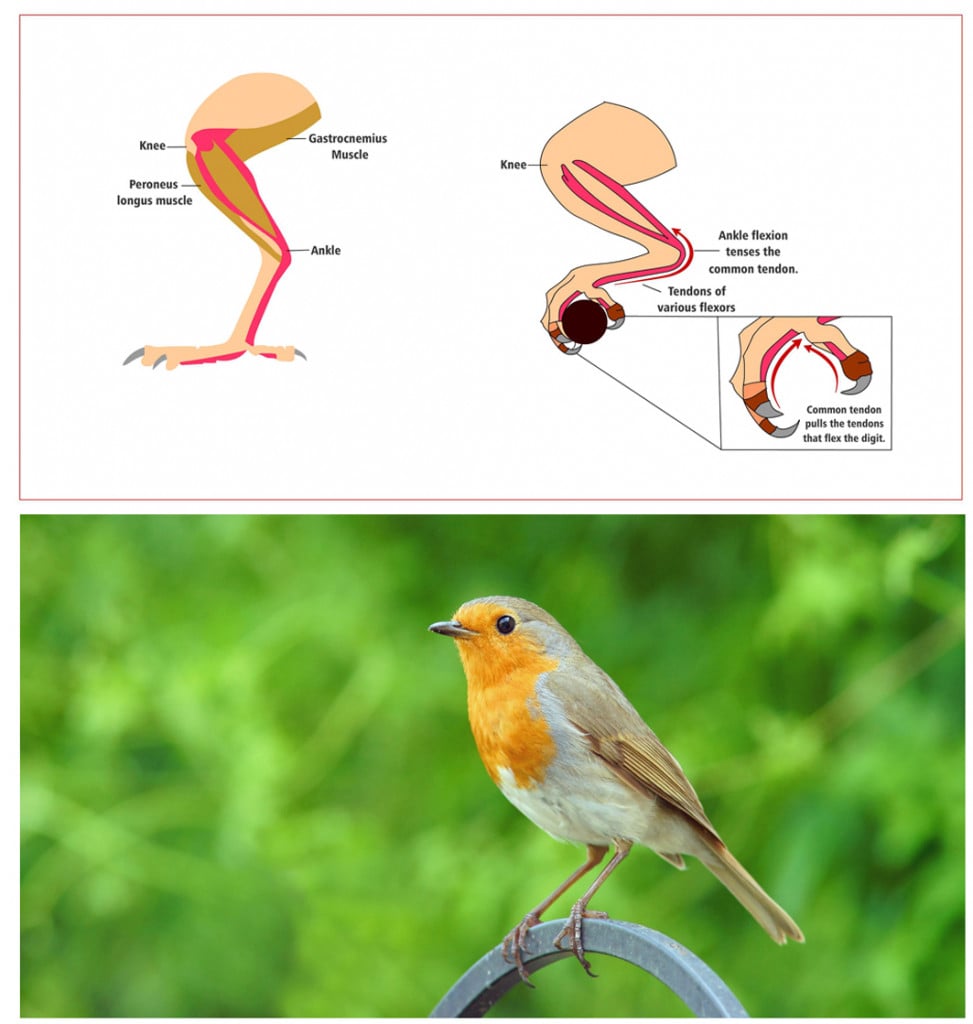
One of nature’s clever designs is the flexor tendon locking mechanism. When a bird lands and bends its legs, tendons in its legs and feet automatically tighten. This tightens the toes around the branch, so the bird can grip without using muscle power.
This means a sleeping bird won’t fall, because the grip stays tight even when the bird is completely relaxed. It’s a built-in safety feature that keeps birds from dropping off their perch at night.
Variations In Foot Design
Not all birds have the same foot structure. For example, woodpeckers have zygodactyl feet (two toes forward, two backward), which help them cling to vertical tree trunks. Water birds and raptors have their own unique arrangements suited for swimming or hunting.
Today’s Exclusive Deals
Limited-time Exclusive Deals. Check current discount on Amazon.
Check Price on Amazon As an Amazon Associate I earn from qualifying purchases.But for most perching birds, the basic anisodactyl plan and locking tendons combine to make balancing on branches easy and automatic.
The Role Of Bird Legs And Joints
A bird’s legs do much more than just hold the body up. Their structure and movement are key to keeping balance.
Angled Bones For Stability
Bird legs don’t look like human legs. The part we often think of as the “knee” is actually their ankle joint. The real knee is hidden under feathers near the body. This gives the legs a zig-zag shape, which helps birds lower their center of gravity.
A low center of gravity means the bird is less likely to tip over, even if the branch sways. It’s like how a tightrope walker keeps their body low and arms out for balance.
Quick Muscle Adjustments
Birds have fast, responsive muscles in their legs and feet. These muscles can react instantly to any movement under them. If the branch sways, the bird’s muscles adjust to keep its body upright.
Some birds, like crows and magpies, are especially good at this. They can walk, jump, and even hop from one thin branch to another without losing balance.
The Physics Of Perching
Staying balanced is not only about body parts. Physics plays a big role in how birds remain steady on branches.
Center Of Gravity And Weight Distribution
The center of gravity is the point where weight is balanced. Birds keep their center of gravity directly above their feet. This means even when a branch sways, the bird shifts its body to keep this line vertical.
A small, compact body helps. Most birds have lightweight bones and large chest muscles close to the body’s center. This keeps them steady and reduces the force needed to balance.
Surface Area Of The Feet
Birds’ toes spread wide, which increases the surface area touching the branch. The more contact points, the less pressure on any one spot, and the less likely the bird is to slip.
Gripping Strength Compared To Body Weight
You might be surprised how strong bird feet are for their size. Some studies show that a small songbird’s grip can hold several times its own weight. This is more than enough to stay on a moving branch, even in wind.
Feather Position And Body Posture
Balance is not just about feet and legs. The way a bird holds its body and arranges its feathers makes a big difference.
The Tail As A Counterbalance
The tail acts like a balancing pole. When a bird lands or shifts position, it spreads its tail feathers to adjust balance. If the branch moves, the tail moves in the opposite direction, helping stabilize the body.
Wing Movements For Stability
If a bird starts to lose balance, it often opens its wings slightly or flaps them. This isn’t just for flying—it’s a quick way to correct any wobble and stay on the branch.
Feathers And Air Resistance
Bird feathers are not only for flying. When a bird puffs up its feathers, it changes the body’s shape and airflow. This can help slow a fall or make small adjustments in balance.
Sensory Systems: How Birds Know Their Position
Staying balanced means knowing exactly where your body is in space. Birds have advanced sensory systems that help them do this without thinking.
The Vestibular System In The Inner Ear
Like humans, birds have a vestibular system in the inner ear. This system senses movement and helps the bird know if it’s tipping forward, backward, or sideways.
If the branch moves, signals from the inner ear tell the bird’s brain to adjust posture or grip.
Visual Feedback
Birds use their eyes to judge distance, branch size, and movement. Their vision is fast and sharp, allowing them to react quickly to any changes.
Birds with eyes on the sides of their heads, like sparrows, have a wide field of view. They can watch the branch, their own feet, and the area around them all at once.
Touch And Pressure Sensors
Bird feet have pressure sensors called Herbst corpuscles. These tiny sensors help the bird feel exactly how hard it is gripping and whether the branch is smooth or rough.
This feedback lets the bird adjust pressure instantly, so it doesn’t grip too hard or too soft.
Bird Behavior: What Birds Do To Stay Balanced
Physical features are important, but birds also use smart behaviors to help them stay steady.
Choosing The Right Branch
Birds don’t perch on just any branch. They often test several twigs before settling. They look for a branch that is strong enough to hold their weight, not too slippery, and not too thin.
Some birds, like robins, prefer branches about the same size as their feet. This gives the best grip and balance.
Preening And Foot Care
Birds spend a lot of time preening, which keeps their feathers in good shape. But they also pay attention to their feet, picking off dirt or smoothing scales. Clean, healthy feet grip better.
Balancing In Groups
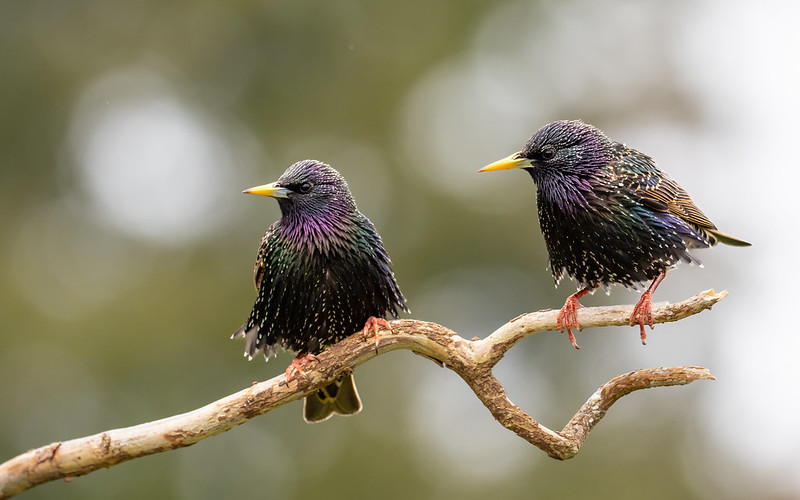
In some species, birds balance together. For example, starlings or swallows may perch side by side, using their neighbors for extra support. If one bird shifts, others adjust, creating a kind of group balance.

How Different Birds Handle Unique Perching Challenges
Not all birds perch in the same way. Let’s look at how some different birds handle tricky situations.
Small Songbirds
Tiny birds like chickadees or finches can perch on even the smallest twigs. Their light weight means the branch bends but rarely breaks. Their fast reactions and strong grip keep them safe, even if the twig sways in the wind.
Large Birds Like Hawks And Crows
Bigger birds need thicker branches. Their feet are larger, and their grip is stronger. Crows are known for being able to walk along branches, shifting weight from one foot to the other.
Hawks and other raptors have powerful talons that can lock onto even rough bark. They use their tail and wings for extra balance, especially when landing or taking off.
Water Birds And Their Balancing Tricks
Herons, ducks, and geese often perch in wet, slippery places. Their feet have special pads for grip, and their long legs help spread their weight. Some, like herons, use their long necks and outstretched wings to balance when landing on reeds or floating logs.
Woodpeckers And Vertical Perching
Woodpeckers are experts at clinging to vertical surfaces. Their zygodactyl feet and stiff tail feathers press against the tree trunk, creating a tripod for balance. This lets them hammer away at wood without falling off.
Comparing Bird Balance With Other Animals
Birds are not the only animals that need to balance on narrow surfaces. Let’s see how they compare with a few others.
| Animal | Main Balancing Adaptation | Typical Perching Spot |
|---|---|---|
| Birds | Locking tendons, anisodactyl feet | Branches, wires, reeds |
| Squirrels | Sharp claws, flexible ankles | Branches, tree trunks |
| Lizards | Sticky toe pads, claws | Leaves, branches, walls |
| Monkeys | Opposable thumbs, gripping tail | Branches, vines |
Birds stand out because their grip does not need constant muscle effort. This is different from mammals like squirrels, which rely more on active gripping and claws.
The Science Behind Bird Balance: Key Studies And Findings
Research on bird balance has revealed many fascinating details. Scientists use high-speed cameras, X-rays, and force sensors to study how birds perch and move.
The “perching Reflex” In Songbirds
A well-known study in the 1970s showed that most songbirds have a perching reflex—as soon as their feet touch a branch, the toes curl automatically. This is not a conscious movement, but a built-in reflex.
Grip Strength Measurements
In a 2010 experiment, researchers measured the grip strength of European starlings. They found that a starling can hold up to 10 times its own body weight with its feet. This is enough to stay secure in strong winds or sudden movements.
The Effect Of Sleep On Balance
It’s common to see birds sleeping while perched. A study in 2017 looked at how birds remain balanced during sleep. The researchers found that the locking tendon mechanism works perfectly even when the bird is in deep sleep, preventing falls.
Common Challenges And How Birds Overcome Them
Even with all these adaptations, birds face some real challenges when perching.
Wind And Weather
Strong wind can make branches sway or twist. Birds respond by lowering their bodies, spreading their tails, and gripping more tightly. Some birds, like sparrows, will move to the leeward side of the tree (the side protected from wind) for better balance.
Slippery Or Wet Branches
Rain can make surfaces slippery. Birds use the rough scales on their feet to increase friction. If a branch is too slippery, most birds will fly to a new spot rather than risk falling.
Predators And Sudden Threats
If a bird senses danger, it can take off in a split second. The powerful grip means the bird can push off the branch with great force, launching into the air before a predator gets too close.
Birds And Man-made Structures: New Balancing Environments
Birds don’t only perch on branches. In cities, they use wires, fences, and buildings. These new surfaces present unique challenges.
| Surface | Common Birds | Balancing Features Used |
|---|---|---|
| Power lines | Pigeons, sparrows, starlings | Wide toe spread, grip reflex |
| Fences | Robins, crows, magpies | Quick muscle adjustments, tail balance |
| Building edges | Swifts, swallows, gulls | Strong leg muscles, wing correction |
Birds quickly learn to use their natural balancing skills on these artificial surfaces. In some cases, city birds even develop stronger feet and better balance than their country cousins.
Evolution: How Did Birds Develop Such Good Balance?
Bird balance is the result of millions of years of evolution. Early birds that could perch safely survived better, laid more eggs, and passed on their genes.
Fossil evidence shows that even ancient birds had special foot joints and claws for gripping. Over time, these features became more advanced, leading to the wide variety of perching skills we see today.
Surprising Facts: Non-obvious Insights About Bird Balance
- The locking mechanism in bird feet is so strong that sometimes, after a bird dies, its feet stay clenched for hours.
- Some birds, like swifts, can sleep while perching on vertical walls, using both feet and claws.
- The hallux, or backward-pointing toe, is a key feature. Birds without a hallux (like some wading birds) can’t perch on branches at all.
- Very young birds (nestlings) cannot balance well. They develop the perching reflex only after a few days, which is why they stay in the nest until strong enough.
- Some birds, like kingfishers, use their beak as a third point of support when balancing on thin reeds.
How Humans Have Learned From Bird Balance
Engineers and designers have studied bird perching to create better robots and prosthetics. By copying the locking tendon system and foot structure, they’ve built robot legs that can grip pipes and wires.
Bird balance also inspires artists and athletes. Ballet dancers, for example, study bird posture to improve their own balance and movement.
For more scientific detail on how the bird’s vestibular system works, you can visit Wikipedia’s Vestibular System page.
Frequently Asked Questions
How Do Birds Sleep On Branches Without Falling?
Birds have a locking tendon mechanism in their legs. When they squat to sleep, the tendons pull their toes tight around the branch, keeping them secure even when fully relaxed.
Why Don’t Birds Slip Off Wet Or Moving Branches?
Birds use rough scales and sensitive pressure sensors in their feet. These features help them adjust their grip instantly and find a better spot if the branch is too slippery.
Do All Birds Perch The Same Way?
No, different birds have different foot structures. Songbirds use anisodactyl feet for perching, while woodpeckers use zygodactyl feet to cling to trunks. Some water birds can’t perch on branches at all.
Can Young Birds Balance On Branches?
Very young birds cannot perch well. The perching reflex and strong grip develop after a few days, so nestlings stay in the nest until they are ready.
How Do Birds Balance On Wires And Fences In Cities?
City birds use the same skills as in nature. They spread their toes wide and use quick muscle adjustments and their tails to keep steady, even on narrow or slippery surfaces.
Birds’ ability to stay balanced on branches is a mix of anatomy, reflexes, behavior, and evolution. Each part works together, letting birds perch, sleep, and thrive high above the ground. The next time you see a bird sitting calmly on a branch, you’ll know just how much is happening behind the scenes to keep it there.