
Birds are some of the most fascinating creatures in the animal kingdom. Their bright colors, beautiful songs, and ability to fly capture our imagination. But if you stop to watch them closely, you might notice something just as amazing: the way birds drink water. It may seem like a simple question, but the methods birds use to drink are more complex and diverse than most people think. Understanding how birds drink water helps us appreciate their unique adaptations, and can even help us support them better in our gardens or as pet owners. This article explores the science, behaviors, and surprising facts behind how birds drink water, offering a complete guide for anyone curious about avian life.
Why Birds Need Water
Every living thing needs water, and birds are no exception. Water is vital for their survival, but they use it differently from mammals. Birds need water for several reasons:
- Hydration: Water helps maintain their body temperature and supports all cellular processes.
- Digestion: Birds often eat dry seeds or insects, so water helps them swallow and digest food.
- Bathing: Clean feathers are important for flight. Bathing in water helps birds remove dirt and parasites.
Because birds have high metabolisms and small bodies, they can lose water quickly, especially in hot or dry climates. Some small birds, like hummingbirds, need to drink several times per hour to stay hydrated.
How Birds Drink: The Basic Methods
Birds have developed different ways to take in water. While we might imagine all birds sip water the same way, the truth is more interesting. There are two main methods:
1. Sip And Tilt
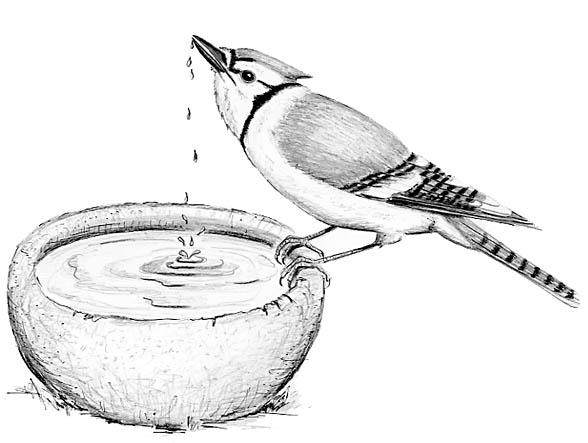
Most birds drink water using the sip and tilt method. This means they lower their beak into the water, take a small sip, then tilt their head back so the water runs down their throat by gravity. Unlike humans, birds do not have lips or cheeks to suck in water.
Examples:
- Sparrows
- Finches
- Robins
This method works well for birds with straight or slightly curved beaks. They often visit birdbaths, puddles, or streams, where they can easily reach the surface of the water.
2. Suction Drinking
Some birds, like pigeons and doves, use a different technique called suction drinking. They can draw water directly up their beaks, almost like sipping through a straw, without having to tilt their heads back.
How it works:
- The bird places its beak in the water.
- It creates a seal with its beak, then uses tongue and throat muscles to draw water up.
This is a rare adaptation among birds and is mostly seen in the Columbidae family (pigeons and doves).
Differences Between Methods
Here’s a simple comparison:
| Method | Bird Types | How It Works | Examples |
|---|---|---|---|
| Sip and Tilt | Most songbirds, raptors | Sip water, tilt head to swallow | Robins, sparrows, eagles |
| Suction Drinking | Pigeons, doves | Suck water up without tilting | Rock pigeon, mourning dove |
Drinking Habits Of Different Bird Groups
Birds are a very diverse group. Each type has drinking behaviors matched to its lifestyle, beak shape, and environment.
Songbirds (passerines)
Most common backyard birds are songbirds. These birds use the sip and tilt method, taking quick drinks between feeding or singing. They often bathe and drink in the same water source.
Key facts:
- Need water daily, sometimes several times a day.
- Prefer shallow water sources like birdbaths.
Waterfowl
Ducks, swans, and geese are adapted to live around water. They feed, rest, and drink in ponds or lakes.
- Ducks filter water through their beaks, sometimes drinking as they forage.
- Swans and geese dip their long necks to reach deeper water.
Raptors
Eagles, hawks, and owls also need water, but they drink less often than small birds due to their size and the water content in their prey.
- Usually found near rivers or lakes.
- May drink after feeding.
Pigeons And Doves
As mentioned, these birds can drink by suction. This unique adaptation allows them to quickly hydrate, which is helpful in urban or arid environments where water may be scarce.
Hummingbirds
Hummingbirds get most of their water from the nectar they drink. However, they still need to visit water sources for bathing and extra hydration, especially in hot weather.
Shorebirds And Waders
Birds like sandpipers, herons, and plovers often drink from the same water where they hunt. They may face challenges with salty water in coastal areas (more on this later).
Special Adaptations For Drinking
Birds have evolved several fascinating adaptations to help them access and use water efficiently.
Beak Shape
The shape of a bird’s beak often matches its drinking style:
- Long, thin beaks: Good for sipping from cracks or between stones (e.g., warblers).
- Wide, flat beaks: Useful for scooping or filtering water (e.g., ducks).
- Short, strong beaks: Efficient for quick sips (e.g., sparrows).
Tongue Structure
Some birds have unique tongues:
- Woodpeckers have long, sticky tongues for catching insects, but must use the tip to drink.
- Hummingbirds have forked tongues that help them lap up nectar and water.
Drinking Without Water
Birds in deserts or dry habitats, like the sandgrouse, have feathers that can soak up water. Male sandgrouse fly miles to a water source, soak their belly feathers, then carry the water back to their chicks.
Drinking Water In Different Environments
Birds live almost everywhere on Earth, from rainforests to deserts. Each environment offers its own challenges when it comes to finding and drinking water.
Forests And Woodlands
In dense forests, water can be hard to see from above. Birds often drink from leaves, puddles, or small streams. Some use dew collected on leaves early in the morning.
Urban Areas
Many birds have adapted to city life. They drink from fountains, gutters, or even puddles on the road. Urban birds may face pollution or chemicals in water, which can be dangerous.
Deserts
Desert birds are experts at conserving water. Some get almost all their water from food, like insects or seeds. Others, like the roadrunner, can survive with very little water, and may not drink for days.
Wetlands
Birds in wetlands, such as herons and egrets, have easy access to water. However, they must be careful of polluted or salty water, which can harm their health.
Coastal Areas
Seabirds and shorebirds often encounter saltwater. Some species, like gulls and albatrosses, have special glands near their eyes that remove salt from their bodies, allowing them to drink seawater when fresh water is not available.
How Birds Find Water
Birds use sharp senses and learned behaviors to locate water. Here’s how they do it:
- Sight: Birds can see reflections and movement from a distance, helping them spot water.
- Memory: Many birds remember the location of reliable water sources.
- Sound: The sound of running water attracts birds, which is why garden fountains are popular in bird-friendly yards.
- Following others: Some birds learn by watching others drink, especially young birds following their parents.
How Much Water Do Birds Drink?
The amount of water a bird needs depends on its size, diet, and environment.
- Small birds: May drink 2-3 times their body weight in water each day.
- Large birds: Drink more at one time but less often.
- Seed-eaters: Need more water because seeds are dry.
- Insect-eaters: Get some water from their food.
A house sparrow weighs about 30 grams and may need about 5 ml of water per day. A large goose can drink over 200 ml daily.
Here’s a comparison of water needs:
| Bird Species | Average Weight | Estimated Daily Water Intake |
|---|---|---|
| House Sparrow | 30g | 5ml |
| American Robin | 77g | 10-15ml |
| Mourning Dove | 120g | 20ml |
| Canada Goose | 4,500g | 200ml+ |
Insight: Birds lose water quickly through breathing (panting), especially in hot weather. They must drink often to make up for this loss.
Bathing Versus Drinking: Not The Same
People often see birds splashing in a birdbath and think they are drinking. But bathing and drinking are not the same, although they often happen in the same place.
- Bathing keeps feathers clean and healthy.
- Birds may jump in, splash, and fluff their feathers, but not actually drink the water at that moment.
- After bathing, many birds will pause to take a quick drink before flying off.
Common Mistakes People Make About Bird Drinking
Even experienced bird watchers sometimes misunderstand bird behavior. Here are mistakes beginners often make:
- Assuming all birds drink the same way. As you now know, pigeons and doves are different!
- Thinking birds get enough water from food alone. Only some birds can do this, and only in certain environments.
- Providing deep water in birdbaths. Most small birds prefer shallow water (2-5 cm deep).
- Ignoring water cleanliness. Dirty water can spread diseases among birds.
Practical tip: If you want to help birds, offer clean, shallow water and change it daily.
How Birds Drink In Winter
In cold climates, water can freeze, making it hard for birds to find a drink. Birds use a few strategies:
- Eat snow: Some birds eat snow or ice to get water, but this uses more energy.
- Find running water: Streams and rivers may stay unfrozen longer.
- Visit heated birdbaths: In gardens, a heated birdbath can be a lifesaver.
Non-obvious insight: Birds can suffer from dehydration in winter, even if surrounded by snow, because melting snow for water uses precious body heat.

Young Birds And Drinking
Baby birds, called nestlings, do not drink water directly. Instead, they get all their fluids from food brought by parents. Most parent birds feed their chicks insects or regurgitated food, which contains enough water.
Once fledglings leave the nest, they begin to drink water on their own, often by copying adult behavior.
Dangers Birds Face When Drinking
Drinking water may seem simple, but it can be risky for birds. Here’s why:
Predators
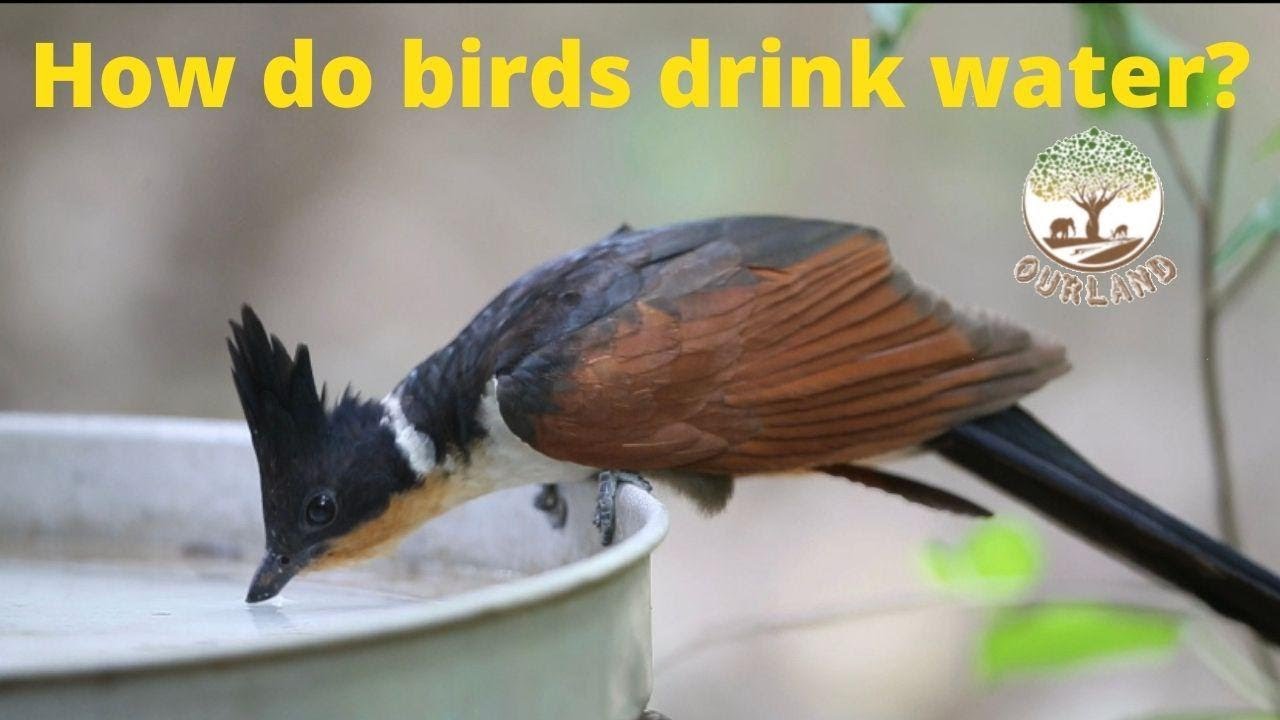
Birds are vulnerable while drinking. With their heads down, they can’t see danger as easily. Cats, hawks, and snakes may attack birds at water sources.
Disease
Standing water can spread diseases like avian pox or salmonella among birds, especially if many birds use the same spot.
Contaminated Water
Pesticides, oil, and other chemicals in urban or agricultural water sources can poison birds.
Extreme Weather
Droughts or heatwaves can quickly dry up water sources, leaving birds desperate for a drink.
How You Can Help Birds Get Water
If you enjoy watching birds or want to support local wildlife, there are simple ways to help:
- Provide a birdbath: Use a shallow dish, change water daily, and keep it clean.
- Add moving water: A small fountain or dripper attracts more birds.
- Place baths safely: Keep baths away from bushes where cats can hide.
- Offer water year-round: In hot summers and cold winters, water can be even more important than food.
- Avoid chemicals: Do not use pesticides or cleaners near bird water sources.
Non-obvious insight: Insects and bees also use birdbaths, so providing water helps the whole ecosystem.
Surprising Facts About Bird Drinking
Birds have developed some truly clever ways to survive:
- Sandgrouse can carry water in their feathers for up to 20 km back to their chicks.
- Albatrosses can drink seawater, thanks to their salt glands.
- Hummingbirds can drink up to eight times their body weight in nectar (and water) each day.
- Some birds, like vultures, rarely drink at all, getting almost all their water from the flesh of their prey.
How Scientists Study Bird Drinking
Researchers use several methods to understand bird drinking behavior:
- Field observation: Watching birds at water sources.
- Tagging and tracking: GPS tags show how far birds travel for water.
- Lab studies: Tests on captive birds reveal how much water different species need.
These studies help us protect birds, especially in a changing climate.
The Role Of Water In Bird Migration
Migration is one of the most challenging times for birds. They may fly thousands of kilometers, crossing deserts and oceans. Water is critical during these journeys.
- Birds often stop at wetlands or rivers to rest and drink.
- Some species, like swifts, can even drink while flying, scooping water from the surface of lakes or rivers.
Loss of natural water sources due to human activity is a major threat to migrating birds.
Cultural Significance Of Bird Drinking
Throughout history, birds have appeared in myths, art, and literature. The simple act of drinking water is sometimes used as a symbol of hope, survival, or purity. In some cultures, seeing a bird drink is a sign of good luck or rain to come.
Frequently Asked Questions
How Do Birds Drink Water If They Have No Lips?
Birds use their beaks, not lips, to take in water. Most birds dip their beaks, then tilt their heads back, allowing gravity to move the water down their throat. Pigeons and doves are special because they can suck water without tilting.
Can Birds Drink Saltwater?
Most birds cannot drink saltwater. However, seabirds like gulls, petrels, and albatrosses have special glands that filter salt from the water, allowing them to drink seawater safely.
How Can I Make My Garden Safe For Birds To Drink?
Provide clean, shallow water dishes or birdbaths, change the water daily, and place them in a spot that is safe from predators. Avoid using chemicals near water sources. Adding moving water, like a small fountain, can attract more birds.
Do Birds Need To Drink Every Day?
Most birds need to drink water daily. Some, like hummingbirds, drink many times a day. Others, especially desert birds, can survive longer without direct drinking by getting water from their food.
How Do Scientists Learn About Bird Drinking Behavior?
Scientists observe wild birds, use cameras at water sources, and sometimes tag birds to track their movements. They may also study birds in controlled settings to measure exactly how much water different species need. For more on scientific methods, see this Audubon Society article.
Birds’ drinking habits are a window into their amazing adaptations and survival strategies. By understanding and supporting their need for water, we can help keep these beautiful creatures thriving in our world.