
Why Are Bird Eggs Different Colors?
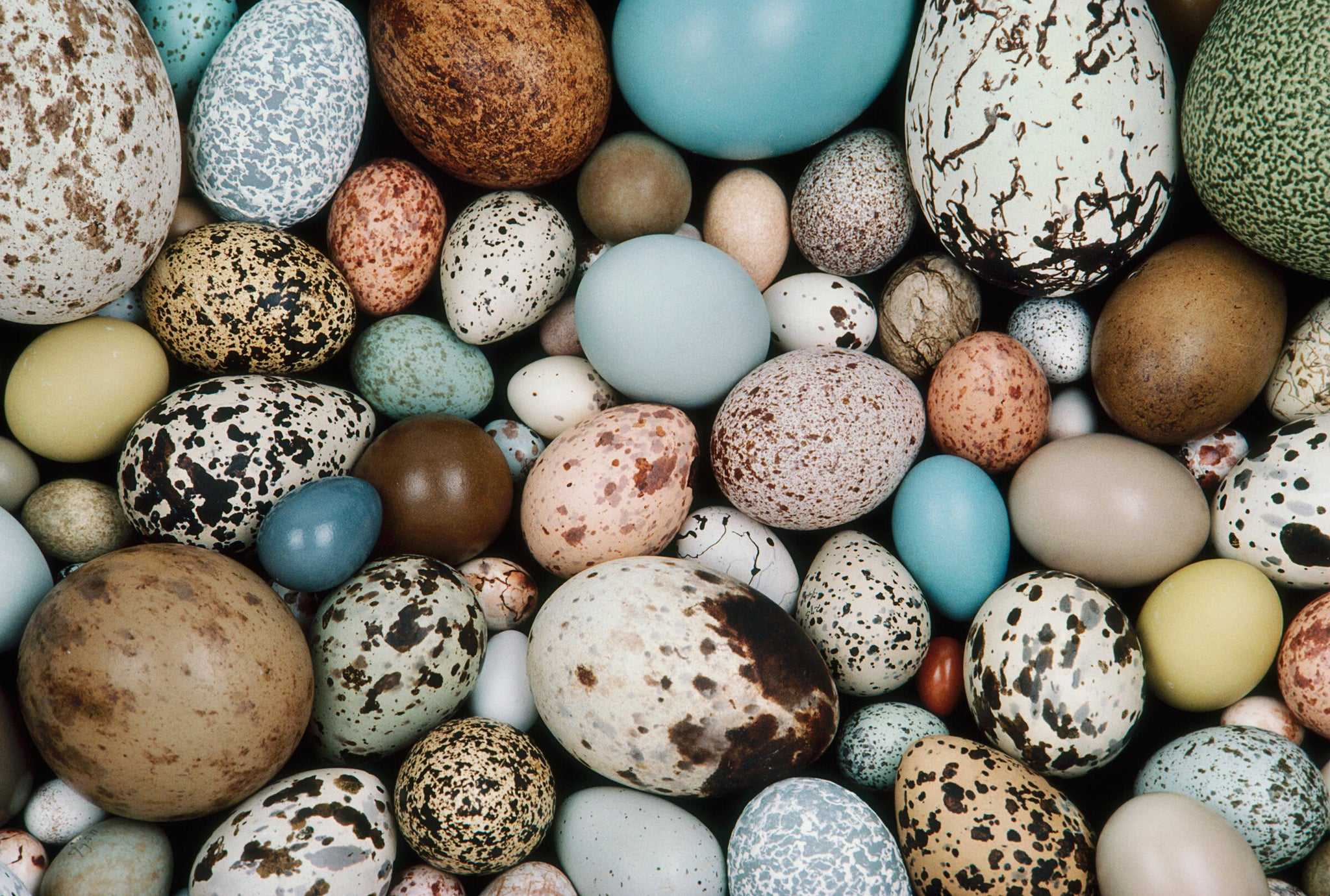
If you’ve ever taken a walk in the woods or through a farmyard, you may have noticed that bird eggs are far from uniform. Some are a bright blue, others earthy brown, and many are speckled or streaked with colors that seem almost painted on. This variety is not just for show. The color of bird eggs is shaped by millions of years of evolution, each hue and pattern serving a purpose. But why are bird eggs different colors? The answer is a fascinating mix of biology, survival, and adaptation.
Let’s dive into the colorful world of bird eggs, exploring how these colors are made, why they matter, and what secrets they reveal about the birds themselves. We’ll look at how the environment, predators, and even the sun have influenced egg color.
Along the way, you’ll discover surprising facts, such as why robins lay blue eggs or how egg colors can help scientists track changes in our world.
The Science Behind Egg Color: Pigments At Work
Bird egg colors come from two main pigments: biliverdin and protoporphyrin. These pigments are made in a bird’s body and are deposited on the eggshell as it forms.
- Biliverdin: This pigment creates blue and green shades. The more biliverdin, the bluer or greener the egg.
- Protoporphyrin: This pigment is responsible for red, brown, and speckled patterns.
Most eggs start out white, and the pigments are added as the shell passes through the oviduct. The combination, amount, and layering of these pigments produce the final color and pattern. For example, a robin’s blue egg is rich in biliverdin, while a quail’s speckled egg has more protoporphyrin.
These pigments don’t just add beauty. They have important roles in protecting and disguising the eggs.
Camouflage: Hiding From Danger
One of the most important reasons for egg color is camouflage. Birds lay eggs in many types of places—open nests, holes, or even on bare ground. The color and pattern of the eggs help protect them from predators like snakes, crows, and mammals.
Open Nesters Vs. Cavity Nesters
Birds that lay eggs in open nests, such as plovers or killdeer, often have eggs with colors and patterns that match the ground or grass. This makes the eggs hard to spot from above.
In contrast, birds that nest in holes or tree cavities, like woodpeckers or owls, often lay plain white eggs. These eggs are hidden from view, so camouflage is less important. The plain color also helps parents see the eggs in the dark nest.
| Nesting Location | Typical Egg Color | Example Bird |
|---|---|---|
| Open ground | Speckled brown/gray | Kildeer |
| Tree branches | Pale blue or green | Robin |
| Cavities/holes | Plain white | Woodpecker |
Matching The Environment
The exact colors and patterns of eggs often match the local environment. For example, birds nesting on sandy beaches lay eggs that are speckled and sand-colored. Birds in forests may lay greenish or bluish eggs to blend with leaves and moss.
Sun Protection: Shielding The Embryo
Eggs are exposed to sunlight in many nests, especially those in open areas. The sun’s rays can damage the developing chick inside. Egg color helps control how much light and heat reach the embryo.
- Darker eggs absorb more heat, which can be good in cold places but risky in hot climates.
- Lighter eggs reflect sunlight, keeping the embryo cooler in sunny spots.
Some studies have shown that darker eggs can overheat quickly if not shaded by the parent. Birds have to balance the need for camouflage with the risk of overheating.
Real-world Example
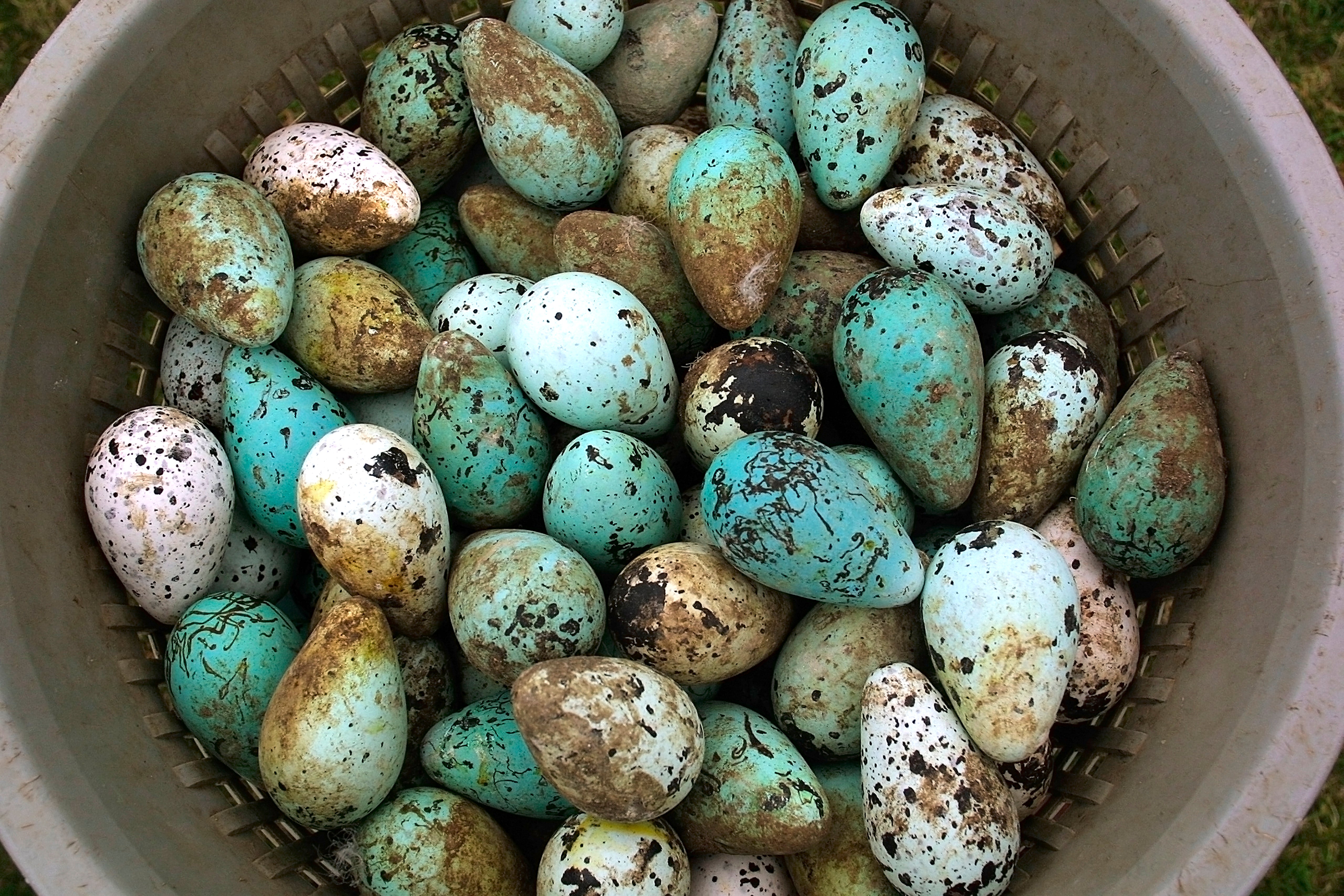
The common murre, a seabird, lays eggs on rocky cliffs with no nest at all. The eggs are often a rich blue or green, which absorbs some warmth from the sun but not enough to harm the chick. This color also helps parents tell their own eggs from the thousands around them.
Communication And Recognition
Egg color can also help birds recognize their own eggs. In colonies where many birds nest close together, this is especially important.
- Some species, like the guillemot, have unique markings on each egg, like fingerprints.
- Robins and other thrushes use blue eggs as a visual cue to know which eggs belong to them.
This recognition can prevent birds from accidentally raising the wrong chicks.
Defense Against Parasitism
A fascinating reason for egg color diversity comes from a battle between birds and brood parasites. Brood parasites, like the common cuckoo, lay their eggs in other birds’ nests. The host bird may end up raising the parasite’s chick instead of its own.
To fight this, some birds have evolved eggs with unique colors and patterns. If a foreign egg looks different, the host may recognize it and throw it out of the nest.
Case Study: The Cuckoo And Its Hosts
Cuckoos are masters of mimicry. They lay eggs that closely match the color and pattern of their host’s eggs. Hosts, in turn, evolve even more complex colors and markings to stay ahead in this evolutionary race.
| Host Bird | Egg Appearance | Cuckoo Egg Match |
|---|---|---|
| Reed Warbler | Pale with red speckles | Very similar |
| Pied Wagtail | Gray with dark lines | Very similar |
This constant back-and-forth leads to a wide variety of egg colors, even among birds of the same species.
Structural Strength: Spots And Shell Quality
Not all egg markings are for hiding or recognition. Some spots and colors signal shell strength.
- Protoporphyrin spots often appear where the shell is thinnest. These spots can make the shell stronger by filling in weak areas.
- Birds laying eggs in poor soil (low in calcium) may have more spots because their shells are thinner.
This is why eggs from the same bird can look different depending on the local environment.

Health And Genetics: Telling The Story Inside
Egg color can also show the health of the mother bird. For example, laying a bright blue or green egg takes more biliverdin, a pigment linked to health.
- A healthy female may lay brighter eggs.
- Dull or pale eggs could signal poor nutrition or illness.
Some scientists believe that bright eggs are a way for female birds to “advertise” their health to mates. This idea is still debated, but there is evidence that males may bring more food to females with brightly colored eggs.
Evolutionary Adaptation: Changing With The World
The color of bird eggs can change over time as birds adapt to new dangers, habitats, or climates.
- In places with many predators, eggs may become better camouflaged.
- In changing climates, egg colors may shift to control temperature.
- When humans change landscapes—cutting forests or building cities—birds may adapt by changing where they nest and the color of their eggs.
Some birds have even started nesting on buildings, and their eggs have become lighter or more reflective to handle the extra sunlight.
Egg Color Diversity: Examples From Around The World
Let’s look at some real-world examples of egg color and what they tell us.
- American Robin: Famous for bright blue eggs. The color helps parents recognize their eggs and may protect against sunlight.
- Ostrich: Lays large, creamy white eggs. The open African savanna means camouflage is less important—the eggs are very tough and parents are always nearby.
- House Sparrow: Lays pale eggs with brown speckles. These help hide the eggs in urban nests.
- Emu: Lays dark green eggs. The color blends with the grassy Australian landscape.
- Northern Lapwing: Eggs are olive with dark spots, perfect for hiding in grassy fields.
- Chicken: Domestic chickens lay white, brown, blue, or green eggs, depending on breed. Selection by humans, not nature, has played a big part here.
- Guillemot: Each egg is uniquely marked, helping parents find their own among thousands.
- Cuckoo: Lays eggs that mimic the host’s eggs, leading to huge color variety.
- Japanese Quail: Lays small, heavily speckled eggs for camouflage in grass.
- Tinamous: Native to South America, some species lay bright purple, blue, or green eggs. These eggs are often hidden under leaves.
How Scientists Study Egg Color
Studying bird eggs has taught us much about evolution and the environment. Scientists use many tools:
- Spectrophotometry: This device measures the exact color and brightness of eggshells, even beyond what humans can see.
- Genetic analysis: Helps identify the genes responsible for pigment production.
- Field observations: Watching how birds react to different egg colors shows what matters most—camouflage, heat, or recognition.
Scientists have found that egg color can be an early warning sign of environmental problems. For example, pollution can change the minerals in the soil, making eggs weaker or changing their color.
Non-obvious Insights: What Beginners Often Miss
- Egg color is not always fixed for a species. Birds can lay different shades depending on their health, diet, and local environment. Two robins from different areas may lay slightly different blue eggs.
- Egg color can signal more than camouflage. In some species, the color helps parents tell if their chicks are likely to survive. For example, studies on blue eggs have shown that they can be linked to stronger, healthier chicks.
- Human impact is changing egg color. As cities grow, birds nesting on buildings are starting to lay lighter or more reflective eggs. This is an example of very fast evolution.
- Birds “see” colors differently than humans. Many birds can see ultraviolet light. Some egg patterns that look plain to us are vivid to birds, which helps with recognition and communication.
Egg Color In Domesticated Birds
People often wonder why supermarket eggs are mostly white or brown, while “fancy” eggs can be blue or green. In domesticated chickens, egg color is mainly about breed:
- Leghorn chickens: Lay white eggs.
- Rhode Island Reds: Lay brown eggs.
- Araucana and Ameraucana: Lay blue or green eggs.
The color doesn’t affect taste or nutrition. It’s simply a result of which pigments the breed’s genes produce.
Conservation And Egg Color
Understanding egg colors helps conservationists protect endangered birds. For example, if eggs are suddenly paler or thinner, it may mean there’s pollution or not enough food in the area.
In some cases, conservationists paint fake eggs to match the natural color, tricking predators or encouraging birds to nest in safe places.
The Role Of Climate Change
Climate change is having a real effect on bird eggs. As temperatures rise, birds in hot areas may start laying lighter eggs to protect embryos from overheating. Scientists have already seen this happening in some species.
Egg Color And Human Culture
Bird eggs have fascinated people for centuries. Blue robin eggs, for example, inspired the color “robin’s egg blue” in paint and fashion. In some cultures, certain egg colors are seen as lucky or are used in art and decoration.
Bird egg collections (now mostly illegal) were once a popular hobby. Today, museums use old collections to study how egg colors have changed over time, giving clues about pollution and climate.
Myths And Misunderstandings
There are a few common myths about egg color:
- Myth: Brown eggs are healthier than white eggs.
- The truth is, color doesn’t affect nutrition.
- Myth: All eggs of a species look the same.
- In reality, there is a lot of variation, even within the same nest.
- Myth: Blue eggs are rare.
- They’re uncommon in the supermarket, but many wild birds lay blue or green eggs.
How To Identify A Bird By Its Egg
Birdwatchers sometimes try to identify birds by their eggs. While possible, it’s tricky because many birds have similar-looking eggs. Clues include:
- Size: Large eggs usually mean large birds.
- Color/pattern: Speckles, streaks, or plain colors can help narrow down the species.
- Nest location: Eggs found in a tree cavity are likely from a hole-nesting species.
But it’s important not to disturb wild nests. Watching from a distance is best for both birds and people.
Bird Egg Color: Nature’s Secret Code
Bird eggs are much more than just a way to produce the next generation. Their colors and patterns are like a secret code, shaped by the challenges of survival and the demands of the environment. From the cool blue of a robin’s egg to the sandy camouflage of a plover’s, each color tells a story.
Whether you’re a birdwatcher, a scientist, or just someone who enjoys nature, the color of bird eggs is a reminder that even the smallest details in nature can be deeply meaningful. The next time you see a bird’s nest, take a closer look—you’re seeing the result of millions of years of adaptation and creativity.
If you want to explore more about the science behind egg color and bird evolution, the Wikipedia page on bird eggs is an excellent resource.
Frequently Asked Questions
Why Do Some Birds Lay Blue Eggs While Others Lay Brown Or White Eggs?
The color of bird eggs depends on the types and amounts of pigments, mainly biliverdin (blue/green) and protoporphyrin (brown/red), added during shell formation. The egg’s color helps with camouflage, sun protection, or recognition, based on where and how the bird nests.
Do Egg Colors Affect The Taste Or Nutrition Of The Egg?
No, the color of the eggshell does not affect taste or nutrition. The flavor and nutrients come from the bird’s diet, not from the shell’s color. This applies to both wild and domestic birds.
Can Birds Recognize Their Own Eggs By Color?
Yes, many birds can recognize their eggs by color, especially in species where many birds nest close together. Unique colors or patterns help parents avoid raising the wrong chicks, especially when brood parasites are common.
Are There Any Dangers To Birds If Their Eggs Are The Wrong Color?
Yes, if eggs are the wrong color for their environment, they may be easier for predators to find or may absorb too much heat. Also, if a host bird cannot recognize a foreign egg, it may end up raising a parasite’s chick.
How Is Climate Change Affecting Bird Egg Color?
As temperatures rise, birds in hot regions may lay lighter-colored eggs to prevent overheating of the embryo. Scientists are already observing changes in some species, showing how quickly birds can adapt to new environmental challenges.
Bird eggs are a fascinating blend of art and science. Their colors carry messages about survival, health, and adaptation—proof that even small things in nature can have a big story behind them.