Flying drones is exciting. But if you’re new, you might feel confused about cameras. What’s the difference between an FPV camera and a regular camera? Why do drone pilots use FPV cameras instead of normal ones for flying? Are they just smaller, or is there more to it?
This article will give you clear answers. We’ll compare FPV cameras and regular cameras in detail. You’ll learn how each works, their main features, and why one is better for some tasks. We’ll use simple English, practical examples, and easy-to-read tables.
You’ll also discover some key facts most beginners miss—so you can make smarter choices about drone cameras.
What Is An Fpv Camera?
FPV stands for First Person View. An FPV camera is a small camera mounted on a drone or RC vehicle. It sends live video to a pilot’s goggles or screen. The pilot sees what the drone sees in real time, almost like being inside the drone.
FPV cameras are made for flying, racing, and freestyle. They are not designed for recording high-quality video. Instead, they focus on fast video transmission and low delay (latency).
Key Features Of Fpv Cameras
- Live video transmission: Sends video directly to goggles or a screen.
- Low latency: Video delay is usually less than 50 milliseconds.
- Small and lightweight: Usually weigh less than 20 grams.
- Analog or digital output: Most are analog (NTSC/PAL), but digital options (like DJI FPV) are growing.
- Wide field of view: Typically 120–170 degrees.
- Low resolution: Common resolutions are 480p–720p.
- Robust build: Designed to survive crashes and harsh conditions.
Real-life Example
If you’re racing a drone at 70 mph, you need to react fast. An FPV camera lets you see obstacles instantly. A delay of even 0. 2 seconds could cause a crash. That’s why FPV cameras are optimized for speed, not video quality.
What Is A Regular Camera?
A regular camera is what most people use for photography or video. Examples include DSLRs, mirrorless cameras, smartphone cameras, or action cams like GoPro. These cameras focus on image quality, recording, and sometimes live streaming.
Regular cameras are made for taking photos and videos you want to keep or share. They have high resolution, good color, and many features for creative control.
Main Features Of Regular Cameras
- High resolution: From 1080p (Full HD) to 4K and above.
- Image recording: Store photos and videos on a memory card.
- Advanced settings: ISO, shutter speed, white balance, autofocus.
- Large sensor size: Better image quality, low light performance.
- Higher weight: Usually 100–800 grams, depending on model.
- Slower video output: Live streaming is possible, but with more delay.
Real-life Example
If you want to film a mountain view with your drone, you’ll use a regular camera like a GoPro. The video will look sharp and colorful. But you won’t get a live feed with low latency like FPV cameras.
Fpv Camera Vs Regular Camera: Core Differences
Understanding the differences helps you pick the right camera for your needs. Let’s break down the main contrasts.
| Feature | FPV Camera | Regular Camera |
|---|---|---|
| Purpose | Live flight view | Recording/photography |
| Resolution | 480p–720p | 1080p–8K |
| Latency | <50 ms | 100–500 ms |
| Field of View | 120–170° | 60–120° |
| Weight | 10–20 g | 100–800 g |
| Recording | No (live only) | Yes (photo/video) |
| Durability | Crash-resistant | Less robust |
| Price Range | $20–$100 | $100–$2,000+ |
Key Takeaways
- FPV cameras are for live flying, not for recording.
- Regular cameras are for recording and sharing photos/videos.
How Fpv Cameras Work
FPV cameras connect to a video transmitter (VTX) on the drone. The camera sends video to the VTX, which broadcasts it to the pilot’s receiver (goggles or monitor).
Analog Vs Digital Fpv
Most FPV systems are analog. They use NTSC or PAL video signals, which have lower resolution but very low latency.
Digital FPV (like DJI FPV) offers clearer images, but latency is slightly higher. Digital systems are getting more popular, but analog is still common for racing.
Fpv Camera Setup Example
A typical FPV setup:
- FPV camera mounted on drone.
- Video transmitter (VTX) connected to camera.
- Antenna sends video signal wirelessly.
- Pilot uses FPV goggles to view live feed.
This setup lets you fly as if you’re inside the drone. You see every turn and obstacle instantly.

How Regular Cameras Work
Regular cameras capture images using a sensor. They store photos/videos on memory cards. Some can live stream via WiFi or HDMI, but with higher delay.
Recording Modes
- Photo mode: Take still photos.
- Video mode: Record high-quality video.
- Live view: Preview image on screen, but not designed for real-time control.
Regular cameras focus on quality, not speed. They are ideal for making movies, vlogs, or taking sharp photos.
Why Fpv Cameras Are Used For Flying
FPV cameras let pilots fly drones from a first-person perspective. This is needed for racing, freestyle, or flying in tight spaces.
Advantages Of Fpv Cameras
- Low latency: You see obstacles immediately.
- Wide field of view: Spot hazards from the sides.
- Lightweight: Doesn’t affect drone performance.
- Durable: Survives crashes and weather.
Hidden Insight
Many beginners don’t realize that even a small delay (latency) can ruin a race. A delay of 0. 1 seconds feels slow when flying at high speed.
Why Regular Cameras Are Used For Filming
Regular cameras are made for capturing memories, professional video, and photography.
Advantages Of Regular Cameras
- High resolution: Clear, sharp footage.
- Advanced features: Manual controls, stabilization.
- Recording: Save photos and videos for editing.
- Creative control: Adjust lens, settings, and filters.
Hidden Insight
Some drones carry both FPV and regular cameras. The FPV camera is for piloting, while the regular camera records video. This way, you get the best of both worlds.
Common Uses Of Fpv Cameras
FPV cameras are used in several ways:
- Drone racing: Pilots need instant feedback.
- Freestyle flying: Performing tricks in tight spaces.
- RC vehicles: Cars, boats, planes for immersive control.
- Search & rescue: Navigating dangerous areas.
FPV cameras are not suited for making movies or taking high-quality photos.
Common Uses Of Regular Cameras
Regular cameras are used for:
- Aerial photography: Capturing landscapes.
- Videography: Filming events, movies, vlogs.
- Surveillance: Security cameras.
- Personal photos: Everyday memories.
Drone pilots often use action cams like GoPro for aerial filming.
Fpv Camera Vs Regular Camera: Technical Comparison
Let’s look at a technical comparison between FPV and regular cameras.
| Specification | FPV Camera Example | Regular Camera Example |
|---|---|---|
| Resolution | 600TVL (approx. 480p) | GoPro Hero10 (5.3K) |
| Sensor Size | 1/3″ CMOS | 1/2.3″ CMOS |
| Lens | 2.1mm, FOV 160° | Fixed, FOV 120° |
| Latency | <20 ms (analog) | 200 ms (WiFi live stream) |
| Weight | 12g | 153g |
| Recording | No | Yes, microSD |
| Durability | Crash-resistant | Waterproof (GoPro) |
| Power Consumption | 50–200 mA | 600–900 mA |
Fpv Camera Technology: What Matters Most
When choosing an FPV camera, key factors are:
- Latency: Lower is better for flying.
- Field of view: Wider helps avoid crashes.
- Sensitivity: Good low light performance.
- Durability: Strong casing, lens protection.
- Weight: Light cameras help drones move faster.
Beginners often overlook latency. They might pick a high-resolution camera, but resolution isn’t as important as speed for FPV.
Regular Camera Technology: What Matters Most
For regular cameras, important factors are:
- Resolution: Higher means clearer images.
- Sensor size: Bigger sensors = better low light.
- Stabilization: Smooth video, less blur.
- Recording features: Slow motion, HDR, etc.
- Battery life: Longer shooting time.
Some buyers focus too much on megapixels. In reality, sensor size and stabilization are more important for quality video.
Fpv Camera Types
FPV cameras come in different shapes:
- Micro: 14mm width, very light, for small drones.
- Mini: 21mm width, for racing drones.
- Standard: 28mm width, for larger drones.
They also differ in lens type and sensor. Some are optimized for night flying.
Regular Camera Types
Regular cameras used on drones include:
- Action cameras: GoPro, DJI Osmo Action.
- Mirrorless cameras: Sony Alpha, Canon EOS M.
- DSLRs: Used for professional aerial photography.
- Smartphone cameras: Sometimes used for basic filming.
Most drone pilots use action cams because they are light and tough.
Fpv Camera Mounting And Setup
FPV cameras are mounted at the front of drones, tilted up for better view during fast flight. The angle is usually 20–40 degrees.
The camera connects to the VTX, which needs proper wiring and antenna placement. Beginners often mount the camera too low, which limits visibility.
Regular Camera Mounting And Setup
Regular cameras are mounted on gimbals for stable video. Gimbals compensate for drone movement, giving smooth footage.
If you mount a camera wrong, video will be shaky. Heavier cameras need strong drones, or flight time will drop.
Cost Comparison
FPV cameras are much cheaper than regular cameras.
| Camera Type | Typical Cost (USD) |
|---|---|
| FPV Camera (Analog) | $25–$60 |
| FPV Camera (Digital) | $80–$150 |
| Action Camera (GoPro) | $200–$500 |
| Mirrorless/DSLR | $400–$2,000+ |
Common Mistakes When Choosing Cameras
Fpv Camera Mistakes
- Choosing high resolution over low latency.
- Ignoring field of view (too narrow limits visibility).
- Buying heavy cameras that slow down the drone.
Regular Camera Mistakes
- Choosing by megapixels only, not sensor size.
- Ignoring stabilization for aerial video.
- Mounting heavy cameras on weak drones (causes crashes).
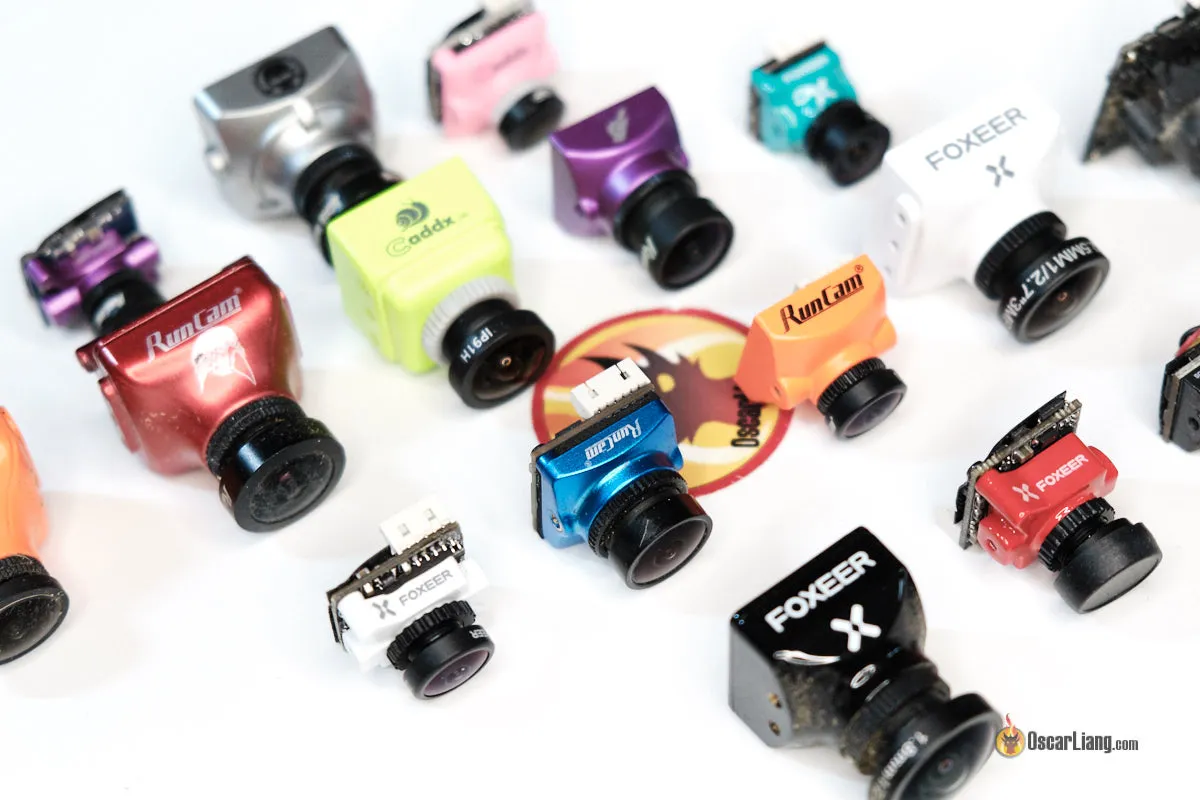
Fpv Camera Brands And Models
Popular brands for FPV cameras include:
- RunCam: Known for durability and low latency.
- Foxeer: Wide field of view, good color.
- Caddx: Affordable, digital options.
Popular models:
- RunCam Swift 2: Standard for racing.
- Foxeer Predator: Fast response.
- Caddx Vista: Digital FPV.
Regular Camera Brands And Models
Top brands for regular cameras:
- GoPro: Action cams, waterproof.
- DJI: Built-in cameras for drones.
- Sony: Mirrorless cameras.
- Canon: DSLR and mirrorless.
Popular models:
- GoPro Hero10: 5.3K video.
- DJI Osmo Action: Stabilized footage.
- Sony Alpha 7: Full-frame mirrorless.
Fpv Camera Vs Regular Camera: Which Should You Choose?
Your choice depends on your goal:
- For drone racing/flying, use an FPV camera.
- For filming/photography, use a regular camera.
Some advanced drones carry both. The FPV camera is for piloting, and the regular camera is for recording.
Real-world Comparison: Drone Piloting
Imagine flying two drones:
- Drone A: FPV camera, pilot uses goggles.
- Drone B: GoPro camera, pilot uses smartphone screen.
Drone A reacts instantly to obstacles, turns fast, and survives crashes. Drone B records beautiful footage, but the pilot sees delayed video and risks crashing.
For safe, fast flying, FPV is best. For quality filming, regular cameras win.
Data And Statistics
- FPV camera latency: Typically 10–50 ms (analog); up to 100 ms (digital).
- Regular camera latency: 100–500 ms for live streaming.
- FPV camera weight: Usually 10–20 g.
- Regular camera weight: 100–800 g.
- Drone racing speeds: Up to 120 mph (FPV cameras needed).
According to Wikipedia, FPV systems are essential for drone racing because of their low latency and immersive view.
Non-obvious Insights
- FPV cameras can’t record video—they only send live feed. Many beginners try to record with FPV cameras but get disappointed.
- Latency matters more than resolution for FPV flying. Even if the video looks blurry, fast response saves crashes.
Frequently Asked Questions
What Is Latency, And Why Is It Important For Fpv Cameras?
Latency is the delay between what the camera sees and what the pilot sees. For FPV flying, low latency is critical. High latency means the pilot reacts late, causing crashes. FPV cameras keep latency below 50 ms, while regular cameras can be much slower.
Can I Use A Regular Camera For Fpv Flying?
Technically, yes, but it’s not safe. Regular cameras have high latency and narrow field of view. Pilots may crash because they don’t see obstacles in real time. For safe flying, an FPV camera is best.
Why Do Fpv Cameras Look “blurry” Compared To Gopro?
FPV cameras use low resolution to keep latency low. The focus is on speed, not quality. GoPro and regular cameras use high resolution for clear video, but this makes live feed slower.
Can I Record Video With An Fpv Camera?
No. FPV cameras only send live video to goggles or a monitor. If you want to record, you need a separate regular camera like GoPro or DJI.
How Do I Choose The Best Fpv Camera For My Drone?
Look for low latency, wide field of view, good low-light performance, and light weight. Avoid focusing only on resolution. Brands like RunCam and Foxeer are popular for FPV drones.
Final Thoughts
FPV cameras and regular cameras serve very different purposes. FPV cameras are made for fast, real-time flying, with low latency and wide view. Regular cameras are designed for recording, photography, and sharing memories, with high resolution and creative features.
If you want to fly fast, race, or do tricks, choose an FPV camera. If you want to make movies or take beautiful photos, use a regular camera. Some drones use both, so you can enjoy immersive flying and quality recording.
Understanding these differences helps you pick the right tool for your drone adventures. Avoid common mistakes, focus on what matters, and enjoy flying or filming with confidence.