Are Fpv Cameras Compatible With All Drones?
Flying drones with live video is exciting, but choosing the right FPV camera can be confusing, especially if you’re new to the hobby. Many people think FPV cameras work with any drone. In reality, it’s not that simple. Compatibility depends on technical factors, drone design, and your goals.
If you want smooth video, low latency, and easy installation, you need to know what makes FPV cameras work—or fail—on different drones.
This article will help you understand FPV camera compatibility, show real examples, and help you avoid common mistakes. Whether you want to upgrade your drone or build one from scratch, you’ll find clear answers and practical advice.
What Is An Fpv Camera?
An FPV camera (First Person View camera) lets you see what your drone sees in real time. It sends live video to a screen or goggles, so you can fly as if you’re sitting inside the drone. FPV cameras are small, lightweight, and built for fast video transmission.
Most FPV cameras use analog signals, which are quick and work well for racing drones. Newer models offer digital video, giving better quality but sometimes higher latency. Choosing between analog and digital depends on your drone’s electronics and your flying style.
FPV cameras are not the same as action cameras like GoPro. Action cameras record video for later, while FPV cameras stream live footage for real-time control.
Types Of Drones And Their Fpv Compatibility
Not every drone is designed for FPV. Let’s look at common drone types and how FPV cameras fit in.
Racing Drones
Racing drones are built for speed and agility. Almost all racing drones have FPV cameras as standard equipment. They use analog cameras for low latency, so the pilot gets instant feedback.
Freestyle Drones
Freestyle drones focus on tricks and smooth flying. Like racing drones, they rely on FPV cameras. Most freestyle drones support standard FPV camera mounts and connections.
Camera Drones
Camera drones like DJI Mavic or Autel Evo are made for photography and video. They have built-in cameras for recording, not FPV. Some models allow FPV add-ons, but this is less common and usually requires custom modifications.
Toy Drones
Toy drones are small, cheap, and often lack camera mounts. FPV cameras can sometimes be added, but compatibility is limited. Power and space constraints make upgrades hard.
Diy Drones
DIY drones let you choose every part. You can use almost any FPV camera, as long as the electronics match. DIY builders have the most flexibility.
Fpv Camera Compatibility: Key Factors
FPV cameras are not universally compatible. Several factors decide if a camera will work on your drone.
1. Physical Mounting
FPV cameras come in different shapes and sizes. Common sizes are micro (19mm), mini (21mm), and standard (28mm). If your drone’s frame doesn’t match the camera, you’ll need adapters or custom mounts.
2. Power Supply
FPV cameras need power from the drone. Most use 5V or 12V, but some accept a wider range. If your drone’s power system is different, the camera won’t work, or it may get damaged.
3. Video Signal Type
Analog FPV cameras use PAL or NTSC formats. Digital FPV cameras (like DJI FPV system) use digital signals. Mixing analog cameras with digital video transmitters doesn’t work.
4. Connector Type
FPV cameras connect with wires. Common connectors are 3-pin, 4-pin, or custom plugs. Your drone must match the camera’s connector or you’ll need adapters.
5. Flight Controller Support
The drone’s flight controller must support FPV video. Some controllers only work with certain camera types or video signals.
6. Weight And Size
Large FPV cameras won’t fit on small drones. Heavy cameras can affect flight performance, especially on micro drones.
7. Latency
For racing, low latency is critical. Analog cameras are fastest. Digital cameras offer better quality but can lag.
Here’s a quick comparison:
| FPV Camera Type | Latency | Video Quality | Common Use |
|---|---|---|---|
| Analog | Very Low | Medium | Racing, Freestyle |
| Digital | Medium | High | Photography, HD FPV |
Fpv Camera Installation: Real Examples
Let’s look at practical cases where FPV camera compatibility matters.
Upgrading A Racing Drone
If you want to upgrade an old racing drone, check:
- Frame size: Will the new camera fit?
- Power supply: Does the camera need 5V or 12V?
- Connector: Is it plug-and-play or do you need rewiring?
- Video signal: If your video transmitter is analog, use an analog camera.
Most upgrades are easy if you match these points. Beginners often forget about connector types, leading to frustration.
Adding Fpv To A Camera Drone
Adding FPV to a DJI Mavic is tricky. Mavic has a built-in camera for recording, not FPV. To get real FPV, you need:
- An FPV camera and transmitter
- Custom mounting (not standard)
- Separate power supply
This setup is complex and can void warranties. Many people assume it’s simple, but factory camera drones are not designed for easy FPV upgrades.
Building A Diy Drone
When building from scratch, you can choose any FPV camera. Match the camera to the frame, power system, and video transmitter. DIY builders often use micro cameras for small builds, and standard cameras for larger drones.
Compatibility Issues: Common Mistakes
Many drone owners make mistakes when adding FPV cameras. Here are some to avoid:
- Wrong voltage: Connecting a 5V camera to a 12V supply can destroy it.
- Mismatched connectors: Not all cameras use the same plug.
- Signal confusion: Mixing analog and digital systems fails.
- Oversized cameras: Large cameras don’t fit small drones.
- Ignoring latency: For racing, choose low-latency cameras.
Most errors happen because people assume all cameras are universal. Always check specs before buying.
Fpv Camera Specifications: What Matters Most
When choosing an FPV camera, focus on these specs:
- Resolution: Higher resolution gives better video, but not always needed for racing.
- Lens size: Wide-angle lenses give more view, but can distort edges.
- Field of view (FOV): A wider FOV helps see obstacles, but too wide can confuse.
- Latency: Essential for fast flying.
- Weight: Important for small drones.
- Voltage range: Make sure it matches your drone’s power supply.
Here’s a comparison of popular FPV camera specs:
| Camera Model | Resolution | FOV | Voltage Range | Weight |
|---|---|---|---|---|
| RunCam Swift 2 | 600TVL | 120° | 5-36V | 18g |
| Foxeer Predator Mini | 1000TVL | 135° | 5-20V | 9g |
| DJI FPV Camera | 720p | 150° | 7-17V | 8.2g |
Adapting Fpv Cameras: Solutions For Difficult Drones
If your drone isn’t designed for FPV, you can sometimes adapt it. Here’s how:
Custom Mounts
Use 3D printed mounts or foam pads to fit cameras on unusual frames. Many online stores sell custom adapters.
Voltage Regulators
If your power supply doesn’t match the camera, use a voltage regulator. These convert power safely.
Signal Converters
For drones with digital systems, use signal converters to adapt analog cameras. This is rare but possible.
Micro Cameras
Micro cameras are small and light, good for toy or mini drones. They need less power and fit tight spaces.
Wireless Transmitters
If your drone lacks wiring, some FPV cameras have built-in wireless transmitters. These are less reliable, but work for basic FPV.
Fpv Camera Brands And Compatibility
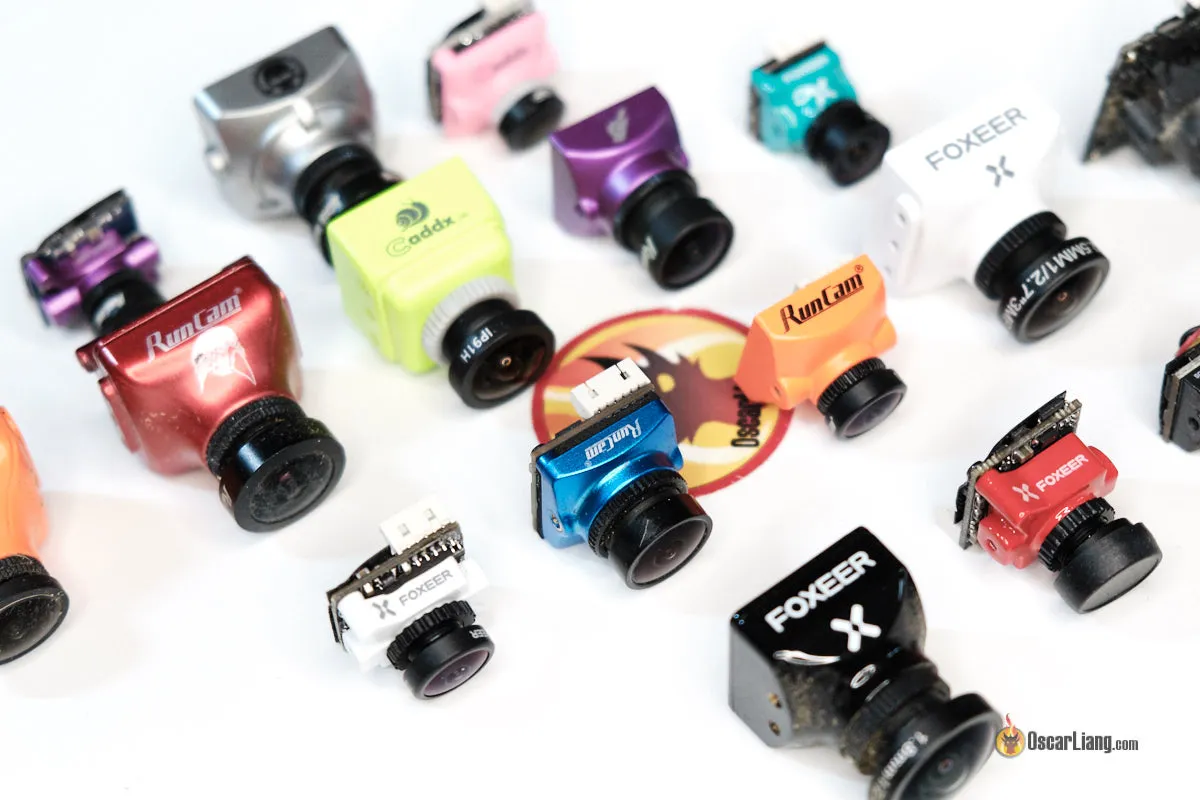
Some brands make FPV cameras that are easier to fit on most drones. Here’s a quick look:
- RunCam: Wide range, good for DIY and upgrades.
- Foxeer: High quality, many connector options.
- DJI: Digital FPV, only compatible with DJI systems.
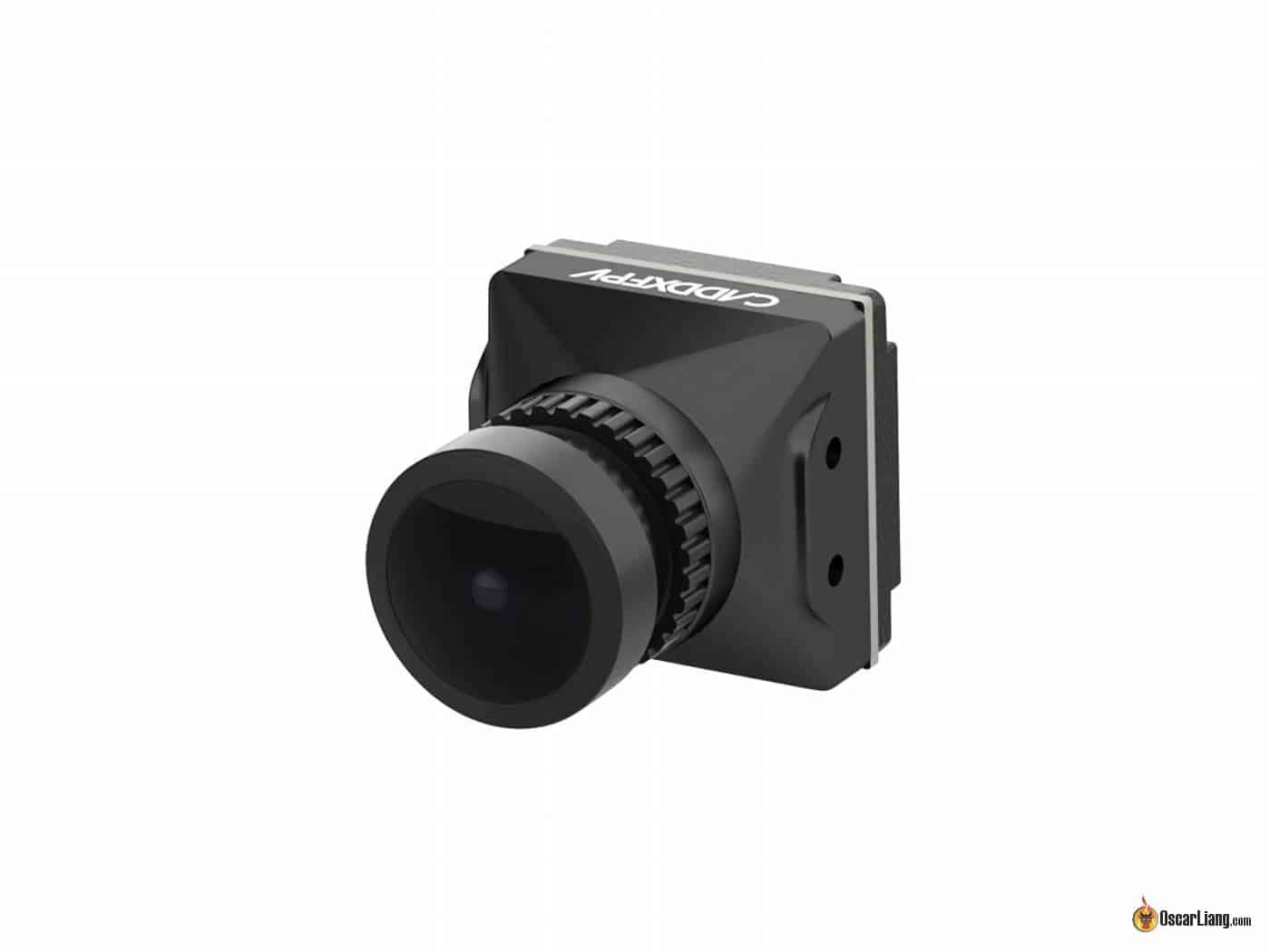
- Caddx: Both analog and digital, flexible options.
Not all brands are cross-compatible. For example, DJI FPV cameras only work with DJI FPV systems.
Here’s a brand compatibility comparison:
| Brand | Analog Support | Digital Support | Drone Type Compatibility |
|---|---|---|---|
| RunCam | Yes | Some Models | Racing, Freestyle, DIY |
| Foxeer | Yes | Few Models | Racing, Freestyle |
| DJI | No | Yes | DJI FPV, Camera Drones |
| Caddx | Yes | Yes | DIY, Racing, Digital FPV |
Fpv Camera Compatibility And Regulations
Drone laws affect FPV camera use. In some countries, you need a spotter if flying FPV. The FAA in the US requires line-of-sight flying. Using FPV cameras may require extra safety steps.
Some digital FPV systems use frequencies that are regulated. Always check local rules before installing new cameras.
Future Trends In Fpv Camera Compatibility
FPV technology is changing fast. Here’s what to expect:
- Universal adapters: More brands are making plug-and-play adapters.
- Smaller cameras: Micro FPV cameras are getting better and lighter.
- Digital systems: Digital FPV is becoming standard for high-quality video.
- Smart integration: New drones may auto-detect camera types for easy setup.
Beginners often miss that new trends can make old cameras obsolete. Always check compatibility with your drone’s latest firmware.
Practical Tips For Choosing The Right Fpv Camera
Here are practical tips to help you pick the best FPV camera for your drone:
- Check the frame size: Make sure the camera will physically fit.
- Match the voltage: Use the correct power supply to avoid damage.
- Choose signal type: Analog for racing, digital for HD video.
- Pick the right connector: Check plugs before buying.
- Consider weight: Light cameras are better for small drones.
- Read reviews: User feedback helps spot hidden issues.
- Test before final install: Connect and test the camera before mounting.
Most beginners forget about weight and connectors. Double-check these before purchase.
Fpv Camera Compatibility: Case Studies
Let’s look at real-world cases.
Case 1: Racing Drone Upgrade
A pilot wants to upgrade from a RunCam Swift to a Foxeer Predator Mini. Both are analog, but the Predator Mini is lighter and has a wider FOV. The drone’s frame fits both. The main challenge is the connector—the Predator uses a 4-pin, but the old drone has a 3-pin.
The pilot uses an adapter, and the upgrade works.
Case 2: Adding Fpv To A Dji Phantom
A user tries to add an analog FPV camera to a DJI Phantom. The Phantom’s controller is digital, and the camera’s signal is analog. The system cannot connect directly. The user needs a signal converter and custom power supply, making the upgrade expensive and complex.
Case 3: Diy Micro Drone Build
A builder uses a Caddx micro camera for a tiny drone. The frame is small, and the camera fits perfectly. The voltage matches, and the connector plugs in. The micro camera’s low weight keeps the drone agile.
These cases show why checking compatibility matters.

Fpv Camera Compatibility Checklist
Before buying or installing an FPV camera, use this checklist:
- Does the camera fit your drone’s frame?
- Is the voltage range correct?
- Does the connector match?
- Is the video signal type compatible?
- Is the weight suitable?
- Do you need adapters or custom mounts?
- Is the camera approved for use in your country?
Missing any step can lead to wasted money or damaged equipment.
Fpv Camera Compatibility: Expert Insights
Many experts recommend starting with analog FPV cameras for beginners. Analog systems are easier to install, and parts are widely available. As you gain experience, digital FPV systems offer better video but require careful matching with transmitters and controllers.
A common beginner mistake is buying the highest resolution camera without checking if their video transmitter supports it. Always match your camera to your drone’s system.
For more detailed specs and compatibility guides, see Wikipedia FPV (drone).
Frequently Asked Questions
Can I Use Any Fpv Camera With Any Drone?
No, not all FPV cameras are compatible with every drone. You must match the camera’s size, voltage, connector, and signal type to your drone’s system.
Is Analog Or Digital Fpv Better For Racing Drones?
Analog FPV is preferred for racing because it has lower latency. Digital FPV is better for video quality but can lag, which is risky in fast flights.
What Happens If I Use The Wrong Voltage Fpv Camera?
Using the wrong voltage can damage the camera or the drone. Always check the camera’s voltage range and match it to your drone’s power supply.
Can I Add An Fpv Camera To A Camera Drone Like Dji Mavic?
It’s possible, but difficult. You need custom mounts, a separate transmitter, and possibly adapters. Factory camera drones are not designed for easy FPV upgrades.
How Do I Know If My Fpv Camera Is Compatible?
Check the camera’s physical size, voltage, connector type, and video signal. Compare these to your drone’s specifications. If they match, the camera should work.
—
FPV cameras open new ways to fly drones, but compatibility is not guaranteed. Always check technical specs, frame fit, and signal types before buying or installing a camera. With careful planning, you can enjoy smooth FPV flights, avoid costly mistakes, and get the best performance from your drone.
Whether you are upgrading, building, or just starting, understanding FPV camera compatibility is the key to successful drone flying.