Deer are famous for their grace, beauty, and secretive lives in forests and fields. Yet, one area that surprises many people is how they communicate, especially during mating season. If you’ve ever heard strange sounds in the woods—like grunts, bleats, or even roars—you might have been listening to a deer mating call. These calls are more than random noises; they play a vital role in the life cycle of deer, helping males and females find each other, compete, and even avoid danger.
Understanding what a deer mating call is, how it sounds, and why it matters can open a new world for nature lovers, hunters, and anyone interested in wildlife. Let’s dive into the fascinating world of deer communication during the rut.
What Is A Deer Mating Call?
A deer mating call is a vocal sound that deer use to communicate during breeding season. Each species has its own unique calls, but the main purpose is similar: to attract mates, warn rivals, and signal readiness for mating. These calls are most common in the rutting season, when deer are seeking partners.
Both male and female deer can make mating calls, but the sounds are often different. Males usually produce louder, deeper calls to show strength or scare off other males. Females make higher, softer calls to signal their location and readiness.
Why Do Deer Use Mating Calls?
Mating calls are not just about romance—they are a key survival tool. Here’s why:
- Attracting mates: Males use calls to let females know they are present and strong.
- Challenging rivals: Loud calls warn other males to stay away from their territory.
- Signaling readiness: Females call to show they are ready to mate, making it easier for males to find them.
- Keeping contact: In thick forests, calls help deer locate each other when they can’t see.
Without these sounds, deer would have a much harder time finding partners and reproducing.
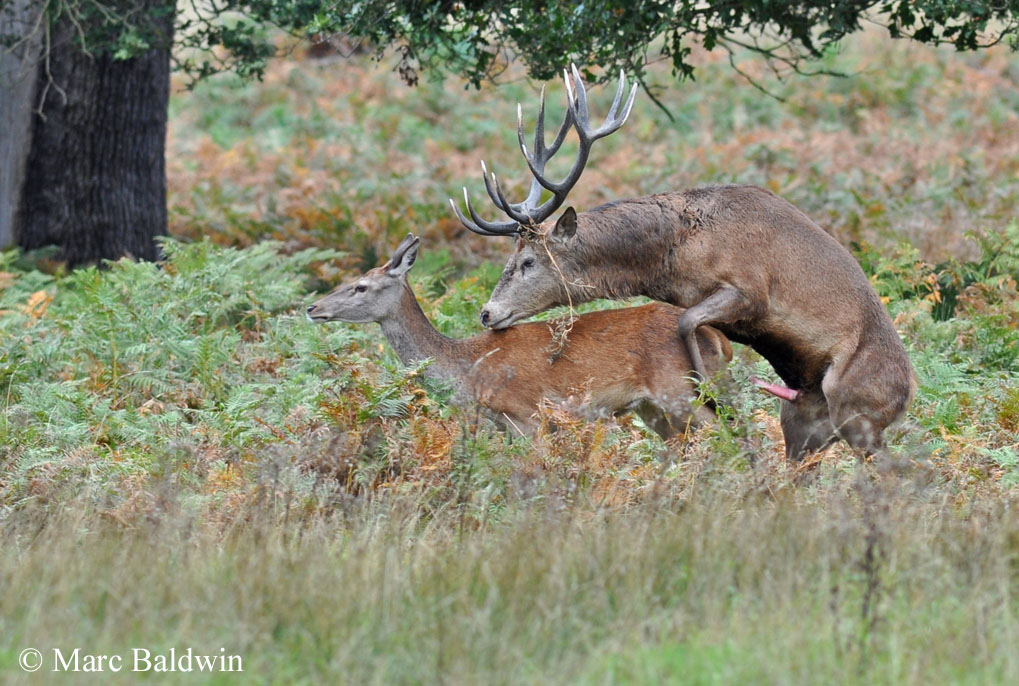
Types Of Deer Mating Calls
Deer use a variety of calls during mating season. The exact sound depends on the species, age, and situation. Here are some of the most common calls:
Grunt
The grunt is a short, low sound made by male deer (bucks). It often means, “I’m here,” or “This is my area.” Bucks grunt to attract does and warn other males.
Bleat
A bleat is a high-pitched call, usually made by females (does) or young deer. During the rut, does bleat to signal they are ready to mate. Fawns also bleat to call their mothers.
Roar
Some species, like the red deer, use a deep roar. This call is loud and can travel far. It tells other males to stay back and impresses females. In North America, elk (a type of deer) make a similar bugling sound.
Snort-wheeze
The snort-wheeze is a strong, sharp sound made by bucks. It is a challenge to other males, often before a fight.
Tending Grunt
When a buck is close to a doe he wants to mate with, he uses a tending grunt. This is a softer, repeated version of the normal grunt, showing interest and readiness.
How Deer Mating Calls Differ By Species
Different deer species use different calls. Here’s a quick look at the main types.
| Species | Main Mating Call | Call Purpose |
|---|---|---|
| White-tailed Deer | Grunt, Bleat, Snort-Wheeze | Attract mate, challenge males |
| Mule Deer | Grunt, Bleat | Attract mate, signal location |
| Red Deer | Roar | Impress females, warn rivals |
| Elk | Bugle | Claim territory, attract mate |
When Do Deer Use Mating Calls?
Mating calls happen mostly during the rut, or breeding season. The timing depends on the deer species and where they live.
| Species | Peak Rut Season | Location |
|---|---|---|
| White-tailed Deer | October–November | North America |
| Red Deer | September–October | Europe, Asia |
| Elk | September–October | North America |
During these months, forests and fields come alive with the sounds of deer calling to each other.
How Do Deer Make These Calls?
Deer produce mating calls by forcing air through their larynx (voice box). The shape of their mouth, tongue, and throat can change the sound. Larger species, like elk, can make very loud calls that carry over long distances.
Some deer even use their noses to help shape sounds, especially when making the snort-wheeze.

How Humans Use Deer Mating Calls
Hunters and wildlife watchers often use deer calls to mimic these sounds. By copying a mating call, they can attract deer closer for observation or hunting. There are special tools, called grunt tubes or bleat cans, designed to make realistic calls.
However, beginners often make two common mistakes:
- Over-calling: Using the call too often or too loudly can scare deer away.
- Wrong timing: Using a mating call outside of the rut won’t work, as deer are not interested then.
Practice and timing are key to using these calls successfully.
Examples Of Deer Mating Calls In The Wild
If you want to hear real deer mating calls, watch for these moments:
- Early morning or late evening, when deer are most active.
- During the peak rut, when competition is highest.
- In areas with high deer populations.
Some wildlife documentaries and websites also share recordings, so you can learn what to listen for. For a deeper look into deer communication, you can visit the Wikipedia page on deer.
What Makes A Mating Call Successful?
Not every call leads to mating. Here’s what matters:
- Sound quality: Healthier, larger deer often have deeper or louder calls, which attract more mates.
- Timing: Calling at the right moment increases success.
- Location: Making calls in safe, hidden spots reduces risk from predators.
Interestingly, some deer even learn to adjust their calls if they sense danger, keeping their communication short or quiet.
Frequently Asked Questions
What Is The Main Purpose Of A Deer Mating Call?
The main purpose is to attract a mate and warn off rivals during the breeding season. These calls help deer find each other in dense forests and ensure successful reproduction.
Do Only Male Deer Make Mating Calls?
No, both males and females can make mating calls. Males often grunt or roar, while females use softer bleats to signal readiness.
Can People Hear All Deer Mating Calls?
Most deer calls are loud enough for humans to hear, especially during the rut. However, some are soft and may be missed if you’re not paying attention.
Is It Legal To Use Deer Calls For Hunting Everywhere?
Laws differ by location. Some areas allow artificial deer calls for hunting, while others ban them. Always check local rules before using any device.
Are Deer Mating Calls Dangerous For The Animals?
In general, mating calls are not dangerous, but loud calls can attract predators. Deer balance the need to communicate with the risk of being heard by threats.
The world of deer mating calls is complex and full of surprises. By learning their sounds and meanings, you gain a deeper respect for these amazing animals and their place in nature.