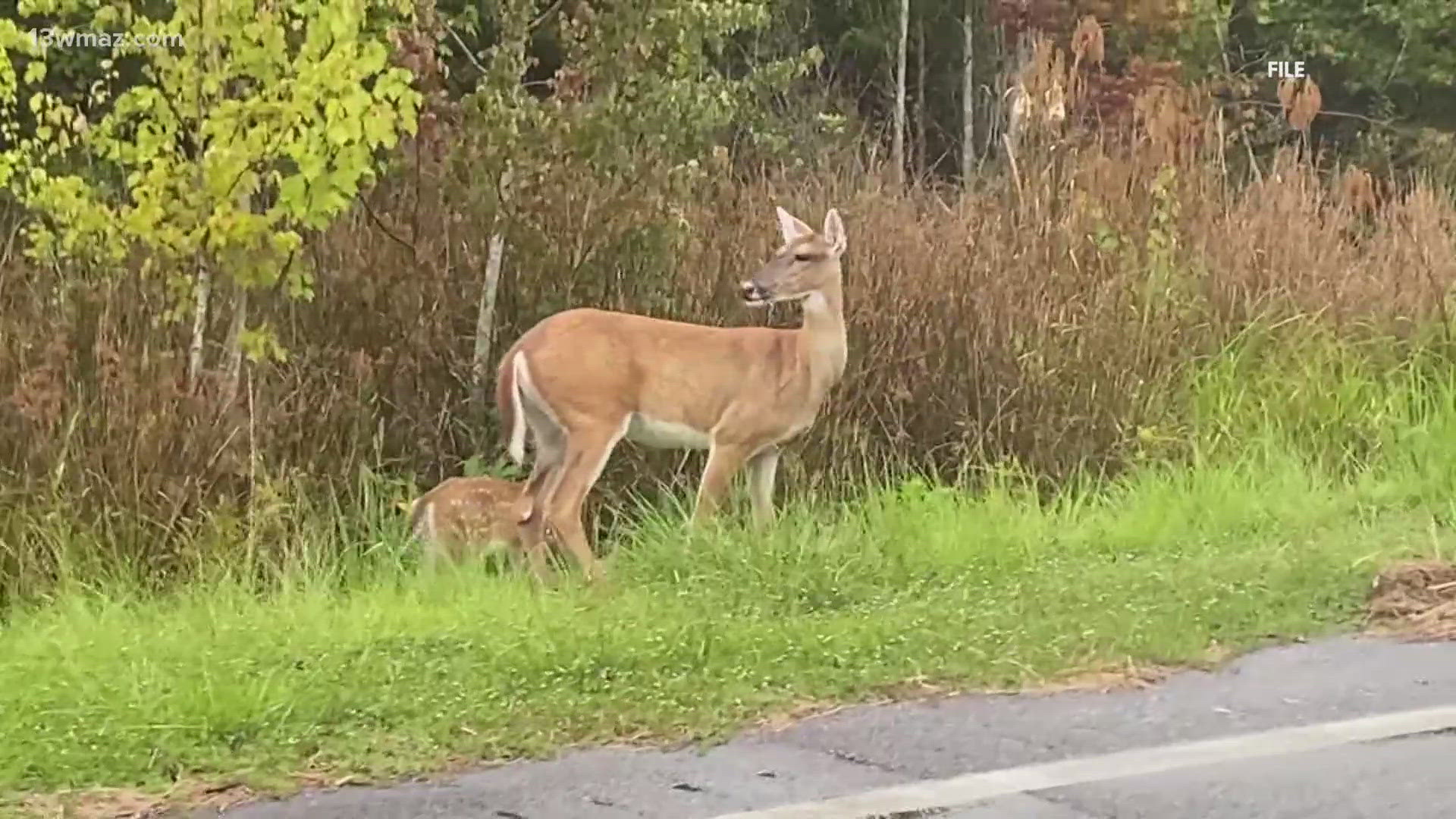
Keeping deer on private land is an idea that attracts many landowners. Some want to enjoy watching these graceful animals. Others hope to raise deer for meat, hunting, or even as exotic pets. But is it truly possible—or even legal—to keep deer on your own property? The answer depends on your location, goals, and local laws. This article will explain what you need to know, including legal rules, fencing needs, risks, and common mistakes.
Legal Considerations For Keeping Deer
Before you think about bringing deer to your land, you must check the laws in your state or country. In many places, wild deer are considered public wildlife, not private property. This means you may not have the right to own or keep them without special permits.
Some countries, such as the United States, have strict regulations. Each state sets its own rules. For example, in Texas, you can own deer under a “deer breeder’s permit,” but you must meet strict fencing and disease testing rules. In the United Kingdom, certain deer species can be farmed with proper licenses.
If you skip these legal steps, you could face fines or criminal charges. Always contact your local wildlife agency before making any plans.
Typical Permits And Licenses
Depending on your location, you might need:
- A wildlife possession permit
- A deer farming license
- Proof of disease-free animals
- Regular inspections
In some areas, you cannot legally keep native deer at all. Instead, you might be allowed to keep non-native species like fallow deer or axis deer.
Fencing And Containment
Deer are agile animals. They can jump over fences higher than 8 feet (about 2. 4 meters). To keep deer on your land, you need strong, tall fencing.
| Fence Type | Minimum Height | Cost per Meter (USD) | Effectiveness |
|---|---|---|---|
| Standard Field Fence | 1.2 m | $2–$4 | Poor |
| High Game Fence | 2.4 m | $10–$20 | Excellent |
| Electric Fence | 2.0 m | $6–$12 | Good |
A high game fence is usually required by law for deer farms. It keeps deer from escaping and protects them from predators. Some states require double fencing to prevent contact with wild deer, which helps stop the spread of disease.
Land Size And Habitat Needs
Deer need space to roam, eat, and stay healthy. If you keep too many deer in a small area, they may become stressed, sick, or aggressive.
For healthy deer, experts suggest:
- At least 2–3 acres (0.8–1.2 hectares) per deer for small herds
- More land if you want the deer to breed or grow naturally
Deer like areas with trees, shrubs, and open fields. They need places to hide, rest, and find food. If your land is just grass, you may need to plant bushes or let some areas grow wild.
Feeding And Nutrition
Wild deer eat a mix of leaves, twigs, fruits, nuts, and grass. If you keep deer in an enclosure, you must provide a balanced diet.
Common deer feed includes:
- High-quality hay
- Commercial deer pellets
- Fresh water at all times
- Salt and mineral blocks
A mature deer eats about 2–4% of its body weight in dry food daily. For a 150-pound (68 kg) deer, this means about 3–6 pounds (1.4–2.7 kg) of food each day.
Disease Risks
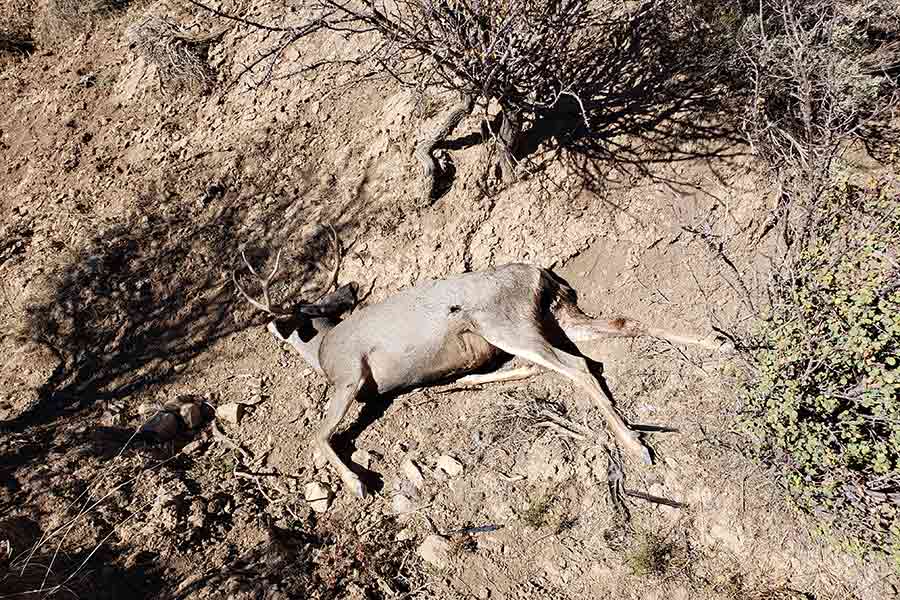
Deer can carry diseases that spread to other deer, livestock, or even people. Chronic Wasting Disease (CWD) and tuberculosis are two serious risks. Some diseases can wipe out entire herds.
To reduce risk:
- Test new deer before bringing them onto your land
- Keep fences in good repair to stop wild deer from mixing with your herd
- Clean feeders and water troughs regularly
In some places, regular vet checks are required by law. Always have a plan for sick or injured deer.
Economic And Practical Costs
Keeping deer is expensive. Besides fencing and food, you will need to pay for:
- Vet care
- Permits and inspections
- Insurance (sometimes required)
Here is a quick cost comparison for starting a small deer enclosure (3–5 deer):
| Item | Estimated Cost (USD) |
|---|---|
| Fencing (2.4 m, 1 hectare) | $10,000–$20,000 |
| Initial Deer Purchase | $1,000–$5,000 |
| Annual Feed | $1,000–$2,000 |
| Vet & Permit Fees | $500–$2,000 |
Many new owners are surprised by these costs. Profits from selling venison or breeding can take years to cover your initial investment.
Common Mistakes New Owners Make
Many first-time deer keepers make avoidable errors:
- Ignoring local laws: This can result in fines or loss of animals.
- Underestimating fencing needs: Deer are escape artists.
- Overcrowding: Leads to stress, fighting, and disease.
- Feeding a poor diet: Causes poor health and low reproduction rates.
- Not planning for emergencies: Injured or sick deer require fast, expert care.
If you want to succeed, learn from experienced keepers and ask your local wildlife agency for advice.
When Keeping Deer Makes Sense
Private deer keeping can make sense if:
- You have enough land and funds
- You want to farm deer for meat or breeding
- Local laws allow it and you follow all rules
It does not make sense if you only want to watch deer. In most cases, attracting wild deer with food plots and water is a better, easier choice.
Real-life Example
In New Zealand, deer farming is a major industry. With over 800,000 farmed deer, the country exports venison and velvet antler around the world. Farmers use high fences, strict health rules, and advanced breeding techniques. This success shows that with planning and investment, keeping deer on private land is possible and profitable.
For more details on regulations, see the Wikipedia page on deer farming.
Frequently Asked Questions
Can I Keep Wild Deer As Pets?
No, in most places, keeping wild deer as pets is illegal. You may only keep deer with the right permits and facilities.
How Much Land Do I Need For Deer?
A small herd needs at least 2–3 acres per deer. More space is better for their health and happiness.
Do Deer Need Special Vets?
Yes. Look for a vet with experience in deer or exotic animals. Not all livestock vets are trained for deer.
Are Deer Dangerous To People?
Deer are usually shy, but they can become aggressive during mating season or if frightened. Males with antlers can cause injury.
Can Deer And Livestock Be Kept Together?
It is risky. Deer can spread diseases to cattle, sheep, or goats. Shared fencing or water can increase the risk.
Keeping deer on private land is possible but requires careful planning, legal compliance, and significant investment. If you are serious, talk with experts, check your local laws, and start small. With the right approach, you can enjoy the beauty of deer while protecting your land and their health.