Every year, millions of people are amazed by the beauty and majesty of deer. These animals are found in forests, grasslands, and mountains across many continents. But among all deer, one question stands out: What is the largest deer species? Let’s discover the answer, explore the amazing features of this giant, and see how it compares to other big deer.
The Largest Deer Species: The Moose
The moose (also called elk in Europe) is the largest deer species in the world. This animal is a true giant among its relatives, easily standing out for its size, antlers, and strength.
A fully grown male moose can reach up to 2. 3 meters (7. 5 feet) tall at the shoulder, and the largest individuals may weigh as much as 820 kilograms (1,800 pounds). Their antlers can stretch 1. 8 meters (6 feet) wide, making them a spectacular sight in the wild.
Here’s how the moose compares to other large deer:
| Species | Average Height (at shoulder) | Average Weight | Antler Spread (max) |
|---|---|---|---|
| Moose | 1.4–2.3 m (4.6–7.5 ft) | 380–820 kg (838–1,800 lbs) | 1.8 m (6 ft) |
| Elk (Wapiti) | 1.0–1.5 m (3.3–5 ft) | 220–330 kg (485–730 lbs) | 1.2 m (4 ft) |
| Red Deer | 1.0–1.5 m (3.3–4.9 ft) | 160–240 kg (350–530 lbs) | 1.2 m (4 ft) |
Moose: Features And Behavior
Moose live in the cold forests of North America, Europe, and Asia. They are usually found near lakes, rivers, and marshes where there is plenty of water and plants to eat.
Key features of moose:
- Long legs help them move easily through deep snow and water.
- Large, broad antlers are only found on males. These antlers are shed every year and regrow, sometimes even bigger.
- Dewlap (a flap of skin under the throat) is especially visible in males.
Moose are mostly solitary. Unlike some other deer, they do not live in big herds. They are also strong swimmers and can dive underwater to eat plants.
Why Moose Are So Big
Moose evolved to be large for several reasons:
- Cold climate adaptation: Their big bodies help them keep warm in cold environments.
- Protection from predators: Large size makes it harder for wolves and bears to attack adult moose.
- Food competition: Moose eat twigs, bark, and water plants, which are not easy for smaller animals to reach. Their height gives them access to food other deer can’t reach.
A common mistake is thinking that large antlers mean the largest deer. But body size, not just antlers, is what makes moose number one.
Other Large Deer Species
The moose is not the only big deer. Here are some other large species and how they compare:
Elk (wapiti)
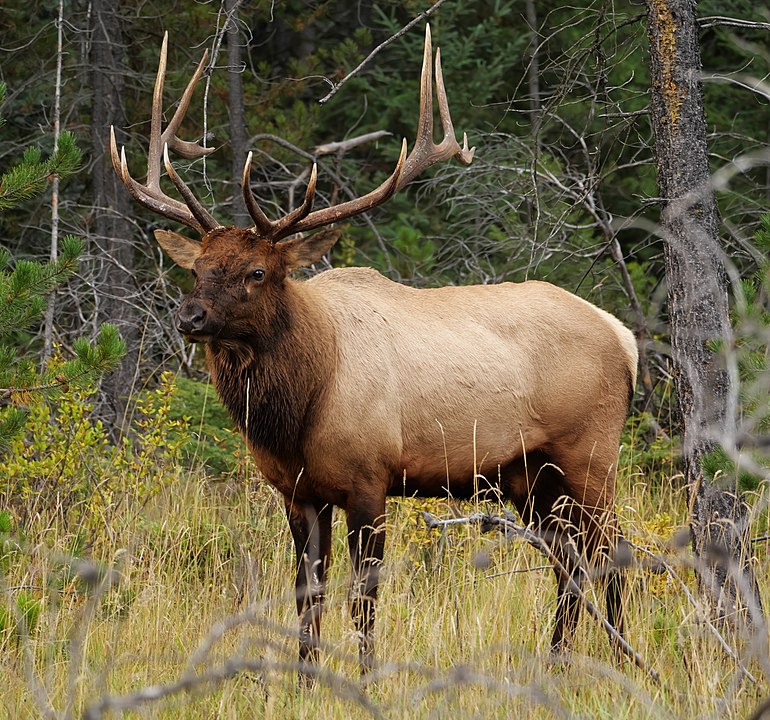
Elk are native to North America and eastern Asia. They are the second-largest deer species. Males are known for their loud bugling calls and impressive antlers. Elk antlers are long and pointed, different from the broad, flat moose antlers.
Red Deer
Red deer are found in Europe, Asia, and North Africa. They are smaller than moose and elk but still much larger than most other deer. Red deer live in groups and are famous for their roaring during the breeding season.
Sambar Deer
The sambar is the largest deer species in Asia outside of the moose and elk. Found in India and Southeast Asia, they are not as heavy as moose, but big males can weigh over 300 kg (660 lbs).
Comparison Table: Key Features Of Large Deer
| Species | Habitat | Diet | Social Structure |
|---|---|---|---|
| Moose | North America, Europe, Asia | Twigs, bark, water plants | Solitary |
| Elk | North America, Asia | Grasses, leaves | Herds |
| Red Deer | Europe, Asia, N. Africa | Grasses, leaves | Herds |
| Sambar | South Asia, Southeast Asia | Leaves, fruit | Small groups |
How To Identify The Moose
Many people confuse moose with other large deer, especially elk. Here’s how to tell them apart:
- Moose have a long, overhanging nose.
- Moose antlers are wide and flat (palmate), while elk and red deer antlers are long and pointed (cervine).
- Moose walk alone or with a calf, while elk and red deer form herds.
- Moose are taller and appear more “humped” at the shoulders.
If you see a deer with a very large, flat antler and a big “bell” of skin under the chin, you are likely looking at a moose.
Conservation And Human Impact
Moose populations are stable in many areas, but they face threats such as:
- Habitat loss due to logging and construction.
- Climate change leading to more parasites (like ticks) and diseases.
- Road accidents—moose can be dangerous for drivers because of their height.
In some places, like Scandinavia and Canada, moose are an important part of culture and hunting traditions. Good management helps keep their numbers healthy.

Surprising Facts About Moose
- Moose can swim several kilometers without stopping.
- Calves are able to stand and walk within a day after birth.
- Moose have poor eyesight but very good hearing and sense of smell.
One fact many people miss: Moose antlers are covered in “velvet” (a soft skin) while they grow. This velvet falls off when the antlers are fully grown.
Another insight: Female moose (cows) don’t have antlers—only males (bulls) do, which helps you tell them apart in the wild.
Frequently Asked Questions
What Is The Largest Deer Species In The World?
The moose is the largest deer species. Adult males can reach over 2 meters at the shoulder and weigh up to 820 kg.
How Big Can Moose Antlers Grow?
Moose antlers can grow up to 1. 8 meters (6 feet) wide. Only males have antlers, and they shed and regrow them each year.
Are Elk And Moose The Same Animal?
No. In North America, moose and elk are different species. In Europe, the word “elk” means moose. The North American elk is called “wapiti” in Europe.
Where Do Moose Live?
Moose are found in northern forests of North America, Europe, and Asia. They like areas near water, such as rivers and lakes.
How Are Moose Populations Managed?
Wildlife experts use hunting controls, habitat protection, and research to manage moose numbers and keep them healthy. You can learn more at the Wikipedia Moose page.
The moose remains a symbol of wilderness and strength. Whether you see one in the wild or in photos, their size and unique features make them unforgettable. If you ever get the chance to watch a moose in nature, remember—you are looking at the world’s largest deer.