How To Tell Deer Age By Antlers?
Spotting a deer in the wild can be exciting, but figuring out its age is not always easy. One common way hunters and wildlife watchers estimate a deer’s age is by looking at its antlers. While antlers give some clues, they do not tell the whole story.
Many people believe bigger antlers mean an older deer, but this is only partly true. If you want to learn how to tell deer age by antlers, you need to look closely at antler shape, size, and changes over time.
This guide will help you understand what antlers can (and cannot) reveal about a deer’s age, so you can make better guesses next time you see one in the woods.
How Deer Antlers Grow
Deer antlers are not just for show. They grow from the skull each year, starting as soft, velvet-covered tissue and becoming hard bone in late summer. Antler growth depends on age, nutrition, and genetics. Young bucks grow their first antlers at about one year old, and these will change every year.
The antlers fall off each winter and regrow larger and more complex as the deer ages, up to a point. After a deer reaches its prime, antler growth can slow down or even decrease. This means antler size and shape can give clues about a deer’s age, but it is not an exact science.
Key Antler Features By Age
To estimate a deer’s age using antlers, you need to know how antlers change at different life stages. Here is what to look for at each age range:
| Age | Antler Characteristics |
|---|---|
| 1 Year | Small spikes or simple forks, thin beams, little mass |
| 2 Years | More points (tines), beams start to curve, some brow tines appear |
| 3 Years | Taller, wider rack, more mass, longer tines, main beams clearly shaped |
| 4-6 Years | Largest antlers, heavy beams, many tines, good spread |
| 7+ Years | Antlers may shrink, fewer points, mass decreases, irregular shapes |
What About Button Bucks?
A button buck is a young male, less than one year old, with small bumps instead of real antlers. These are easy to miss because the bumps are covered in skin and velvet. Knowing this can help avoid overestimating a young deer’s age.
Common Mistakes When Aging By Antlers
Many people make errors when guessing a deer’s age by antlers alone. Here are a few mistakes to avoid:
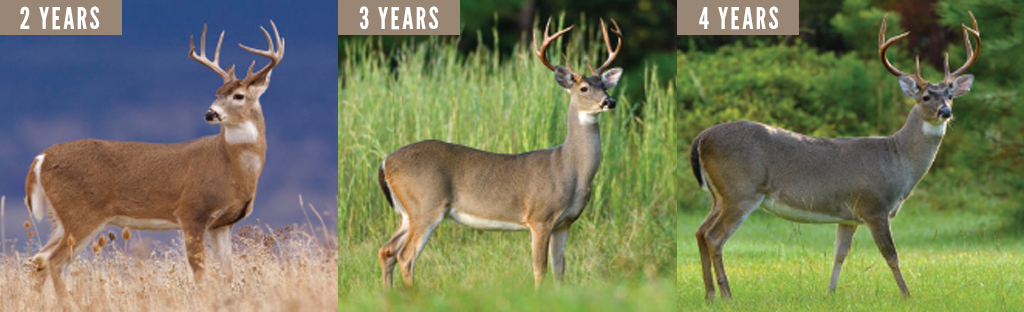
- Thinking antler size equals age – Nutrition and genetics can make young deer grow large antlers, while old deer with poor diets may have small racks.
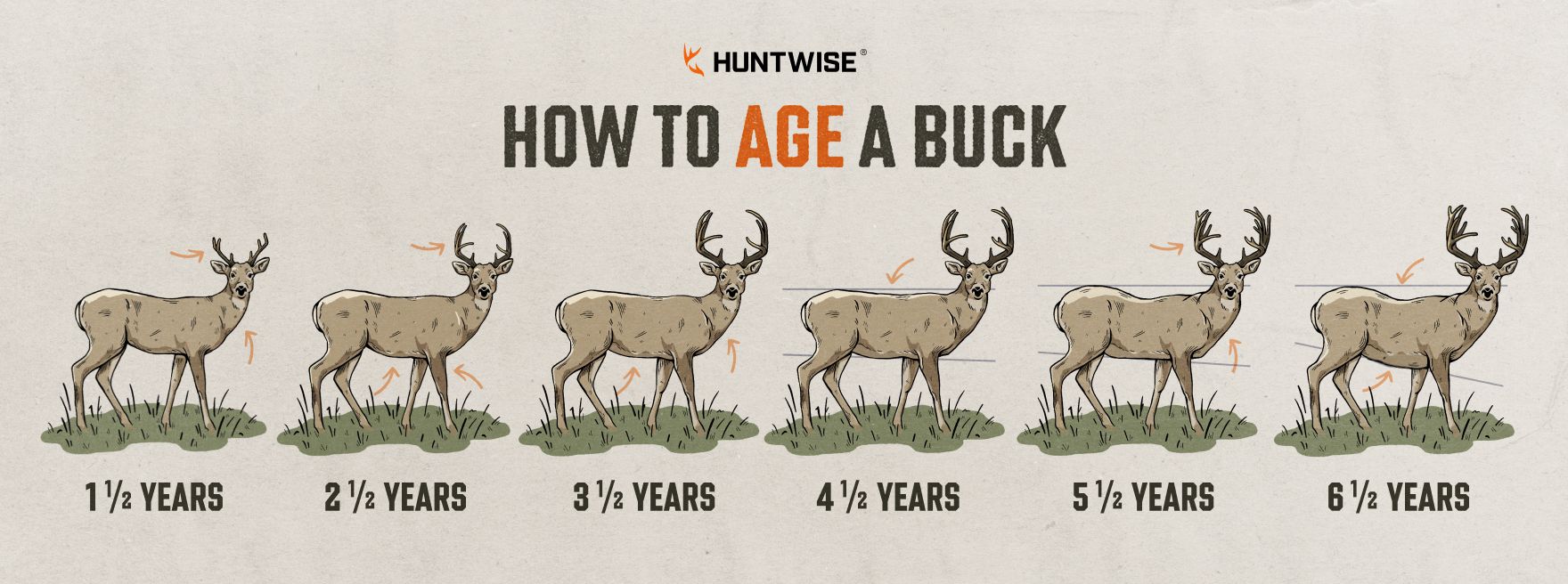
- Ignoring body features – Body shape, neck, and chest size are often better age indicators.
- Not considering broken antlers – Fighting or injury can break off tines, making an old buck look young.
- Forgetting regional differences – Deer in some areas simply grow bigger antlers.
If you rely only on antler size, you might guess wrong. Always consider other clues like body shape and behavior.
Detailed Changes In Antlers By Age
For those who want to get better at aging deer, here is a more detailed look at what antlers tell you at each stage:
Yearlings (1 Year Old)
- Antlers: Short spikes or small forks, rarely more than 2-3 inches long.
- Shape: Thin, straight, no real mass.
- Tip: These can be mistaken for does at a distance.
Two-year-old Bucks
- Antlers: Usually 4-8 points, beams begin to curve.
- Mass: Slightly thicker than yearlings, but still not heavy.
- Spread: Usually inside the width of the ears.
Three-year-old Bucks
- Antlers: 8-10 points common, tines are longer, beams are wider.
- Mass: Noticeable increase, beams look heavier.
- Spread: Can be as wide as or wider than the ears.
Prime Age (4-6 Years)
- Antlers: Maximum size, 8-12 points, heavy mass, long tines.
- Shape: Symmetrical, main beams sweep outward.
- Tip: This is when a buck shows its best antlers.
Mature And Old Bucks (7+ Years)
- Antlers: Size may decrease, mass is lost, tines may be broken or irregular.
- Shape: Often more character, like drop tines or palmation (flat areas).
- Tip: Old age can make antlers look “worn out.”
Factors That Affect Antler Growth
It is important to know that antler growth is not only about age. Three main factors affect how antlers look:
| Factor | Impact on Antlers |
|---|---|
| Nutrition | Poor nutrition means smaller, weaker antlers |
| Genetics | Some deer are born to grow bigger antlers |
| Health | Injury or illness can stop normal antler growth |
Even a young buck with great food and genes can have impressive antlers, while an old buck with poor food may not. This is why aging by antlers is always an estimate.
Tips For Better Age Estimation
To improve your skills, combine antler clues with other signs:
- Look at the body: Older bucks have thick necks and deep chests.
- Watch behavior: Mature bucks move with confidence and control.
- Check the face: Older deer have longer faces and sometimes gray around the muzzle.
Using antlers and body clues together gives you a better chance of guessing right.
Real Example: White-tailed Deer
Most people in North America see white-tailed deer. In this species, antler points and size often peak at 5-7 years old. One study found that most trophy bucks (the ones with the biggest racks) were between 4 and 6 years old. After age 7, even these bucks had smaller or more irregular antlers. This pattern is similar in other deer species, but the age range may change. For more research details, see the Quality Deer Management Association.
Frequently Asked Questions
How Accurate Is Aging Deer By Antlers?
Antlers can give a rough idea, but they are not 100% accurate. Nutrition, genetics, and injury can all change how antlers look.
Do All Deer Species Show Age In Antlers The Same Way?
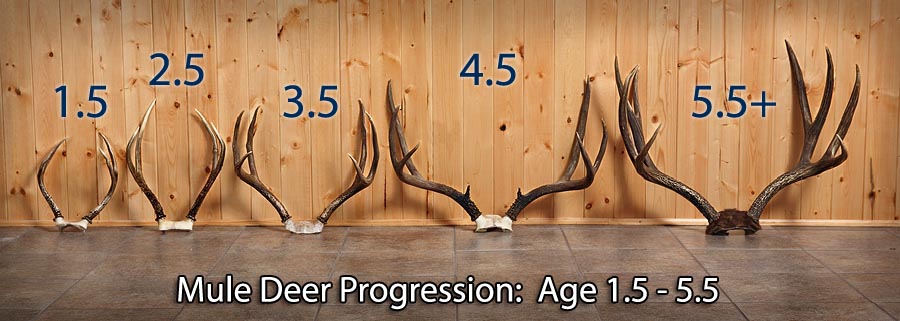
No. Some species, like mule deer or elk, have different antler growth patterns. Learn your local species for better results.
Can Antler Size Tell If A Deer Is Healthy?
Larger, well-shaped antlers often show good health and nutrition, but a healthy deer can still have small antlers due to genetics.
What Is The Best Time Of Year To Judge Deer Age By Antlers?
Late summer to early fall is best because antlers are fully grown and still intact before the rut and winter breakage.
Should I Use Antlers Alone To Decide If A Deer Is Mature?
No. Always look at antlers, body size, and behavior together for the best guess on age.
Estimating deer age by antlers is a helpful skill, but it takes practice and a careful eye. Remember, antlers are just one piece of the puzzle. By studying antler changes and combining them with other clues, you will improve your ability to judge deer age and enjoy your time outdoors even more.