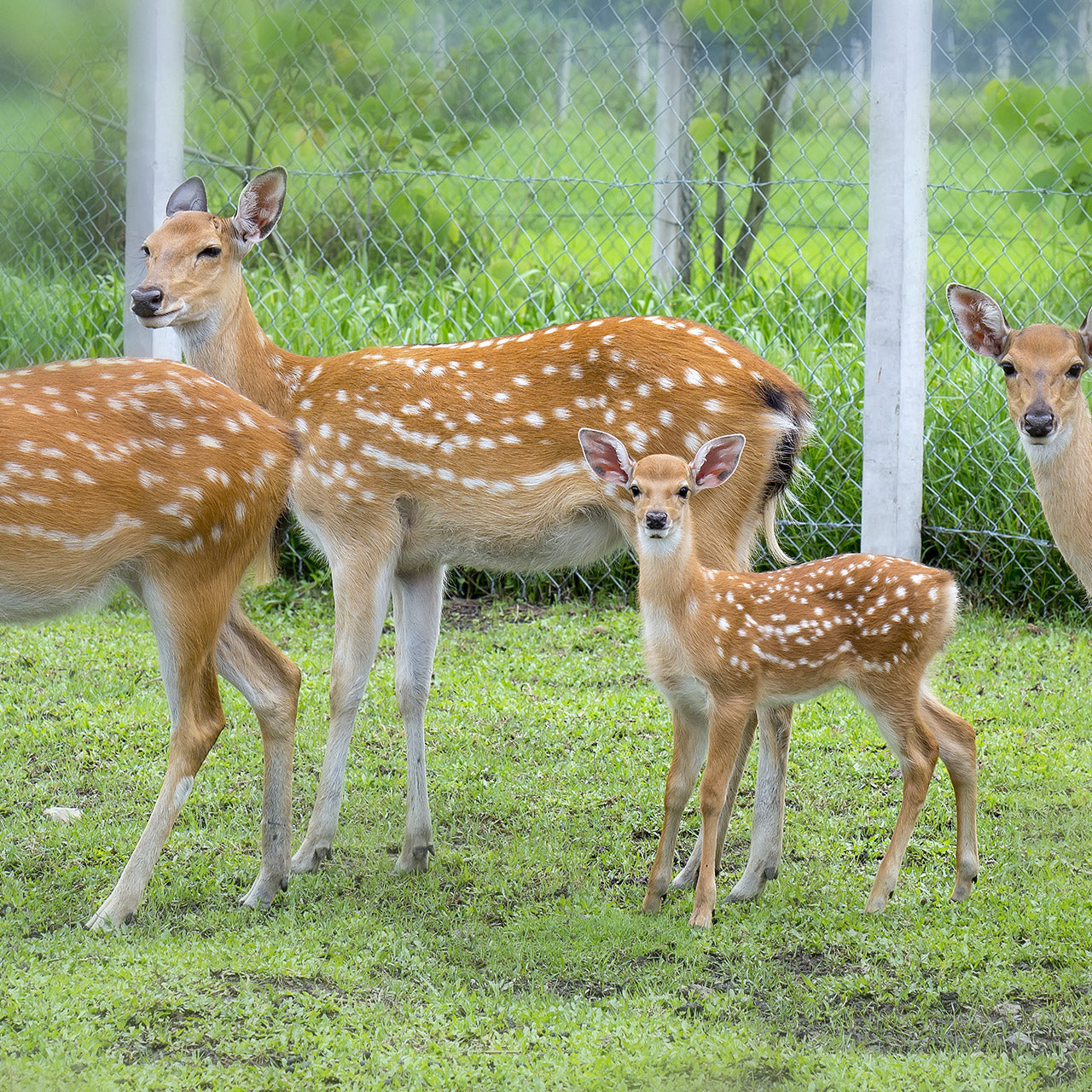
How Long Is Deer Gestation?
Every spring and summer, new fawns appear in forests, fields, and even backyards. But how long does it take for a deer to carry her young before birth? The answer is not as simple as one number. Different deer species have different gestation periods, and several factors can affect the length. Understanding deer gestation helps wildlife lovers, hunters, and nature watchers appreciate the life cycle of these graceful animals.
What Is Gestation In Deer?
Gestation is the time between fertilization and birth. For deer, this period is when the female, called a doe, carries her developing fawn or fawns. During gestation, the fawn grows from a tiny embryo to a fully formed young deer, ready to stand and run shortly after birth.
Average Deer Gestation Period
Most people want a quick answer: how long is deer gestation? For the most common species, the white-tailed deer, gestation usually lasts about 200 days. That’s about 6 and a half months. However, this number can change based on the species, the health of the mother, and environmental conditions.
Let’s look at the gestation periods for several well-known deer species:
| Deer Species | Average Gestation Period (days) |
|---|---|
| White-tailed Deer | 200 |
| Mule Deer | 203 |
| Roe Deer | 230 |
| Red Deer | 233 |
| Fallow Deer | 230 |
| Sika Deer | 220 |
| Moose (largest deer species) | 230 |
While the numbers are close, small differences matter in the wild. For example, a longer gestation may mean fawns are born later, possibly after the best food is available.
Why Gestation Length Varies
You might wonder why deer gestation is not the same for all deer. The answer lies in biology and adaptation. Here are a few important reasons:
- Species Differences: Each species has its own breeding and birthing season, shaped by its environment.
- Delayed Implantation: Some deer, like the roe deer, delay the start of embryo development. Fertilization happens in summer, but the embryo waits to grow until winter ends. This adaptation ensures fawns are born when food is plentiful.
- Environmental Factors: Severe weather, poor food, or disease can affect a doe’s health and may slightly change the gestation length.
- Age and Health of Doe: Younger or weaker does sometimes have shorter or longer gestation periods.
Deer Reproduction Cycle
Understanding the deer reproduction cycle gives more context to gestation length.
- Mating Season (Rut): Most deer mate in the fall. Bucks compete for does, and does come into heat for a short time.
- Fertilization: Once a doe is fertilized, gestation begins. In species with delayed implantation, the fertilized egg waits before developing.
- Gestation: The embryo grows inside the mother. The placenta provides nutrients.
- Birth: Most fawns are born in late spring or early summer. This timing gives them the best chance to grow before winter.
Signs Of Pregnancy In Deer
Spotting a pregnant deer in the wild is not easy. Here are some signs that experts look for:
- Rounder Belly: As pregnancy progresses, the doe’s belly becomes larger and rounder.
- Behavioral Changes: Pregnant does may rest more, move less, and seek safe, hidden areas.
- Nipple Changes: Nipples become larger as birth approaches, preparing for nursing.
Hunters and wildlife managers use these signs to track deer populations and plan for conservation.
Fawn Birth And Early Life
A typical deer birth produces one or two fawns. Triplets are rare but possible, especially if the mother is healthy and food is abundant.
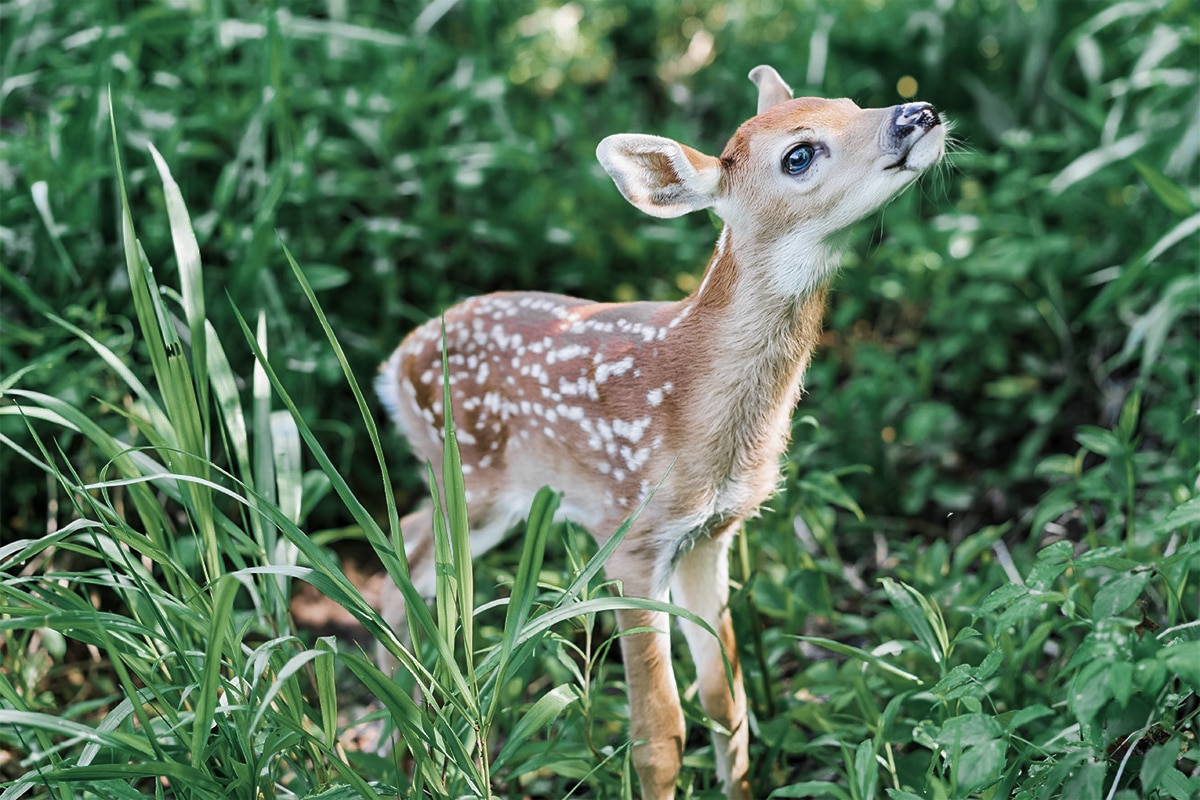
At birth, fawns weigh between 4 to 8 pounds (2 to 4 kg) depending on the species. They are born with white spots on their fur, helping them blend into the forest floor.
Fawns can stand and walk within hours. For the first weeks, they hide in tall grass or bushes while the mother feeds nearby. This behavior protects them from predators.
How Gestation Impacts Deer Populations
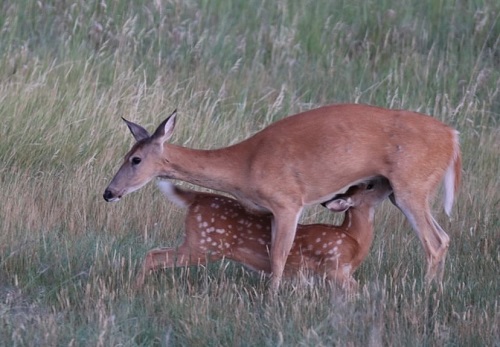
The length of deer gestation affects when fawns are born and their survival rate. If gestation is too short or too long, fawns may arrive when food is scarce or weather is harsh.
Here’s a look at how birth timing helps fawn survival:
| Birth Month | Food Availability | Fawn Survival Rate |
|---|---|---|
| May | High | Best |
| June | High | Good |
| July | Medium | Lower |
| August | Low | Poor |
Fawns born earlier, when plants are growing and temperatures are mild, have the best chance to survive. This is why timing and gestation length are so important.
Non-obvious Insights About Deer Gestation
Most articles mention the average days, but here are two important details beginners often miss:
- Stress Can Shorten Gestation: If a doe is stressed by predators, loss of habitat, or hunting, gestation may end sooner. This can lead to weaker fawns.
- Twins Are Common: In healthy populations with plenty of food, twins are often more common than single births. This helps deer numbers grow quickly after hard winters.
Human Impact On Deer Gestation
Humans can affect deer gestation in both good and bad ways. Loss of habitat, urban development, and car traffic can stress deer, leading to more early or late births. On the other hand, careful wildlife management and protected green spaces can help does stay healthy, leading to normal gestation and healthy fawns.
For more about deer biology and reproduction, you can read the overview on Wikipedia.
Frequently Asked Questions
How Long Is The Gestation Period For White-tailed Deer?
The white-tailed deer gestation period is about 200 days, or roughly 6.5 months. This means does that mate in November will usually give birth in late May or early June.
Do All Deer Species Have The Same Gestation Length?
No, different deer species have slightly different gestation periods. For example, roe deer have a longer gestation, up to 230 days, because of delayed implantation.
Can A Deer Have More Than One Fawn At A Time?
Yes, it is common for healthy does to have twins. Triplets can also happen, but are rare. The number depends on the mother’s health, age, and food availability.
What Happens If A Fawn Is Born Too Early Or Late?
Fawns born too early may be weak and less likely to survive. Fawns born too late may not have enough time to grow before winter, which also lowers survival chances.
How Can I Tell If A Deer Is Pregnant?
Look for a rounder belly, changes in behavior such as more resting, and larger nipples as birth gets closer. However, these signs are subtle and can be hard to spot unless you observe deer closely.
Understanding deer gestation helps us respect these animals and protect the places they live. Each step in their life cycle is important for the health of deer populations and the balance of nature.