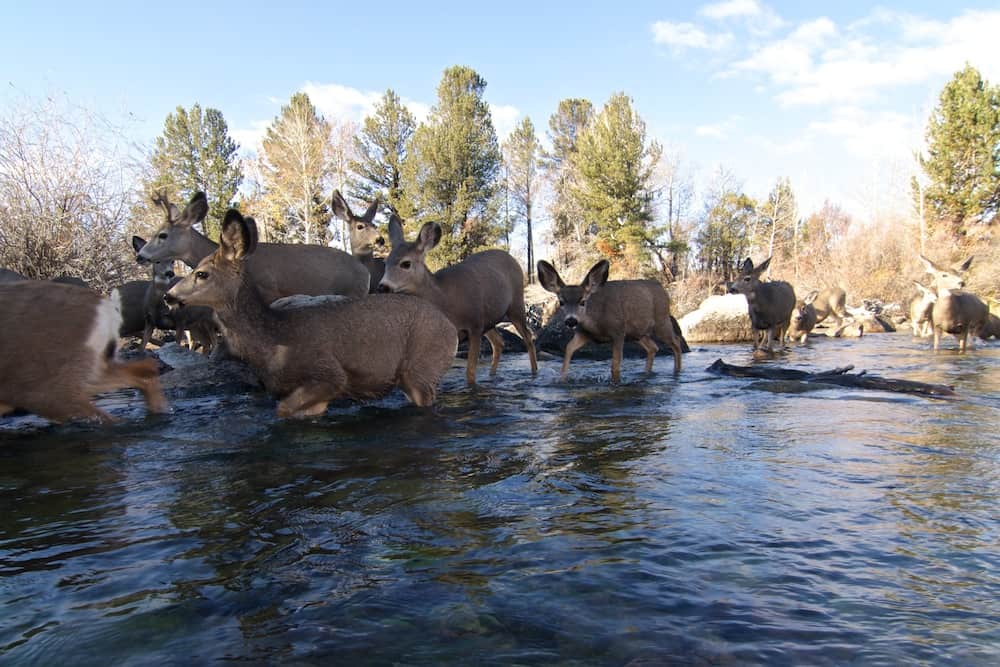
Every year, as winter approaches, many people notice fewer deer in their usual places. This raises a common question: Do deer migrate? The answer is not as simple as yes or no. Deer have unique ways to survive changing seasons, and their movements depend on species, climate, food availability, and even human activity. Understanding how and why deer move helps us better appreciate these animals and manage the environments they live in.
Understanding Deer Migration
Migration means moving from one place to another, often over long distances, usually to survive seasonal changes. For deer, migration is about finding enough food and staying safe from harsh weather. However, not all deer migrate. Some stay in one area all year, while others travel many miles.
There are more than 40 species of deer worldwide, and their behavior varies. In North America, the most studied species are the white-tailed deer, mule deer, and elk. Their migration patterns differ based on their needs and the places they live.
Which Deer Species Migrate?
Not every deer species migrates, but some are well-known for their seasonal movements. Here are a few examples:
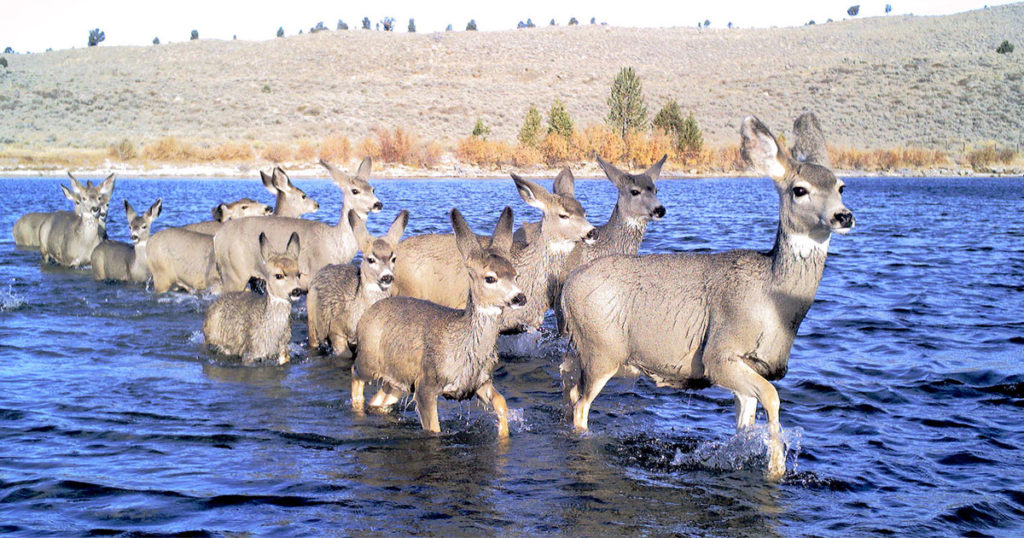
- Mule Deer: In western North America, mule deer often migrate twice a year. They move from high mountain areas in summer to lower valleys in winter, sometimes traveling over 100 miles.
- Elk: Also called wapiti, elk migrate between higher and lower elevations to escape deep snow and find food.
- Caribou: In the far north, caribou are famous for some of the longest migrations of any land animal, traveling up to 3,000 miles per year.
White-tailed deer, the most common deer in the U. S. , usually do not migrate long distances. However, they may move within their home range, especially if deep snow covers their food sources.
Why Do Some Deer Migrate?
There are a few main reasons deer migrate:
- Food availability: In winter, snow covers grass, leaves, and other food. Deer move to places where food is easier to find.
- Weather: Deep snow and cold can make it hard for deer to survive. By moving to lower, warmer areas, they save energy and avoid harsh conditions.
- Predators and safety: Some deer move to escape predators or human disturbance, especially during hunting season.
Migration helps deer survive by reducing stress and keeping them healthier. Studies show that migrating mule deer have a higher survival rate than those that stay in one place all year.
How Far Do Deer Migrate?
Migration distance depends on the species and the landscape. Here’s a quick comparison:
| Species | Average Migration Distance | Notable Examples |
|---|---|---|
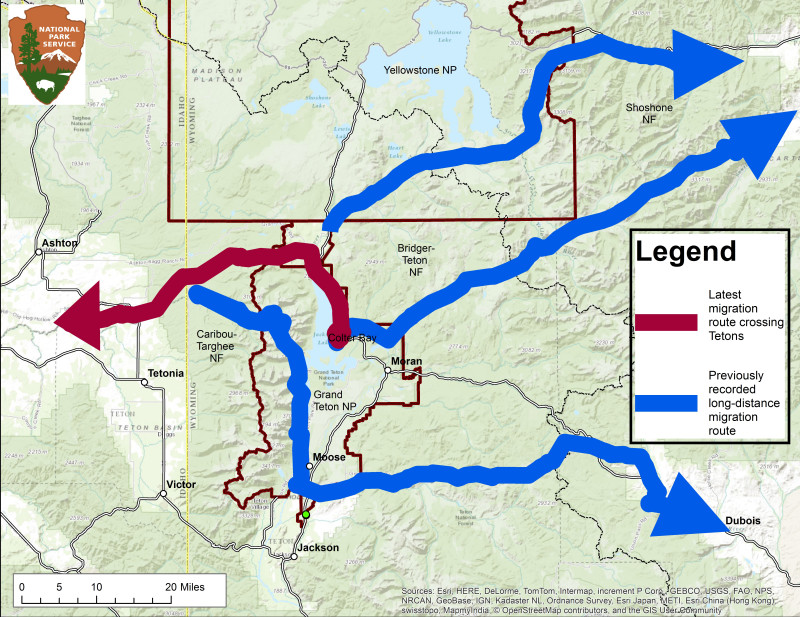
| Mule Deer | 30–100 miles | Wyoming herds: up to 150 miles |
| Elk | 10–50 miles | Yellowstone elk: 30–40 miles |
| Caribou | 300–3,000 miles | Porcupine herd: 1,500 miles |
| White-tailed Deer | Less than 5 miles | Some northern populations: up to 15 miles |
Most deer do not cross country borders or travel as birds do. Their migrations are usually between nearby habitats but can still cover impressive distances compared to their body size.
How Do Deer Know When And Where To Migrate?
Deer use a combination of signals from their environment to decide when to move:
- Day length: Shorter days in fall signal that winter is coming.
- Temperature: Colder weather and the first snow tell deer it’s time to leave higher ground.
- Food signals: When preferred plants start to disappear, deer look for new places to eat.
Mature deer often lead the way, and young deer learn routes by following adults. Some populations use the same migration paths for generations, even if landscapes change.
Migration Challenges And Human Impact
Deer migration is not as easy as it once was. Roads, fences, and cities can block migration paths. This is called habitat fragmentation. When deer can’t reach winter ranges, they may starve or get hit by vehicles.
Here are some key challenges:
- Highways and roads: These are major risks for migrating deer. In the U.S., about 1–2 million vehicle collisions with large animals, mostly deer, happen each year.
- Fences and development: Physical barriers can trap deer or force them to take dangerous new routes.
- Climate change: Warmer winters and unpredictable weather can confuse migration timing, making it harder for deer to find food.
Conservationists now build wildlife corridors and overpasses to help deer cross roads safely. These efforts reduce accidents and support healthy migration.
Comparing Migratory And Non-migratory Deer
Understanding how migratory and non-migratory deer live can help us protect both types. Here’s a side-by-side look:
| Behavior | Migratory Deer | Non-Migratory Deer |
|---|---|---|
| Movement | Travel long distances seasonally | Stay within a small home range all year |
| Food strategy | Follow food supply as seasons change | Rely on local food, adapt diet in winter |
| Survival risk | Face dangers from roads and predators during migration | Risk starvation if local food runs out |
| Adaptability | Use memory and learned routes | Use shelter and fat reserves |
Non-obvious Insights About Deer Migration
Many beginners miss a few important details:
- Partial migration: In some herds, only part of the population migrates. Others stay put, even in the same area. Scientists call this “partial migration,” and it’s more common than most people think.
- Learning migration routes: Deer do not migrate by instinct alone. Young deer learn paths by following older animals. If migration is blocked for a few years, this knowledge can be lost, making it hard for deer to survive if conditions suddenly change.
Why Should We Care About Deer Migration?
Migration keeps deer populations healthy by letting them use resources in different areas. It also helps spread seeds and supports other wildlife. If migration routes are lost, deer can become crowded in small areas, leading to disease and starvation. Preserving these paths is important for both animals and people.
Research on deer migration also helps us design better roads, reduce car accidents, and protect forest health. Agencies and scientists, such as those at the U.S. Fish and Wildlife Service, work to map migration routes and keep them open (U.S. Fish & Wildlife Service).
Frequently Asked Questions
How Do Deer Know Where To Migrate?
Deer use a mix of memory, learned routes, changes in daylight, and weather cues to decide when and where to move. Older deer lead the way, and young deer learn by following.
Do All Deer Migrate Every Year?
No, only some species and populations migrate. Others stay in the same area year-round, especially if food and shelter are always available.
Can Deer Migration Be Stopped?
Yes, barriers like roads, fences, and cities can block migration routes. When this happens, deer may struggle to find food and shelter, leading to higher death rates.
What Happens If Deer Can’t Migrate?
If deer are trapped and cannot reach winter ranges, they may starve, become easy prey, or cause overgrazing in small areas, harming the environment.
How Can People Help Protect Deer Migration?
People can support wildlife corridors, safe road crossings, and habitat conservation. Staying informed and supporting local conservation projects also makes a difference.
Deer migration is a fascinating mix of survival, tradition, and adaptation. By understanding and protecting these journeys, we help keep both deer and their habitats healthy for years to come.