Finding the best FPV camera with low light performance can make a huge difference in your flying experience. When the sun goes down or you’re in dim environments, having a camera that captures clear and detailed footage is key. Not all FPV cameras handle low light well, so it’s important to focus on features that improve night vision and reduce noise. Whether you’re flying at dusk or indoors, the right camera ensures you don’t miss any important details. Let’s talk about what makes these cameras stand out and what to look for when choosing one that performs well in low light conditions.
Readytosky Fpv Mini Low Light Camera
This camera is a solid pick for drone enthusiasts seeking the Best Fpv Camera With Low Light Performance to improve their flying experience in dim environments.

Day-to-Day Low Light Performance Insights
- Compact and lightweight design fits easily on most FPV drones without adding bulk.
- Starlight HDR sensor delivers clearer images when flying in low-light or twilight conditions.
- PAL/NTSC switchable format offers flexibility across different FPV setups and regions.
- Low power consumption means longer flight times without frequent battery changes.
- Installation is straightforward, helping save time before flights.
- Image quality is good but may not match more expensive, larger sensors in very dark settings.
- Limited zoom capabilities due to fixed 2.1mm lens may restrict framing options.
- Small size requires careful handling to avoid damage during installation or crashes.
Thoughts on Use and Suitability
This camera is designed for those who want decent low-light visuals without bulk or complexity. It offers a practical balance between size, power use, and image clarity, especially when flying at dusk or in shaded areas. The switchable NTSC/PAL modes increase compatibility, making it a versatile choice for various FPV drone setups.
Handling the camera feels easy, and it integrates well with drones that require a lightweight component. While it won’t replace high-end professional FPV cameras, it gives users confidence to explore flights in less-than-ideal lighting conditions without worrying about quick battery drain.
Who Finds This Useful, and Who Might Pass
Ideal for hobbyists and intermediate pilots who want a reliable camera that works well in low light without adding weight to their drone. It suits those who value ease of installation and longer flight duration.
Users seeking top-tier image quality under very dark conditions or those needing zoom flexibility may find this camera limiting. Professionals requiring premium optics might want to look elsewhere.
- Great for casual and semi-serious FPV drone flyers.
- Good fit for those flying in varying light environments.
- Not suited for users prioritizing ultra-high resolution or advanced zoom.
Practical Advice for Buyers
If you decide this camera fits your needs, take time to carefully switch between PAL and NTSC modes depending on your drone system. This small step ensures the best compatibility and image output.
Though compact, treat it gently during installation to avoid damage, and you’ll have a dependable tool to enhance your low-light flying experience. It’s a straightforward choice for adding visibility without fuss.
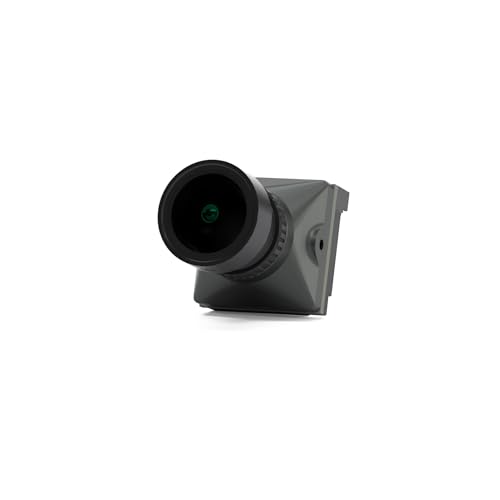
Caddxfpv Ratel Pro Low-light Fpv Camera
For drone racers and FPV enthusiasts seeking the best fpv camera with low light performance, this compact camera offers clear visuals in challenging lighting.
Performance Highlights for FPV Pilots
- Exceptional clarity with 1500TVL resolution and Super WDR sensor.
- Handles extreme low light down to 0.00001Lux, ideal for night flights.
- Switchable video formats adapt easily to different FPV gear setups.
- Compact size and lightweight design keep your drone agile.
- Customizable OSD controls let you fine-tune camera settings on the fly.
Thoughts on Using the Ratel Pro
This is a small yet powerful FPV camera that addresses the common issue of poor visibility in low light. The Super WDR sensor ensures images remain detailed, even when lighting changes rapidly during flight. It’s a practical choice for pilots flying indoors or at dusk.
In everyday use, adjusting settings via the OSD menu is straightforward. I found the camera’s light sensitivity gave me more confidence when flying in shaded or darker areas. Its lightweight design means it doesn’t affect flight dynamics, which is important for racing drones.
Careful Considerations Before Buying
This camera suits pilots who prioritize image quality in tough lighting and want flexibility with video formats. However, if you need a camera with built-in digital stabilization or prefer a larger sensor for ultra-high resolution, this might not fully meet those needs.
Also, while the OSD controls are helpful, they require some time to learn if you want to customize every setting. If you prefer plug-and-play simplicity without tweaks, you might find it less convenient.
Practical Advice for FPV Enthusiasts
If you often fly in low-light or variable conditions, the CaddxFPV Ratel Pro is worth considering for its clear visuals and adaptable features. Those focused on lightweight performance and detailed imagery will appreciate its balance of size and capability.
For pilots who want simple setup above all, consider whether you want to invest time in mastering the OSD controls. Otherwise, this camera offers steady performance and a reliable viewing experience, making night or indoor flying less stressful.
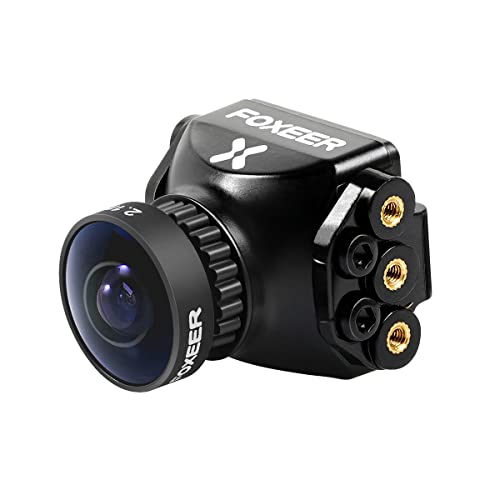
Foxeer Razer Mini Fpv Camera
This Best Fpv Camera With Low Light Performance is ideal for drone racers and hobbyists who need reliable visuals in various lighting conditions.
Everyday FPV Use Highlights
- Clear images even at night thanks to wide dynamic range and low lux handling.
- Compact size fits most drone frames without hassle.
- Low latency video output supports quick flight response.
- Switchable 4:3 aspect ratio and PAL/NTSC formats for broad compatibility.
- Stable video signal reduces ghosting during fast maneuvers.
Considerations Before Buying
- Analog CVBS output may not suit users wanting digital video quality.
- No built-in recording; requires separate equipment to capture footage.
- Minimal weight helps but may not be ideal for ultra-lightweight builds.
Thoughts on the Foxeer Razer Mini
The Foxeer Razer Mini FPV Camera stands out for its capability to handle low light without sacrificing clarity. Its wide dynamic range means it adapts smoothly to changing light, which is crucial for flying at dawn or dusk. The camera’s compact design makes it an easy fit for most racing drones, reducing setup concerns.
On the downside, the analog video output is a bit dated compared to digital options, and this might affect image sharpness for some users. However, the overall responsiveness and minimal latency offer confidence during fast, competitive flying sessions.
Finding the Right FPV Camera Balance
This camera is a solid pick if you prioritize good low-light vision and a stable video feed without adding bulk to your drone. It suits racers and freestyle pilots who need dependable visuals in mixed lighting but don’t require digital video capture. If you want high-definition recording or digital output, this might not meet those needs.
For those who choose it, pairing the camera with a quality analog video transmitter and receiver will maximize the experience. Rest assured, this unit is well-built and designed to perform consistently under demanding flight conditions.
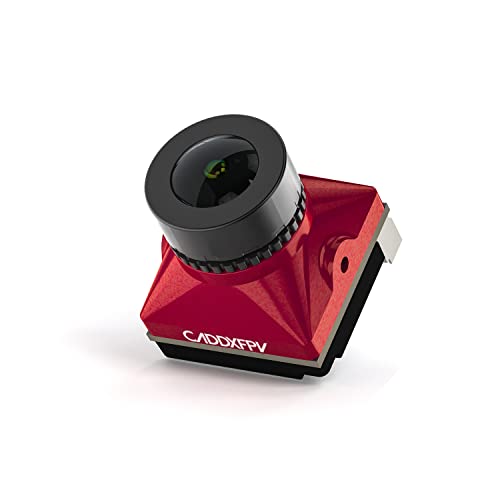
Caddxfpv Ratel 2 Low-light Fpv Camera
The Best Fpv Camera With Low Light Performance for drone pilots who need clear visuals in dark or night flying conditions.
Performance Highlights for FPV Use
- Starlight sensor delivers clear images in very low light, helping with night or shaded flights
- Super Wide Dynamic Range balances bright and dark areas in the video feed
- Wide 165° field of view gives a broad perspective for racing and freestyle maneuvers
- Compact and lightweight, minimizing impact on drone flight and handling
- Supports multiple video formats and aspect ratios for compatibility across setups
Considerations Before Buying
- Analog output may not suit those wanting HD digital feeds
- OSD controls require some setup familiarity to adjust settings in flight
- Price point is moderate but reflects its specialized low-light capabilities
Thoughts on Using the Ratel 2
This camera is designed to solve a common FPV challenge: flying in low-light or night conditions without losing visual clarity. Its starlight sensor and Super WDR technology help maintain usable video feed when lighting is poor, which is critical for safety and control.
In practice, it feels reliable and responsive. The broad field of view gives good situational awareness, and the lightweight design doesn’t burden the drone. Adjusting settings via the OSD menu is straightforward after initial familiarization, allowing quick tweaks on the fly.
Who Benefits Most and When to Look Elsewhere
The Ratel 2 suits FPV pilots who frequently fly at dusk, dawn, or indoors with low light. Its visual clarity in dim environments can enhance confidence and flight quality. Those who want a simple plug-and-play camera without fiddling with OSD or who require HD digital video might find it limiting.
- Ideal for night or low-light FPV racing and freestyle
- Great for pilots needing a durable, lightweight camera with flexible video formats
- Not the best choice if you want high-definition digital video or minimal setup
Reliable Choice for Low-Light FPV Flying
The CaddxFPV Ratel 2 is a practical pick if your flying often happens in challenging light conditions. Its starlight sensor and wide dynamic range offer clearer images where others struggle. However, if you prefer HD digital feeds or need the simplest possible setup, this might not be your best fit.
Before buying, consider how much you value low-light performance versus ease of use. If you decide on the Ratel 2, take some time to learn the OSD controls—they provide useful customization options without much hassle. This camera brings a steady, confident view when lighting is less than ideal, helping you focus on flying rather than fighting poor video quality.
Runcam Phoenix 2 Fpv Camera
For drone enthusiasts seeking the best FPV camera with low light performance, the RunCam Phoenix 2 offers reliable day and night visuals.

Performance Highlights for FPV Flying
| Low Light Clarity | Superior due to 1/2” super global WDR sensor |
| Image Quality | Vivid colors with minimal lens flare |
| Latency | Low latency suitable for freestyle flying |
| Size & Weight | Compact and lightweight for easy integration |
The RunCam Phoenix 2 is a micro FPV camera designed to deliver clear images in various lighting conditions. Its standout feature is the 1/2” super global WDR image sensor, which significantly improves low light performance. This makes it ideal for pilots who fly at dusk or in shaded areas where visibility usually suffers.
In real use, the camera provides crisp, natural colors without the distracting red lens flare common in many FPV cameras. It feels reliable and responsive, with latency low enough to trust during quick freestyle maneuvers. Installation is straightforward thanks to its small size and weight, making it a solid choice for those who want steady visuals without hassle.
Who Benefits Most and Who Might Look Elsewhere
This camera fits pilots who need dependable low light performance for FPV drone flying, especially those who enjoy freestyle flying and want minimal image distortion. Its enhanced sensor ensures better visuals when lighting is less than ideal.
However, users who require ultra-high resolution or specialized features beyond low light capability might find it less suitable. Also, those prioritizing budget above all might consider simpler options.
- Great for evening and night flying
- Compact size fits most builds
- Balanced latency for responsive control
- Less effective if ultra-high resolution is needed
Thoughts on Choosing This FPV Camera
The RunCam Phoenix 2 offers a balanced approach to image clarity and low light performance without overcomplicating the setup. While it does not promise ultra-high resolution, its natural color reproduction and reduced lens flare provide a pleasing viewing experience. A possible downside is that pilots expecting cutting-edge tech might find it basic, but this also contributes to its reliability.
Overall, it is a steady performer that brings confidence to those flying in varied light conditions. Its ease of use and clean imagery make it a practical choice rather than a flashy one.
Final Thoughts for Potential Buyers
If you fly FPV drones in changing light environments and need a camera that handles low light well without fuss, the RunCam Phoenix 2 deserves consideration. It suits freestyle pilots who value clean images and minimal latency. Those requiring ultra-high detail or advanced features might want to explore other models.
One tip is to pair it with a compatible video transmitter to get the most out of its low light capabilities. Rest assured, this camera offers consistent performance that supports confident flying without distracting artifacts.
Runcam Night Eagle 3 Fpv Camera
This is an ideal choice for drone pilots looking for the best fpv camera with low light performance to enhance night flying experiences.
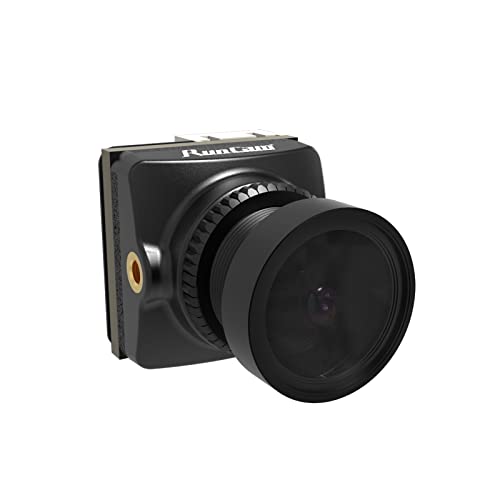
Practical Highlights for Night Flying
- Exceptional low light sensitivity thanks to back-illuminated pixel technology.
- 1000TVL resolution delivers clear and balanced video even in dark conditions.
- Integrated OSD displays vital info like battery voltage and flight timer for convenience.
- Low latency around 26ms supports smooth real-time piloting.
- Compact and lightweight design fits easily on micro FPV drones.
Considerations for Use
- Advanced features may require some setup time for beginners.
- Limited color options with only black available.
- Does not come bundled with mounting accessories.
Thoughts on the RunCam Night Eagle 3
The RunCam Night Eagle 3 is clearly designed with night flyers in mind, delivering excellent performance in low light thanks to its sensitive sensor technology. Its 1000TVL resolution ensures video clarity without overwhelming complexity.
Using it feels reliable and efficient; the low latency means I could fly confidently without lag. The integrated OSD is a helpful touch, keeping essential info visible at a glance. One trade-off is the need to handle some technical setup, but for those used to FPV gear, this is manageable.
Choosing the Right Night FPV Camera
This camera fits best for pilots who frequently fly at night or in dim environments and need clear visuals to maintain control. Its small size and light weight make it especially suitable for micro drones.
If you prefer a plug-and-play experience without any configuration, or need a variety of color options, this might not be ideal. Also, those wanting a complete package including mounts should consider that separately.
- Perfect for experienced FPV pilots focused on night flying.
- Not ideal for beginners needing simple setup.
- Great for drones where size and weight matter.
Balancing Night Vision Needs and Practical Use
For anyone serious about night FPV flying, the RunCam Night Eagle 3 offers a solid combination of sensitivity and video clarity. It’s a thoughtful tool that improves flight confidence in low light without adding unnecessary bulk.
However, it requires some technical familiarity to get the most from its features. For those comfortable with a bit of setup, this camera enhances the flying experience with practical displays and dependable performance. Remember to ensure compatibility with your drone and plan for mounting solutions.
Sologood Nano Fpv Camera
The SoloGood Nano FPV Camera is a solid choice for drone pilots looking for the Best Fpv Camera With Low Light Performance to enhance their flying experience in dim conditions.

Performance at a Glance
| Feature | Details |
|---|---|
| Low Light Sensitivity | 0.001 lux minimum illumination |
| Weight | Only 2 grams, ultra light |
| Resolution | 1200TVL with 1/3″ CMOS sensor |
| Lens | 1.8mm wide-angle |
This FPV camera is designed for serious drone enthusiasts who want reliable video quality even in low light. It addresses the common challenge of poor visibility by incorporating an advanced sensor and global WDR technology. The camera weighs just 2 grams, making it ideal for racing drones or cinewhoops where weight is critical.
In practice, the camera delivers clear and stable footage without fuss. Its compatibility with both PAL and NTSC systems and automatic gain control provide flexibility and confidence during use. I found it straightforward to install and it performed consistently well in various lighting conditions.
Choosing This Camera
This camera fits well for pilots focused on lightweight setups who need dependable low-light capability. It’s especially suitable for cinewhoop or tinywhoop drone users who want to capture clearer footage in dim environments.
However, if you require ultra-high resolution or advanced features like built-in recording, this might feel basic. Also, those unfamiliar with FPV camera settings might need some time to adjust to its controls.
- Excellent for low-light flying and racing drones
- Very lightweight, minimizing drone load
- Switchable video formats for broader compatibility
- Limited advanced video features beyond imaging quality
Thoughtful Consideration Before Buying
Consider this camera if your main priority is balanced low-light performance with minimal weight impact. It’s not a multi-featured device but excels where it counts for FPV racing and casual cinewhoop flying in various lighting conditions.
If you don’t mind a bit of setup and want a dependable camera that won’t weigh your drone down, this is a reasonable pick. Keep in mind that it won’t replace higher-end cameras designed for cinematic recording.
Try to pair it with compatible FPV gear for best results, and you’ll likely find it a steady companion for your flying sessions.
Narrowing Down The Best Fpv Camera With Low Light Performance
Choosing the right FPV camera with low light capability starts with understanding your typical flying conditions. If you often fly at dusk or indoors, prioritize sensors and lenses designed for low illumination. Consider the compatibility of the camera with your drone’s size and wiring. Weight matters; a lighter camera means less impact on flight time and agility. Most people miss checking the switching options between NTSC and PAL, which affects video compatibility. Also, look for easy OSD controls to tweak settings on the fly. Finally, think about the field of view that suits your flying style.
The 30-second Checklist
- Does the camera fit easily into your drone frame without extra modifications? ✔️ / ❌
- Can you switch between NTSC and PAL formats as needed? ✔️ / ❌
- Is the camera weight acceptable for your drone’s flight time and balance? ✔️ / ❌
- Does it provide clear images in varying light conditions, especially low light? ✔️ / ❌
- Are the OSD controls user-friendly for quick adjustments? ✔️ / ❌
- Is the field of view wide enough for your flying style? ✔️ / ❌
Regret Prevention When Choosing Fpv Cameras
Regret #1: Buying a camera without checking video format compatibility can lead to unusable footage. Always confirm if your setup supports NTSC, PAL, or both.
Regret #2: Overlooking the camera’s weight may reduce your drone’s flight efficiency. Opt for lightweight models to maintain better control and longer flight times.
Regret #3: Ignoring the ease of adjusting camera settings can cause frustration during flights. Choose cameras with simple OSD menus for on-the-go tweaks.
Quick Pick Table For Best Fpv Camera With Low Light Performance
| If you want… | Look for this | Avoid this |
|---|---|---|
| Clear visibility in very dark environments | Cameras with starlight or ultra-low lux sensors | Standard CMOS sensors without night vision features |
| Easy video format switching | NTSC/PAL switchable cameras | Fixed format cameras without switching options |
| Minimal impact on flight time | Ultra-lightweight cameras under 10 grams | Heavier cameras that exceed your drone’s load capacity |
| Wide field of view for better awareness | Lenses with 120° or more FOV | Narrow lenses under 90° FOV |
| Simple in-flight image adjustments | Cameras with accessible OSD menus | Models lacking adjustable settings or complicated menus |
Practical Tips For Setting Up Your Fpv Camera With Low Light Performance
- Mount the camera securely to avoid vibrations that affect image quality, especially in low light.
- Check and adjust the OSD settings before your flight to optimize exposure for current lighting conditions.
- Pair your camera with compatible video transmitters and receivers to ensure smooth signal transmission.
- Regularly clean the lens to avoid dust or smudges that can worsen low-light performance.
- Test the camera in various lighting to understand its strengths and limits before critical flights.
Faqs About Best Fpv Camera With Low Light Performance
Can I use these cameras on any FPV drone?
Most cameras are designed to fit common drone sizes but always check dimensions and mounting options. Weight and wiring compatibility are also important factors.
How do I switch between NTSC and PAL formats?
Many FPV cameras have a physical switch or OSD menu option to change video formats. Refer to the camera manual for exact steps.
Will a low light FPV camera work well during the day?
Yes, cameras with wide dynamic range handle both bright and low light well, providing clear images in various conditions.
Are these cameras durable for outdoor flying?
Most FPV cameras are built for outdoor use but avoid water exposure and handle with care to prevent damage from impacts.
How do I maintain my FPV camera for optimal performance?
Keep the lens clean, avoid exposure to moisture, and periodically check connections for secure fit and signal quality.
Is latency an issue with low light FPV cameras?
Low latency is important for FPV flying. Many low light cameras maintain minimal latency comparable to standard FPV cameras.
What if the camera’s weight affects my drone’s flight?
Choose ultra-lightweight cameras designed specifically for racing or freestyle drones to minimize impact on handling and battery life.
Final Thoughts On Choosing The Best Fpv Camera With Low Light Performance
Finding the right FPV camera with low light performance depends on balancing image quality, weight, and compatibility. Consider where and how you fly most often to match features to your needs. Remember to prioritize easy format switching and adjustable settings for flexibility.
When in doubt, the simplest tie-break rule is to choose a camera that fits your drone without modification and offers clear images in the lighting you expect to encounter most.