
Where Do Birds Go At Night?
When the sun sets and the world turns dark, birds seem to vanish. You might wonder, where do birds go at night? Do they sleep in nests? Do they fly somewhere special? This simple question opens a fascinating window into the lives of birds.
Their nighttime behavior is more complex than many people think, involving safe places, special sleep patterns, and clever ways to avoid danger.
Understanding where birds go at night helps us see how they survive, adapt, and even thrive in a world full of risks. Birds have to stay safe from predators, harsh weather, and sometimes even humans. Their choices at night reveal the amazing ways nature helps them live.
In this article, you’ll learn about the different places birds go at night, how they sleep, the dangers they face, and how city life has changed their habits. We’ll also look at migration and answer some common questions. By the end, you’ll see that the nighttime world of birds is full of surprises.
Why Do Birds Need Special Places At Night?
Birds are active during the day for many reasons. They look for food, defend their territory, and care for their young. But at night, darkness brings new challenges. Most birds cannot see well in the dark, and their food is usually not available.
More importantly, nighttime is when many predators, like owls, foxes, and cats, are most active. This means birds must find places where they can hide and rest safely.
Unlike humans, birds cannot build strong shelters. They rely on natural cover and their own instincts. Some birds change their sleeping spots every night, while others return to the same place. The main goal is always the same: avoid predators and conserve energy for the next day.
Common Places Birds Go At Night
Birds do not all sleep in the same way or in the same place. Their choices depend on their species, size, and where they live. Here are some of the most common places birds go when night falls:
1. Tree Branches
Many small birds, like sparrows and finches, sleep on tree branches. They choose branches that are well hidden by leaves or needles. These spots are high above the ground, making it hard for ground predators to reach them. Birds grip the branch with their feet, and a special tendon in their legs locks their toes around the branch so they don’t fall—even if they sleep deeply.
2. Dense Shrubs And Bushes
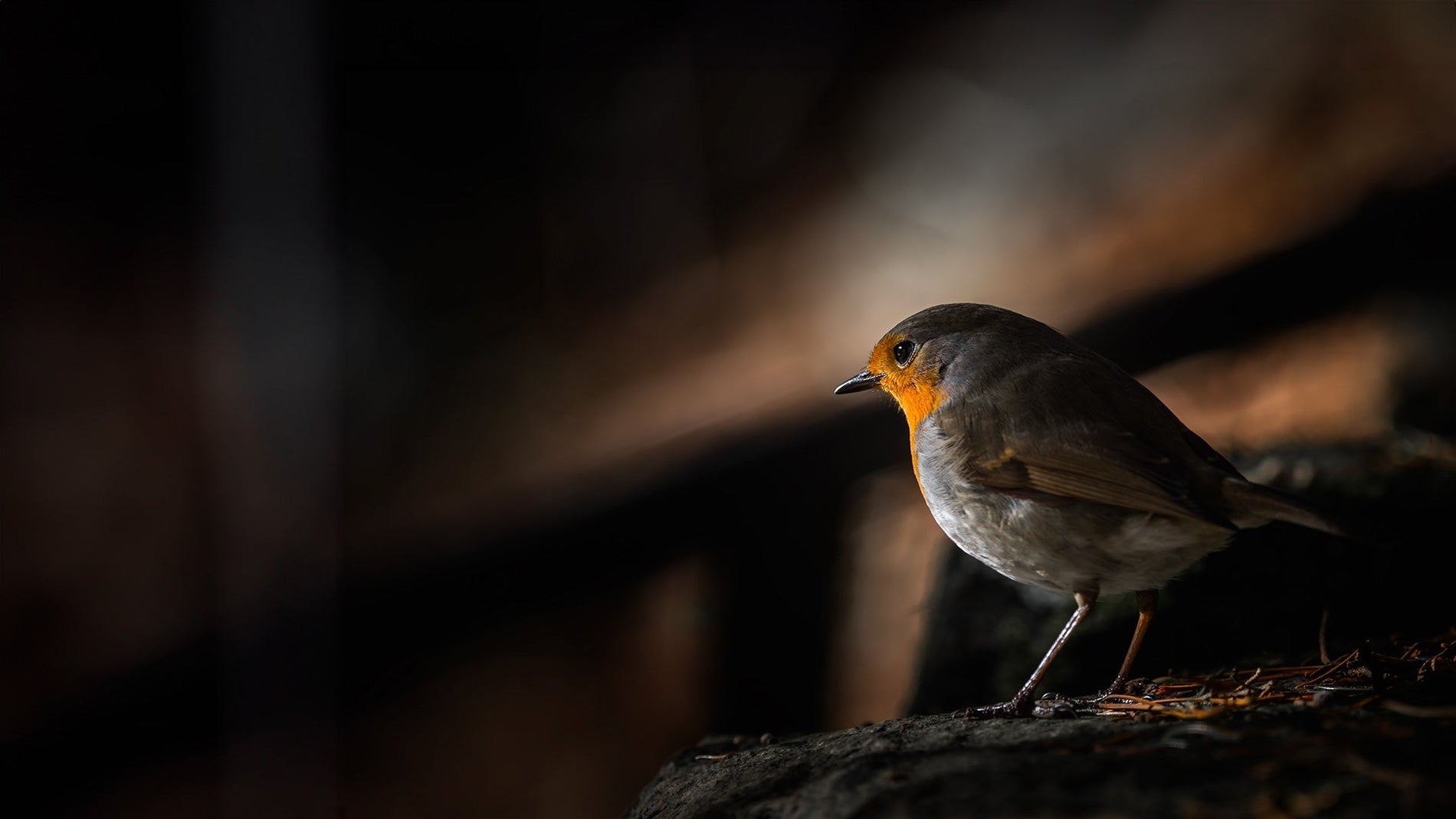
Some birds prefer shrubs and bushes with thick leaves. These spots offer protection from wind, rain, and predators. Small birds like wrens and robins often choose this kind of shelter, especially if the weather is cold. Shrubs close to the ground can be risky, but dense cover helps hide them from view.
3. Tree Cavities And Holes
Birds like woodpeckers, nuthatches, and some owls use tree cavities or holes for nighttime roosting. These natural or old woodpecker-made holes offer excellent protection from both weather and most predators. Some birds, such as chickadees, will use the same cavity every night during winter.
4. Birdhouses And Nest Boxes
In areas where people have put up birdhouses or nest boxes, many birds take advantage of these safe shelters. Bluebirds, swallows, and titmice often sleep in these structures, especially during breeding season. Birdhouses can be even safer than natural holes, as they are sometimes placed away from predators.
5. Reeds And Grass
Marsh birds, like red-winged blackbirds and rails, sleep hidden in tall reeds or thick grass. These spots are wet and hard for most animals to walk through, which helps keep the birds safe. The dense plants also provide cover from rain and wind.
6. Cliffs And Rocky Ledges
Some birds, especially those that live in open or rocky areas, like swifts and certain species of falcons, sleep on cliffs or rocky ledges. The high, narrow spots are difficult for predators to reach. Colonies of birds may gather in these places for safety in numbers.
7. Under Roofs And Eaves
In cities and towns, birds such as pigeons, sparrows, and swifts often sleep under roofs or eaves of buildings. These spots mimic natural cliffs or ledges but are more common in urban areas. Buildings can provide warmth and protection from rain.
8. On Water
Some water birds, like ducks and geese, actually sleep on the water. They float in groups, sometimes near the middle of lakes or ponds, where land predators cannot reach them. If a predator tries to approach, the birds can quickly swim or fly away.
9. In Nests (but Not Always)
People often believe birds sleep in their nests every night. In reality, most birds use nests only for laying eggs and raising chicks. After the breeding season, many birds stop sleeping in their nests. Some may return to their nests for a short time, especially if the weather is bad, but this is not the usual behavior.
10. Special Roosts
Certain birds gather in large groups at special nighttime locations, known as communal roosts. Starlings, crows, and herons are famous for this. These roosts may include thousands of birds and are chosen for safety and warmth. Grouping together helps birds stay alert to danger.
How Birds Sleep: Unique Patterns And Behaviors
Birds have some unusual ways of sleeping that help them survive. Understanding these methods gives us more insight into their nighttime choices.
Unihemispheric Slow-wave Sleep
Some birds, especially those that sleep in open areas or on water, can sleep with one half of their brain awake and the other half asleep. This is called unihemispheric slow-wave sleep. It allows birds to rest while still watching for danger. Ducks are well-known for this—they often sleep on the edge of a group with one eye open, ready to spot predators.
Tucking Their Heads
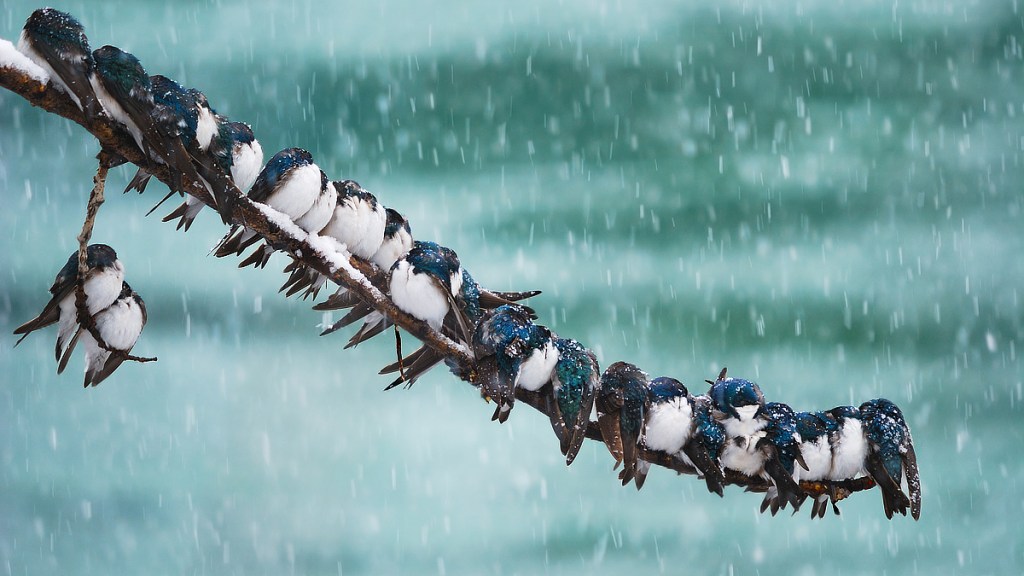
Many birds sleep with their heads turned back and tucked under their wing. This position helps keep them warm and protects their face from cold wind. It also helps reduce heat loss, which is important for survival in cold weather.
Roosting In Groups
Sleeping in a group, or roosting, is common among birds like crows, swallows, and blackbirds. Roosting has two main benefits: warmth and safety. In cold weather, birds in large groups can share body heat. A group can also spot predators more easily, as there are more eyes to keep watch.
Micro-naps
Some birds, especially those that migrate long distances, are able to take very short naps, called micro-naps, while standing or even flying. Research shows that some swifts can sleep while gliding, allowing them to stay in the air for days or even weeks.
Nighttime Dangers Birds Face
Night is not just a time for rest; it is also a time of high risk for birds. They must deal with many dangers:
Predators
Many animals that hunt birds are most active at night. Owls, snakes, raccoons, and feral cats are common nocturnal predators. Birds choose sleeping places that are hard for these animals to reach. For example, sleeping high in trees or in tight cavities makes it difficult for most predators to attack.
Weather
Cold, rain, and wind can be deadly, especially for small birds. They need to find places that offer shelter from the elements. Dense shrubs, tree cavities, and building eaves are popular choices during storms or cold nights.
Human Disturbance
Urban birds face new risks from people, cars, and artificial light. Streetlights can confuse birds’ internal clocks, and loud noises can wake them. In some areas, birds have had to change their roosting spots because of construction or bright lights.
Collisions
Birds may fly into windows, power lines, or other structures at night, especially if they are disturbed or if artificial lights attract them. These accidents can injure or kill many birds each year.
Here is a comparison of common nighttime dangers for birds:
| Danger | Example | How Birds Avoid It |
|---|---|---|
| Predators | Owls, cats, snakes | Sleep in hidden or high places |
| Weather | Cold, rain, wind | Choose sheltered roosts |
| Human activity | Noise, lights, pets | Roost in quieter or higher spots |
| Collisions | Windows, wires | Avoid brightly lit areas |
How Different Birds Choose Their Nighttime Spots
Not all birds choose the same kinds of places at night. Their size, habits, and environment affect their choices.
Small Songbirds
Birds like sparrows, warblers, and finches are very vulnerable at night. They prefer to sleep in dense bushes or high tree branches. Their small size means they lose heat quickly, so they pick spots protected from wind.
Waterfowl
Ducks, geese, and swans often sleep on the water, where they float in groups. This keeps them safe from land predators. Water also helps them stay cool in summer and avoid freezing in winter.
Birds Of Prey
Owls are active at night, but other birds of prey like hawks and falcons sleep on high branches or cliffs. They need spots with a good view, so they can watch for danger even while resting.
Ground Birds
Quail, pheasants, and plovers often sleep on the ground but choose areas with tall grass or under bushes for cover. At night, these birds are very still and rely on camouflage to remain unseen.
Urban Birds
City birds like pigeons, starlings, and sparrows have adapted to sleep on building ledges, under bridges, or in abandoned structures. These spots mimic natural cliffs and offer protection from many urban dangers.
The following table shows typical roosting choices for different bird types:
| Bird Type | Common Nighttime Spot | Main Reason for Choice |
|---|---|---|
| Small songbirds | Dense shrubs, tree branches | Protection from predators/weather |
| Waterfowl | Open water | Safety from land predators |
| Owls | Tree cavities, dense foliage | Hidden from other predators |
| Urban birds | Buildings, ledges | Shelter and warmth |
| Ground birds | Tall grass, under bushes | Camouflage |
Do Birds Sleep In The Same Place Every Night?
Some birds are faithful to one roosting spot, returning night after night, while others change locations often. For example, chickadees may sleep in the same tree cavity all winter, while robins and blackbirds may choose a new bush or tree each night.
This behavior depends on how safe the spot is and whether it offers enough warmth and cover. Birds that sleep in groups may change locations as the group moves. If a bird’s usual place is disturbed by a predator or a person, it will quickly find a new spot.
The Role Of Migration
Night is not always a time for sleep in the bird world. For many species, night is the best time to migrate—travel long distances to find better weather or more food. Most small songbirds migrate at night, using the stars to navigate. Flying at night helps them avoid predators and strong daytime winds.
During migration, birds may stop to rest and feed during the day, then fly for many hours after sunset. Some birds can fly for thousands of kilometers in just a few nights. Migration is risky, but it is the key to survival for many species.
Nests: Myths And Facts About Nighttime Use
It’s common to think that birds sleep in their nests every night. In fact, nests are used mainly for raising young. Once the chicks leave, most birds abandon the nest. Using a nest at night can actually attract predators, since nests are easy to spot.
There are exceptions. In cold weather, some birds use old nests for warmth. Cavity-nesting birds, like bluebirds and woodpeckers, may reuse their nests during winter nights. But for most birds, nests are not their main sleeping places outside the breeding season.
How Urban Life Changes Where Birds Go At Night
Cities create new challenges and opportunities for birds. Artificial lights, buildings, and noise can change where and how birds sleep.
Light Pollution
Streetlights and city glow can confuse birds. Some species are attracted to bright lights and may circle them for hours, wasting energy. Others may avoid lit areas altogether, choosing darker corners or parks.
Urban Roosts
Many birds have learned to use man-made structures for sleeping. Bridges, building ledges, and even street signs can become roosting spots. While these places can be safe from some predators, they expose birds to new risks, like cars and pollution.
Adapting To Noise
Birds in cities often sleep in shorter bursts and wake more easily, due to constant noise. Some studies show that urban birds change their sleep patterns, becoming more active at dawn and dusk when the city is quieter.
Here is a table comparing rural and urban bird roosting:
| Environment | Common Roosts | Main Risks |
|---|---|---|
| Rural | Trees, shrubs, reeds | Predators, storms |
| Urban | Buildings, bridges | Lights, noise, cars |
Special Nighttime Behaviors
Some birds have unique habits at night that help them survive.
Night Roosting Calls
Certain species, like crows and blackbirds, make special calls before settling down at night. These calls help gather the group and warn others if danger is near.
Sleeping On One Leg
Many birds, including flamingos and ducks, sleep standing on one leg. This reduces heat loss and gives the other leg a rest.
Preening Before Sleep
Before they sleep, birds often preen—clean and arrange their feathers. This helps keep feathers waterproof and traps air for warmth.
Non-obvious Insights About Birds At Night
Many people do not realize that:
- Birds can sense air pressure changes and may choose their nighttime spot based on coming weather. If a storm is near, they look for extra shelter.
- Some birds change their color slightly at night. For example, certain owls fluff their feathers to appear larger, which helps scare off predators.
- Migrating birds use the Earth’s magnetic field to guide them at night, not just stars. This is a skill that humans are still trying to fully understand.
How You Can Help Birds At Night
People can make a big difference for birds looking for safe places at night:
- Plant dense bushes or native trees in gardens to give birds shelter.
- Put up birdhouses or nest boxes in safe locations.
- Turn off unnecessary outdoor lights at night to reduce confusion and collisions.
- Keep pets indoors at night to protect sleeping birds.
- Avoid trimming hedges or trees during nesting season.
By making small changes, we can help birds find safe places to rest and survive each night.
Frequently Asked Questions
Where Do Most Birds Sleep At Night?
Most birds sleep in places that are hidden, high, or hard to reach. These can include tree branches, dense bushes, tree cavities, or building ledges in cities. The main goal is to stay safe from predators and weather.
Do Birds Sleep In Their Nests Every Night?
No, most birds use nests only for raising young. After the breeding season, they usually sleep elsewhere. Some birds may use nests in bad weather, but this is not common.
Why Do Some Birds Sleep On Water?
Water birds like ducks and geese sleep on water because predators cannot easily reach them. Floating in groups also helps them stay warm and alert to danger.
How Do City Lights Affect Birds At Night?
Artificial lights can confuse birds, making them fly at night when they should rest or causing them to collide with buildings. Some birds avoid lit areas, while others are attracted to them, which can be dangerous.
Can Birds Sleep While Flying?
Yes, some birds, especially migratory species like swifts, can sleep while flying. They do this by letting one half of their brain rest at a time, which lets them stay in the air for long periods.
If you want to learn more about bird sleep and migration, you can visit Wikipedia’s article on bird sleep.
Birds have adapted in amazing ways to stay safe and healthy at night. Whether they sleep on a branch, float on a lake, or rest in a city building, their choices are guided by the need for safety, warmth, and survival.
The next time you hear silence at night, remember that birds are out there—hidden, clever, and always adapting.