
Do Birds Help Control Pests?
Birds are everywhere—from city parks to remote forests. Many people enjoy their songs and colors, but few realize the hidden service they provide. For centuries, farmers and gardeners have noticed that birds spend a lot of time searching for insects and other small creatures. This observation raises a crucial question: Do birds help control pests? The answer is more interesting and important than most people think.
When we talk about “pests,” we mean insects and animals that harm crops, gardens, forests, or even our homes. Common pests include caterpillars, beetles, aphids, grasshoppers, and rodents. Without natural controls, these pests can multiply quickly, causing serious damage. Birds, as natural predators, may play a key role in keeping these populations in check.
But how much do birds really help? Let’s explore the facts, evidence, and real-world examples to fully understand their impact.
How Birds Control Pests
Birds are not just pretty to watch; they are busy workers in the environment. Many birds eat insects and small animals as part of their daily diet. Some birds specialize in hunting certain pests, while others are generalists and eat whatever is available. Here’s how birds help manage pest populations:
- Direct Consumption: Birds eat pests like caterpillars, beetles, moths, locusts, and aphids. This direct action immediately reduces pest numbers.
- Disturbance: The presence of birds can scare pests into hiding or moving away, which reduces feeding time and reproduction.
- Feeding Chicks: During the breeding season, many birds collect huge numbers of insects to feed their young. This period often matches the peak season for pest outbreaks.
- Rodent Control: Some birds, like owls and hawks, hunt rodents that damage crops and stored food.
- Interrupting Pest Life Cycles: By eating eggs, larvae, or adults, birds can break the life cycle of pests, leading to fewer pests in the future.
What’s easy to miss is that the effect of birds goes beyond the number of pests they eat. Their constant activity changes pest behavior and can slow population growth, even when the birds do not eat every pest they find.
Types Of Birds That Control Pests
Not every bird is a pest controller, but many common species help in different ways. Here are some groups and examples:
Insectivorous Songbirds
These birds eat mostly insects, especially during the breeding season. Examples include:
- Chickadees
- Warblers
- Titmice
- Wrens
- Bluebirds
- Swallows
A pair of chickadees, for instance, can feed their chicks over 6,000 caterpillars in just three weeks.
Woodpeckers
Woodpeckers search for insects inside tree bark. They help control wood-boring beetles, ants, and termites that can damage trees.
Swallows And Martins
Swallows and martins catch flying insects like mosquitoes, flies, and beetles. A single barn swallow can eat hundreds of insects per day.
Raptors
Birds of prey, such as:
- Owls
- Hawks
- Kestrels
These birds hunt larger pests, including mice, voles, and rats. Barn owls are known to eat up to 1,000 rodents per year.
Game Birds
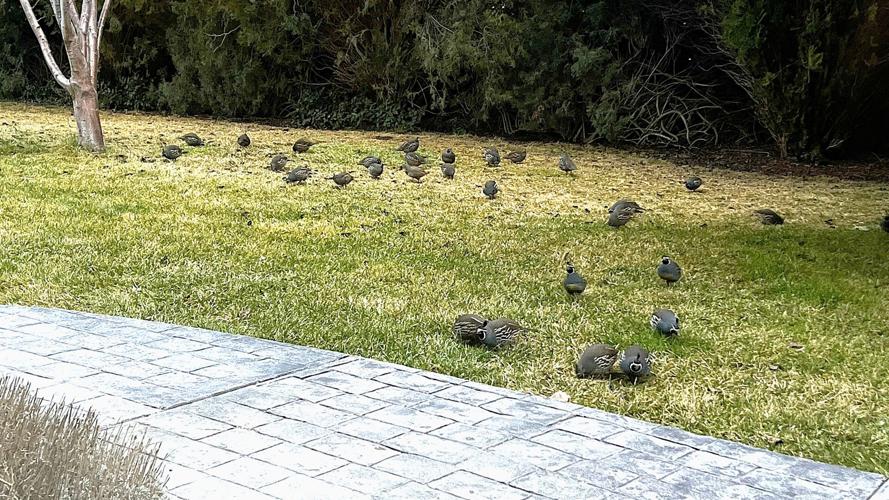
Quail and pheasants often scratch the ground for beetles and insect larvae.
Waterfowl
Some ducks eat insects, snails, and weed seeds in rice fields and ponds.
Evidence From Science And Agriculture
It’s one thing to say birds eat pests; it’s another to measure their real impact. Scientists have studied bird pest control in many ways: removing birds from test areas, analyzing bird diets, and tracking pest numbers.
Studies In Cropland
A 2013 study in the journal *Nature* found that birds reduced pest insect numbers by 50% in some coffee plantations. In apple orchards, birds reduced caterpillar damage by about 46%.
Another experiment showed that, when birds were kept out of certain areas, pest levels doubled compared to places where birds could feed freely.
Forest And Urban Gardens
In forests, woodpeckers often reduce outbreaks of bark beetles. In home gardens, blue tits and great tits (in Europe) help control moth larvae and aphids.
Rice Fields And Wetlands
In Asia, ducks and egrets are sometimes used in rice fields. They eat insects, snails, and weed seeds, leading to less pest damage and reduced need for chemicals.
Rodent Control
Barn owls have been used in sugar cane fields and grain storage areas. They can lower rat populations, protecting crops and food stores.
Real-world Data Comparison
Below is a summary comparing pest damage in areas with and without bird activity:
| Crop Type | Pest Damage with Birds | Pest Damage without Birds |
|---|---|---|
| Coffee | 50% less | 100% (baseline) |
| Apples | 46% less | 100% (baseline) |
| Rice | 30% less | 100% (baseline) |
The numbers show that birds can make a real difference, but the effect depends on the bird species, crop, and local conditions.
Birds Vs. Chemical Pesticides
Modern farming often uses chemical pesticides to kill insects and rodents. While these products can work quickly, they have side effects: pollution, harm to pollinators, and resistance in pests. Birds offer a natural alternative, but how do they compare?
Advantages Of Birds
- Sustainable: Birds keep working year after year without the need for re-application.
- Targeted: Many birds hunt only specific pests, causing less harm to helpful insects.
- Safety: Birds don’t leave toxic residues on food or in the environment.
Limitations
- Speed: Birds may not reduce a sudden outbreak as fast as chemicals.
- Selectivity: Some birds may not eat all the pests present.
- Dependency on Habitat: Birds need safe places to nest and feed, so their numbers drop if habitat is lost.
Cost Effectiveness
A study in South Africa found that using barn owls for rodent control cost less than buying poison, especially over several years.
Integrated Pest Management
Many experts now recommend combining birds with other pest control methods. This approach, called Integrated Pest Management (IPM), uses the strengths of each method for better results.
Non-obvious Ways Birds Help
Most people think birds only help by eating pests, but their impact is broader:
1. Pest Behavior Changes
When birds are nearby, pests often hide more and eat less. Even if birds do not eat every pest, they reduce overall feeding damage.
2. Disease Control
Some birds eat insects that carry plant diseases. By reducing these insects, birds help keep crops healthier.
3. Seed Predation
Certain birds eat the seeds of weeds, lowering weed competition with crops. This means fewer herbicides are needed.
4. Supporting Other Beneficial Species
Birds can spread seeds and nutrients, making the environment better for spiders and ladybugs, which are also natural pest controllers.
Examples From Around The World
Let’s look at real-life cases where birds have helped control pests:
Coffee Plantations In Latin America
In Costa Rica, research found that birds reduced the coffee berry borer beetle—a major pest—by over 50%. Farmers who protected bird habitats had higher yields and lower pest damage.
Barn Owls In Malaysia
Rice farmers in Malaysia use nest boxes to attract barn owls. The result: rodent damage dropped by 90%, and farmers saved money on poison.
Blue Tits In European Orchards
Fruit growers in the UK and France encourage blue tits to nest in their orchards. The birds eat thousands of caterpillars and aphids each season, reducing the need for spraying.
Swallows In China
In Chinese villages, swallows build nests in barns and eat large numbers of flies and mosquitoes. This helps reduce the spread of disease.
Ducks In Japanese Rice Fields
Some Japanese rice farmers let ducks swim in their paddies. The ducks eat insect pests and weeds, resulting in healthier crops and less chemical use.
Challenges And Risks
While birds help control pests, there are challenges to consider:
Birds Can Be Pests Too
Some birds, like crows or starlings, can damage crops directly by eating seeds or fruit. It’s important to balance the benefits and risks.
Habitat Loss
Urban growth and intensive farming reduce nesting sites and food sources for birds. Fewer birds mean less natural pest control.
Pesticide Poisoning
When pesticides are used heavily, birds can eat poisoned insects, which harms or kills them. This creates a cycle: fewer birds, more pests, and more chemicals needed.
Climate Change
Changing weather patterns can shift bird migration and breeding. Some birds may arrive too early or late to match pest outbreaks, reducing their effectiveness.
Encouraging Birds For Pest Control
Gardeners, farmers, and city planners can all help birds do their job. Here’s how:
- Plant Native Trees and Shrubs: These provide food and shelter for birds.
- Install Nest Boxes: Safe nesting sites attract pest-eating birds like bluebirds, chickadees, and owls.
- Avoid Harmful Chemicals: Limit pesticide use, especially during the breeding season.
- Keep Some Dead Trees: Woodpeckers and owls use dead trees for nesting and finding insects.
- Provide Water: Birdbaths or ponds attract birds, especially in dry areas.
- Use Mixed Crops: Diverse plantings attract different bird species, increasing pest control.
Here’s a quick comparison of actions and their effects:
| Action | Bird Species Attracted | Pest Control Benefit |
|---|---|---|
| Planting native trees | Songbirds, woodpeckers | Insect and caterpillar control |
| Installing nest boxes | Bluebirds, owls | Rodent and insect reduction |
| Creating water sources | Swallows, martins | Mosquito and fly control |
What Happens When Birds Disappear?
It’s easy to take birds for granted. But studies show that removing birds leads to rapid pest outbreaks. For example, after bird populations dropped in some European forests, caterpillar numbers shot up and damaged trees. In the United States, fields with fewer birds had higher numbers of grasshoppers and beetles.
Without birds, farmers must use more chemicals, which harms other wildlife and raises costs. The balance of nature becomes harder to maintain.
Surprising Insights For Beginners
Many people, especially beginners, overlook a few key facts:
- Birds Do Not Work Alone: Birds are part of a team with spiders, bats, and insects like ladybugs. Each group controls different pests.
- Timing Is Everything: Birds are most effective when their breeding season matches pest outbreaks. If climate change shifts this timing, pest control can weaken.
- Habitat Quality Matters More Than Numbers: A few nesting pairs in the right place can do more than hundreds of birds passing through.
Paying attention to these details helps maximize the pest control benefits of birds.
Birds And Human Health
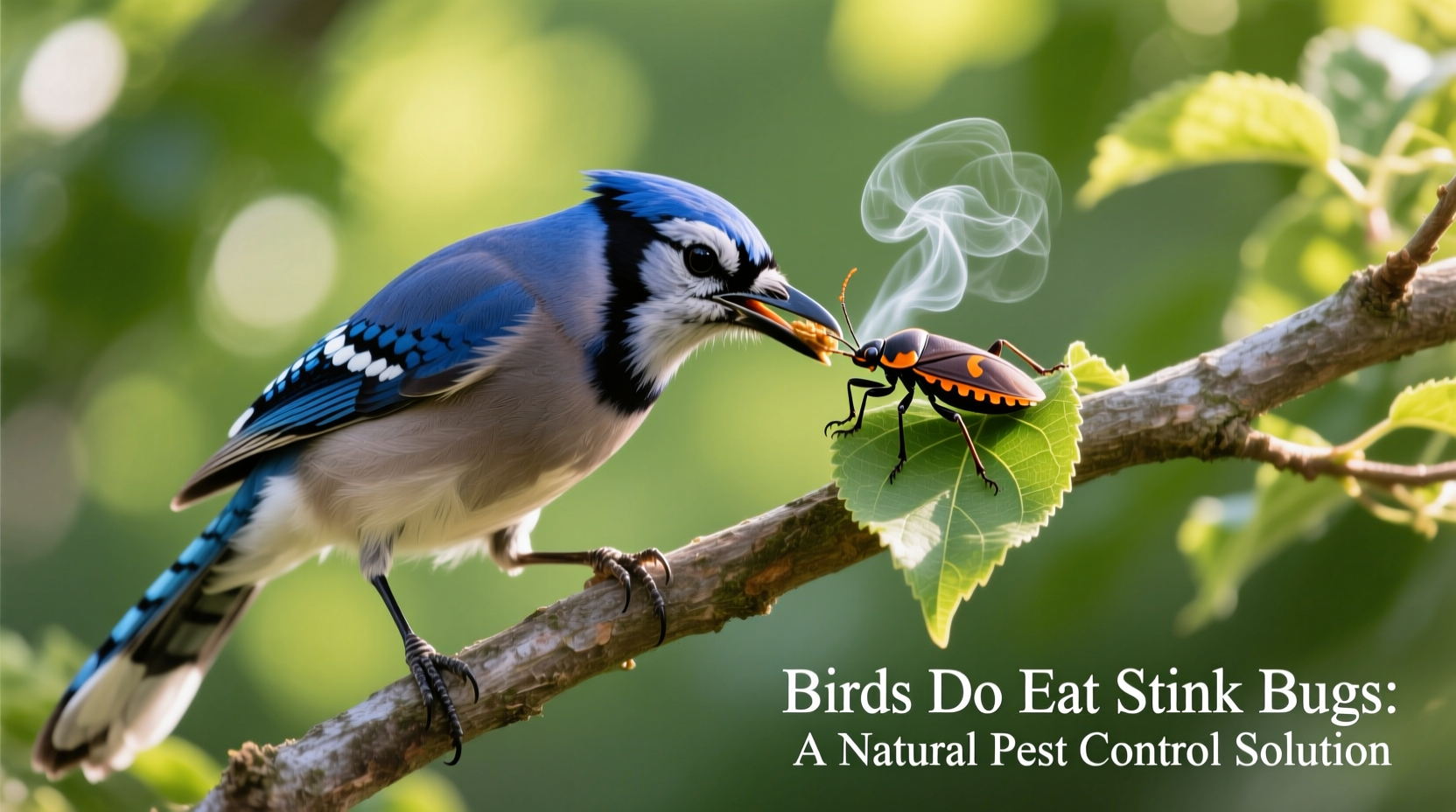
By eating insects like mosquitoes and flies, birds reduce the spread of diseases such as malaria and dengue. In some areas, swallows and martins are seen as protectors because they keep homes and barns healthier.
Birds also help indirectly by reducing the need for toxic chemicals, which can contaminate water and food.
The Economic Value Of Birds
Several studies have tried to estimate how much money birds save farmers. In the United States, birds save billions of dollars each year by reducing pest damage. In rice fields, using birds instead of poison can save up to $50 per acre.
Farmers who work with nature, not against it, often find that birds are valuable partners.
How To Identify Pest-eating Birds
Not all birds are equally helpful for pest control. Here are some ways to spot the good ones:
- Look for Activity: Birds that hop or fly from plant to plant, searching carefully, are usually hunting insects.
- Check Nest Boxes: Birds that use small boxes (like bluebirds) are usually insect-eaters.
- Observe Feeding: Swallows and martins catch flying insects; woodpeckers tap on trees; owls hunt at night.
If you want to attract pest-eating birds, focus on providing safe nesting spots and food sources.
Are There Any Downsides?
While birds are mostly helpful, sometimes they:
- Eat fruit and grains (like crows or starlings).
- Spread weed seeds (rare, but possible).
- Carry parasites or diseases (risk is low).
Good planning—using nets, scare devices, or crop rotation—can reduce these problems.
How To Work With Birds, Not Against Them
To benefit from birds, it helps to:
- Learn which species live in your area.
- Protect nesting sites during breeding season.
- Avoid “cleaning up” all old wood or brush, since many birds use these for shelter.
- Talk to neighbors about reducing pesticide use.
Involving your community can make a bigger difference than working alone.
Frequently Asked Questions
How Many Pests Can One Bird Eat In A Day?
A small songbird, like a chickadee or blue tit, can eat hundreds of insects daily, especially when feeding chicks. Swallows may eat up to 850 flying insects each day. Larger birds like barn owls can catch several rodents per night.
Do All Birds Help Control Pests?
No, not all birds are helpful for pest control. Some birds eat seeds, fruit, or nectar and do not reduce pests. Others, like crows, may even cause problems. The most helpful birds are insect-eaters and raptors.
Can I Attract Pest-eating Birds To My Garden?
Yes. Planting native trees, installing nest boxes, avoiding chemicals, and providing water can attract birds like wrens, chickadees, and swallows. These birds help keep pest numbers low naturally.
Do Birds Replace The Need For Pesticides?
Birds can reduce the need for pesticides, but they may not replace them completely, especially during sudden pest outbreaks. The best approach is to use birds as part of an Integrated Pest Management strategy.
Where Can I Learn More About Birds And Pest Control?
For more in-depth information, visit the National Audubon Society, which offers research and tips on supporting birds for natural pest control.
Birds are more than just beautiful creatures in the landscape—they are hardworking allies in our fight against pests. By understanding their role, protecting their habitats, and working with nature, we can enjoy healthier crops, gardens, and communities. The next time you see a bird hunting in your garden, remember: it’s doing you a quiet favor.