
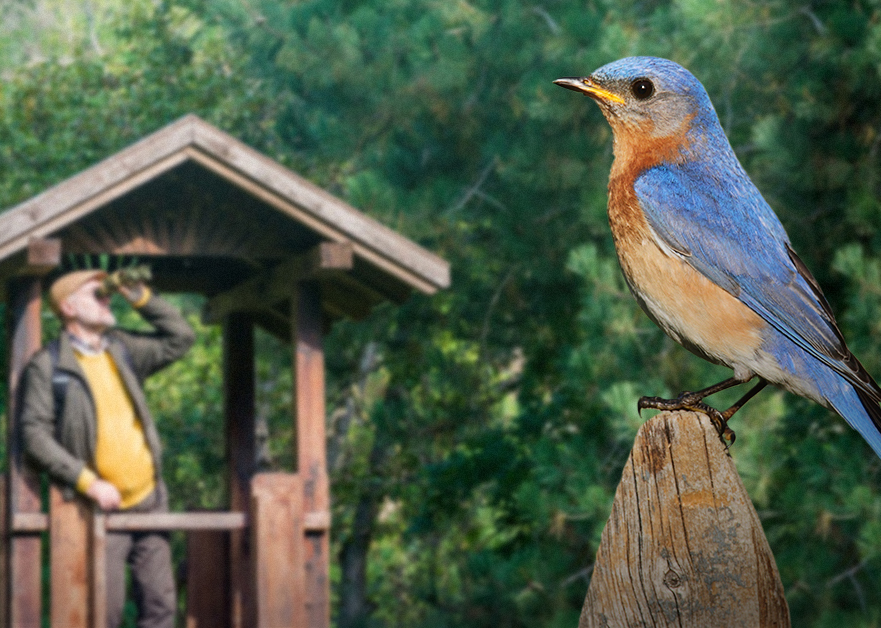
Birdwatching is a hobby that opens a window to the natural world. It is simple to start, yet can become a lifelong passion. For millions of people, birdwatching is more than just looking at birds—it’s a way to slow down, enjoy quiet moments, and connect with nature.
Whether you live in a city or countryside, birds are always nearby. This hobby welcomes everyone, from children to older adults, and you do not need expensive equipment to begin.
Birdwatching can be done almost anywhere—your backyard, a city park, or while traveling. It is both relaxing and exciting. Sometimes you watch common birds; other times, you may spot a rare species. The joy comes from noticing details: the colors, sounds, and behaviors of birds. Each bird tells its own story.
Many people think birdwatching is just for experts. The truth is, anyone can start. With a little curiosity, you can discover a world that was always around you but easy to miss. This article explains what birdwatching is, what makes it special, how you can get started, and why it matters.
You will find tips, common mistakes, and answers to popular questions. If you want a hobby that is healthy, affordable, and endlessly interesting, birdwatching might be perfect for you.
What Is Birdwatching?
Birdwatching, sometimes called birding, is the activity of observing wild birds in their natural environment. People watch birds for fun, to learn, and sometimes to help with science. Birdwatching can be as simple as looking out your window or as adventurous as traveling to faraway places to see rare species.
You do not need much to start. Usually, people bring binoculars and a field guide (a book or app with pictures and information about birds). Some birdwatchers take notes or photos. Others join groups or clubs to share their sightings. The main goal is to see, identify, and enjoy birds.
Birdwatching is different from just noticing birds. It means looking carefully, listening, and sometimes waiting quietly. For many, it becomes a way to learn about nature and even help protect it. When you watch birds, you start to notice how they live, what they eat, and how they change with the seasons.
Why Do People Enjoy Birdwatching?
There are many reasons why people love birdwatching. Here are some of the most common:
- Connection with Nature: Watching birds helps people feel closer to the natural world. Even in cities, birds are a reminder that nature is all around us.
- Relaxation and Stress Relief: Birdwatching is calming. Spending time outside, focusing on birds, and listening to their sounds helps reduce stress.
- Learning and Curiosity: Every bird is different. Birdwatchers love learning to identify species, understand their behaviors, and track their migrations.
- Challenge and Adventure: Finding a new bird or rare species is exciting. Birdwatchers often travel to new places to see different birds.
- Community and Sharing: Many birdwatchers join clubs or online groups. They share information, plan trips, and help each other learn.
- Health Benefits: Walking outdoors, breathing fresh air, and gentle movement are good for both body and mind.
- Photography: For some, birdwatching is a way to practice and improve nature photography.
A non-obvious insight: Many birdwatchers say that after a few months, they start to notice details in their environment they never saw before—such as changes in plants, insects, and weather—because birds are part of a larger ecosystem.
History Of Birdwatching
Birdwatching as a hobby began in the late 1800s. Before that, people studied birds mainly by hunting or collecting them. As cameras and binoculars improved, more people started to watch birds without harming them.
In the early 20th century, birdwatching became popular in Europe and North America. People formed clubs, started bird surveys, and wrote field guides. The Audubon Society in the United States and the Royal Society for the Protection of Birds (RSPB) in the United Kingdom played important roles.
Today, birdwatching is a global hobby. There are clubs, magazines, websites, and even festivals for birdwatchers. Technology has also changed the hobby. Now, people use smartphones to identify birds, record sounds, and share sightings online.
How To Start Birdwatching
Getting started with birdwatching is easy and does not require a big investment. Here’s a step-by-step guide:
1. Start Where You Are
Begin in your yard, balcony, or local park. You do not need to travel far. Birds are everywhere.
2. Get Basic Equipment
- Binoculars: These help you see birds clearly. For beginners, 8×42 binoculars are a good choice. They are not too heavy and work well in most places.
- Field Guide: Use a book or a smartphone app that shows pictures and information about local birds. Apps like Merlin Bird ID or iBird are helpful.
- Notebook or App: Many birdwatchers keep a list of birds they see. This is called a “life list.”
3. Learn To Observe
Watch how birds move, what they eat, and the sounds they make. Pay attention to size, shape, color, and behavior.
4. Practice Identification
Focus on common birds first. Try to notice details that help you tell similar species apart. For example, sparrows and finches may look alike but behave differently.
5. Join Birdwatching Groups
Many cities have birdwatching clubs. Joining a group helps you learn faster and meet people with the same interest.
6. Explore New Places
As you get more confident, visit nature reserves, forests, or wetlands. Each place has different birds.
A tip beginners miss: Early mornings are often the best time to see birds, as they are most active then.
Essential Birdwatching Equipment
While you can start birdwatching with just your eyes, a few tools make it easier and more enjoyable. Here’s a comparison of common equipment:
| Equipment | Purpose | Beginner Friendly? | Average Cost |
|---|---|---|---|
| Binoculars (8×42) | See birds clearly at a distance | Yes | $80–$200 |
| Field Guide Book | Identify birds by picture and description | Yes | $15–$40 |
| Smartphone App | Quick identification, sounds, and checklists | Yes | Free–$20 |
| Camera | Take photos for identification or sharing | Optional | $200–$1000+ |
| Notebook | Write notes and keep lists | Yes | $2–$10 |
Most beginners start with binoculars and a guide. Over time, you might add a camera or spotting scope. Remember, you do not need everything at once.
Where To Go Birdwatching
Birds live in almost every environment. The best places to watch them depend on what you want to see and where you live. Here are popular locations:
- Backyard or Balcony: Start at home. Even small gardens attract birds. Add a feeder or birdbath to see more species.
- City Parks: Trees and water in parks are magnets for birds, especially during migration seasons.
- Nature Reserves: These are protected areas with many birds. Staff often help visitors identify birds.
- Wetlands and Lakes: Water attracts ducks, herons, and many other species.
- Forests: Woodlands are good for woodpeckers, warblers, and owls.
- Mountains and Hills: You may see birds like hawks, eagles, and swallows.
- Beaches and Coastal Areas: Shorebirds, gulls, and terns are common here.
A key insight: Sometimes, the best place is the one you visit often. Birds become less shy when they see you regularly, so you notice more behaviors.

How To Identify Birds
Identification is a big part of birdwatching. It can be challenging but becomes easier with practice. Here’s what to look for:
- Size and Shape: Is the bird small like a sparrow or large like a crow? Notice the beak, tail, and wings.
- Color and Patterns: Look at the color of the head, back, wings, and belly. Some birds have special markings like stripes or spots.
- Sounds: Birds often sing or call. Learning a few common sounds helps a lot.
- Behavior: Notice how the bird moves. Does it hop, walk, or climb? How does it feed?
- Habitat: Where did you see the bird? Some species only live in certain places.
- Season: Birds change with the seasons. Some only appear at certain times of year.
Birdwatchers often use a method called “GISS”—General Impression of Size and Shape. With practice, you can identify many birds at a glance.
Birdwatching Ethics And Responsibilities
Birdwatching should not harm birds or their habitats. Following a few simple rules keeps the hobby safe and enjoyable for all:
- Keep a respectful distance: Do not get too close or disturb birds, especially during nesting.
- Do not play recorded bird calls loudly: This can confuse or stress birds.
- Follow local rules: Some places protect certain birds or areas.
- Do not leave trash: Always clean up after yourself.
- Share information carefully: If you see a rare bird, think before telling everyone. Too many visitors can harm the bird or its habitat.
A non-obvious ethical tip: Avoid wearing bright clothes or using flash when photographing, as this can startle birds.
Birdwatching As Citizen Science
Birdwatchers are important helpers for science. Many projects ask people to count or report birds. This is called citizen science. Your observations help track bird populations and health.
Popular projects include:
- EBird: A global database where you can log your sightings.
- Christmas Bird Count: An annual winter survey, especially popular in North America.
- Great Backyard Bird Count: A simple project for all ages, usually held in February.
By joining these, you help scientists understand changes in nature, such as climate change or habitat loss.
Common Challenges And How To Overcome Them
New birdwatchers often face a few challenges. Here are some, and how to solve them:
1. Birds Move Fast
Many birds fly away before you can see them well. Solution: Move slowly, wear neutral colors, and stay quiet.
2. Identification Is Hard
Some birds look very similar. Solution: Focus on a few common birds first. Use apps that help with sound and picture identification.
3. Weather
Rain or wind makes birdwatching tough. Solution: Check the weather and dress properly. Birds are most active after rain or during calm weather.
4. Equipment Costs
Binoculars and cameras can be expensive. Solution: Start with basic gear or borrow from friends or clubs.
A practical tip: Patience is key. Some days you see many birds, other days just a few. Every trip teaches you something new.
Social Side Of Birdwatching
Birdwatching is not always a solo hobby. Many people enjoy sharing it with friends, family, or clubs. Here’s how you can get involved:
- Join a local club: Most cities have birdwatching groups. They organize trips, teach beginners, and share news.
- Online communities: Websites and social media groups connect you with birdwatchers worldwide.
- Festivals and events: Bird festivals are popular, especially during migration seasons. You can meet experts, join walks, and see rare birds.
Learning with others helps you improve and makes the hobby more fun.
Bird Photography For Birdwatchers
Many birdwatchers become interested in photography. It helps you record and share what you see. Here’s a quick comparison of options:
| Camera Type | Pros | Cons | Best For |
|---|---|---|---|
| Smartphone | Easy to carry, quick sharing | Limited zoom, lower quality | Beginners |
| Point-and-Shoot | Better zoom, simple controls | Limited manual control | Casual users |
| DSLR or Mirrorless | High quality, fast focus | Expensive, heavy | Serious photographers |
| Spotting Scope + Phone Adapter | Extreme zoom, great for distant birds | Bulky, not for moving birds | Rare birds, stationary watching |
A tip: Start with your phone. If you enjoy it, upgrade as you learn.
Health And Wellbeing Benefits
Birdwatching is good for your health in ways many people do not expect. Several studies show that spending time with nature, especially watching birds, can:
- Lower stress and anxiety: Even 20 minutes of birdwatching helps people feel calm.
- Improve focus and mood: Nature helps your mind rest and recover.
- Increase physical activity: Walking, hiking, and standing outdoors are gentle exercise.
- Boost creativity: Noticing details and solving identification challenges keeps your brain active.
A study in the journal “BioScience” found that people living near green spaces with more birds reported higher happiness and less depression.
Birdwatching For Families And Children
Birdwatching is a hobby for all ages. It’s a great way for families to spend time together and for children to learn about nature. Here’s how to make it fun:
- Start with common birds: Kids enjoy seeing birds they know, like robins or pigeons.
- Use simple guides: Choose books or apps with clear pictures.
- Bring snacks and drinks: Make outings comfortable.
- Play games: Who can spot the first bird? Can you find a bird with red feathers?
- Draw or write about birds: Creative activities help kids remember what they see.
A practical tip: Children notice things adults often miss. Let them lead sometimes!
How Birdwatching Helps Conservation
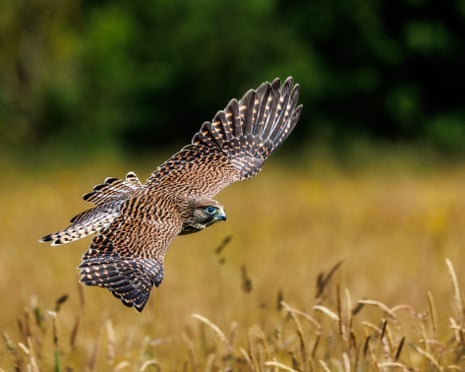
Birdwatching is more than a hobby; it helps protect birds and nature. Here’s how:
- Awareness: People who watch birds care more about the environment and support conservation.
- Data collection: Birdwatchers’ records help track changes in bird populations.
- Support for reserves: Visits and donations to nature reserves support their work.
- Citizen action: Birdwatchers often join campaigns to protect threatened species and habitats.
According to the International Union for Conservation of Nature (IUCN), about 14% of bird species are threatened. Birdwatchers play a key role in their protection.
Birdwatching Around The World
Birdwatching is a global hobby. Some countries are famous for their birds and attract visitors from all over.
- United States: Over 60 million people watch birds. Hotspots include Florida, Texas, and California.
- United Kingdom: Birdwatching is a national pastime. The RSPB has over 1 million members.
- Costa Rica: Small country, over 900 bird species. A top travel spot for birders.
- South Africa: Rich in unique birds. Kruger National Park is famous.
- Australia: Home to parrots, emus, and many unique species.
Bird festivals, such as the British Birdwatching Fair, attract thousands. Bird tourism is growing, bringing money to local communities.
Birdwatching Records And Achievements
Some birdwatchers keep lists of all the birds they see. This is called a life list. Others try to see as many as possible in a year—this is known as a Big Year. The world record for the most bird species seen in one year is over 6,800!
Birdwatchers sometimes travel to remote places just to see one new species, a practice called twitching.
Birdwatching And Technology
Modern technology has changed birdwatching in many ways:
- Mobile apps: Help identify birds by photo or sound.
- Online databases: Share sightings and maps (eBird, iNaturalist).
- Cameras and digiscoping: Take high-quality photos from a distance.
- GPS and mapping: Track bird migrations and find hotspots.
A practical insight: Many apps also help you learn bird calls, which is often harder than learning their appearance.
For more about how technology helps nature observation, see Wikipedia.
Frequently Asked Questions
What Is The Difference Between Birdwatching And Birding?
Both words mean the same thing: watching birds for fun. In some countries, “birding” suggests a more active or expert approach, but most people use the terms interchangeably.
Do I Need Expensive Equipment To Start Birdwatching?
No. You can begin with just your eyes and a simple guide. Binoculars help but are not required at first. Borrow or buy basic gear when you are ready.
When Is The Best Time Of Day To Watch Birds?
Early morning is usually best. Birds are active, feeding, and singing. Late afternoon is also good. Weather can change bird activity—after rain or before storms, birds may be more visible.
How Can I Attract More Birds To My Garden?
Provide food (like seeds or fruit), water (a birdbath), and shelter (bushes or trees). Avoid using pesticides. Native plants attract more insects, which means more birds.
Is Birdwatching Good For Children?
Yes! It teaches observation skills, patience, and respect for nature. Birdwatching can be done anywhere and does not require much money or special training.
Birdwatching is a hobby that brings joy, learning, and a sense of wonder. It connects us with nature, helps us relax, and even contributes to science and conservation. Whether you are a beginner or an expert, there is always something new to discover.
Give birdwatching a try—you may find a new passion that lasts a lifetime.