Birds are some of the most fascinating creatures on our planet. Their ability to fly, their bright colors, and their beautiful songs have inspired humans for thousands of years. But there is one thing that makes birds stand out from all other animals: feathers. Feathers are not just for decoration or flight—they play many roles in a bird’s life. If you have ever wondered why birds have feathers, or what makes feathers so important, you are about to discover some surprising answers. This article will explore the many reasons birds have feathers, how feathers evolved, the types of feathers, and even some facts most people miss. You will see why feathers are a true wonder of nature.
The Evolution Of Feathers
To truly understand why birds have feathers, it helps to look at their history. Feathers did not appear overnight. Scientists believe that feathers first evolved in dinosaurs more than 150 million years ago. These early feathers were not used for flight. Instead, they were likely simple filaments, much like hair, that helped with warmth or display.
Over millions of years, feathers became more complex. Some dinosaurs developed feathers with multiple branches, making them better at trapping air and helping the animal stay warm. Eventually, some species evolved flight feathers that allowed them to glide or even fly. The famous Archaeopteryx is an example of an early bird with both feathers and features of reptiles.
Today, every bird species has feathers, but no other living animal does. This makes feathers one of the most important and unique features of birds.
The Main Functions Of Feathers
Feathers are not just for flying. They have many uses, and each type of feather plays a special role. Here are the main reasons why birds have feathers:
1. Flight
The most obvious reason birds have feathers is flight. Feathers make flying possible in several ways:
- Lightweight structure: Feathers are made from keratin, the same material as human hair and nails. They are strong but very light.
- Wing shape: The arrangement and shape of feathers on the wings create a surface that can lift the bird into the air.
- Control: Birds use their feathers to steer, brake, and balance while flying.
Without feathers, birds would not be able to fly in the way they do. Some birds, like penguins and ostriches, cannot fly, but they still need feathers for other reasons.
2. Insulation
Feathers are excellent for keeping birds warm. Birds are warm-blooded, which means they need to keep a steady body temperature even when it is cold outside. Feathers trap air close to the skin, creating a layer of warmth. This is why birds can survive in very cold places, like the Arctic, or fly high in the sky where the air is cold.
Some birds have a special layer of down feathers under their outer feathers. Down is very soft and fluffy, and it is one of the best natural insulators in the animal kingdom. This is why people use down in jackets and blankets to stay warm.
3. Protection
Feathers also protect birds from the sun, rain, and injury. The outer feathers are often coated with oils that make them water-resistant. This helps birds stay dry when it rains or when they swim. The feathers can also protect the skin from cuts, scrapes, and even biting insects.
4. Camouflage
Many birds use feathers for camouflage. This means their feathers help them blend in with their surroundings. For example, the brown and gray feathers of a sparrow help it hide from predators in the bushes. Some birds change color with the seasons, like the ptarmigan, which is brown in summer and white in winter.
5. Display And Communication
Feathers play a big role in how birds communicate with each other. Bright colors, bold patterns, and even special shapes can send messages about health, strength, or readiness to mate. The peacock’s tail is a famous example. The male spreads his bright, colorful feathers to attract females.
Some birds even use feathers to make sounds. The Club-winged Manakin of South America vibrates its wing feathers to create a musical note during courtship.
6. Sensory Function
Many people do not realize that some feathers act like sensors. For example, the whisker-like feathers near a bird’s mouth, called rictal bristles, help birds sense objects while hunting insects in the air. These special feathers are very sensitive to touch.
7. Waterproofing
Birds that spend a lot of time in water, like ducks and swans, have feathers that are especially good at keeping them dry. They have a gland near the base of the tail that produces oil. Birds spread this oil over their feathers to make them waterproof.
Without this, birds would get wet and cold very quickly.
8. Buoyancy
Feathers help some birds float on water. The trapped air in the feathers makes birds more buoyant. This is important for ducks, swans, and other water birds.
9. Support For Eggs And Young
Some birds use their own feathers to line their nests. This helps keep the eggs and chicks warm and soft. For example, eider ducks pull out their own down feathers to make a cozy bed for their eggs.
10. Social Status
In some bird species, feathers show social rank. For example, the brightness or size of feathers can show which bird is stronger or more dominant. This can help reduce fighting, as birds know who is “in charge” just by looking.
Types Of Feathers And Their Roles
Birds have several types of feathers, each with a unique job. Understanding these types can help you see how complex and specialized feathers really are.
| Feather Type | Main Function | Example Species |
|---|---|---|
| Contour feathers | Shape and protection | All birds |
| Flight feathers | Flight (lift and control) | Eagles, hawks |
| Down feathers | Insulation | Ducklings, geese |
| Semi-plume feathers | Insulation and shape | Herons, swans |
| Filoplume feathers | Sensory feedback | Owls, flycatchers |
| Bristle feathers | Sensory and protection | Nightjars, swallows |
Contour Feathers
These are the outer feathers that give the bird its shape and color. They protect the bird from wind, sun, and rain. They also help with streamlining, which makes flying easier.
Flight Feathers
Found on the wings and tail, these feathers are strong and stiff. They are responsible for creating lift and allowing the bird to change direction.
Down Feathers
These soft, fluffy feathers are found under the contour feathers. They trap warm air and keep the bird’s body temperature steady.
Semi-plume Feathers
Semi-plumes are between contour and down feathers. They help with both insulation and shaping the bird’s body.
Filoplume Feathers
These are hair-like feathers with a few barbs at the tip. They are connected to nerves and help the bird sense if its other feathers are in the right position.
Bristle Feathers
Bristles are stiff feathers, often found around the mouth or eyes. They help with sensing objects and protecting sensitive areas.
How Feathers Grow And Are Maintained
Feathers do not last forever. Birds need to replace their feathers regularly, a process called molting. Molting usually happens once a year, but some birds molt more often. During molting, old feathers fall out and new ones grow in their place.
Feathers are made from keratin, the same protein that makes up our hair and nails. Once a feather is fully grown, it is dead tissue. This means birds must take care of their feathers to keep them in good shape. Birds spend a lot of time preening, which is the act of cleaning, arranging, and oiling their feathers. Preening helps keep feathers aligned and waterproof.
Some birds cannot fly during molting if they lose too many flight feathers at once. Others molt slowly so they can always fly if needed.

Feathers And Bird Survival
Feathers are not just for show—they are a matter of life and death for birds. Here are some key ways feathers help birds survive:
Temperature Control
A small bird, like a chickadee, can survive freezing winter nights by fluffing up its feathers to trap more air. This creates a thick layer of insulation. Without feathers, birds would quickly lose body heat and die in cold weather.
Predator Avoidance
Camouflage feathers help birds hide from predators. Some birds also use startle displays—flashing bright colors when threatened to surprise predators and escape.
Efficient Movement
Flight feathers allow birds to travel long distances. Some birds, like the Arctic Tern, migrate thousands of miles each year. This would not be possible without strong, lightweight feathers.
Water Survival
Water birds depend on waterproof feathers to stay alive. If their feathers lose oil, they can get waterlogged and drown.
Surprising Insights About Feathers
Most people know that feathers help birds fly and stay warm, but there are some lesser-known facts:
- Feathers are not just for birds. While only birds have true feathers today, some dinosaurs also had feathers. This shows that feathers are much older than birds themselves.
- Feathers can grow in new places. If a bird loses a feather, a new one can grow back in the same spot, unless the skin is damaged.
- Some birds eat their own feathers. Certain species, like parrots, may eat feathers during molting to help with digestion or to get rid of old, damaged feathers.
- Feathers can be toxic. Some birds, like the Pitohui of New Guinea, have feathers that contain toxins. This helps protect them from predators.
- Feathers are used by humans. People have used feathers for writing (quills), decoration, and warmth for centuries.
Feather Adaptations For Different Environments
Birds live in many different environments, from deserts to rainforests to icy poles. Feathers have adapted to help birds survive in each place.
| Environment | Feather Adaptation | Bird Example |
|---|---|---|
| Arctic/Cold | Extra thick down feathers | Snowy Owl |
| Rainforest | Bright, colorful feathers for display | Macaw |
| Desert | Pale feathers to reflect heat | Sandgrouse |
| Wetlands | Highly waterproof feathers | Duck |
| Open grasslands | Camouflage patterns | Pipit |
Arctic Birds
Birds like the Snowy Owl have a thick layer of down and even feathers on their legs and feet to keep warm in freezing temperatures.
Desert Birds
The Sandgrouse has pale, sandy feathers that reflect sunlight and help it stay cool.
Rainforest Birds
Birds like the Macaw use bright feathers for communication in the dark forest, where color stands out.
Water Birds
Ducks and swans have strong waterproofing and special feather shapes for swimming.
Grassland Birds
Birds like pipits and larks use brown and tan feathers to blend in with dry grass.
How Feathers Impact Bird Behavior
Feathers do not just protect and help birds fly—they shape their daily lives and behaviors.
- Mating dances: Many birds use feathers in courtship dances. The bird-of-paradise uses special feathers to perform unique displays to attract a mate.
- Territorial displays: Bright feathers can warn other birds to stay away from a territory.
- Thermoregulation: Birds change the position of their feathers to warm up or cool down. In hot weather, a bird may hold its feathers tight against the body to let heat escape.
- Communication: Some birds raise their feathers to show fear, aggression, or excitement.
What Happens When Feathers Are Lost Or Damaged
Losing feathers can be dangerous for birds. It can make them cold, less able to fly, or more visible to predators. Birds can lose feathers from:
- Molting
- Predator attacks
- Parasites or disease
- Pollution or oil spills
Some birds can regrow feathers quickly, but others may struggle if their feathers are damaged. For example, oil spills can coat feathers, making them lose their waterproofing. This has caused major problems for seabirds around the world.
Feather Colors: More Than Meets The Eye
Feathers get their colors in two main ways:
- Pigments: Chemicals that create red, yellow, brown, or black colors.
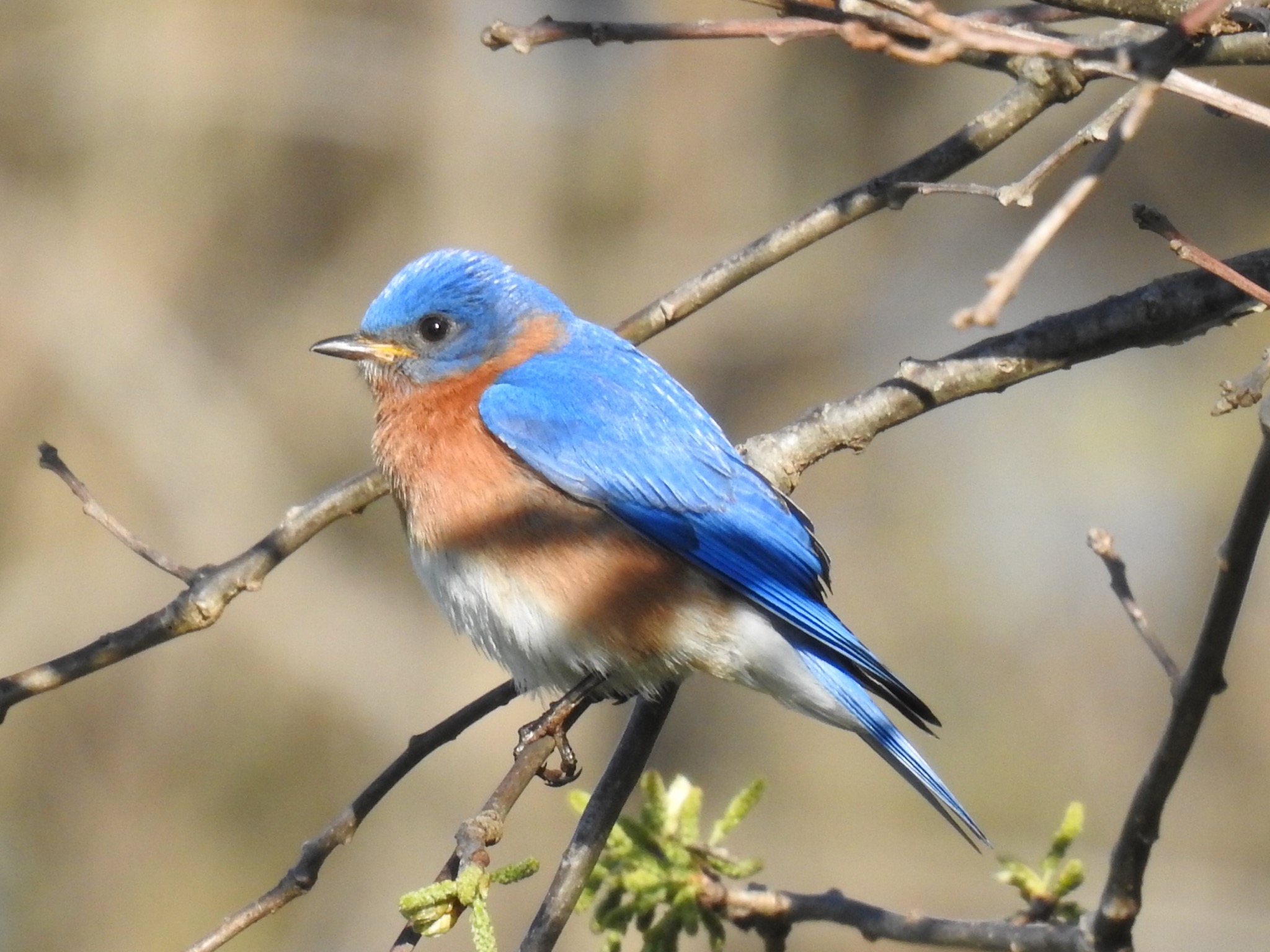
- Structural color: Microscopic structures in the feather reflect light, making blues and iridescent colors.
Some birds can even change feather color with age or season. For example, the American Goldfinch is bright yellow in summer and dull brown in winter.
Bright colors often signal a healthy bird. If a bird has dull, ragged feathers, it may not be healthy or ready to mate.
Feathers And Human Culture
Feathers have played a big role in human history and culture. They have been used for:
- Writing quills
- Fashion and decoration
- Ceremonial clothing
- Down for insulation
Some birds, like the ostrich and peacock, have been hunted for their feathers. This has led to conservation efforts to protect these species.
Feathers are also important in science. By studying fossil feathers, scientists have learned about the colors and habits of ancient birds and dinosaurs. For more about feather evolution and their role in animal history, see this Wikipedia page.
The Science Of Preening: Feather Care
Birds spend a lot of time preening. This is not just about looking nice. Preening helps birds:
- Remove dirt and parasites
- Re-align feather barbs for better insulation and flight
- Spread oil for waterproofing
Birds have a special gland called the uropygial gland that produces oil. They use their beak to spread this oil over their feathers.
If a bird cannot preen, its feathers become dirty, lose their shape, and stop working well. This can quickly become deadly, especially for water birds.
How Feathers Help Birds Adapt To Change
Feathers give birds flexibility to survive in changing environments.
- Seasonal molts let birds grow new feathers for summer or winter.
- Migration is possible thanks to strong flight feathers.
- Color changes help with breeding or hiding from predators at different times of year.
Some birds even grow extra feathers before migration for better insulation or energy storage.
Feathers And Bird Communication
Feathers can send messages without a single sound. For example:
- A bird raising its head feathers can warn others.
- Bright feathers signal health to potential mates.
- Flashing wing patches can scare off predators.
Feathers are a language that birds use every day.

The Future Of Feathers: Conservation And Research
Many bird species are in danger because of habitat loss, pollution, and hunting for feathers. Conservation is important to protect the beauty and diversity of bird feathers.
Scientists are also learning from feathers. Engineers study feathers to design better airplanes and waterproof clothing. Medical researchers look at feather structure to create new materials.
Feathers are not just important to birds—they continue to inspire humans in many ways.
Frequently Asked Questions
What Are Feathers Made Of?
Feathers are made of keratin, the same protein found in human hair and nails. This makes them strong but lightweight and flexible.
Do All Birds Have The Same Type Of Feathers?
No, birds have several types of feathers. These include contour, flight, down, semi-plume, filoplume, and bristle feathers. Each type has a different function, such as flight, warmth, or sensing.
How Do Birds Keep Their Feathers In Good Condition?
Birds use preening to clean and arrange their feathers. They also spread oil from a gland near the tail to keep feathers waterproof and flexible.
Can Birds Survive Without Feathers?
Birds cannot survive long without feathers. Feathers are essential for temperature control, flight, and protection. Losing too many feathers can make a bird cold, unable to fly, or vulnerable to predators.
Why Do Some Birds Have Very Bright Or Unusual Feathers?
Bright or unusual feathers are often used for attracting mates, communication, or warning predators. Some colors come from pigments, while others come from microscopic structures that reflect light.
Bird feathers are more than just beautiful—they are a complex and essential part of what makes birds unique. From flight to warmth, camouflage to communication, feathers are key to survival and success in the bird world. Understanding feathers helps us appreciate the incredible diversity and adaptability of birds everywhere.