
Many people step outside in the morning and notice birds singing, flying, or searching for food. But have you wondered, what birds are active during the day? Most birds you see are not just random; they belong to a group called diurnal birds. These birds wake with the sunrise, spend the day feeding, socializing, and caring for young, then rest when it gets dark. Understanding which birds are active during the day helps you enjoy birdwatching, design better gardens, and even solve pest problems in your area.
This article explores the different types of birds you’ll likely see during daylight hours. We’ll look at their habits, what makes them special, and why they’re active when the sun is up. By the end, you’ll recognize many common and surprising daytime birds, learn how to spot them, and see how they differ from their nighttime cousins.
Diurnal Birds: What Does It Mean?
Birds can be either diurnal (active during the day), nocturnal (active at night), or crepuscular (active at dawn and dusk). Diurnal birds rely on sunlight to find food, avoid predators, and communicate with each other. Their eyesight is usually strong in daylight, and many have colorful feathers that are best seen in the sun.
Most birds are diurnal. This is different from animals like owls or nightjars, which are built for life in the dark. Diurnal birds often use their voices in the early morning, a time known as the dawn chorus. That’s when you’ll hear the most bird songs in parks, forests, and even cities.
Common Daytime Birds Around The World
Let’s look closer at which birds you’re likely to see during the day. These birds come from all over the world, and each has unique behaviors and adaptations.
1. Songbirds (passerines)
Songbirds are the largest group of birds, making up about 60% of all bird species. They include robins, sparrows, warblers, finches, and blackbirds. These birds are small to medium-sized, with strong voices and a talent for singing.
Songbirds are active from sunrise to sunset. They use their songs to claim territory, attract mates, and warn off rivals. Their bright colors and lively movements make them easy to spot in gardens, forests, and city parks. Some, like the American robin, start singing before sunrise and keep busy all day searching for insects, seeds, or fruit.
2. Pigeons And Doves
Pigeons and doves are found in nearly every city and countryside. The rock pigeon is famous for living alongside humans. These birds spend the day looking for food, often on the ground or in open spaces.
Pigeons have excellent vision in daylight and are able to spot food from far away. Their cooing calls are a familiar sound in urban areas, and they build nests on buildings, bridges, and cliffs.
3. Hawks And Eagles
Birds of prey like hawks and eagles are classic daytime hunters. They use their sharp eyesight to find small animals or fish from high in the sky. The bald eagle in North America and the European buzzard are both active during the day.
These birds spend hours soaring on warm air currents, searching for prey. Their strong talons and beaks are designed for catching and eating meat. Watching a hawk circle above a field is a sign you’re seeing a true diurnal bird at work.
4. Parrots And Parakeets
Parrots are known for their bright feathers and intelligence. They live in warm regions like Australia, Africa, and South America. During the day, parrots are busy feeding on seeds, nuts, and fruit.
Many parrot species, such as the budgerigar and the African grey parrot, are social and noisy. They fly in groups, communicate with loud calls, and use the daylight to spot food and avoid predators.
5. Woodpeckers
Woodpeckers are easy to recognize by their habit of tapping or drumming on tree trunks. These birds are out during the day, searching for insects hiding under bark or building nests in wood.
Species like the great spotted woodpecker and the downy woodpecker are common in forests and parks. Their strong beaks and stiff tails help them cling to trees while they feed.
6. Waterfowl (ducks, Geese, Swans)
Waterfowl are birds that live near lakes, rivers, and wetlands. Ducks, geese, and swans spend their days swimming, feeding, and preening their feathers. They are easy to see in daylight, especially in public parks with ponds.
Most waterfowl feed on plants, insects, or small fish. The mallard duck is one of the most widespread daytime birds, often seen dabbling in water or walking on land.
7. Hummingbirds
Hummingbirds are some of the smallest birds, but they are very active during the day. They feed on flower nectar and tiny insects, visiting hundreds of flowers each day.
The ruby-throated hummingbird is common in North America. These birds use their fast wings to hover in front of flowers, collecting food in bright sunlight. Hummingbirds must eat often because their bodies burn energy quickly.
8. Swallows And Swifts
Swallows and swifts are built for life in the air. They spend the day catching insects in flight. Their pointed wings and forked tails make them fast and agile.
The barn swallow is one of the most familiar daytime flyers. Swallows build nests under bridges or house eaves and hunt insects above fields and water. Swifts, like the common swift, can stay in the air for months, even sleeping while flying.
9. Crows And Ravens
Crows and ravens are highly intelligent and very active during the day. They live almost everywhere, from cities to forests. These birds eat nearly anything—fruit, insects, small animals, or human leftovers.
Crows are famous for their problem-solving skills. They use tools, recognize faces, and even play games with each other. Their loud calls and all-black feathers make them easy to spot.
10. Herons And Egrets
Herons and egrets are long-legged birds you’ll see near water. They hunt for fish, frogs, and insects during the day, standing still or moving slowly to surprise their prey.
The great blue heron is common in North America, while the little egret is found in Europe and Asia. Their long necks and sharp beaks help them catch food in shallow water.

How Diurnal Birds Differ From Nocturnal Birds
The main difference between birds active during the day and those at night is how they see and behave. Diurnal birds have eyes adapted for daylight vision. Their colors, songs, and social behaviors are also designed for life in the sun.
Nocturnal birds, like owls, have larger eyes for seeing in the dark, softer feathers for silent flight, and different calls. Diurnal birds rely more on sight and color, while nocturnal birds use sound and touch.
Here is a simple comparison between diurnal and nocturnal birds:
| Feature | Diurnal Birds | Nocturnal Birds |
|---|---|---|
| Active Time | Day | Night |
| Vision | Adapted for sunlight | Adapted for low light |
| Feather Color | Often bright | Usually muted/dark |
| Communication | Song, color displays | Calls, hoots |
| Examples | Robins, eagles, parrots | Owls, nightjars |
Why Are Most Birds Active During The Day?
There are good reasons why most birds are diurnal. Daylight helps them find food, spot predators, and communicate with other birds. Plants, insects, and other food sources are also more available in the sun.
Birds rely on sight for almost everything. They need to see colors to pick ripe fruit or choose a healthy mate. Sunlight helps many birds show off their feathers and perform courtship dances.
Many birds also raise their young in daylight. Parents can find more food and keep their chicks safer from nighttime predators.

Birds By Habitat: Where To Find Daytime Birds
Daytime birds live in many different places. Let’s look at some common habitats and which birds you’ll likely find there.
Cities And Towns
Urban areas are home to pigeons, sparrows, crows, and starlings. These birds are good at living near people. They find food in parks, gardens, and even trash cans.
Forests
Forests are full of songbirds, woodpeckers, jays, and warblers. These birds use trees for shelter, nesting, and hunting insects.
Wetlands And Lakes
Waterfowl, herons, egrets, and kingfishers are common in wetlands. They feed on fish, frogs, and plants along the water’s edge.
Grasslands And Fields
Larks, pipits, hawks, and kestrels hunt or feed in open areas. Swallows and swifts also fly above grasslands, eating insects.
Mountains
High places are home to birds like eagles, vultures, and alpine choughs. These birds have adapted to cold, windy conditions and thin air.
Here’s a quick look at some birds found in different habitats:
| Habitat | Common Diurnal Birds |
|---|---|
| City | Pigeon, sparrow, starling |
| Forest | Robin, woodpecker, jay |
| Wetland | Duck, heron, kingfisher |
| Grassland | Lark, swallow, kestrel |
| Mountain | Eagle, vulture, chough |
Special Adaptations Of Daytime Birds
Not all diurnal birds are the same. Some have special adaptations that help them survive during the day.
Vision
Daytime birds have eyes that can see fine details and colors. This helps them find food, avoid danger, and communicate with each other.
- Hawks can see a mouse from hundreds of meters away.
- Hummingbirds can spot flowers with special colors that humans can’t see.
Feathers
Bright colors are common in diurnal birds. These colors help attract mates or warn predators. For example, the male cardinal is bright red, making it easy to spot.
Beaks And Feet
Different birds have different tools for finding food. Woodpeckers have strong beaks for drilling into wood. Ducks have flat bills for filtering food from water.
Social Behaviors
Many daytime birds live in groups. Flocks help birds find food and stay safe. Parrots, pigeons, and starlings are often seen together.
Daytime Bird Activity Through The Year
Birds’ daytime activities change with the seasons.
- Spring: Most birds sing, build nests, and lay eggs. The dawn chorus is strongest.
- Summer: Parents feed young birds. Food is easy to find.
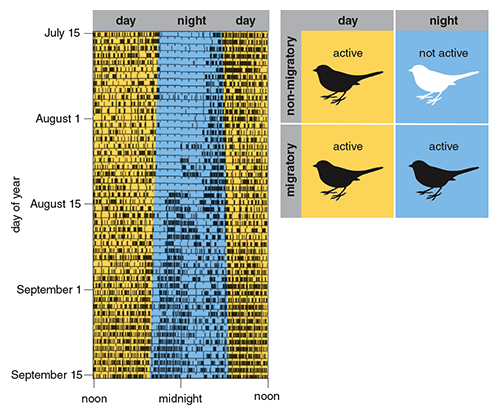
- Autumn: Many birds migrate, flying long distances during the day.
- Winter: Some birds stay active, searching for food in cold weather. Others move to warmer places.
Migration is a daytime event for many species. Swallows, cranes, and some hawks travel in groups, using the sun to navigate.
Benefits Of Having Diurnal Birds Around
Daytime birds offer many benefits to people and the environment.
- Pest control: Birds like swallows and woodpeckers eat insects that can harm plants.
- Pollination: Hummingbirds and some parrots help pollinate flowers.
- Seed spreading: Jays, crows, and pigeons move seeds, helping forests grow.
- Beauty and enjoyment: Birds add color and song to parks and gardens.
Farmers and gardeners often welcome diurnal birds because they reduce pests naturally. Birdwatchers enjoy spotting these birds and listening to their songs.
Uncommon Insights: What Beginners Might Miss
Many people notice only the most obvious birds, but there’s more to daytime bird activity than meets the eye.
- Some birds change activity based on weather. For example, swallows hunt more before a storm, sensing changes in air pressure.
- Not all birds are strictly diurnal or nocturnal. Some, like robins in Europe, can sing at night in cities with bright streetlights. This is called artificial light adaptation.
- Rare visitors: During migration, you might spot unusual birds in your area, such as sandpipers or waxwings, that are not regular residents.
- Mobbing behavior: Many small diurnal birds will chase away predators like hawks or owls as a group. This is a bold survival strategy.
How To Spot Diurnal Birds
If you want to see more daytime birds, here are some tips:
- Go outside early. The first hours after sunrise are the busiest time for bird activity.
- Look for movement. Watch for birds flying, hopping on the ground, or moving in trees.
- Listen for calls and songs. Each bird has a unique sound. Learning a few common calls helps you find more species.
- Bring binoculars. You’ll see details like colors and patterns that are hard to spot with your eyes alone.
- Use a field guide or app. There are many good bird identification guides and mobile apps to help you learn new birds.
Here’s a quick comparison of methods for spotting birds:
| Method | Best For | Limitations |
|---|---|---|
| Listening | Finding hidden birds | Hard in noisy places |
| Watching movement | Open areas, flight patterns | Some birds stay still |
| Using binoculars | Identifying colors/details | Needs steady hands |
| Bird guides/apps | Learning names, habits | May need internet |
Famous Diurnal Birds By Continent
Birds active during the day are found everywhere. Here are a few famous examples from different continents:
- North America: American robin, bald eagle, blue jay
- Europe: European robin, chaffinch, barn swallow
- Asia: Indian myna, Eurasian magpie, oriental white-eye
- Africa: African grey parrot, lilac-breasted roller, ostrich
- Australia: Rainbow lorikeet, superb fairywren, magpie-lark
- South America: Andean condor, Amazon kingfisher, scarlet macaw
Each of these birds has a role in its ecosystem, from predator to seed-spreader.
Conservation And Threats To Daytime Birds
Many diurnal birds are doing well, but some face threats from habitat loss, pollution, and climate change. For example, the European turtle dove has seen numbers drop by over 90% in the last 50 years.
Urban growth removes trees and wetlands where birds live. Pesticides can reduce insect food. Windows and tall buildings are also dangerous—millions of birds die each year from collisions.
To help birds, you can:
- Plant native trees and flowers.
- Keep cats indoors.
- Avoid using pesticides.
- Put up bird feeders and baths.
- Support conservation groups.
For more on helping birds, visit the National Audubon Society.
Frequently Asked Questions
What Is A Diurnal Bird?
A diurnal bird is a bird that is active during the day. These birds feed, sing, and fly in daylight hours. Most birds you see in gardens, parks, and skies are diurnal.
Why Do Some Birds Sing In The Morning?
Birds sing in the morning, especially at dawn, to mark their territory, attract mates, and communicate with other birds. The morning is quiet and cool, so their songs travel farther.
Are There Any Birds That Are Active Both Day And Night?
Yes, a few birds are crepuscular, meaning they are most active at dawn and dusk. Some robins, nightjars, and owls may also hunt during cloudy days or in cities with artificial light.
How Can I Attract Daytime Birds To My Garden?
You can attract daytime birds by planting native shrubs and flowers, providing clean water, and offering food like seeds or fruit. Avoid pesticides and keep your garden safe from cats.
What Is The Difference Between A Day-active Bird And A Night-active Bird?
The main differences are in eyesight, behavior, and adaptations. Day-active birds use color and song and rely on good daylight vision. Night-active birds have better hearing and sight for darkness, and often use quieter calls.
Daytime birds bring life, color, and music to our world. By understanding which birds are active during the day, you can enjoy nature more and help protect these wonderful creatures for the future.