
Birds have always fascinated people around the world. Their colors, songs, and flight inspire art, science, and even religion. But today, many birds are in danger. Some species have already vanished forever, and others are close to disappearing. This is where bird conservation becomes important. If you have seen fewer birds in your city, or heard less birdsong in the morning, you are not alone. The world is changing fast, and birds are sending us a warning.

Today’s Exclusive Deals
Limited-time Exclusive Deals. Check current discount on Amazon.
Check Price on Amazon As an Amazon Associate I earn from qualifying purchases.Bird conservation is more than just saving a few rare species. It is about protecting the balance of nature. Birds pollinate plants, control pests, spread seeds, and help keep ecosystems healthy. When birds disappear, many other animals and even humans are affected.
But what exactly does bird conservation mean? Why does it matter, and how can you help? This article answers these questions and much more, offering clear explanations, real examples, and practical advice.
What Does Bird Conservation Mean?
Bird conservation is the science and practice of protecting wild birds and their habitats. It involves stopping species from becoming extinct, restoring bird populations, and ensuring birds have safe places to live, feed, and breed. This work is done by scientists, governments, charities, and even everyday people.
Today’s Exclusive Deals
Limited-time Exclusive Deals. Check current discount on Amazon.
Check Price on Amazon As an Amazon Associate I earn from qualifying purchases.There are two main parts to bird conservation:
- Species conservation: Focusing on saving specific types of birds, especially those that are rare or in danger.
- Habitat conservation: Protecting or restoring the places where birds live, such as forests, wetlands, and grasslands.
Bird conservation is not only about laws or rules. It includes research, education, community work, and sometimes even changing how land is used for farming or cities. The goal is to make sure future generations can also enjoy birds.
Why Is Bird Conservation Important?
Birds play a key role in the environment. Here are some reasons why their conservation matters:
- Pollination: Many birds, like hummingbirds and sunbirds, help pollinate flowers.
- Pest control: Birds eat insects and rodents, reducing pests naturally.
- Seed dispersal: Birds spread seeds, helping plants and trees grow in new places.
- Indicators of health: When bird numbers fall, it often means something is wrong with the environment.
- Cultural value: Birds are part of art, stories, and traditions in many cultures.
A world without birds would lose much of its beauty and balance. Protecting birds is also a way of protecting human health and food sources.
Today’s Exclusive Deals
Limited-time Exclusive Deals. Check current discount on Amazon.
Check Price on Amazon As an Amazon Associate I earn from qualifying purchases.Real-world Example
The Bald Eagle in the United States was nearly extinct in the 1960s because of pesticides like DDT. Thanks to strong bird conservation efforts, the population recovered. The Bald Eagle is now a symbol of successful conservation.
Main Threats To Birds
Understanding what puts birds at risk is important for anyone interested in conservation. Here are the most common threats:
1. Habitat Loss
When forests are cut down, wetlands are drained, or grasslands are plowed, birds lose their homes. This is the biggest threat to most bird species worldwide.
2. Climate Change
Changing weather patterns can destroy nesting sites, reduce food sources, and force birds to move. Some species cannot adapt quickly and face extinction.
3. Pollution
Pesticides, oil spills, plastics, and other chemicals can poison birds or harm their eggs.
4. Hunting And Trapping
In some areas, birds are hunted for food, feathers, or the pet trade. Overhunting can quickly wipe out a species.
5. Invasive Species
Non-native animals, like rats or cats, may eat bird eggs or compete for food. This can be deadly for native birds, especially on islands.
6. Collisions
Birds often hit windows, power lines, and wind turbines. Millions die each year from these accidents.
Types Of Bird Conservation Actions
Saving birds requires many different actions, from local to global efforts. Here are some of the main approaches:
1. Protected Areas
Setting aside land as parks, reserves, or sanctuaries gives birds safe places to live. For example, the Yellowstone National Park in the U.S. protects over 300 bird species.
2. Habitat Restoration
Sometimes, damaged habitats can be fixed. Planting native trees, cleaning up wetlands, or removing invasive plants helps birds return.
3. Species Recovery Programs
These focus on helping one species at a time. They may include breeding birds in captivity, releasing them into the wild, or making special nest boxes.
4. Research And Monitoring
Scientists track bird numbers, study migration routes, and look for problems early. This helps guide conservation decisions.
5. Education And Community Involvement
Teaching people about birds and getting local communities involved is critical. People are more likely to protect birds if they understand their value.
6. Changing Policies And Laws
Strong laws can ban harmful pesticides, limit hunting, or protect habitats. International agreements also help, since birds often migrate across borders.
7. Mitigating Collisions
Simple changes, like using bird-friendly glass or marking power lines, can prevent many accidental deaths.
Key Bird Conservation Organizations
Many groups work to save birds at local, national, and global levels. Here are some important ones:
- BirdLife International: A global partnership of conservation groups in over 100 countries.
- Audubon Society: Focuses on bird protection and education in the U.S.
- Royal Society for the Protection of Birds (RSPB): The largest nature conservation charity in the UK.
- Wildlife Conservation Society: Works to save wildlife and wild places worldwide.
- Cornell Lab of Ornithology: Offers research, education, and citizen science programs.
These organizations often work together, sharing knowledge and resources.
Notable Success Stories In Bird Conservation
Saving birds is possible, and there are many examples to give hope.
1. California Condor
This giant vulture was down to only 27 birds in the 1980s. A bold breeding program brought them back. Now, over 400 condors live in the wild and captivity.
2. Mauritius Kestrel
Once the world’s rarest bird, with only 4 individuals in 1974. Intensive management helped the population rise to over 300 today.
3. Black Robin
Only 5 birds remained in New Zealand in 1980. Thanks to careful intervention, there are now over 250.
4. European White Stork
Once extinct in some countries, reintroduction and habitat work have restored populations in the UK and other parts of Europe.
5. Bald Eagle
From a few hundred pairs in the U. S. in the 1960s to over 10,000 pairs today, after banning DDT and protecting nests.
These stories show that with effort and support, even the rarest birds can recover.
Data: Bird Populations And Threats
To better understand the crisis, here are some key data points:
| Year | Global Bird Species | Threatened Species | Extinct Since 1500 |
|---|---|---|---|
| 2020 | 10,972 | 1,487 | 187 |
| 2010 | 10,689 | 1,253 | 164 |
| 2000 | 10,380 | 1,200 | 154 |
The number of threatened species is rising, while more birds are going extinct.
How Bird Conservation Helps People
Protecting birds is not just good for nature. It also benefits humans in several ways:
- Healthy ecosystems: Birds help control pests and pollinate crops, supporting farming.
- Clean water and air: Wetlands protected for birds also clean water and store carbon.
- Tourism: Birdwatching brings billions of dollars to economies worldwide.
- Education and inspiration: Birds inspire art, science, and a sense of wonder.
For example, a study showed that in the U. S. alone, birdwatching contributes over $40 billion to the economy each year.
Common Bird Conservation Methods Compared
Different methods are used to protect birds. Here is a comparison of some popular approaches:
| Method | Strengths | Weaknesses | Best Use |
|---|---|---|---|
| Protected Areas | Large impact, long-term safety | Can be expensive, needs management | Wide range of species |
| Captive Breeding | Saves species from extinction | High cost, not always successful | Critically endangered birds |
| Habitat Restoration | Restores lost ecosystems | Slow, needs community support | Damaged habitats |
| Education | Long-term behavior change | Results take time | All communities |
How You Can Help Bird Conservation
You do not need to be a scientist to make a difference. Here are some practical ways anyone can help:
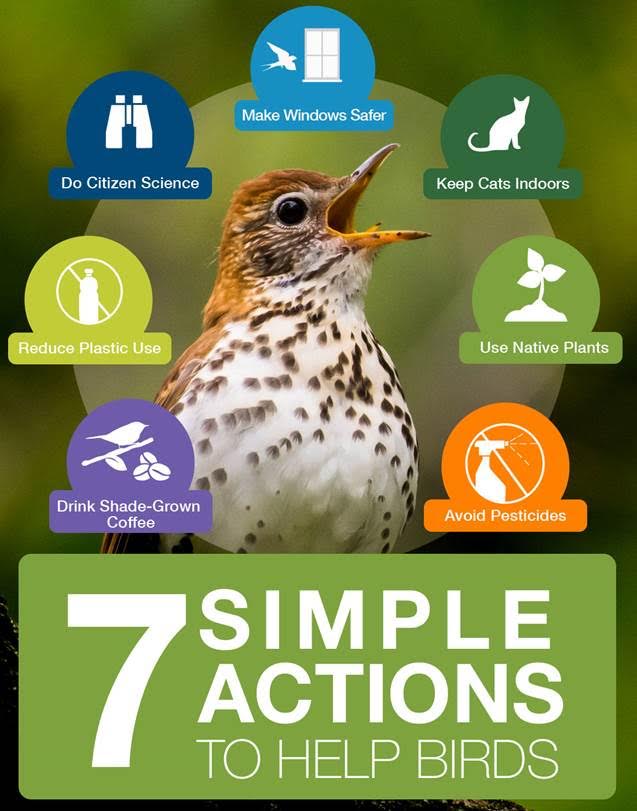
- Create bird-friendly spaces: Plant native trees and flowers in your yard. Avoid pesticides.
- Keep cats indoors: Domestic cats kill billions of birds each year.
- Make windows safer: Use decals or screens to prevent bird strikes.
- Support conservation groups: Donate, volunteer, or join local bird clubs.
- Participate in citizen science: Projects like eBird let you report bird sightings to help research.
- Reduce plastic use: Plastics harm many birds, especially seabirds.
- Buy shade-grown coffee: This helps preserve forests that many birds use.
- Advocate for strong laws: Support environmental policies and vote for leaders who protect nature.
- Educate others: Share what you learn with friends and family.
These simple steps add up, especially when done by many people.
Challenges Faced By Bird Conservation
While there have been successes, bird conservation still faces big obstacles:
- Limited funding: Conservation projects often lack money and resources.
- Political challenges: Laws can change, or not be enforced well.
- Conflicts with development: Farming, logging, and building can harm habitats.
- Climate change: Rapid changes make it harder for birds to adapt.
- Lack of awareness: Many people do not know how serious the problem is.
Despite these challenges, many groups and individuals work hard every day to save birds.
The Role Of Technology In Bird Conservation
Modern technology is transforming how conservation is done:
- GPS tracking: Scientists can follow migration routes with tiny trackers.
- Drones: Used to survey large or hard-to-reach areas.
- Acoustic monitoring: Devices record bird songs to study populations.
- Online databases: Citizen science data helps map bird movements.
- Genetic analysis: DNA helps understand populations and plan breeding.
For example, the Cornell Lab of Ornithology’s eBird project collects millions of bird sightings from people around the world, creating valuable data for science.
Important Bird Habitats Around The World
Some places are especially important for birds. These are called Important Bird and Biodiversity Areas (IBAs). There are over 13,000 IBAs globally. Here are a few key examples:
- Amazon Rainforest (South America): Home to over 1,300 bird species.
- East Asian-Australasian Flyway: Critical for millions of migratory shorebirds.
- Great Rift Valley (Africa): Hosts many rare and endemic birds.
- Himalayan Foothills (Asia): Supports unique high-altitude species.
- Great Barrier Reef (Australia): Important for seabirds and shorebirds.
Protecting these areas is essential for many species’ survival.
Global Agreements For Bird Conservation
Many birds migrate across countries and even continents. This is why international agreements are needed:
- Convention on Migratory Species (CMS): Helps countries work together to protect migratory birds.
- Ramsar Convention: Focuses on protecting wetlands of international importance.
- Convention on Biological Diversity (CBD): Promotes global action to protect species and habitats.
- CITES: Regulates trade in endangered birds and other animals.
These agreements help set standards and encourage cooperation.
Bird Conservation And Climate Change
Climate change adds new challenges for conservation. As temperatures rise and weather becomes unpredictable, birds face:
- Loss of food sources (insects, plants)
- Shifts in migration timing
- Disappearing habitats (for example, melting Arctic tundra)
- New diseases spreading to birds
Some solutions include:
- Protecting a network of habitats so birds can move as climate changes
- Restoring wetlands and forests that absorb carbon
- Studying how birds adapt and helping them where possible
The Economic Value Of Birds
Birds are not just beautiful; they also provide real economic value. Here are some figures:
- Birdwatching tourism: In the U.S., birdwatchers spent over $41 billion in 2020 on travel, gear, and food.
- Pest control: Birds save billions by eating crop pests, reducing the need for chemicals.
- Ecosystem services: Pollination, seed dispersal, and soil health from birds support farming and forestry.
Losing birds would cost economies much more than investing in their protection.
Myths And Misunderstandings About Bird Conservation
Some people believe bird conservation is only for rare or exotic birds, or that it is too expensive. In reality:
- Many common birds are declining, not just rare ones.
- Simple actions, like planting native plants, can make a big difference.
- Protecting birds often helps many other species and benefits people as well.
Bird conservation is for everyone, not just scientists or nature lovers.
Non-obvious Insights For Beginners
Here are two things many beginners do not realize:
- Urban areas can be bird habitats. Even cities can support many birds if parks, trees, and gardens are managed well.
- Small changes matter. For example, switching to bird-friendly glass can save thousands of birds at one building alone.
Big change often starts with small, local actions.
Tracking Bird Conservation Progress
How do experts know if conservation is working? They use tools like:
- Red List Index: Tracks the risk of extinction for all bird species.
- Population surveys: Regular counts show if bird numbers are rising or falling.
- Success stories: Recovered species are proof of effective action.
Data is shared globally to help countries and groups learn from each other.
Here is a simple overview of how the Red List Index has changed over time:
| Year | Red List Index (0 = extinct, 1 = no risk) |
|---|---|
| 1988 | 0.92 |
| 2000 | 0.90 |
| 2010 | 0.89 |
| 2020 | 0.87 |
A falling index means more birds are at risk, so conservation needs to improve.
Where To Learn More
For deeper information on bird conservation, check out the BirdLife International website. They offer up-to-date news, resources, and ways to get involved.
Frequently Asked Questions
What Is The Main Goal Of Bird Conservation?
The main goal is to protect bird species and their habitats, preventing extinction and keeping ecosystems healthy. Bird conservation also aims to benefit people by maintaining the balance of nature and supporting human needs.
How Do Scientists Decide Which Birds Need Protection?
Scientists use data on population size, trends, and threats. Birds that are declining quickly, have small populations, or face many dangers are given priority. Tools like the IUCN Red List help identify which species are most at risk.
Can Ordinary People Help With Bird Conservation?
Yes. Anyone can help by making bird-friendly choices at home, joining citizen science projects, supporting conservation groups, or teaching others about birds. Small actions, done by many people, can have a big effect.
Why Are Migratory Birds Especially Threatened?
Migratory birds travel long distances and depend on safe habitats in many countries. If one key stopover area is lost or polluted, whole populations can crash. International cooperation is essential to protect these birds.
How Is Climate Change Affecting Birds?
Climate change changes where birds can live, what food they can find, and when they migrate or breed. Some birds cannot adapt fast enough and face higher risk of extinction. Conservation now includes helping birds survive in a changing world.
Bird conservation is a shared responsibility. By learning, acting, and caring, everyone can help make sure birds continue to fill our skies and inspire future generations.