
What Birds Are Considered Songbirds?
If you have ever walked through a park at dawn and heard a chorus of chirps, whistles, and trills, you have experienced the world of songbirds. These birds fill our environment with beautiful sounds, but what really makes a bird a “songbird”? The answer is more complex than just having a pleasant voice. Some birds sing to attract mates, others to defend their territory, and a few surprise us by mimicking the sounds of other animals or even machines. Understanding songbirds means exploring science, history, and even a bit of mystery.
In this guide, you will learn exactly which birds are considered songbirds, what makes them special, and why they matter. We will look at the science behind their songs, the groups they belong to, and some famous examples. You will discover how songbirds are more than just background music—they are important for ecosystems, gardens, and even human culture.
What Defines A Songbird?
The term songbird is not just about singing ability. In science, songbirds belong to a large order of birds called Passeriformes, and within this order, a sub-group called Passeri or the “oscine” passerines. These birds are known for having a highly developed voice box, called the syrinx, which allows them to produce complex and varied sounds.
Key Scientific Characteristics
- Syrinx: Songbirds have a unique voice box structure that gives them control over pitch and tone.
- Learning Songs: Most songbirds learn their songs from adult birds, which is rare among other birds.
- Complex Vocalizations: Their songs can be long, with many notes and patterns.
- Behavior: Songs are often used for courtship and territory defense.
Not all birds that sing are true songbirds, and not all songbirds have beautiful or musical songs. For example, crows and ravens are songbirds, but their calls do not sound “musical” to most people.
How Many Songbirds Are There?
It might surprise you to learn that songbirds are the largest group of birds on Earth, with over 5,000 species. They make up almost half of all living bird species. You can find songbirds on every continent except Antarctica.
Songbird Diversity By Numbers
| Region | Estimated Songbird Species |
|---|---|
| Worldwide | ~5,000+ |
| North America | ~1,000 |
| Europe | ~500 |
| Australia | ~700 |
| Africa | ~1,200 |
The diversity is incredible. Songbirds range from tiny hummingbirds to large crows, and they live in forests, cities, deserts, and mountains.
Main Families Of Songbirds
Songbirds are split into many families. Here are some of the most well-known groups and examples:
1. Thrushes (family: Turdidae)
These birds are famous for their flute-like songs. The American Robin and Song Thrush are part of this family.
2. Warblers (family: Parulidae, Sylviidae, Etc.)
Small, active birds with short, sharp songs. The Yellow Warbler and Willow Warbler are common examples.
3. Sparrows (family: Passeridae, Emberizidae)
Not all sparrows are songbirds, but most are. They have simple, rhythmic songs. The House Sparrow and Chipping Sparrow belong here.
4. Finches (family: Fringillidae)
Known for their bright colors and cheerful songs. The European Goldfinch and House Finch are widely recognized.
5. Blackbirds And Starlings (family: Icteridae, Sturnidae)
Many have loud, varied calls. The Common Blackbird and European Starling are iconic.
6. Crows And Jays (family: Corvidae)
Surprisingly, these smart birds are also songbirds. The American Crow and Blue Jay are examples, though their songs are less musical.
7. Wrens (family: Troglodytidae)
Tiny birds with powerful voices. The House Wren is well-known for its bubbly song.
8. Swallows (family: Hirundinidae)
These birds sing while flying. The Barn Swallow is famous for its twittering calls.
9. Larks (family: Alaudidae)
Prairie birds with sweet, complex songs. The Eurasian Skylark is a famous singer.
10. Mockingbirds And Catbirds (family: Mimidae)
Masters of mimicry, these birds can copy other birds and even human-made sounds. The Northern Mockingbird is especially talented.
11. Tits And Chickadees (family: Paridae)
Small, energetic birds with high-pitched songs. Examples include the Great Tit and Black-capped Chickadee.
What Makes A Songbird’s Song Unique?
Songbirds are not the only birds that make noise, but their songs are special for a few reasons:
- Complexity: Their songs often have many notes, repeated phrases, and patterns.
- Learning: Young songbirds learn songs from adults, usually their fathers. This is called “vocal learning.”
- Function: Songs are used for attracting mates, defending territory, and communicating.
- Variation: Even within the same species, songs can vary by region, much like human accents.
How Songbirds Learn To Sing
Songbirds usually pass through three stages:
- Listening: As chicks, they listen to adult songs.
- Practicing: They start to practice, sounding rough at first (“subsong”).
- Crystallization: Their song becomes clear and structured, matching adults.
This learning is similar to how humans learn language.
Why Do Songbirds Sing?
The main reasons are:
- Attracting a mate: Males often sing to show strength and good health.
- Defending territory: Songs warn other birds to stay away.
- Social communication: Some species use songs to stay in touch with family or flock.
Famous Songbird Species
Let’s look at some of the world’s most famous songbirds and what makes them stand out.
Nightingale (luscinia Megarhynchos)
Known for its rich, powerful song at night. The nightingale’s song can include over 200 different phrases.
Common Blackbird (turdus Merula)
A favorite in European gardens, the blackbird sings a clear, melodic tune, especially at dawn and dusk.
Northern Mockingbird (mimus Polyglottos)
This North American bird can mimic up to 200 different sounds, including other birds, frogs, and even car alarms.
European Robin (erithacus Rubecula)
With a sweet, thin song, the robin sings all year, even in winter.
Song Sparrow (melospiza Melodia)
As its name suggests, the song sparrow has a varied and musical song, with many regional variations.
Eurasian Skylark (alauda Arvensis)
Famous for singing while flying high in the air, the skylark’s song can last several minutes.
Superb Lyrebird (menura Novaehollandiae)
Native to Australia, this bird is a mimicry champion, copying chainsaws, camera shutters, and dozens of other birds.
American Robin (turdus Migratorius)
Known for a cheerful, whistling song, often heard in North American backyards.
House Finch (haemorhous Mexicanus)
The male’s sweet, warbling song is a common sound in cities and suburbs.
Willow Warbler (phylloscopus Trochilus)
A Delicate, Descending Song, Often Described As “liquid” Or “melting.”
Songbirds Vs. Non-songbirds
It’s easy to confuse songbirds with other birds that make interesting sounds. But not all birds that sing are songbirds, and not all songbirds have beautiful voices.
| Bird | Is It a Songbird? | Notes |
|---|---|---|
| Parrot | No | Can mimic human speech, but not a songbird (not Passeri) |
| Owl | No | Hoots and calls, not songs |
| Crow | Yes | Songbird, but call is harsh |
| Canary | Yes | Classic pet songbird, famous for its music |
| Woodpecker | No | Drums, does not sing |
| Swallow | Yes | Songbird, sings while flying |
The key difference is the syrinx and the ability to learn and produce complex songs.
How Songbirds Impact Ecosystems
Songbirds are more than just nice to listen to. They play vital roles in nature:
- Insect Control: Many songbirds eat insects, helping to control pests.
- Seed Dispersal: Birds like thrushes and finches spread seeds, helping forests grow.
- Pollination: Some songbirds, especially in tropical regions, pollinate flowers.
- Indicators of Health: The presence of many songbirds means a healthy environment.
Songbirds And Humans
People have loved songbirds for centuries. They appear in poetry, art, and music. Some, like the canary, have even been used in coal mines to warn of dangerous gases.
Today, birdwatching is a popular hobby. In the US alone, over 45 million people watch birds, and most are looking for songbirds.
Threats To Songbirds
Sadly, many songbirds are in danger. The main threats include:
- Habitat Loss: Cutting forests and draining wetlands destroys homes for songbirds.
- Pesticides: Chemicals kill the insects songbirds eat and can poison the birds.
- Climate Change: Changing temperatures affect migration and food supplies.
- Cats and Windows: In cities, cats and glass windows cause millions of bird deaths each year.
According to a 2019 study, North America has lost nearly 3 billion birds since 1970, and most were songbirds.
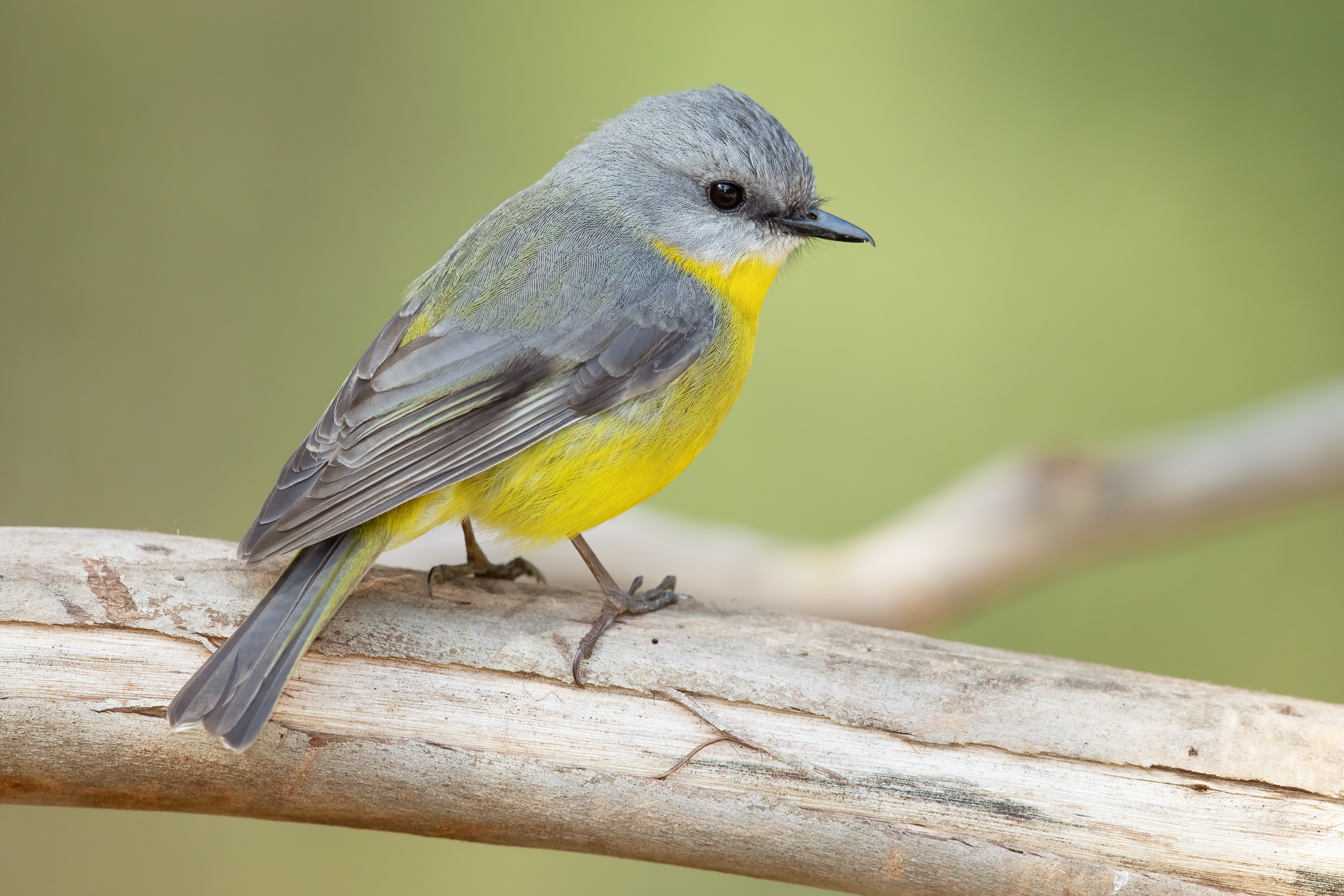
How To Help Songbirds
If you want more songbirds around, here are some effective ways to help:
- Plant Native Trees and Shrubs: These provide food and shelter.
- Avoid Pesticides: Choose natural methods to control pests.
- Keep Cats Indoors: Outdoor cats are major predators of songbirds.
- Make Windows Bird-Safe: Add stickers or screens to prevent collisions.
- Provide Water: Birdbaths attract songbirds, especially in dry areas.
- Feed Responsibly: Use feeders with seeds, fruits, or mealworms, but keep them clean.
Many conservation groups offer tips and resources for creating bird-friendly gardens. You can find more information at the National Audubon Society.
Non-obvious Insights About Songbirds
Most people notice songbirds’ voices but miss these important facts:
- Female Songbirds Sing Too: For a long time, people thought only males sang. Recent studies show many female songbirds also sing, especially in the tropics.
- Song Dialects Exist: Just like human accents, songbirds in different regions sing different “dialects.” Young birds raised away from their home area can pick up these new dialects.
- Songs Can Reveal Stress: When environments change, songbirds sometimes sing less or change their patterns. Scientists use this to measure ecosystem health.
- Mimicry Is a Survival Tool: Birds like the mockingbird or lyrebird can mimic predators to scare enemies or attract mates.
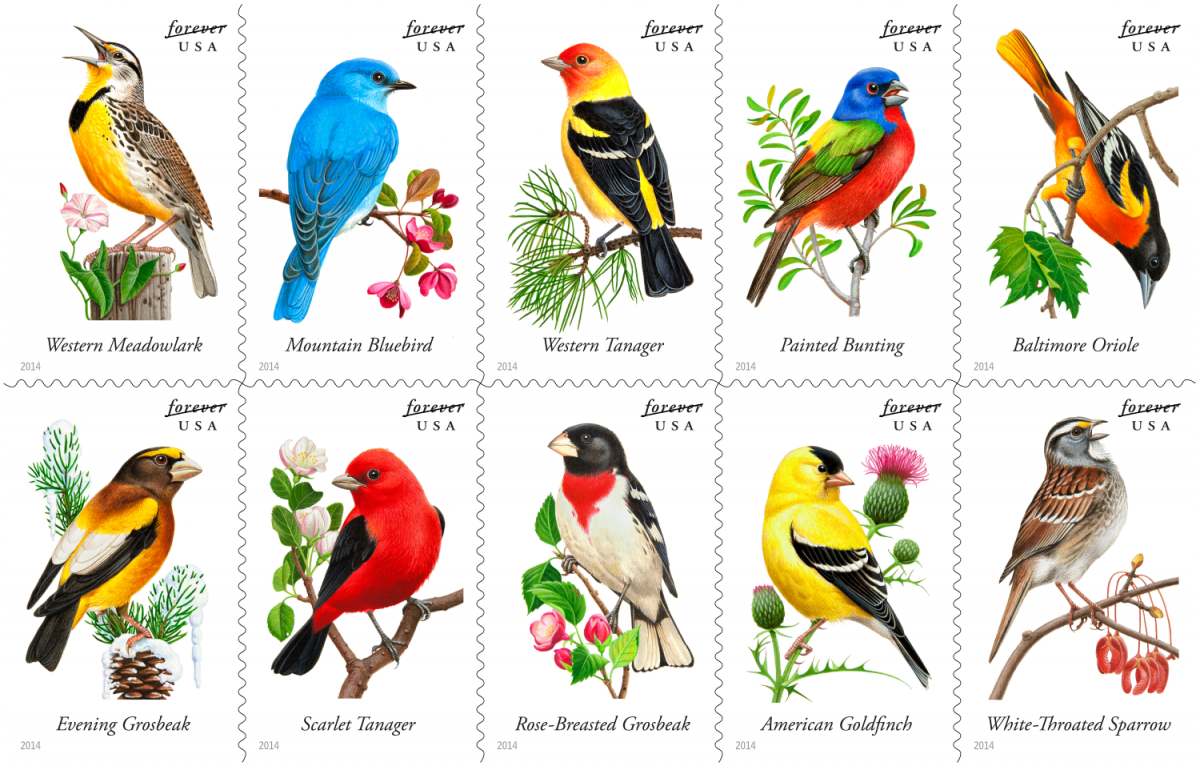
Songbirds In Culture And Science
Songbirds have inspired humans for centuries. Their songs are featured in music, poetry, and art. Famous composers like Beethoven and Messiaen wrote music inspired by bird songs.
Scientists use songbirds to study learning and memory. The way young birds learn songs is similar to how humans learn to speak.
Songbird Migration
Many songbirds migrate thousands of kilometers each year. For example, the tiny Blackpoll Warbler flies from Canada to South America, crossing the Atlantic Ocean in a non-stop flight of up to 3,000 km.
Migration Table: Some Famous Songbird Travelers
| Species | Migration Distance (km) | From | To |
|---|---|---|---|
| Blackpoll Warbler | Up to 8,000 | Canada | South America |
| Willow Warbler | ~7,000 | Europe | Africa |
| Swallow | ~10,000 | Europe/Asia | Africa |
| Redstart | ~6,000 | Europe | Africa |
Migration is risky—many birds die on the way due to storms, predators, or exhaustion. Still, the urge to migrate is built into their genes.
How To Identify Songbirds
You do not need to be an expert to enjoy songbirds. Here are some tips:
- Look for Size and Shape: Most songbirds are small, with perching feet.
- Notice the Bill: Songbirds usually have thin, pointed bills for insects or seeds.
- Listen: Their songs are complex and repeated.
- Watch the Behavior: Many are active, hopping or flitting between branches.
- Check Field Guides: Books and apps help with identification by song and appearance.
You can also record bird songs with your phone and use apps to identify them.
The Future Of Songbirds
The future of songbirds depends on human choices. Protecting forests, gardens, and clean air means more birds and more music in our world. With simple actions, everyone can help keep songbirds singing for years to come.

Frequently Asked Questions
What Makes A Bird A Songbird?
A songbird is a member of the Passeri group, a suborder of perching birds. They have a special voice box called the syrinx that allows them to produce complex songs. Songbirds learn their songs from other birds and use them for communication, courtship, and territory defense.
Do All Songbirds Have Beautiful Voices?
Not all songbirds sound sweet to human ears. Some, like crows and jays, are considered songbirds but have harsh calls. What matters is the structure of their voice box and their ability to learn and vary their songs, not just the beauty of the sound.
Can Female Songbirds Sing?
Yes, many female songbirds sing, especially in tropical regions. For a long time, scientists thought only males sang, but recent studies show that females use songs for communication and territory as well.
How Can I Attract More Songbirds To My Garden?
To attract songbirds, plant native trees and shrubs, provide fresh water, avoid pesticides, and keep cats indoors. Adding nest boxes and bird feeders can also help, but make sure to keep them clean and safe from predators.
Why Are Songbirds Important?
Songbirds help control insects, spread seeds, and pollinate plants. They are key indicators of a healthy environment and bring joy to people through their songs and presence in nature.
If you want to learn more about bird conservation and how you can help, visit the National Audubon Society.
Songbirds are not just birds with pretty voices—they are nature’s musicians, vital to ecosystems and human happiness. Next time you hear a bird singing, you will know there is a whole world of science, history, and beauty in that simple sound.