
If you walk outside and spot a tiny bird on the ground, your first instinct may be to help. But what should you actually do if you find a baby bird? Many people feel confused or worried in this situation, and it’s easy to make mistakes.
Helping wildlife is a kind action, but it’s important to know the right steps. Acting with good intentions, but without the correct knowledge, can sometimes harm the bird more than help it.
This guide will give you clear, step-by-step advice on what to do when you find a baby bird. You’ll learn how to tell if the bird needs help, what actions you should (and shouldn’t) take, and how to avoid common mistakes.
You will also understand when to contact a wildlife expert, and how to give a lost baby bird its best chance of survival. With simple language, practical examples, and answers to common questions, this article will help you feel confident in making the right decision for both the bird and your local wildlife.
Assessing The Situation
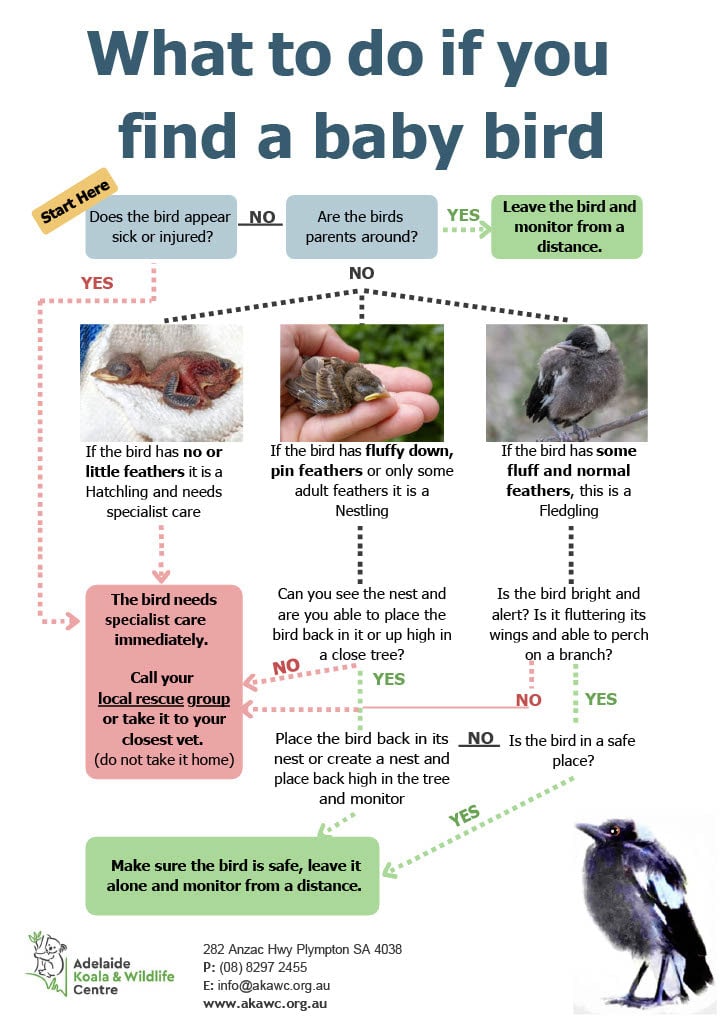
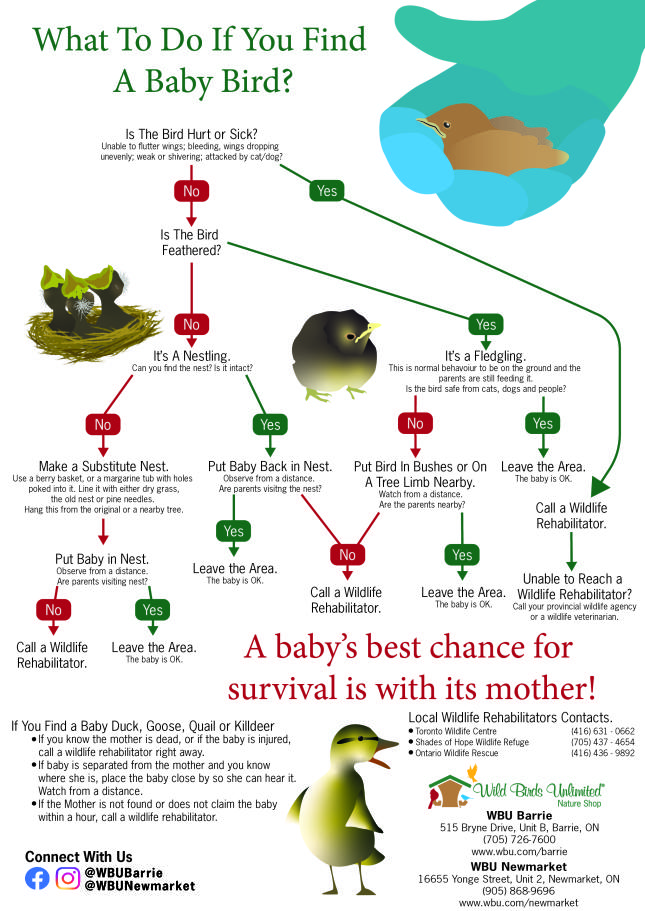
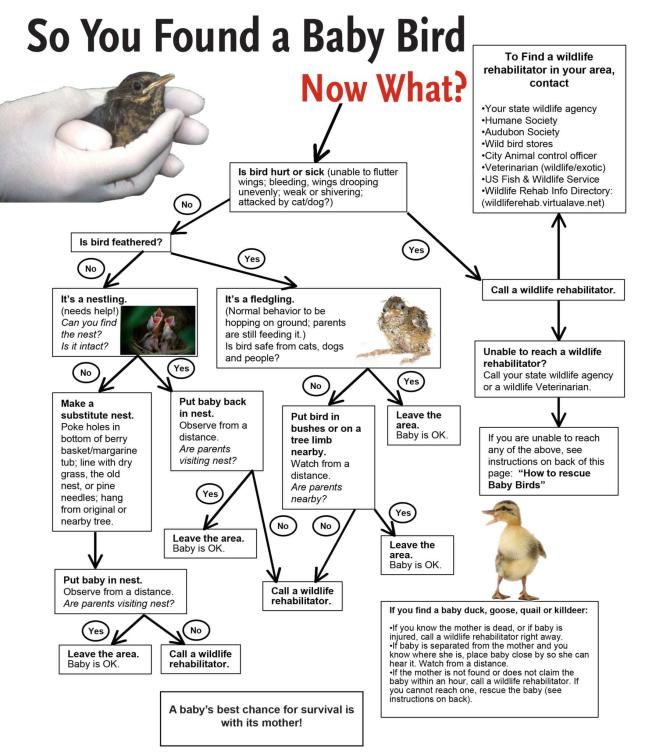
When you see a baby bird on the ground, the first thing to do is observe carefully. Don’t rush to pick it up. Many baby birds are found on the ground during their normal development. Some do not need any help at all.
Identify The Type: Nestling Or Fledgling
You need to know if you’re looking at a nestling or a fledgling. These are two stages of a baby bird’s life, and your actions will depend on which one you find.
- Nestlings are very young, often without many feathers, or with skin that looks bare. They cannot hop or walk well, and they usually cannot grip your finger tightly. They rely on the nest and cannot survive outside it.
- Fledglings have most of their feathers. They may look a bit fluffy, and can hop or flutter. Fledglings have left the nest, but are still learning to fly. They are usually being watched and fed by their parents.
Here’s a quick comparison to help you:
| Feature | Nestling | Fledgling |
|---|---|---|
| Feathers | Few or none | Mostly feathered |
| Ability to Move | Very limited | Can hop or flutter |
| Eyes | May be closed | Fully open |
| Parent Care | Needs nest, constant care | Parents feed outside nest |
If you’re not sure, observe if the bird is able to move around and if it is covered in feathers. Most birds found on the ground are fledglings, not nestlings.
Look For Immediate Danger
Is the bird in a safe place? Check for:
- Nearby predators like cats or dogs
- Foot traffic (people walking by)
- Busy roads
- Extreme weather (cold, heat, rain)
If the bird is in danger, you may need to move it to a safer spot nearby.
Watch For The Parents
Bird parents usually stay close, even if you don’t see them at first. Watch from a distance (at least 30 feet away) for about an hour. Parent birds feed their babies every 20–60 minutes. If you see an adult bird coming near, it means the chick is being cared for.
A common mistake is thinking the baby is abandoned just because you don’t see the parents right away. Birds are careful and may avoid their chick if humans are close.
What To Do If You Find A Nestling
If you see a nestling on the ground, it’s almost always best to try to return it to its nest.
How To Return A Nestling
- Look for the nest. Search the nearby trees and bushes. Most bird nests are easy to spot if you look closely.
- Gently pick up the chick. Use clean hands or gloves. Birds have a weak sense of smell, so touching the chick will not cause the parents to reject it.
- Place it back in the nest. Make sure it is secure and comfortable.
If you can’t find the nest or it’s destroyed, you can make a simple substitute using a small basket or a box lined with dry grass or tissues. Attach this as close as possible to where you found the chick.
What If The Nest Can’t Be Found?
If you cannot locate the nest, and the chick is too young to survive alone, you need to call a wildlife rehabilitator. Do not try to care for the bird yourself—baby birds have very special needs.
Here’s a quick decision guide:
| Situation | Best Action |
|---|---|
| Can see the nest | Return chick to nest |
| Nest destroyed, but parents nearby | Build substitute nest, watch for parents |
| Nest cannot be found | Contact wildlife expert |
What To Do If You Find A Fledgling
Fledglings are learning to fly and often spend days on the ground. This is normal and healthy. Most of the time, you do not need to do anything except keep them safe.
When To Leave A Fledgling Alone
If the fledgling is hopping or fluttering and appears healthy, and if there are no obvious threats around, leave it where it is. Stay back and watch for the parents. Most likely, the parents are feeding it and teaching it survival skills.
When To Move A Fledgling
Move the fledgling only if:
- It is in immediate danger (road, cat, dog, crowd)
- It’s exposed to harsh weather
In these cases, move the bird a few feet to a safer spot—like a nearby bush or low branch. Do not take it far from where you found it. The parents will find their chick by sound and location.
What Not To Do
- Do not take the fledgling home.
- Do not try to feed or give water.
- Do not keep it in a cage.
Many well-meaning people take fledglings away, thinking they are abandoned. This reduces their chance of survival. Wild parents are the best caregivers.
When To Call A Wildlife Rehabilitator
Some situations require expert help. Contact a wildlife rehabilitator if:
- The bird is bleeding, injured, or has a broken wing or leg.
- The bird is cold, weak, or lethargic.
- The bird has been caught by a cat or dog (even if it looks fine).
- The parents are confirmed dead or not returning after hours of watching.
- You cannot locate the nest and the chick is too young to survive.
Many countries and regions have special organizations for wildlife rescue. A quick online search for “wildlife rehabilitator near me” can help you find local experts. You can also contact local animal control or veterinarians for advice.
How To Safely Transport A Baby Bird
If you must move a bird to a rehabilitation center:
- Place it in a small box lined with soft tissues or paper towels. Make sure the box has small air holes.
- Keep the box warm and quiet.
- Do not offer food or water unless instructed by an expert.
- Handle the bird as little as possible.
This reduces stress and increases its chance of recovery.
What Not To Do: Common Mistakes
Trying to help a baby bird can sometimes cause harm if you don’t know the risks. Here are some common mistakes to avoid:
Feeding The Bird
Never attempt to feed a wild baby bird. Each species has unique dietary needs, and feeding the wrong food can cause death. Bread, milk, and seeds are all dangerous for baby birds.
Giving Water
Do not give water directly to a baby bird’s beak. This can cause choking or pneumonia. Baby birds get water from the food their parents bring.
Raising The Bird At Home
It is illegal in many places to keep wild birds as pets, even if you are trying to help. Wild birds need special care, and most hand-raised birds do not survive or adapt to the wild.
Moving The Bird Too Far
If you move the baby bird far from where you found it, the parents will not be able to find it. Always keep it close to the original spot.
Not Watching For Parents
Parents often feed their chicks less often when humans are nearby. Watching from a distance gives you a better chance to see if the parents are caring for the bird.
Why Do Baby Birds Leave The Nest?
It surprises many people, but most songbirds leave the nest before they can fly well. This stage, called fledging, is an important part of their development. Fledglings learn to fly, find food, and escape danger.
Leaving the nest early actually helps them survive. Predators are more likely to find a nest full of chicks. Once the chicks are out, they scatter and are harder to catch.
Here’s an example:
- American robins spend about 13 days in the nest. After that, the fledglings spend up to two weeks on the ground, learning from their parents.
So, finding a baby bird on the ground is usually a normal part of life for birds.
Special Circumstances
Sometimes, the situation is more complicated. Here’s how to handle these special cases:
Storms And Strong Winds
Storms can knock nests out of trees. If you find several chicks together, and their nest is destroyed, make a substitute nest. Watch for parents returning. If none come back, call a wildlife expert.
Urban Areas
If you find a baby bird in a city, keep it away from cars, bikes, and people. Place it under a bush or in a planter, close to where you found it.
Birds Of Prey Or Large Birds
If you find a young hawk, owl, or crow, do not try to handle it. Large birds can injure you with their beaks or talons. Call an expert right away.
Swifts, Swallows, Or Chimney Swifts
These birds are rarely found on the ground. If you find one, it almost always needs professional help.
Should You Ever Intervene?
In most cases, the best thing you can do is leave the bird alone and let nature take its course. But it’s hard to stand by if you feel the bird is in danger. Here’s a simple guide:
- If the bird is healthy and safe: Watch from a distance.
- If the bird is in danger: Move it a few feet to a safe spot.
- If the bird is injured or orphaned: Contact a wildlife rehabilitator.
Your goal should be to give the chick the best chance to live as a wild bird.
Practical Tips To Help Baby Birds
- Keep pets indoors when you know fledglings are in your yard.
- Teach children not to touch or play with baby birds.
- Keep the area quiet so parent birds feel safe coming back.
- Remove dangers like garden tools or open water buckets.
- Educate your neighbors about the importance of leaving baby birds in the wild.
These small actions can make a big difference during the birds’ vulnerable stage.
Understanding Bird Development
Knowing how birds grow helps you make better decisions.
- Egg: Most birds hatch in 10–21 days.
- Nestling: First stage after hatching. Stays in nest, fed by parents.
- Fledgling: Leaves nest, learns to fly and survive. Fed by parents outside the nest.
- Juvenile: Grows stronger, becomes independent.
Here’s a timeline example for common songbirds:
| Stage | Days |
|---|---|
| Egg | 10-14 |
| Nestling | 10-12 |
| Fledgling | 10-14 |
| Juvenile | Varies |
Many people think birds are abandoned when they’re not. Most birds are still being cared for, just outside the nest.
Why Not All Baby Birds Survive
Nature is tough. Not every chick will make it to adulthood. Birds have many babies because survival is difficult. It’s sad, but not always possible—or necessary—for humans to save every bird.
Sometimes, what looks like a tragedy is a normal part of the wild. If you do help, make sure it’s in the right way.
Laws About Handling Baby Birds
In the United States and many other countries, wild birds are protected by law. The Migratory Bird Treaty Act makes it illegal to take, keep, or raise most wild birds without a special permit.
Breaking these laws can lead to fines or other penalties. This is another reason to call an expert if you find a baby bird in need.
For more information about wildlife laws, you can check the U.S. Fish & Wildlife Service.
Non-obvious Insights Most People Miss
- Parents Will Not Abandon Due to Human Touch: Many people think that touching a bird will make the parents reject it. This is not true for most species. Birds rely on sight and sound to recognize their chicks, not smell.
- Fledglings Are Meant to Be on the Ground: It’s normal for a fledgling to be on the ground. It’s not a sign of trouble unless there is a clear threat.
- Cats and Dogs Are the Biggest Threat: Most baby birds that die on the ground are killed by pets, not wild predators. Keeping pets inside during spring and summer can save many birds.
- Feeding Can Be Deadly: Well-meaning people often kill baby birds by feeding them. Even a small mistake, like giving water, can be fatal.
- Not Every Bird Needs Help: Sometimes, the kindest thing is to let nature work without interference.
Frequently Asked Questions
What Should I Do If I Find A Baby Bird At Night?
If you find a baby bird after dark, place it in a small box with soft tissue. Keep it warm and quiet. Do not try to feed it or give it water. In the morning, put it back where you found it and watch for parents.
If it is injured or the nest can’t be found, contact a wildlife rehabilitator as soon as possible.
Can I Keep A Baby Bird As A Pet?
No. In most countries, it is illegal to keep wild birds as pets. Wild birds need special food and care that is hard to provide at home. Most rescued birds die or cannot live a normal life if raised by humans.
Always call a professional for help.
How Do I Know If The Baby Bird Is Sick Or Injured?
Signs of illness or injury include bleeding, wounds, swelling, not moving, weak response, or being cold to the touch. If the bird was attacked by a cat or dog, it needs medical help even if no wounds are visible. Healthy chicks will be active, alert, and noisy.
Will The Parents Reject A Baby Bird If I Touch It?
No. Most birds do not have a strong sense of smell. Parents will not abandon a chick just because a human touched it. It is safe to return the chick to the nest if you find it on the ground.
Who Should I Call If I Need Help With A Baby Bird?
You should call a wildlife rehabilitator, local animal shelter, or a veterinarian who has experience with wild birds. They have the training and resources to help the bird safely and legally.
Helping a baby bird is a caring act, but it’s not always easy. Knowing when to intervene and when to let nature do its work is the best way to protect both the bird and your local wildlife. By following the steps in this guide, you can act with confidence and kindness the next time you find a baby bird in need.