
Birds fill the world with color, energy, and sound. From tiny hummingbirds to giant eagles, all birds have one thing in common: they must find food to survive. But how do birds find food, especially when it is hidden, far away, or hard to see? Their methods are not just about luck or chance. Birds use a mix of senses, intelligence, and learned skills. Some birds travel thousands of miles to feed, while others hunt in their own backyard. Understanding how birds find food reveals the secrets of their survival and adaptation.
Birds live in nearly every environment—deserts, jungles, mountains, and cities. Each place comes with unique challenges. To succeed, birds have developed special tools and behaviors. Some use their sharp eyes. Others listen for prey. A few even smell their way to a meal.
Birds also learn from each other and remember good feeding spots. This article explores all the ways birds find food, including their senses, skills, and surprising strategies. You will see that bird feeding is not just instinct. It is a mix of adaptation, intelligence, and teamwork.
The Senses Birds Use To Find Food
Birds rely on their senses to locate food. Their senses are often sharper than those of humans, and each species uses them in a unique way.
Vision: The Power Of Bird Eyes
The sense of vision is the most important for most birds. Many birds have larger eyes compared to their head size than humans do. Their eyes can detect even the smallest movement from far away. For example, a hawk can see a mouse in a field from over 100 meters away. Birds that hunt insects, like swallows, track flying prey using fast eye movements.
Birds also see a wider range of colors, including ultraviolet light. This helps them spot ripe fruits, insects, or even urine trails left by small mammals. Some flowers reflect ultraviolet patterns that attract hummingbirds, showing them where to feed. Seabirds like terns use their vision to spot fish just under the water’s surface.
Hearing: Detecting Sounds In Nature
While not all birds have excellent hearing, some use sound to find food. Owls are famous for their ability to hunt in the dark. Their ears are placed asymmetrically, allowing them to pinpoint the exact location of a sound. Barn owls can catch mice in total darkness, guided only by tiny noises.
Other birds, like woodpeckers, listen for the movement of insects inside tree bark. They tap the bark and listen for hollow sounds that indicate tunnels made by insects.
Smell: The Underestimated Sense
Many people think birds cannot smell well, but this is not true for all species. Some birds, like the turkey vulture, have a strong sense of smell. They can detect the odor of decaying animals from over a kilometer away. This sense helps them find food hidden under leaves or in thick forests.
Seabirds like petrels and shearwaters use smell to locate fish oil on the ocean’s surface. Scientists now know that smell is more important for birds than once believed.
Touch: Feeling For Food
Some birds use their sense of touch to find food. Shorebirds such as sandpipers and snipes have sensitive nerve endings in their beaks. They probe mud and sand, feeling for worms and small creatures. Ducks use their bills to filter water and mud, using touch to find seeds and insects.
Taste: Selecting The Right Foods
Taste is less developed in most birds compared to mammals, but it still helps. Some birds can taste sweetness, which helps them choose ripe fruits or nectar. Others avoid bitter-tasting foods, which are often poisonous.
Learning And Memory In Bird Feeding
Finding food is not just about senses. Birds are smart and can learn from experience.
Remembering Good Feeding Spots
Many birds remember where they found food before. Clark’s nutcracker, for example, hides thousands of pine seeds each year. It remembers where it buried them, even months later and under snow. This memory skill helps the bird survive winter.
Other birds, like crows, remember where they have seen people feeding them. They return to the same parks or gardens, knowing food is likely to be there again.
Learning From Others
Birds often learn by watching other birds. Young birds follow their parents and copy how they search for food. In some cases, birds watch unrelated individuals. For example, blue tits in England learned to open milk bottles by watching each other. This behavior spread quickly from one town to another.
Some birds also learn about new food sources by watching the reactions of other birds. If one bird finds something tasty, others soon join in.
Problem-solving Skills
Certain birds, especially crows and parrots, are known for their problem-solving abilities. They can use tools, open containers, and solve puzzles to get food. For example, New Caledonian crows use sticks to pull insects from tree bark. Urban crows drop nuts on roads for cars to crack open.
This intelligence means birds can adapt quickly to new food sources or changes in the environment.
Different Ways Birds Search For Food
Birds use many strategies to find and catch their meals. The method often depends on their body shape, beak, and the type of food they eat.
Foraging On The Ground
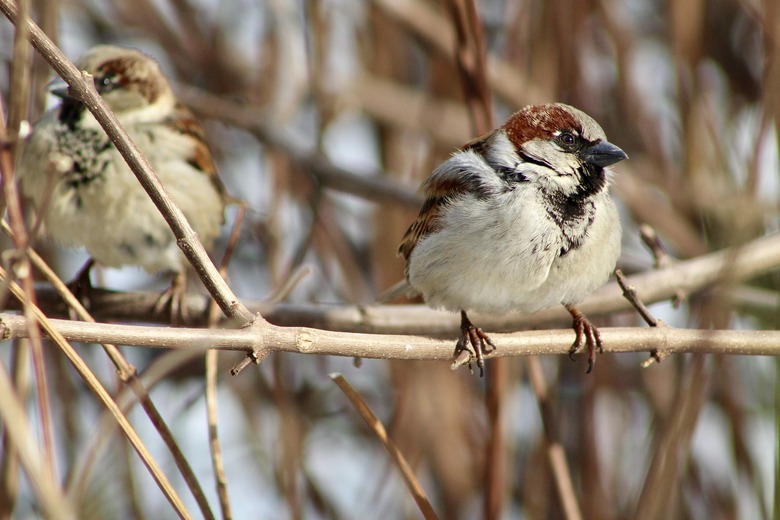
Many birds search for food on the ground. Robins, thrushes, and sparrows hop or walk as they look for insects, seeds, and worms. They may flip leaves, scratch the soil, or listen for movement.
Pigeons and doves are granivores—they eat mainly seeds. They use their beaks to pick up grains from open ground. Some species, like quail and chickens, scratch the earth to uncover hidden food.
Feeding In Trees And Shrubs
Other birds, such as warblers, chickadees, and woodpeckers, hunt for insects or seeds in trees. Woodpeckers tap and probe tree trunks for insects living under the bark. Chickadees and nuthatches search under leaves and bark for hidden spiders and caterpillars.
Fruit-eating birds like tanagers and waxwings spot ripe berries and fruit with their keen eyesight. They move quickly from branch to branch, taking only the ripest pieces.
Aerial Feeding
Some birds catch their food while flying. Swallows, swifts, and martins are aerial insectivores. They have wide mouths and agile flight, allowing them to catch flying insects in mid-air. These birds often feed over water, fields, or forests where insects are plentiful.
Swifts can eat, drink, and even sleep while flying, covering hundreds of kilometers a day in search of food.
Water And Wetland Foraging
Birds living near water have special ways to find food. Herons, egrets, and kingfishers stand still and watch for fish or frogs. When they see movement, they strike quickly with their sharp beaks.
Ducks and swans dabble or dive for plants, insects, and small fish. Flamingos sweep their beaks through the water, filtering out shrimp and algae.
Predatory Hunting
Birds of prey, such as hawks, eagles, falcons, and owls, are expert hunters. They use sharp vision to spot prey from high in the air. Once they see a target, they dive at high speed, using their talons to catch it.
Owls hunt at night using their hearing and silent flight. Peregrine falcons are the fastest animals on earth, diving at speeds over 300 km/h to catch birds in the air.
Scavenging And Opportunistic Feeding
Some birds do not hunt or forage in the usual way. Vultures, crows, and gulls are scavengers. They eat dead animals or leftovers from humans. These birds are often the first to find roadkill or garbage.
Gulls and crows are also known for stealing food from other animals or people. Their intelligence and boldness help them survive in cities and crowded areas.
Special Adaptations For Finding Food
Birds have developed amazing physical tools and behaviors to help them find food.
Beak Shapes And Functions
Bird beaks come in many shapes, each suited for a special feeding style.
| Bird | Beak Shape | Food Type | Feeding Method |
|---|---|---|---|
| Hawk | Hooked | Meat | Tearing flesh |
| Hummingbird | Long, thin | Nectar | Reaching deep into flowers |
| Finch | Short, thick | Seeds | Cracking shells |
| Woodpecker | Chisel-like | Insects | Drilling into wood |
These beak shapes are not random. Over time, birds have evolved the perfect tool for their favorite foods.
Feet And Claws
Bird feet are also adapted for feeding. Raptors have strong talons for grabbing prey. Ducks have webbed feet for swimming and diving. Woodpeckers have two toes facing forward and two backward, helping them cling to tree trunks.
Digestive Adaptations
Some birds, like pigeons and doves, have a crop—a pouch in their throat for storing food. This lets them gather food quickly and digest it later. Birds that eat tough seeds, such as finches, have strong gizzards that grind food with the help of swallowed stones.
Unique Feeding Behaviors
A few birds have developed surprising ways to find food:
- Tool use: Egyptian vultures use stones to crack open eggs. Some parrots use sticks to reach insects.
- Fishing with bait: Green herons drop insects on the water’s surface to attract fish.
- Group hunting: Harris’s hawks hunt in groups, taking turns to flush and chase prey.
These behaviors show that bird feeding is not just about instinct—it’s also about innovation.

The Role Of Migration In Finding Food
Migration is one of the most dramatic ways birds find food. Many birds travel long distances between breeding and wintering grounds to follow food supplies.
Why Birds Migrate
Birds migrate to avoid harsh winters and to find abundant food. For example, Arctic terns fly from the Arctic to Antarctica each year—over 70,000 kilometers round trip. They do this to stay in places where food is always available.
How Birds Navigate
Migrating birds use a mix of senses and skills to find their way:
- Sun and stars: Birds use the position of the sun by day and stars by night.
- Earth’s magnetic field: Some birds have special cells that detect the planet’s magnetic field.
- Landmarks: Birds remember mountains, rivers, and coastlines.
- Learning: Young birds may follow older, experienced birds.
The Cost And Risks
Migration is dangerous. Birds can face storms, predators, and lack of food along the way. Still, the reward is worth it—finding enough food to survive and raise young.
Feeding Strategies In Different Environments
Birds live in many types of habitats. Each environment requires a different way of finding food.
Forests
In forests, food is often hidden. Birds use sharp eyes and memory to find insects, seeds, or fruit. Some, like woodpeckers, dig into trees. Others, like thrushes, search leaf litter.
Grasslands
Open areas like grasslands are home to seed-eating birds such as larks and sparrows. These birds are alert, watching for predators as they search for food. Raptors fly overhead, scanning for small mammals.
Wetlands
Wetlands are rich in life. Herons, egrets, and ibises wade in shallow water, hunting for fish and frogs. Ducks and geese graze on plants or dive for food.
Deserts
Finding food in deserts is hard. Birds like sandgrouse and larks eat seeds and insects. They may travel far to find water and food, feeding in the early morning or evening to avoid heat.
Urban Areas
Cities provide new opportunities. Pigeons, crows, and sparrows eat food scraps, seeds, or insects. Gulls search garbage dumps. Some birds have learned to use traffic to crack nuts or find roadkill.
| Habitat | Common Foods | Key Adaptation |
|---|---|---|
| Forest | Insects, fruit, seeds | Strong memory, camouflage |
| Grassland | Seeds, insects, small animals | Quick movement, alertness |
| Wetland | Fish, frogs, plants | Long legs, sharp beaks |
| Desert | Seeds, insects | Efficient water use |
| Urban | Scraps, seeds, garbage | Boldness, learning |
Group Feeding And Cooperation
Birds sometimes find food by working together. This can offer safety and increase their chances of success.
Flocks And Group Foraging
Many birds feed in flocks. This has several advantages:
- More eyes to spot food and watch for danger.
- Birds can learn from each other about where food is found.
- Large groups can defend food from other animals.
For example, starlings form huge flocks called murmurations. These flocks can find and finish large food sources quickly.
Mixed-species Flocks
In tropical forests, birds of different species often form mixed flocks. Each species looks for different foods, but together they can cover more ground and spot predators faster. For instance, some birds catch insects disturbed by others moving through the leaves.
Cooperative Hunting
A few birds hunt in groups. Harris’s hawks, for example, use teamwork to catch rabbits and rodents. This behavior is rare among birds but shows advanced social skills.
Surprising And Lesser-known Feeding Strategies
Birds have invented some unusual ways to find food that many people do not know about.
Kleptoparasitism: Stealing Food
Some birds do not find their own food but steal it from others. This behavior is called kleptoparasitism. For example, frigatebirds chase other seabirds and force them to drop or give up their catch. Skua gulls and some crows also use this method.
Following Other Animals
Oxpeckers in Africa ride on the backs of cattle or buffalo, eating ticks and insects. Cattle egrets follow large mammals, catching insects disturbed by their movement.
Some seabirds follow whales or fishing boats to grab easy meals. This shows how birds watch and use other animals for feeding chances.
Mimicry And Deception
Shrikes, sometimes called butcherbirds, mimic the calls of other birds to lure them closer, then attack. Some cuckoos mimic the appearance of hawks to frighten other birds away from food.
These strategies require intelligence and quick thinking.
Human Impact On How Birds Find Food
Humans have changed the world, and this affects how birds find food.
Habitat Loss And Fragmentation
Cutting down forests, draining wetlands, and building cities reduces the places where birds can feed. Some birds adapt well to human environments, but others struggle.
Providing Food: Feeders And Waste
In many countries, people put up bird feeders. This gives birds easy access to seeds, nuts, and fat, especially in winter. Some birds become dependent on these food sources.
Garbage dumps and food waste in cities have created new feeding opportunities for crows, gulls, and pigeons. These birds often outcompete more sensitive species.
Pollution And Pesticides
Pollution can poison food sources or make them scarce. Pesticides kill insects, reducing food for insect-eating birds. Chemicals can also poison birds directly if they eat contaminated food.
Conservation Efforts
Some organizations work to protect bird feeding habitats. Wetland reserves, forest parks, and urban green spaces provide safe places for birds to find food. Planting native trees and flowers also helps.
For more about bird feeding and conservation, see the National Audubon Society.
Common Beginner Misconceptions
People new to birdwatching or feeding birds often have some misunderstandings:
- All birds eat seeds: In fact, many birds eat insects, fruit, or meat. Some never touch seeds.
- Birds cannot smell: As noted, some birds have a strong sense of smell.
- Birds find food only by instinct: Birds use memory, learning, and even tools.
- Feeding birds is always helpful: In some cases, human-provided food can cause problems, like spreading disease or attracting predators.
- Birds do not need to drink water: Most birds need water daily, even if they get some from their food.
Understanding these points helps people support birds in smarter ways.
The Importance Of Food For Bird Survival
Food is not just about nutrition. It affects many parts of a bird’s life:
- Breeding: Birds need extra food to raise young. If food is scarce, they may not nest at all.
- Migration: Birds must build up fat stores before long journeys.
- Molting: Growing new feathers takes energy. Birds may change their feeding habits during this time.
- Avoiding predators: Birds must balance feeding with staying safe. Some feed in groups or at safe times to avoid danger.
Frequently Asked Questions
How Do Birds Know Where To Find Food In New Places?
Birds use a mix of senses, memory, and learning. When in a new place, they may watch other birds, explore different habitats, and use their sharp vision and hearing to find food. Some species are especially curious and will try new foods quickly.
Do All Birds Have Good Eyesight?
Not all birds have the same quality of eyesight. Birds of prey have excellent vision for hunting. Other birds, like kiwis, rely more on smell and touch. Most birds, however, have better eyesight than humans, especially for detecting movement and color.
Can Birds Smell Food From Far Away?
Some birds, like turkey vultures and certain seabirds, have a strong sense of smell and can detect food from a distance. Most birds rely more on vision, but new research shows smell is more important than once thought for many species.
Why Do Some Birds Follow Other Animals To Find Food?
Birds follow large animals or even other birds because movement disturbs insects or exposes food. This strategy allows birds to catch food that would be hard to find alone. Examples include cattle egrets following cattle and seabirds following whales.
Is It Okay To Feed Wild Birds?
Feeding wild birds can help, especially in winter. However, it is important to offer healthy, appropriate foods and keep feeders clean to prevent disease. Avoid feeding birds bread, salty snacks, or spoiled food. Native plants and flowers are the best long-term support for wild birds.
Birds’ methods for finding food are complex, smart, and sometimes surprising. They use every sense, learn from each other, and adapt to all kinds of challenges. By understanding how birds find food, we can appreciate their role in nature—and help protect their future.