
Why Do Some Birds Have Bright Colors?
If you spend time outdoors or even just look through a bird guidebook, you will notice something fascinating: some birds are incredibly colorful. From the bright blue of the peacock’s tail to the fiery red of the scarlet ibis, these dazzling colors often look almost unnatural. Why do these birds have such bright colors? The answer is not simple. Bird colors come from a mix of biology, evolution, environment, and behavior. Understanding the reasons behind these colors helps us learn not only about birds but also about how life evolves and survives in nature.
Many people think bird colors are just for beauty. In reality, every color has a purpose. For centuries, scientists have studied why some birds are dull and others are bright. Is it about attracting a mate? Warning predators? Hiding in plain sight?
Or is it something else? In this article, we will explore all the main reasons, using real-world examples and scientific studies. Whether you are a birdwatcher or just curious, you will discover surprising facts and ideas that go beyond basic explanations.
How Birds Produce Bright Colors
To understand why birds have bright colors, it helps to know how they produce those colors in the first place. Bird colors come from two main sources: pigments and structure.
Pigments In Bird Feathers
Pigments are chemicals that absorb some wavelengths of light and reflect others. The main pigments in birds are:
- Melanins: These produce black, brown, gray, and some yellow shades. Melanins also make feathers stronger.
- Carotenoids: Birds get these from their food (like fruits and insects). Carotenoids produce reds, oranges, and yellows. For example, the bright red of a cardinal comes from carotenoids.
- Porphyrins: Less common, but they create reds, browns, and greens in some species, like the turaco.
Structural Colors
Some of the brightest colors, like blues and iridescent greens, do not come from pigments but from structure. Tiny layers in the feather scatter light, creating brilliant blues and shimmering effects. The blue in a blue jay or the rainbow colors in a hummingbird are all due to structure, not pigment. This is why even if you crush a blue feather, the blue color may disappear, because the structure is broken.
Why It Matters
Understanding these two methods helps explain why some colors are more common than others. For example, pure blue pigments are rare in nature, but blue colors are common in birds thanks to structural effects.
Bright Colors And Evolution: Natural Selection And Sexual Selection
Why did bright colors evolve in some bird species but not others? The answer lies in evolution. Two main forces drive this: natural selection and sexual selection.
Natural Selection
Natural selection means that birds with traits that help them survive are more likely to pass on their genes. Sometimes, being colorful helps a bird survive. Other times, it makes them easier targets for predators. The balance between these forces shapes how bright a bird’s colors are.
Sexual Selection
Sexual selection is about attracting mates. In many species, especially males, birds compete for the attention of females. Bright colors are a way to show off health, strength, and good genes. Peacocks are a famous example: the male’s bright tail is a signal to females that he is a good mate.
Example: Birds-of-paradise
Birds-of-paradise in New Guinea show how sexual selection can lead to extreme colors and patterns. Males have bright feathers and do complex dances to attract females. The females choose the most impressive males, so over generations, males become even more colorful.
The “handicap Principle”
Some scientists believe bright colors are a “handicap” that shows a bird’s strength. If a male can survive with such obvious colors (making him easier to spot by predators), he must be especially fit. This is called the handicap principle.
Female Choice And Male Competition
Often, female birds are duller than males. This is because females need to stay hidden while nesting. Males, on the other hand, use their colors to compete for attention.
Camouflage And Warning: When Bright Colors Help Birds Survive
Not all bright colors are about attracting mates. Sometimes, they help birds survive in other ways.
Camouflage
Some birds use bright colors to blend into their environment. For example, a green parrot in the jungle is hard to see among the leaves, even though it looks bright to us. This is called cryptic coloration.
Example: Green Broadbill
The Green Broadbill is almost invisible in the rainforest canopy, even though it is a bright green.
Warning Colors (aposematism)
Some birds use bright colors to warn predators that they are poisonous or taste bad. This is called aposematism.
Example: Pitohui
The Hooded Pitohui of New Guinea has bright orange and black feathers. It is one of the few poisonous birds. Its bright colors warn predators to stay away.
Mimicry
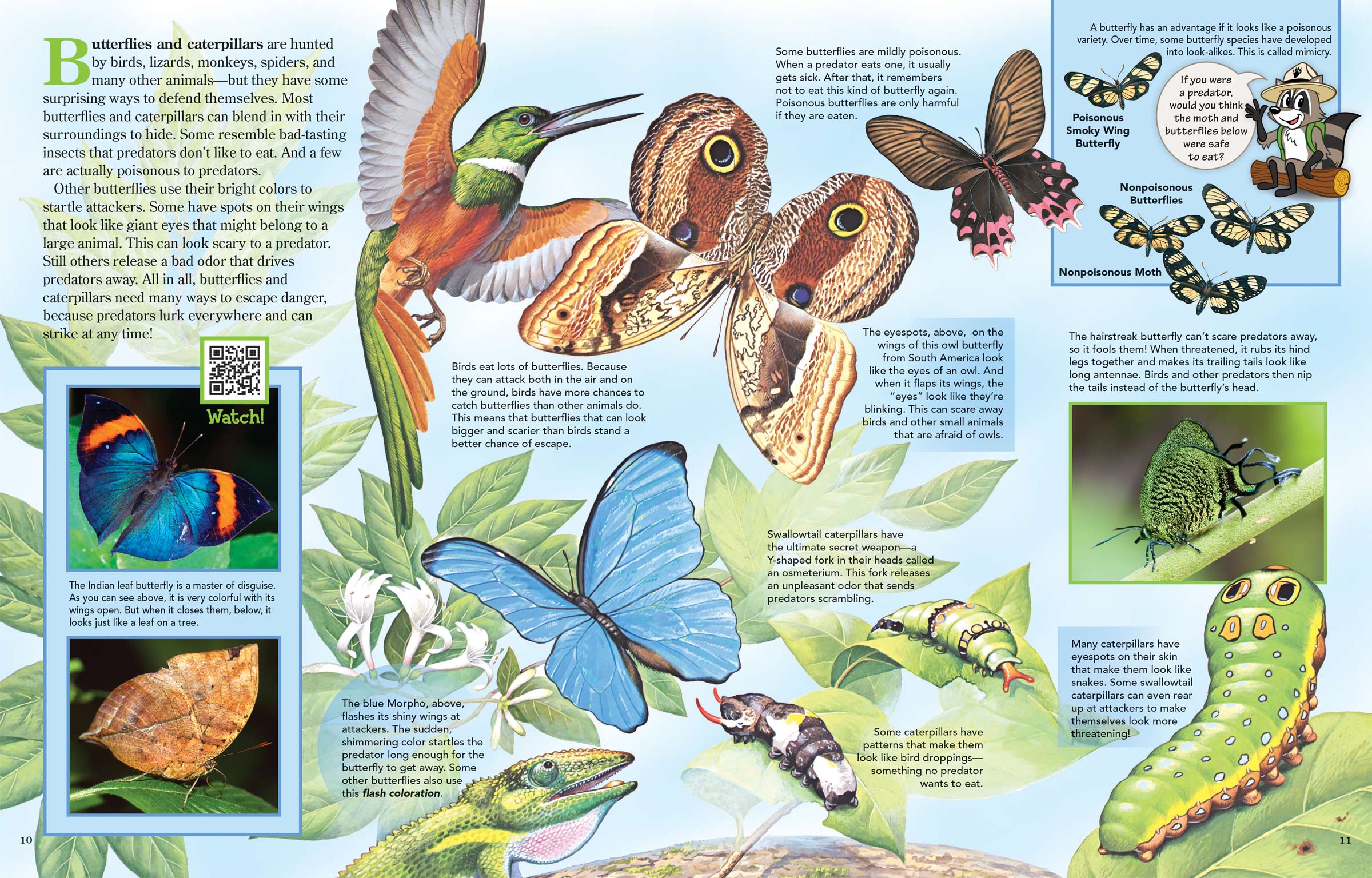
Some birds mimic the appearance of toxic or dangerous species. This can also involve bright colors. A non-poisonous bird may look like a poisonous one to avoid being eaten.
Communication And Social Signals
Birds do not use colors just for hiding or mating. Bright colors can also be signals to other birds.
Territory And Dominance
Bright colors can show other birds that a territory is claimed. For example, the red patch on a male Red-winged Blackbird’s wing is used to warn rivals.
Social Status
In some species, brighter birds are higher in the social order. They may get better nesting spots or more food. The brightness of the color can signal status to others in the group.
Example: House Finch
In House Finches, males with brighter red feathers are more likely to win fights and attract mates. The brightness comes from carotenoids in their diet, which means only the healthiest males are the brightest.

Environmental Factors That Influence Bird Color
The environment also shapes how bright birds are.
Diet And Access To Pigments
Birds cannot make all pigments. For example, they must eat foods with carotenoids to be red, orange, or yellow. If their diet changes, their color can fade.
Example: Flamingos
Flamingos are pink because of the carotenoids in the shrimp and algae they eat. In zoos, if they do not get these foods, their feathers turn pale.
Habitat
The color that works best depends on where a bird lives. Forest birds are often green; desert birds may be sandy brown. Birds in open areas may have more black and white to stand out against the sky.
Climate
In colder areas, birds often have darker colors (a rule called Gloger’s Rule), possibly to absorb more heat.
Bright Colors And Bird Health
A bird’s color can tell you a lot about its health.
Honest Signals
Bright colors often signal good health. Producing bright feathers takes energy and good nutrition. If a bird is sick or stressed, its colors may fade.
Example: Great Tit
Studies on the Great Tit show that birds with duller yellow bellies are more likely to have parasites.
Immune System
Some research suggests that only birds with strong immune systems can afford to be bright. If a male is colorful, it may mean he is less likely to get sick. Females may choose these males for better genes for their chicks.
Stress And Pollution
Birds in polluted areas sometimes lose their bright colors. This can be due to toxins or poor food quality.
Examples Of Brightly Colored Birds And Why They Are So Colorful
Let’s look at some famous colorful birds and the main reasons for their colors.
| Bird Species | Main Color | Reason for Color | Region |
|---|---|---|---|
| Peacock | Blue, green, gold | Sexual selection | India, Sri Lanka |
| Scarlet Macaw | Red, yellow, blue | Social and mating | Central, South America |
| Rainbow Lorikeet | Blue, green, orange, red | Camouflage in flowers | Australia |
| Mandarin Duck | Orange, blue, green | Sexual selection, territory | East Asia |
| Flamingo | Pink | Diet, health signal | Worldwide |
Each of these birds uses bright colors for a slightly different purpose, showing how varied the reasons can be.
How Birds See Colors: More Than Meets The Human Eye
Humans see a limited range of colors, but birds can see much more. They have four types of color receptors (humans have three), including the ability to see ultraviolet (UV) light.
Birds’ Ultraviolet Vision
Many birds have markings in the UV range that are invisible to us but obvious to other birds. For example, the blue tit looks similar to us, but to other blue tits, males have bright UV patches on their heads.
Importance For Mating
UV colors help birds recognize each other, pick mates, and avoid rivals. This means some birds that look dull to us are actually colorful to each other.
| Color Range | Humans | Birds |
|---|---|---|
| Visible spectrum | Red to violet | Red to violet + UV |
| Number of receptors | 3 | 4 |
| Can see UV patterns | No | Yes |
Practical Impact
If you want to understand bird behavior, it is important to remember that birds see the world in ways we cannot imagine.
Geographic Variation: Why Same Species Have Different Colors
Sometimes, the same bird species looks different in different places. This is called geographic variation.
Subspecies And Local Adaptation
A bird in a dense forest may be darker or greener, while the same species in an open field might be lighter or have more white. This is because local environments select for different colors.
Example: Song Sparrow
The Song Sparrow has many subspecies, each with different shades and patterns depending on where they live.
Island Birds
Birds on islands often evolve brighter colors because there are fewer predators, so the risk of being seen is lower.
Color Changes Through The Year: Molt And Breeding Plumage
Birds do not always look the same year-round. Many species have special breeding plumage that is much brighter.
Molt
Birds replace their feathers in a process called molt. After molting, their colors can change. Often, males are brightest during the breeding season, when they need to attract mates.
Non-breeding Plumage
Outside the breeding season, some birds become duller to avoid predators. The American Goldfinch is bright yellow in summer but olive in winter.
Juvenile Vs. Adult Colors
Young birds are usually duller than adults, helping them stay hidden until they are old enough to breed.
Surprising Facts About Bird Colors
1. Some Birds “paint” Themselves
The Bearded Vulture rolls in iron-rich mud to stain its feathers orange. Scientists think this may signal strength to other vultures.
2. Hybrids Can Be Even Brighter
When two species mate, their hybrid offspring sometimes have even more intense or unusual colors.
3. Artificial Colors In Captivity
Some pet birds are fed special food to keep their colors bright, but this does not always match what they would look like in nature.
4. Birds And Human Culture
Brightly colored birds have inspired art, religion, and fashion for centuries. Peacocks were sacred in India; hummingbird feathers were used in Aztec headdresses.
5. New Discoveries
Scientists are still finding new pigments and color structures in birds. For example, a 2020 study found a new kind of green pigment in some South American birds.
Common Myths About Bird Colors
Myth 1: All Bright Birds Are Male
While it is true that males are usually brighter, there are exceptions. In some species, both sexes are colorful, or females may be brighter.
Myth 2: Bright Colors Always Mean A Bird Is Poisonous
Most bright birds are not poisonous; color can mean many things, from mating to camouflage.
Myth 3: Color Never Changes
A bird’s color can change with age, season, diet, or even mood (for example, some birds can raise colored crests when excited).
Conservation And Bird Colors
Brightly colored birds are often at risk from hunting and the pet trade. Their colors make them attractive to collectors and buyers, but this can endanger wild populations.
Habitat Loss
Many colorful birds live in tropical forests, which are being cut down for agriculture or logging. As their habitat disappears, so do these birds.
Climate Change
Changing temperatures and weather patterns can affect the plants and insects birds rely on for pigments.
Why Protecting Bird Colors Matters
Brightly colored birds are important for ecosystems, tourism, and culture. Losing them would mean losing unique parts of the natural world.
What Beginners Often Miss About Bird Colors
- Ultraviolet Colors: Many colors are invisible to humans but important for birds. Beginners often miss that a dull-looking bird might be very bright in UV light.
- Color Is Not Just for Mating: New birdwatchers often think all bright colors are for attracting mates. In reality, they can also signal health, warn predators, or help birds hide.

Frequently Asked Questions
Why Are Male Birds Often More Colorful Than Females?
In many species, males are more colorful because they compete for mates. Bright colors help them stand out to females, showing they are healthy and have good genes. Females, especially those that sit on nests, are usually duller to avoid predators.
Can All Birds See Colors The Same Way Humans Do?
No. Birds see a wider range of colors than humans. They can see ultraviolet light, which means they notice patterns and colors invisible to us. This helps them find mates, food, and avoid danger.
Do Bright Colors Make Birds More Likely To Be Eaten By Predators?
Sometimes, yes. Bright colors can make birds more visible, but they may also warn predators that the bird is toxic or not good to eat. In some cases, colors help birds blend in with their environment instead.
How Do Birds Get Their Bright Colors From Food?
Birds get pigments like carotenoids from their diet. If they eat foods rich in these pigments (like berries or shrimp), their feathers become brighter. If their diet is poor, their colors fade.
Are There Birds With Colors Humans Cannot See?
Yes. Many birds have feathers that reflect ultraviolet light, which humans cannot see. These colors are visible to other birds and play a big role in bird communication.
If you want to read more about how bird colors work, visit the Wikipedia page on bird coloration.
Bright colors in birds are more than just beautiful—they are a window into evolution, survival, and the secret lives of these amazing animals. Whether for attracting a mate, staying safe, or showing strength, every color tells a story. Understanding these stories helps us appreciate birds—and nature—even more.