Birds have always fascinated humans with their ability to soar high in the sky and travel across vast distances. But a question that often arises is: can birds fly over oceans? The sight of a small bird crossing endless water seems almost impossible, yet nature is full of surprises. From tiny songbirds to majestic albatrosses, many birds accomplish ocean crossings that seem unbelievable for their size and stamina. Understanding how and why birds fly over oceans takes us into a world of migration, survival, adaptation, and sometimes, incredible risks.
This article dives deep into the science, stories, and secrets behind birds’ ocean-crossing flights. You’ll discover which birds do it, how they manage such long journeys, what challenges they face, and what science is still uncovering about this remarkable ability.
Along the way, you’ll find surprising facts, real migration data, and answers to the questions that even seasoned birdwatchers often ask. If you’ve ever wondered how a bird can cross an entire ocean, you’re about to find out.
Why Birds Fly Over Oceans
Birds don’t cross oceans for adventure — they do it for survival. The main reason is migration. Many birds breed in one part of the world and spend the rest of the year in another. Oceans often lie between their breeding and wintering grounds. Flying across the sea can sometimes be the shortest, safest, or only route.
For example, the Bar-tailed Godwit flies from Alaska to New Zealand, a journey of over 11,000 kilometers, without stopping. This non-stop flight means crossing the entire Pacific Ocean. While this might sound extreme, for many birds, the alternatives are even riskier: flying over land can mean more predators, more human-made hazards, or no food in harsh deserts.
Some birds also cross oceans to find food. Seabirds like albatrosses and petrels spend most of their lives at sea because their main food sources, such as fish and squid, are found far from land. These birds are built for life above water, with wings designed for gliding over waves for days or weeks at a time.
Birds That Cross Oceans: The Champions
Not all birds can cross oceans. In fact, only certain species are strong and adapted enough for this feat. Here are some of the most famous ocean-crossing birds:
- Bar-tailed Godwit: Holds the record for the longest non-stop flight — over 11,000 km from Alaska to New Zealand.
- Albatross: Especially the Wandering Albatross can fly more than 10,000 km at a time, gliding for hours with barely a wingbeat.
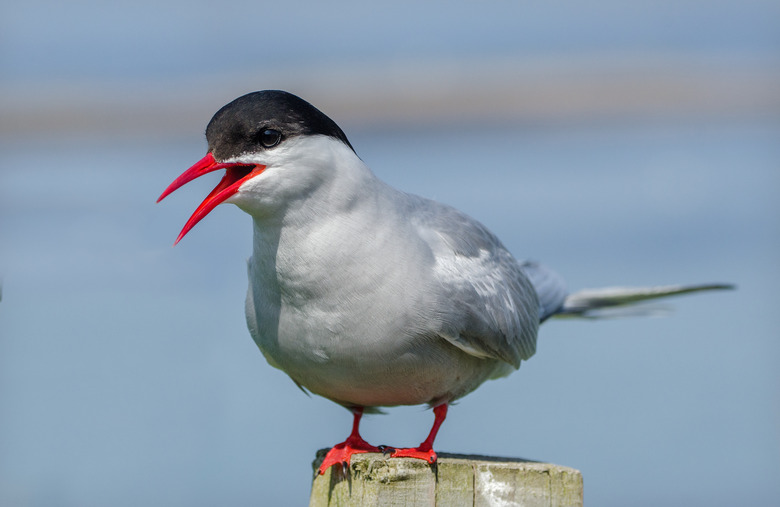
- Arctic Tern: Migrates from the Arctic to the Antarctic and back each year, covering about 70,000 km annually.
- Sooty Shearwater: Flies from New Zealand to the North Pacific, about 64,000 km in total migration distance.
- Blackpoll Warbler: A tiny songbird that crosses the Atlantic Ocean non-stop, flying from North America to South America.
- Red Knot: Travels from the Arctic to southern South America, often crossing wide stretches of water.
These birds show an amazing variety in size and flight style. Some are large, with long wings for gliding. Others, like the Blackpoll Warbler, are small but have incredible endurance.
How Birds Fly Over Oceans
Crossing an ocean is not just about strong wings. Birds use a combination of physical adaptations, clever navigation, and sometimes, a bit of luck. Here’s how they do it:
Physical Adaptations
- Wing shape: Ocean-crossing birds often have long, narrow wings. This helps them glide and use less energy.
- Fat stores: Before migration, birds eat extra food to build up fat. This fat is their fuel for long flights.
- Efficient metabolism: Birds’ bodies are extremely good at using stored fat and water.
Navigation Skills
- Sun and stars: Birds use the position of the sun during the day and stars at night to guide them.
- Earth’s magnetic field: Many birds have tiny magnetic sensors in their heads, letting them “feel” direction.
- Wind and weather: Some birds wait for strong tailwinds to help push them across the ocean.
Clever Strategies
- Gliding: Seabirds like albatrosses glide on wind currents above the waves. This saves energy.
- Timing: Birds often leave just before storms or at the start of favorable weather.
- Short stops: Some birds land on ships or floating debris to rest, though this is rare for true non-stop migrators.
Table: Flight Range And Capabilities Of Ocean-crossing Birds
| Species | Typical Ocean Crossing Distance (km) | Flight Duration (hours/days) | Non-stop Capable? |
|---|---|---|---|
| Bar-tailed Godwit | 11,000 | 8-10 days | Yes |
| Wandering Albatross | 10,000+ | Multiple days | Yes (with gliding) |
| Arctic Tern | Up to 30,000 (one-way) | Several weeks | No (makes stops) |
| Blackpoll Warbler | 2,500 | 2-3 days | Yes |
The Science Of Migration: How Far And How Fast?
Bird migration over oceans is one of the most studied, yet still mysterious, behaviors in nature. Scientists use tracking devices, radar, and even satellites to follow birds on their journeys. Here’s what research has uncovered:
- The Bar-tailed Godwit’s Alaska to New Zealand flight averages about 55 km/h, lasting up to 10 days without rest or food.
- Blackpoll Warblers, weighing just 12 grams, can burn half their body weight crossing the Atlantic, flying 2,500 km non-stop.
- Albatrosses can glide for hours using only wind energy, covering hundreds of kilometers in a single day.
- Arctic Terns hold the record for the longest yearly migration, with some tracked individuals flying more than 90,000 km in a single year.
But not all birds make it. Bad weather, exhaustion, or running out of fat reserves can be fatal. Still, millions of birds attempt these journeys each year, driven by instinct and survival.
Risks And Dangers Of Ocean Crossings
Flying over the ocean is risky business. Birds face many dangers:
- Weather: Storms, strong winds, and sudden changes can blow birds off course or exhaust them.
- No place to land: Unlike land, the ocean offers no rest stops. If a bird becomes too tired or sick, it may not survive.
- Predators: Certain seabirds and fish can catch exhausted birds near the surface.
- Human activity: Ships, oil platforms, and pollution can confuse, injure, or kill migrating birds.
One less-known risk is dehydration. Birds can lose a lot of water as they burn fat. Some seabirds have special glands to drink seawater, but most land birds do not, making ocean crossings especially tough.
Table: Main Risks Faced By Ocean-crossing Birds
| Risk Factor | Impact on Birds | Species Most Affected |
|---|---|---|
| Storms | Exhaustion, death, blown off course | All ocean-crossers |
| Lack of food/water | Starvation, dehydration | Songbirds, shorebirds |
| Predators | Increased mortality | Smaller or injured birds |
| Human-made hazards | Collision, disorientation | Seabirds near shipping lanes |
How Birds Prepare For Ocean Crossings
Preparation is key. Birds do not just set off across the ocean without getting ready. Here’s how they prepare:
- Hyperphagia: Birds eat as much as possible before migration. Some can double their body weight in fat.
- Muscle building: Birds’ flight muscles grow larger just before migration season.
- Internal clocks: Hormones and daylight length signal birds when it’s time to leave.
- Practice flights: Young birds may take shorter flights over water before their first big crossing.
A surprising detail: Many birds choose very specific days for departure, waiting for weather conditions that will help them. For example, Blackpoll Warblers often leave just before a cold front, using the tailwinds to speed their journey.
What Science Still Doesn’t Know
Bird migration, especially over oceans, still holds mysteries. Some questions remain:
- How do young birds know where to go? Many cross oceans alone, never having made the journey before.
- How do birds sense the magnetic field? We know they do, but the exact method is still being studied.
- How do birds manage sleep? Recent research suggests some birds can sleep with one half of their brain at a time while flying, but this is not fully understood.
There are also reports of birds being seen far from known migration routes, or even resting on ships in the middle of the ocean. Science continues to track, tag, and study these incredible travelers.
Surprising Insights Most People Miss
Even bird enthusiasts often miss these important points:
- Small birds can be better ocean crossers than large ones: While large wings help, some of the longest non-stop ocean flights are made by tiny songbirds. Their secret is efficient fat storage and flying at optimal wind speeds.
- Not all migrations are annual: Some birds, like the Arctic Tern, are “eternal migrants,” spending almost their entire lives traveling between hemispheres.
- Birds sometimes land on ships: Tired birds have been known to use ships as resting places in emergencies, but this is risky and not part of their normal migration plan.
- Climate change is changing routes: As ocean temperatures and wind patterns shift, birds may adjust their migration routes, sometimes leading to higher risks or failed journeys.
Famous Ocean Crossing Stories
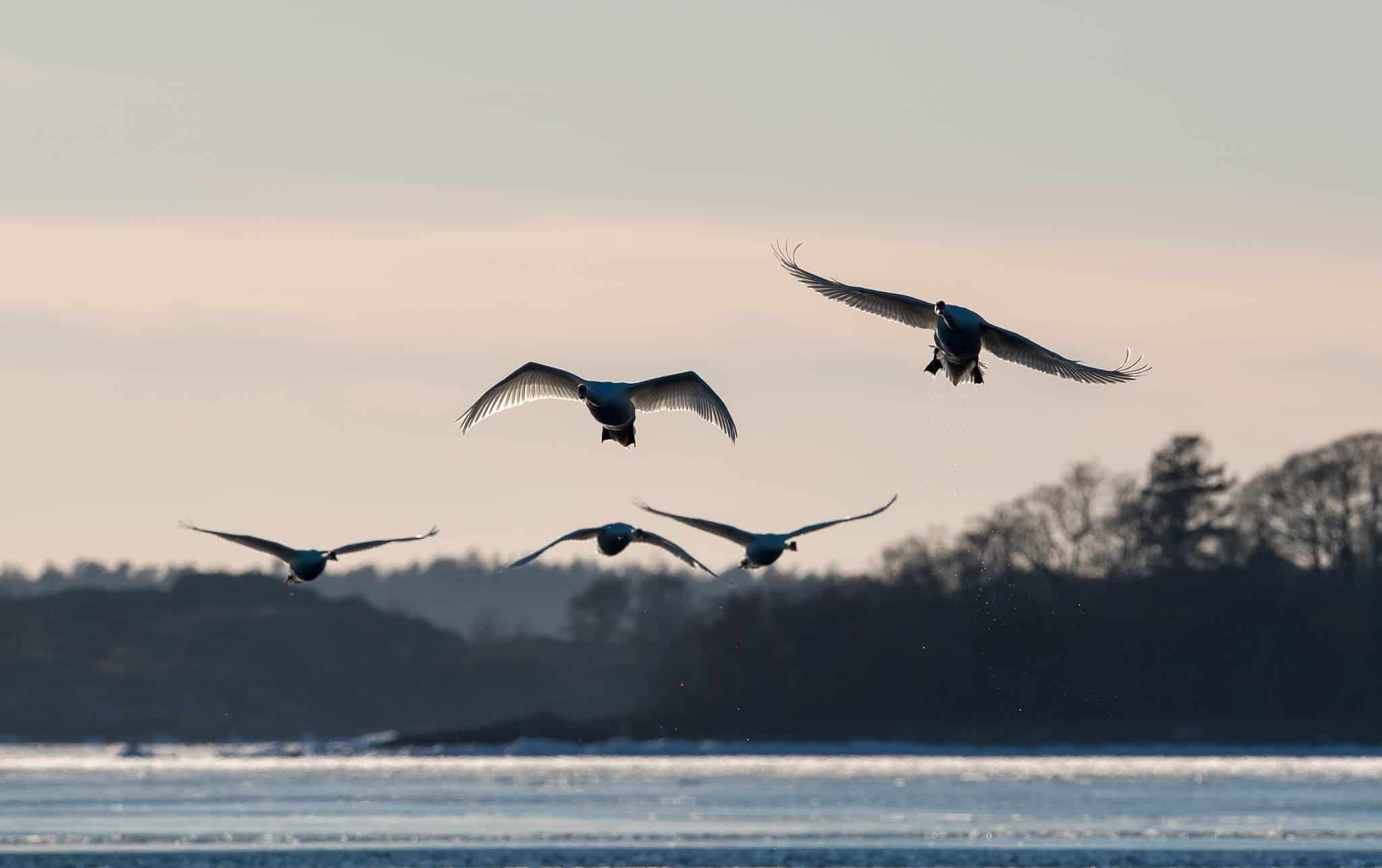
Some bird migrations have become legends in the scientific community. Here are a few:
- In 2007, a Bar-tailed Godwit known as E7 was tracked flying from Alaska to New Zealand without stopping, covering 11,680 km in nine days. This remains one of the longest known non-stop flights.
- The Arctic Tern’s pole-to-pole migration means it experiences more daylight each year than any other animal on Earth.
- In 2015, a Blackpoll Warbler was tracked flying non-stop for three days across the Atlantic, a journey of 2,770 km.
Each of these journeys shows just how tough and resourceful birds can be when crossing oceans.
How Birds’ Bodies Change During Ocean Flights
Birds’ bodies change dramatically before and during long ocean flights:
- Fat metabolism: Birds convert fat into energy and water, using up stores quickly.
- Organ shrinkage: Some birds’ digestive organs shrink before a non-stop flight, reducing weight and using less energy.
- Muscle endurance: Flight muscles become extra strong and efficient.
A key insight: After a long ocean crossing, many birds arrive exhausted, with almost no fat left. They need to feed and rest immediately, making their landing sites crucial for survival.
Technology And Tracking: How We Know What Birds Do
Modern technology helps us understand how birds cross oceans. Scientists use:
- Satellite transmitters: Light devices attached to birds send location data to satellites.
- Geolocators: Small data loggers that track light levels, helping scientists estimate location.
- Radar: Tracks flocks of birds at night or during storms.
These tools have revealed surprising migration routes and uncovered new ocean-crossing records. For example, satellite data showed that Sooty Shearwaters travel up to 1,000 km in a single day using strong winds.
If you want to dive deeper into migration tracking, the Wikipedia Bird Migration page offers more scientific detail.
Do All Birds Have The Ability?
The short answer is no. Only certain birds are adapted for ocean crossings. Most land birds would not survive such flights. Key factors that allow ocean crossing:
- Size: Both small and large birds can cross, but only if adapted.
- Wing shape: Long, narrow wings for gliding or strong, flapping wings for endurance.
- Fat storage: Birds must carry enough energy to last the whole journey.
But even among ocean-crossers, not every individual survives. Many die each migration season, which is a natural but harsh part of the process.
Ocean Crossings And Climate Change
One new challenge is climate change. As the world warms:
- Wind patterns shift, sometimes making crossings harder.
- Storms become more frequent or intense.
- Food sources in the ocean move or vanish, making survival tougher for seabirds.
Some birds are now arriving earlier or later at their destinations, which can cause mismatches in food availability. This makes ocean crossings riskier than ever before.
Table: Effects Of Climate Change On Ocean-crossing Birds
| Climate Change Factor | Observed Effect | Birds Most Impacted |
|---|---|---|
| Shifting winds | Longer, harder flights | Albatrosses, shearwaters |
| Changing ocean currents | Less food, starvation | Seabirds |
| Rising sea levels | Loss of stopover sites | Shorebirds |
| More storms | Higher death rates | All ocean-crossing birds |
What Makes Ocean Crossings Different From Land Migrations?
Ocean crossings are unique for several reasons:
- No rest stops: Land migrations allow birds to feed and rest along the way. Over oceans, this is often impossible.
- Monotony and navigation: With no landmarks, birds must rely on internal maps, sun, stars, and magnetic fields.
- Weather exposure: Birds are more exposed to sudden storms over open water.
This makes ocean crossings some of the most dangerous and impressive feats in the animal kingdom.
Can Humans Help?
People can help ocean-crossing birds in several ways:
- Protecting stopover sites: Many birds need safe places to rest and feed after ocean flights.
- Reducing light pollution: Artificial lights can confuse migrating birds, especially near the coast.
- Supporting research: Tracking and studying birds helps identify problems and solutions.
- Fighting climate change: Reducing carbon emissions helps keep wind and weather patterns stable.
Simple actions, like keeping beaches clean and supporting conservation groups, can make a big difference.
What You Can Do To Observe Ocean Crossings
If you live near the coast or islands, you might see birds arriving from ocean crossings:
- Look for shorebirds in spring and fall, especially after storms.
- Visit birdwatching sites during peak migration season.
- Volunteer for bird-banding or migration studies.
Remember, many birds arrive in poor condition. Keep your distance and avoid disturbing them as they rest and feed.
Frequently Asked Questions
Do All Birds Fly Over Oceans?
No, only certain species are adapted for ocean crossings. Most birds do not have the stamina, fat reserves, or wing shape needed to survive long flights over open water.
How Do Birds Know Where To Go During Ocean Crossings?
Birds use a mix of sun and star positions, Earth’s magnetic field, and wind patterns to navigate. Some also follow inherited instinct passed down through generations.
Can Small Birds Really Cross Large Oceans?
Yes. Some small birds, like the Blackpoll Warbler, can cross entire oceans non-stop. They prepare by building up fat reserves and timing their departure with strong winds.
What Happens If A Bird Gets Lost Over The Ocean?
If a bird is blown off course or becomes lost, it may not survive. Some may find ships to rest on, but many die if they cannot find land in time.
Are Ocean Crossings Becoming Harder For Birds?
Yes. Climate change is making ocean crossings more difficult by shifting wind patterns, increasing storms, and reducing food availability. This puts extra stress on many migratory birds.
Birds crossing oceans are among nature’s great wonders. Their journeys are dangerous, exhausting, and sometimes deadly, but they also show amazing adaptation and survival skills. Scientists continue to study these epic flights, revealing new details every year. As humans, we can help by protecting habitats, supporting research, and understanding the incredible challenges these birds face.
Next time you see a shorebird or seabird, remember the vast ocean it may have just crossed — a true marvel of the natural world.