
Birdsong is one of the most charming and familiar sounds in the natural world. From the gentle melodies at sunrise to the lively chatter in city parks, birds seem to sing, chirp, and call all day long. But why do birds chirp?
Is it just for fun, or is there a deeper meaning behind these sounds? Understanding bird chirping opens a window into the complex lives of these creatures, their communication, and the fascinating science behind their voices.
Many people enjoy listening to birds without thinking about the reasons for these sounds. Some see bird chirping as a sign of happiness or good weather. Others use it as a gentle morning alarm. But the truth is, bird chirping is much more than background music.
It’s a language, a survival tool, and a way to connect with others. Every chirp, song, or call has a purpose, and these purposes change depending on the time, place, and even the species.
In this article, you’ll discover the real reasons why birds chirp. You’ll learn how they produce these sounds, what messages they send, and how people can better understand what birds are saying. We’ll also explore some surprising facts that even many bird lovers don’t know.
Whether you’re a casual listener or a curious birdwatcher, you’ll find new insights that make every chirp more meaningful.
The Science Of Bird Chirping
Before exploring the reasons birds chirp, it helps to know how they make these sounds. Birds don’t use their throats like humans do. Instead, they use a special organ called the syrinx. The syrinx is located where the windpipe splits into the lungs. This organ is unique to birds and can produce a wide range of sounds.
Some birds can control each side of the syrinx separately. This means they can sing two notes at the same time or create very complex songs. For example, the northern mockingbird can imitate over 200 different sounds, thanks to its advanced syrinx.
Birds produce chirps, songs, and calls for different reasons. Scientists often divide these into two main types:
- Songs: Usually longer and more complex. Mostly sung by males to attract mates or defend territory.
- Calls: Shorter, simpler sounds used for communication, such as warnings or keeping the flock together.
The frequency, pitch, and pattern of these sounds can tell a lot about the bird’s mood, purpose, and even identity. Some birds have regional “dialects,” just like human languages, which can help identify where a bird comes from.
Main Reasons Birds Chirp
Birds chirp for many reasons, and these reasons are not always obvious. Here are the most important ones:
1. Attracting A Mate
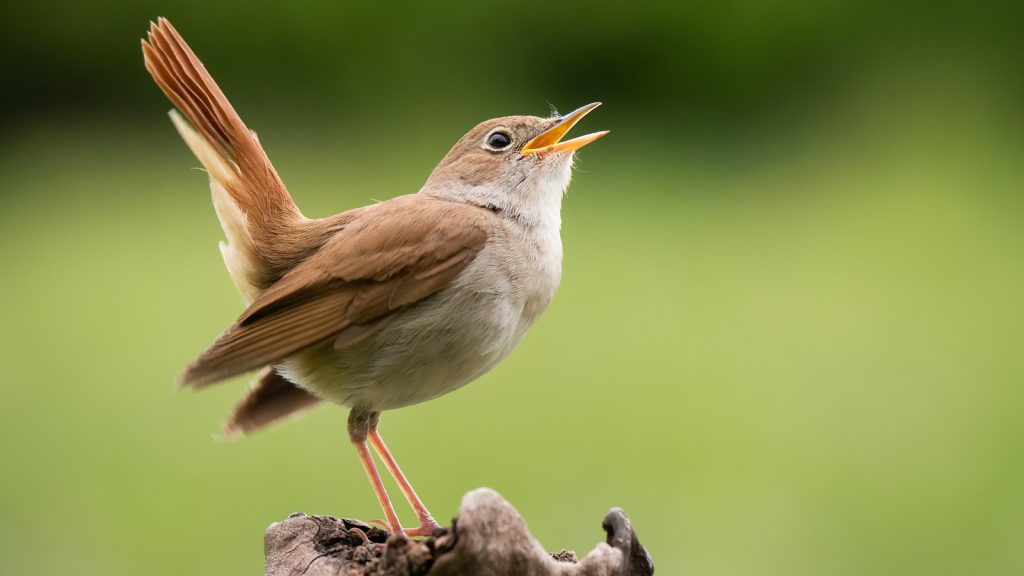
One of the main reasons birds chirp is to attract a mate. During the breeding season, male birds often sing complex and beautiful songs to catch the attention of females. The quality of a male’s song can show his health, strength, and genetic fitness.
For example, studies have shown that female nightingales prefer males with a larger song repertoire. A bigger variety of songs can signal good genes and survival skills. In some species, females also respond with their own calls, creating a “duet” that helps form a bond.
2. Defending Territory
Birdsong is a powerful tool for defending territory. When a male sings loudly from a tree or fence, he is telling other males, “This is my space. Stay away.” The song serves as a warning and a challenge. If another male ignores the song, a fight may follow.
Birds often use the same song pattern day after day to mark their territory. Some species even change their songs if a rival moves nearby, making their warning stronger.
3. Warning Of Danger
Many birds use sharp, quick chirps to warn others about danger. These alarm calls are often very different from their usual songs. When a predator is near, such as a hawk or cat, a bird might use a special call that signals “danger.”
Some birds, like chickadees, change their call depending on the threat. More “dees” at the end of their call mean a higher level of danger. This helps the whole flock react quickly and stay safe.
4. Keeping The Flock Together
Flock-living birds, such as sparrows or starlings, use contact calls to stay in touch while flying or feeding. These calls are usually quiet but constant, like gentle “chirp-chirp” sounds.
If a bird gets separated, it might chirp more loudly to find its group. These calls help avoid confusion, especially when flying in large flocks or moving through thick bushes.
5. Feeding And Food Sharing
Parent birds use special chirps to communicate with their chicks. These calls can mean “food is here” or “stay quiet, danger is near.” Baby birds also beg for food with high-pitched calls, which parents recognize instantly.
In some species, adult birds call others to share a food find, especially in social birds like crows or parrots.
6. Expressing Emotions
Birds can chirp to show emotion—excitement, stress, curiosity, or even boredom. For example, pet birds often chirp when they see their owners or when something new appears.
Not all emotional chirping is positive. Birds may also chirp when they are stressed by changes in their environment, such as loud noises or strange objects.
7. Marking The Time Of Day
You may notice that birds are most active in the early morning and late afternoon. This is called the dawn and dusk chorus. During these times, many species sing together, creating a lively soundscape.
Scientists believe singing at dawn helps males show off their strength, as only the healthiest birds can sing loudly after a long night. Morning songs can also carry farther in the still air, making them more effective.
8. Learning And Practice
Young birds often practice their songs before they are fully grown. These practice sessions can sound strange or incomplete at first. Over time, young birds perfect their songs by copying adults and learning which sounds are most effective.
Song learning is most common in species with complex songs, such as finches and warblers. This practice is key to their future success in finding mates and defending territory.
How Do Birds Learn To Chirp?
Birds are not born knowing all their songs and calls. In many species, song learning is a critical part of growing up. There are two main ways birds learn:
- Imitation: Young birds listen to adult “tutors” and copy their songs. This learning window is often limited to the first few months of life.
- Trial and Error: Birds experiment with their own sounds, practicing until they match the adult song.
Some birds, like the zebra finch, will only learn songs during a short “sensitive period. ” If they don’t hear the right songs during this time, they may never sing correctly. Other birds, like mockingbirds and parrots, can learn new sounds throughout their lives.
Comparison Of Song Learning In Different Birds
Here’s a look at how song learning varies by species:
| Species | Learning Period | Ability to Learn After Maturity |
|---|---|---|
| Zebra Finch | First few months | No |
| Mockingbird | All life stages | Yes |
| Song Sparrow | First year | Rarely |
| Parrot | All life stages | Yes |
This table shows why some pet birds, like parrots, can learn to mimic human speech even as adults, while others cannot.
Environmental Factors That Affect Chirping
Bird chirping is strongly influenced by the environment. Birds don’t chirp the same way everywhere. Here are some key factors:
Noise Pollution
In cities, birds face a lot of noise pollution from cars, machines, and people. This can make it hard for their songs to be heard. Some urban birds sing at a higher pitch or during quieter times of day to compete with city noise.
A study found that great tits in London sang up to 300 Hz higher than their rural relatives, just to be heard above the traffic.
Weather Conditions
Birds often change their chirping based on the weather. On windy or rainy days, they may sing less or use lower-frequency calls that travel better. Sunny, calm mornings usually bring the most singing.
Habitat Type
Different habitats—forest, grassland, wetlands—shape bird songs. Forest birds often use lower, richer notes that travel through trees, while open-country birds use higher-pitched sounds that carry across fields.
Seasonal Changes
Birdsong increases during the breeding season and drops off after. In winter, many birds stop singing complex songs and use only simple calls.
Species Differences In Chirping
Not all birds chirp the same way. The variety in bird sounds is stunning, and different groups have their own styles and reasons.
Songbirds
Songbirds (passerines) are famous for their complex songs. Examples include robins, finches, and warblers. These birds have the most advanced syrinx and can produce beautiful, varied songs.
Non-songbirds
Other birds, like pigeons, doves, and crows, make simpler calls and coos. They use their voices for basic communication, not for complex singing.
Mimics
Some birds are excellent mimics. The lyrebird of Australia can copy chainsaws, camera shutters, and other bird species. Mockingbirds can learn dozens of songs from their surroundings.
Flight Calls
Certain birds, like geese and cranes, use loud “flight calls” when migrating. These calls help flocks stay together over long distances.
Table: Chirping Styles By Bird Type
| Type | Example Species | Typical Sounds | Purpose |
|---|---|---|---|
| Songbird | Robin | Melodic songs | Territory, mating |
| Non-songbird | Pigeon | Coos | Communication |
| Mimic | Mockingbird | Copied sounds | Impress mates |
| Migratory | Goose | Honk calls | Navigation |
Surprising Insights About Bird Chirping
Many people think birds only chirp in the morning or when they are happy. But there’s much more to it.
- Not All Chirping Is Happy: Birds may chirp when stressed, threatened, or confused. Listening closely can reveal if a bird is alarmed or relaxed.
- Urban Birds Adapt: Birds in noisy cities change their songs over generations. This is a fast example of evolution in action.
- Some Birds Sing at Night: The nightingale and mockingbird sing after dark, especially when competing for mates.
- Chicks Start Chirping Before Hatching: Some baby birds make soft sounds inside the egg to communicate with their parents or siblings.
- Regional Accents: Like human languages, birds develop local “dialects.” This can help them recognize neighbors and avoid conflicts.
How Birds Use Chirping For Survival
Chirping isn’t just noise. It’s essential for survival. Here are some practical ways birds use chirping:
- Finding food: Flock members call out when they discover food, helping the whole group.
- Avoiding predators: Warning calls save lives. A single alarm chirp can clear a feeding area in seconds.
- Raising young: Parent-offspring calls ensure that food goes to the right chicks.
- Learning skills: Young birds practice songs to improve their chances in adult life.
Table: Chirping’s Role In Bird Survival
| Situation | Chirping Purpose | Result |
|---|---|---|
| Predator nearby | Alarm call | Flock escapes |
| Breeding season | Mate attraction song | Finds partner |
| Feeding young | Begging call | Chick gets fed |
| Lost from group | Contact call | Flock reunites |
This overview shows how important chirping is for every part of a bird’s life.
How Humans Benefit From Bird Chirping
People have always been inspired by birdsong. Bird chirping has practical value for humans, too:
- Environmental monitoring: Scientists use changes in bird chirping to study pollution, climate change, and habitat health.
- Mental health: Listening to birds can lower stress. Studies show that hearing birdsong can improve mood and focus.
- Education: Learning bird sounds helps people connect with nature and notice changes in the environment.
- Art and culture: Birds have influenced music, poetry, and storytelling in many cultures.
If you want to learn more about the science of birdsong, you can visit the Wikipedia page on birdsong for more details.
Non-obvious Tips For Understanding Bird Chirping
- Use a sound app: Modern apps can identify bird species by their chirps. This makes it easier to learn local birds.
- Notice the context: Is the bird alone, with others, or flying? The situation can explain the meaning of a chirp.
- Watch the time: Birds sing most at dawn and dusk. If you hear unusual chirping at other times, it might signal a threat or special event.
- Compare locations: Try listening in different places—city, forest, park. You’ll hear how birds adapt their songs to each environment.
- Record and replay: Recording bird sounds helps you notice details you might miss in real time.
Frequently Asked Questions

What Is The Difference Between Chirping And Singing In Birds?
Chirping usually refers to short, simple sounds that birds use for basic communication, such as warning of danger or keeping the flock together. Singing is more complex and is often used by male birds to attract mates or defend territory.
Some birds can do both, while others mainly chirp or call.
Do Female Birds Chirp As Much As Males?
In many species, males are the main singers, especially during the breeding season. However, female birds also chirp and call, especially in species where both parents care for the young. In some birds, like the northern cardinal, females sing as much as males.

Can Birds Understand Each Other’s Chirps Across Species?
Most birds recognize the alarm calls of other species, especially if they share the same area. This helps all birds avoid predators. However, songs for attracting mates or marking territory are usually understood only by the same species.
Why Do Birds Chirp At Night?
Some birds, like nightingales and mockingbirds, sing at night to attract mates or defend territory. Night singing can be more effective because there is less background noise and fewer competitors. In cities, artificial light can cause some daytime birds to chirp at night as well.
How Can I Learn To Identify Birds By Their Chirps?
Start by listening carefully in your local area and using a bird sound app or guidebook. Try to match the sound with the bird you see. Practice is key, and over time you’ll recognize common species. Joining a birdwatching group or online community can also help you learn faster.
Bird chirping is more than just a pleasant sound—it’s a complex language that reveals the hidden lives of birds. The next time you hear birds outside your window, remember that each chirp has a story, a purpose, and a message.
By listening closely, you can understand nature a little better, and perhaps even join the chorus in your own way.