When you spot a nest in a tree or hear the soft chirping of birds outside your window, it’s natural to wonder: how long do bird eggs take to hatch? The answer is not as simple as a single number. Across the bird world, hatching times vary widely—from under two weeks to more than two months. This depends on the species, environment, egg size, and even the weather. If you’re a bird watcher, a backyard enthusiast, or just curious, understanding these timeframes can deepen your appreciation for nature’s rhythms.
Let’s explore the remarkable journey from egg to hatchling, examining the factors that influence incubation, the typical durations for different birds, and what happens inside those mysterious eggs. We’ll also look at common incubation mistakes, myths, and answer some frequent questions.
Why Bird Egg Hatching Time Varies
Bird eggs don’t all hatch at the same pace. The hatching time—also called the incubation period—is the number of days from when a bird starts warming its eggs to when the chicks break free. But why do these periods range so much?
Several factors influence the hatching time:
- Species and size: Larger birds often have longer incubation periods.
- Egg size and shell thickness: Bigger, thicker eggs usually need more time.
- Climate and temperature: Warmer climates can speed up development.
- Parental care: Birds that leave their eggs often, or don’t incubate right away, may slow the process.
- Predation risk: Birds in dangerous areas may have shorter incubation to protect their young.
Understanding these factors helps explain why a tiny hummingbird and a giant albatross follow such different calendars.
Typical Hatching Times For Common Bird Groups
Different types of birds have unique incubation periods. Here’s how long eggs take to hatch for several well-known groups. These ranges are averages—real times can vary based on conditions.
Songbirds (passerines)
Most familiar backyard birds fall into this group, including robins, sparrows, and finches.
- Average incubation: 11–16 days
For example, the American robin’s eggs hatch after about 12–14 days. Songbird parents usually begin incubation after the last egg is laid, so all chicks hatch together.
Waterfowl (ducks, Geese, Swans)
Water-loving birds tend to lay larger eggs.
- Average incubation: 25–35 days
The mallard duck incubates for about 26–28 days, while mute swans can take up to 36 days.
Birds Of Prey (raptors)
These include hawks, eagles, owls, and falcons.
- Average incubation: 28–38 days
A bald eagle egg usually hatches after 35 days, while a barn owl takes about 30–34 days.
Game Birds (quail, Pheasants, Turkeys)
These ground-nesting birds have moderately long periods.
- Average incubation: 21–28 days
Wild turkey eggs, for example, hatch in about 28 days.
Parrots And Parakeets
Parrots vary widely because there are so many species.
- Average incubation: 18–30 days
Budgerigars (pet parakeets) take around 18 days, while larger parrots, like macaws, need up to 28 days.
Seabirds
Seabirds often face cold, windy conditions, so incubation can be long.
- Average incubation: 28–60 days
For instance, emperor penguins have one of the longest periods—around 64 days.
Flightless Birds
These include ostriches, emus, and kiwis.
- Average incubation: 35–80 days
The emu incubates for about 56 days, and the kiwi can take up to 80 days—a record among birds.
Below is a comparison of incubation periods for selected birds:
| Bird Species | Incubation Period (Days) | Egg Size (cm) |
|---|---|---|
| American Robin | 12–14 | 2.8 x 2.0 |
| Mallard Duck | 26–28 | 5.7 x 4.1 |
| Bald Eagle | 35 | 7.3 x 5.5 |
| Emperor Penguin | 64 | 12.1 x 8.1 |
| Kiwi | 70–80 | 13 x 8 |
The Stages Of Bird Egg Incubation
From the outside, all you see is a quiet, motionless egg. Inside, though, a dramatic transformation is happening. Understanding the stages helps explain why steady warmth is so vital.
- Embryo development begins: As soon as a bird starts sitting on the eggs, the inside warms to around 37–38°C (99–100°F).
- Early cell division: In the first few days, the embryo grows rapidly. Major organs start to form.
- Mid-incubation: Structures like the beak, feathers, and legs become visible. Blood vessels spread under the shell.
- Final days: The chick absorbs the yolk, hardens its beak, and prepares to break free—a process called pipping.
If the temperature drops too much or the eggs are left alone, development can stop or slow. That’s why bird parents are so protective during this time.
Comparing Incubation Times: Small Vs Large Birds
Egg size is one of the main reasons for different hatching times. Larger eggs take longer to fully develop. Below is a side-by-side comparison:
| Bird Type | Egg Size | Incubation Period |
|---|---|---|
| Hummingbird | 1.2 x 0.8 cm | 14–17 days |
| Chicken | 5.5 x 4.3 cm | 20–22 days |
| Albatross | 11.0 x 7.5 cm | 65–80 days |
Notice how the albatross eggs dwarf those of the hummingbird, and the hatching time is much longer.
What Happens If Eggs Take Too Long Or Too Short To Hatch?
There’s a “just right” time for eggs to hatch. If eggs hatch too soon, chicks may be weak or unready for life outside. If they hatch too late, they might not survive at all.
Common reasons for abnormal hatching times:
- Low or unstable temperature: Slows development, causing late hatching.
- High temperature: Can speed up development, but may cause birth defects.
- Humidity problems: Too dry or too wet air can stop the chick from breaking out.
- Infertile or damaged eggs: These may never hatch, no matter how long you wait.
If you’re hatching eggs at home (like chicken eggs in an incubator), keeping the temperature steady is vital.
Parental Roles In Incubation
Bird parents work hard to keep their eggs safe. Some species share duties equally, while others rely on one parent.
- Both parents incubate: Robins, pigeons, many parrots.
- Female only: Most ducks, hummingbirds, and songbirds.
- Male only: Emus, cassowaries, and some shorebirds.
Some birds, like emperor penguins, go to extremes. The male emperor penguin balances the egg on his feet for over two months in freezing cold. Such dedication is necessary for eggs that need long, steady warmth.

Environmental Impacts On Hatching Time
Nature doesn’t always cooperate. Weather, predators, and even human activity can change how long it takes for eggs to hatch.
- Cold weather: Slows development, sometimes stopping it if it gets too cold.
- Heat waves: Speed up hatching but can stress embryos.
- Predation risk: Some birds delay incubation until all eggs are laid, so chicks hatch together—a tactic called synchronous hatching.
- Nest disturbance: If a nest is disturbed too often, parents may leave eggs unguarded, delaying or ending development.
In cities, artificial light and noise can also confuse birds, affecting when and how they incubate.
Incubation In Artificial Conditions (incubators)
People often use incubators to hatch eggs from chickens, ducks, and even exotic birds. In these controlled environments, you can adjust temperature, humidity, and turning frequency.
- Ideal temperature: 37.5°C (99.5°F) for most species
- Humidity: 40–50% for incubation, 65–75% during hatching
- Turning: Eggs must be turned several times a day to prevent the embryo from sticking to the shell
Common mistakes in artificial incubation:
- Not turning eggs enough
- Wrong temperature or humidity settings
- Opening the incubator too often
Even small errors can change the hatching time by days or prevent hatching entirely.
Interesting Exceptions: Super-short And Super-long Hatching Times
Some birds break the usual rules.
- Super-short: The zebra finch has one of the shortest known incubation periods—sometimes just 10 days.
- Super-long: The wandering albatross holds the record for the longest, with up to 80 days.
Why these extremes? For zebra finches, a short incubation means chicks grow quickly in harsh environments. For albatrosses, a long period allows chicks to develop strong muscles and fat for long ocean flights.
How Birds Know When To Start Incubating
Not all birds start sitting on their eggs immediately. Some wait until all eggs are laid, others start right away.
- Synchronous hatching: Parents wait until the clutch is complete, so all eggs hatch together. This helps the young leave the nest at the same time, reducing their risk from predators.
- Asynchronous hatching: Incubation starts with the first egg, so chicks hatch at different times. Common in raptors and owls, where older chicks get more food.
This strategy depends on food availability, predation, and nesting habits.
Signs An Egg Is About To Hatch
Wondering if hatching is close? There are a few clues:
- Pipping: The chick cracks a small hole in the shell—often with a special “egg tooth.”
- Movement: Eggs may rock or vibrate slightly as the chick pushes inside.
- Chirping: You might hear faint peeping from inside the shell.
Once pipping starts, hatching usually finishes within 24–48 hours.
What Happens During The Hatching Process?
Hatching is hard work for a baby bird. The chick uses its egg tooth (a temporary, sharp bump on its beak) to break the shell. This can take hours.
Steps:
- Internal pip: The chick breaks into the air cell at the large end of the egg, taking its first breath.
- External pip: The chick cracks through the shell, making a tiny hole.
- Zipping: The chick slowly turns, cracking the shell all the way around.
- Emergence: Finally, the chick pushes free and rests, often wet and tired.
After hatching, the chick dries and fluffs up, then starts begging for food.
How Clutch Size Affects Hatching Time
A clutch is the total number of eggs a bird lays in one nesting attempt. Clutch size can affect hatching in several ways.
- Large clutches: Birds may delay incubation until all eggs are laid, so all chicks hatch together.
- Small clutches: Incubation may begin right away, leading to chicks hatching at different times.
For example, a house sparrow may lay 3–7 eggs, starting incubation with the last. An owl may start with the first egg, causing a spread in hatching times.
Myths About Bird Egg Hatching
Many people believe myths about bird eggs and hatching:
- Touching eggs makes parents abandon them: Most birds don’t care about human scent, but too much disturbance can be harmful.
- All eggs in a nest hatch together: Only if incubation starts after the last egg is laid.
- Eggs can be left for hours without harm: Some eggs can survive brief cooling, but long absences are risky.
Understanding the facts helps protect birds and their nests.
Non-obvious Insights For Bird Enthusiasts
- Eggshell color can affect temperature: Darker eggs heat up faster in sunlight, which can influence development speed.
- Altitude matters: Birds nesting at higher elevations often have longer incubation periods, even within the same species.
- Late hatching is not always bad: In some species, late-hatching chicks are stronger because they develop at a slower, healthier pace.
Many beginners miss these details, but they matter for both wild and captive birds.
Summary Table: Incubation Times For Popular Birds
Here’s a quick reference for some favorite birds:
| Bird | Incubation Period (Days) | Parent Roles |
|---|---|---|
| Chicken | 20–22 | Female only |
| Pigeon | 17–19 | Both parents |
| Canada Goose | 25–28 | Female only |
| Ostrich | 42–46 | Both parents |
| Barn Owl | 30–34 | Female only |
What To Do If You Find A Bird Nest
If you discover a nest in your yard or garden:
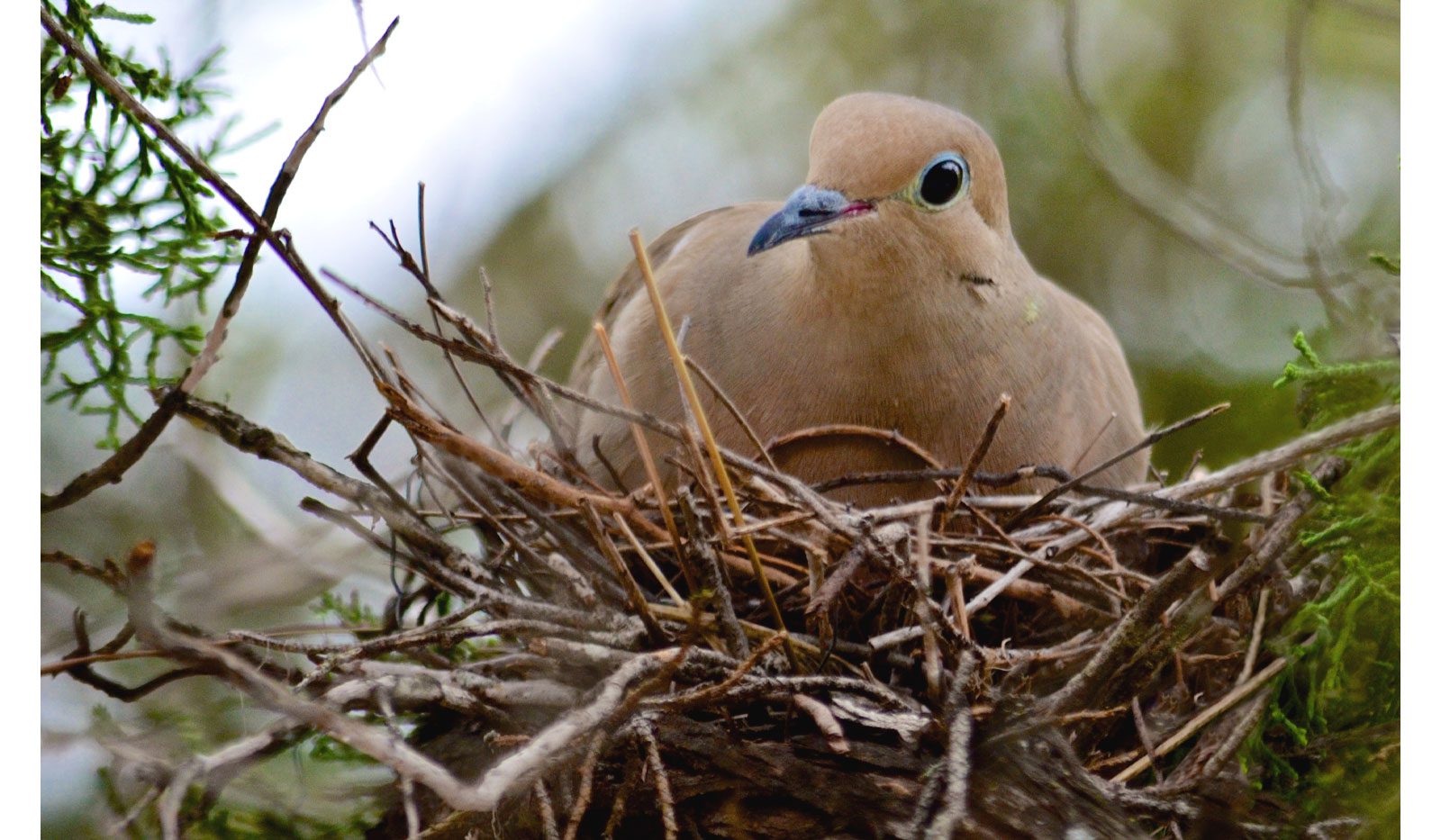
- Observe quietly: Don’t touch the eggs or disturb the parents.
- Keep pets away: Cats and dogs can frighten birds or damage nests.
- Don’t move the nest: Birds may abandon eggs if the nest is moved.
If you think the nest is abandoned, watch from a distance for several hours. Most birds return regularly to incubate, but some are very shy.
For more advice, check resources like the National Audubon Society.
Frequently Asked Questions
How Long Does It Take For Chicken Eggs To Hatch?
Chicken eggs usually hatch in about 20–22 days. The hen starts incubation after laying a full clutch, keeping the eggs warm and turning them several times a day.
Can You Tell If An Egg Will Hatch By Looking At It?
You cannot always tell by just looking. However, if you candle the egg (shine a light through it), you may see blood vessels or movement after a few days. Clear eggs after many days are likely infertile or dead.
What Should I Do If Bird Eggs Don’t Hatch On Time?
Wait a few extra days, as hatching can be delayed by cool weather or other factors. If nothing happens after a week, the eggs are probably not viable.
Do All Bird Eggs Need To Be Kept Warm To Hatch?
Yes, almost all bird eggs need warmth for the embryo to develop. Some species—like megapodes—use sun-warmed sand or decaying plants, but most rely on parent birds.
Is It Safe To Move Bird Eggs To Help Them Hatch?
It’s best not to move or touch wild eggs. For domestic eggs, handle with clean hands and only if necessary. Moving eggs can risk damage or chilling, reducing the chances of hatching.
Understanding how long bird eggs take to hatch reveals the complexity and wonder of bird life. Whether you’re monitoring a backyard nest or curious about wild species, knowing the basics—and the exceptions—can help you appreciate the patience and care these creatures invest in their next generation. Watching the process unfold, from silent eggs to noisy chicks, is one of nature’s most rewarding sights.