Bringing a bird into your home as a pet can be a joyful, rewarding experience. Birds offer companionship, intelligence, and even conversation. But choosing the right bird is not as simple as picking the prettiest one in a pet store.
Each species has its own temperament, care needs, noise level, and lifespan. For many, the ideal pet bird will be friendly, adaptable, and not too demanding for beginners. Others may want a more challenging species for a deeper bond. Knowing which birds are good pets—and which might not suit your lifestyle—is key for a happy relationship, both for you and your feathered friend.
This guide explores the best pet birds, what makes them suitable, practical considerations, and how to match your expectations to the right species. Whether you want a playful companion, a talkative friend, or a calm observer, you’ll find useful insights here.
Let’s dive into the world of pet birds and discover which species could be the perfect fit for you.
What Makes A Bird A Good Pet?
Not every bird is easy to live with. Some species are extremely social, needing hours of attention each day. Others are quieter and more independent. Here are the main qualities that make a bird a good pet:
- Gentle temperament: Birds that are less likely to bite or be aggressive are easier for families and new owners.
- Adaptability: Birds that handle changes in environment, noise, and people adjust better to home life.
- Care requirements: Some birds need very specific diets or large cages, while others are more flexible.
- Noise level: Some birds are naturally loud, which can be a challenge in apartments or quiet neighborhoods.
- Lifespan: Birds can live from 5 to over 50 years. A long-lived bird is a big commitment.
- Social needs: Some birds need lots of interaction, while others are content with less.
Matching your lifestyle with the right species prevents stress for both you and the bird.
Popular Pet Bird Species
Some species have become popular pets because they balance friendliness, trainability, and reasonable care needs. Here are the most common choices, along with their unique traits.
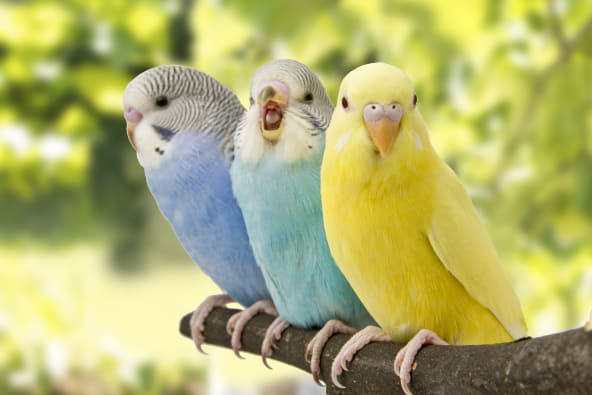
Budgerigar (budgie Or Parakeet)
Budgies are one of the most popular pet birds worldwide. They are small, colorful, and very social. Most budgies live 7 to 10 years, though some reach 15 with good care.
- Size: 7 inches (18 cm)
- Lifespan: 7–10 years
- Noise: Moderate; chirpy but not too loud
- Personality: Friendly, playful, and easy to tame
Budgies are a top choice for beginners. They can learn words and tricks, and they enjoy gentle handling. They need a roomy cage, toys for stimulation, and daily interaction.
Cockatiel
Cockatiels are gentle, affectionate, and known for their expressive crests and charming whistles. They are slightly larger than budgies and have a lifespan of 15 to 20 years.
- Size: 12–14 inches (30–35 cm)
- Lifespan: 15–20 years
- Noise: Quiet to moderate; whistling and chattering
- Personality: Affectionate, calm, and easygoing
Cockatiels are suitable for families and singles. They can mimic sounds and love to perch on shoulders. Males are generally better at whistling and mimicking tunes.
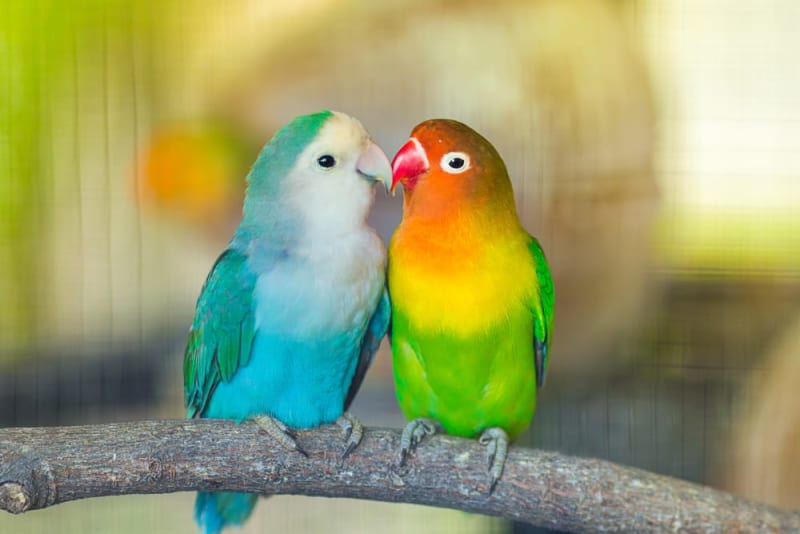
Lovebird
Lovebirds are small parrots with strong pair bonds. They are colorful and active but need regular social interaction.
- Size: 5–7 inches (13–17 cm)
- Lifespan: 10–15 years
- Noise: Moderate; can be loud at times
- Personality: Playful, curious, and affectionate
While lovebirds are famous for forming pairs, a single lovebird can thrive with plenty of attention from its owner. They enjoy toys and need safe out-of-cage time.
Canary
Canaries are known for their beautiful singing. They are admired for their bright colors and gentle nature.
- Size: 5–6 inches (13–15 cm)
- Lifespan: 8–10 years
- Noise: Males sing, but not too loud
- Personality: Independent, peaceful, and easy to care for
Canaries are ideal for those who want a pet that is lovely to watch and listen to but does not require handling.
Finch
Finches are small, active birds that do best in pairs or groups. They are not as interactive as parrots but are easy to care for.
- Size: 4–6 inches (10–15 cm)
- Lifespan: 5–10 years
- Noise: Soft chirping
- Personality: Social, lively, and gentle
Finches need a wide cage for flying and thrive on watching their flock mates. They are best for owners who prefer observing birds to handling them.
Parrotlet
Parrotlets are tiny parrots with big personalities. They are intelligent, energetic, and can become very bonded with their humans.
- Size: 4–5 inches (10–12 cm)
- Lifespan: 15–20 years
- Noise: Quiet to moderate
- Personality: Bold, curious, and affectionate
They need daily playtime and training to stay happy. Parrotlets can be territorial, so early socialization is important.
African Grey Parrot
African Greys are famous for their intelligence and talking ability. They are medium-sized and need experienced owners.
- Size: 12–14 inches (30–36 cm)
- Lifespan: 40–60 years
- Noise: Moderate to loud
- Personality: Intelligent, sensitive, and social
These birds require significant mental stimulation and daily interaction. They can form deep bonds but may become stressed if left alone for long periods.
Amazon Parrot
Amazon parrots are colorful, outgoing, and excellent talkers. They are long-lived and require a lot of attention.
- Size: 13–15 inches (33–38 cm)
- Lifespan: 40–50 years
- Noise: Loud; can scream
- Personality: Social, playful, and stubborn
Amazon parrots suit owners with plenty of time and bird experience. They need space, toys, and daily training.
Cockatoo
Cockatoos are affectionate, intelligent, and highly social. They are known for their expressive crests and strong personalities.
- Size: 12–24 inches (30–61 cm), depending on species
- Lifespan: 40–70 years
- Noise: Very loud; can scream
- Personality: Loving, demanding, and attention-seeking
Cockatoos require constant interaction and mental stimulation. If neglected, they may develop behavioral problems like feather plucking.
Macaw
Macaws are the giants of the parrot world. They are stunning, intelligent, and need experienced owners.
- Size: 20–40 inches (51–102 cm)
- Lifespan: 40–60 years
- Noise: Extremely loud
- Personality: Energetic, intelligent, and social
Macaws need a huge cage, supervised play, and plenty of enrichment. Their long lifespan and strong personalities mean they are a lifelong commitment.
Comparing Popular Pet Birds
To help you quickly compare these common pet birds, here’s a summary of their size, lifespan, and noise level.
| Species | Size | Lifespan | Noise Level |
|---|---|---|---|
| Budgerigar | 7 in (18 cm) | 7–10 yrs | Moderate |
| Cockatiel | 12–14 in (30–35 cm) | 15–20 yrs | Quiet–Moderate |
| Lovebird | 5–7 in (13–17 cm) | 10–15 yrs | Moderate |
| Canary | 5–6 in (13–15 cm) | 8–10 yrs | Low–Moderate |
| Finch | 4–6 in (10–15 cm) | 5–10 yrs | Low |
| Parrotlet | 4–5 in (10–12 cm) | 15–20 yrs | Quiet–Moderate |
| African Grey | 12–14 in (30–36 cm) | 40–60 yrs | Moderate–Loud |
| Amazon Parrot | 13–15 in (33–38 cm) | 40–50 yrs | Loud |
| Cockatoo | 12–24 in (30–61 cm) | 40–70 yrs | Very Loud |
| Macaw | 20–40 in (51–102 cm) | 40–60 yrs | Extremely Loud |
Birds For Beginners
If you’re new to bird ownership, it’s best to start with species that are hardy, forgiving, and not too demanding. Here are the best birds for beginners and why they stand out.
Budgerigar
Budgies are small, affordable, and easy to care for. They tolerate gentle children and adapt well to home life. Their ability to learn words and tricks adds extra fun.
Cockatiel
Cockatiels are patient and forgiving of handling mistakes. Their gentle personality, ability to whistle, and love for human company make them a perfect starter bird.
Finch
Finches are low-maintenance. They don’t need taming or much handling, making them great for people who prefer to watch rather than interact closely.
Canary
Canaries are beautiful to look at and listen to. They are independent, don’t need much handling, and have simple care needs.
Parrotlet
Parrotlets are good for those who want a small, smart bird with a bit more personality. They need socialization but are less challenging than larger parrots.
Birds For Experienced Owners
Some birds need more attention, space, or specialized care. These are best for people with previous bird-keeping experience.
African Grey Parrot
African Greys are brilliant but sensitive. They can develop behavioral problems if bored or left alone. Their talking ability is remarkable, but their intelligence demands daily mental challenges.
Amazon Parrot
Amazon parrots are fun and entertaining, but they have strong personalities and can be stubborn. Training and socialization are essential.
Cockatoo
Cockatoos crave constant social interaction. Without it, they may develop anxiety or pluck their feathers. Their noise level is also a challenge for many homes.
Macaw
Macaws require large spaces, specialized diets, and lots of enrichment. They form strong bonds and can become aggressive if not trained properly.
Comparing Care Needs
It’s important to know how much time, space, and effort your pet bird will require. Here’s a side-by-side look at what some of the most common pet birds need.
| Species | Cage Size | Daily Interaction | Diet |
|---|---|---|---|
| Budgerigar | 18x18x18 in (45x45x45 cm) | 1–2 hours | Seeds, pellets, veggies |
| Cockatiel | 20x20x24 in (50x50x60 cm) | 1–2 hours | Pellets, seeds, greens |
| Lovebird | 18x18x18 in (45x45x45 cm) | 2–3 hours | Pellets, seeds, fruit |
| Finch | 30x18x18 in (75x45x45 cm) for pairs | Minimal | Seeds, greens, egg food |
| Canary | 18x24x18 in (45x60x45 cm) | Minimal | Seeds, greens, egg food |
| African Grey | 36x24x48 in (90x60x120 cm) | 3–4 hours | Pellets, seeds, veggies, fruit |
| Amazon Parrot | 36x24x48 in (90x60x120 cm) | 3–4 hours | Pellets, seeds, fruit, nuts |
| Cockatoo | 36x24x48 in (90x60x120 cm) | 4–5 hours | Pellets, seeds, fruits, nuts |
| Macaw | 48x36x60 in (120x90x150 cm) | 4–6 hours | Pellets, fruit, nuts, veggies |
Social Needs And Interaction
Birds are flock animals by nature. Most pet birds need daily interaction to stay happy and healthy. Here’s what to expect:
- Budgies and cockatiels enjoy human interaction and can be kept singly with enough attention.
- Lovebirds and parrotlets may do well alone if they bond closely with their owner, but many do better in pairs.
- Finches and canaries are best kept in groups or pairs, as they are less interested in humans.
- Large parrots like African Greys, Amazons, cockatoos, and macaws need intensive socialization and engagement.
A common mistake is thinking a bird will be happy alone in a cage. Most pet birds develop behavior problems if left without regular stimulation.

Lifespan And Long-term Commitment
One surprising fact for beginners is how long some birds live. Small birds like budgies and finches live under 15 years, but larger parrots can live as long as a person. Before choosing a bird, think about:
- Budgies, canaries, and finches: 5–15 years
- Cockatiels and lovebirds: 10–20 years
- Parrotlets: 15–20 years
- African Greys, Amazons, cockatoos, and macaws: 40–70 years
This means adopting a large parrot is a lifelong commitment, and some may even outlive their owners.
Space And Housing
Birds need space to fly, play, and explore. Cages should be as large as possible, and time outside the cage is essential for exercise and mental health. Here are some practical tips:
- Always buy the largest cage you can afford and fit in your home.
- Horizontal space is more important than vertical for flight.
- Provide multiple perches and toys for stimulation.
- Keep cages away from drafts, direct sunlight, and kitchens (fumes can be toxic).
For large parrots, a bird-safe room or aviary is ideal.
Diet And Nutrition
A common beginner mistake is feeding only seeds. Most pet birds need a mix of:
- High-quality pellets as a main diet
- Fresh vegetables and fruits daily
- Small amounts of seeds and nuts as treats
Some birds, like canaries and finches, do well on seeds with added greens. Parrots need more variety and fresh foods. Clean, fresh water must be available at all times.
Noise Level And Neighbors
Birds communicate with calls, whistles, and sometimes screams. Before choosing a pet bird, consider:
- Budgies, cockatiels, and canaries are quieter and suitable for apartments.
- Lovebirds and parrotlets can be loud at times, especially if bored.
- Large parrots (Amazons, cockatoos, macaws) are extremely loud and not recommended for shared walls or sensitive neighbors.
If you value a peaceful home, research the typical volume of your chosen species.
Cost Of Keeping A Pet Bird
The price of a bird is just the start. Ongoing costs include:
- Cage and accessories: Larger birds need bigger, more expensive cages.
- Food and treats: Pellets, fresh produce, and treats add up.
- Toys and enrichment: Birds need new toys regularly to prevent boredom.
- Veterinary care: Birds need avian vets, which can be more expensive than regular vets.
- Grooming and supplies: Nail trims, cuttlebones, and cleaning products.
A common oversight is underestimating toy costs. Birds destroy toys quickly, so be ready to replace them often.
Special Considerations
Allergies
Birds produce dander and dust, especially cockatoos and African Greys. Allergies can be a problem for some families.
Children And Birds
Small species like budgies and finches are safer for families with children. Large parrots can bite hard and need careful supervision.
Travel And Boarding
Birds need daily care. If you travel often, arrange for a knowledgeable pet sitter or bird boarding facility.
Legality
Some exotic birds are protected by law or need special permits. Always buy from reputable breeders or rescues.
Bird Adoption And Rescue
Adopting a bird from a rescue is a wonderful option. Many birds lose homes due to unrealistic expectations. Rescues can match you with a bird whose personality and needs fit your situation. For more on ethical adoption and species information, check the Wikipedia Pet Bird page.
Two Insights New Bird Owners Often Miss
- Mental Stimulation is as Important as Physical Space: Many new owners focus on cage size but forget birds are highly intelligent. Without puzzles, toys, and training, birds get bored and develop bad habits.
- Veterinary Care is Specialized: Not all vets treat birds. Finding an avian vet before bringing your bird home is essential for emergencies and regular checkups.
Frequently Asked Questions
What Is The Easiest Bird To Keep As A Pet?
Budgerigars (budgies) are usually considered the easiest pet birds. They are small, social, adapt well to homes, and have simple care needs. They also tolerate gentle handling and are not very noisy.
Can Pet Birds Be Left Alone During The Day?
Most pet birds can be left alone for short periods, but they need daily interaction. Birds like finches and canaries are less demanding, but parrots need several hours of attention to stay happy.
How Long Do Pet Birds Usually Live?
Lifespan depends on the species. Small birds like budgies live 7–10 years. Cockatiels and lovebirds can reach 15–20 years. Large parrots such as macaws may live 40–60 years or more.
Are Pet Birds Messy?
Yes, all birds create some mess. They scatter seeds and feathers, and their cages need regular cleaning. Larger parrots are often messier than smaller species.
Do All Pet Birds Talk?
No, not all birds talk. Budgies, African Greys, and some Amazon parrots can learn words, but canaries, finches, and lovebirds usually do not. Talking ability depends on the species, the individual bird, and the amount of training.
Choosing a pet bird is a big decision that should fit your lifestyle, budget, and expectations. With the right information and preparation, you can enjoy a wonderful, long-lasting bond with your feathered companion.