How Do Deer Interact With Elk?
When you walk through forests or grasslands in North America or Eurasia, you may spot deer and elk sharing the same environment. These two large mammals look similar and sometimes live close together, but their interactions are much more complex than many people realize. Understanding how deer and elk relate can help us protect wildlife, manage land, and enjoy nature responsibly. Let’s explore how these two species behave when their worlds overlap.
Where Deer And Elk Live Together
Deer and elk often share habitats, especially in North America. The most common deer species living with elk are white-tailed deer and mule deer. Elk, sometimes called wapiti, prefer open woodlands, meadows, and mountain valleys.
However, their range overlap is not complete. Elk need larger territories and often stay at higher elevations, while deer can thrive in more varied environments, including forests, fields, and even near human settlements.
Typical Overlap Zones
- Rocky Mountains
- Pacific Northwest
- Great Plains
In these regions, deer and elk may use the same feeding grounds, water sources, and migration paths, especially during spring and fall.
How Deer And Elk Compete For Resources
When two large herbivores live side by side, they must share food, water, and shelter. This sharing can lead to competition, but the level depends on the season and habitat quality.
Diet Comparison
Elk are grazers and browsers. They eat grasses, shrubs, and tree bark. Deer are mostly browsers and prefer leaves, twigs, and fruit.
| Food Type | Elk Preference | Deer Preference |
|---|---|---|
| Grasses | High | Low |
| Shrubs | Moderate | High |
| Tree Bark | Sometimes | Rare |
| Fruits/Berries | Low | High |
During times of plenty, both species can find enough food without much conflict. But in harsh winters or during droughts, food becomes scarce, and competition rises. Studies have found that when elk numbers are high, deer may lose access to important plants and become weaker or leave the area.
Water And Space
Both deer and elk need freshwater daily, especially in hot weather. If water is limited, elk may dominate the best spots due to their larger size and group behavior. The same applies to shelter: elk can push deer out of prime hiding areas, increasing the risk of deer being hunted by predators.
Social Behavior And Direct Encounters
Deer and elk do not usually form mixed groups. Their social structures are different.
- Deer: Small family groups or solitary
- Elk: Large herds, especially in winter
When they meet, elk often ignore deer. However, aggressive behavior can happen, especially when resources are scarce.
Aggressive Interactions
Most direct conflicts happen when elk feel threatened or want to defend food. Elk, being much larger, will often chase deer away from feeding spots. Rarely, young or weak deer can be injured during these encounters.
Communication Differences
Elk and deer use different ways to communicate. Elk bugle—a loud, high-pitched call—during the mating season. Deer rely on snorts, bleats, and tail signals. There is little evidence that these animals understand each other’s signals, which can lead to misunderstandings and stress.
Breeding Seasons And Territory
Elk and deer have different mating seasons and behaviors.
| Species | Breeding Season | Territory Defense |
|---|---|---|
| Elk | September-October | Strong (bulls defend harems) |
| Deer | November-December | Moderate (bucks defend small areas) |
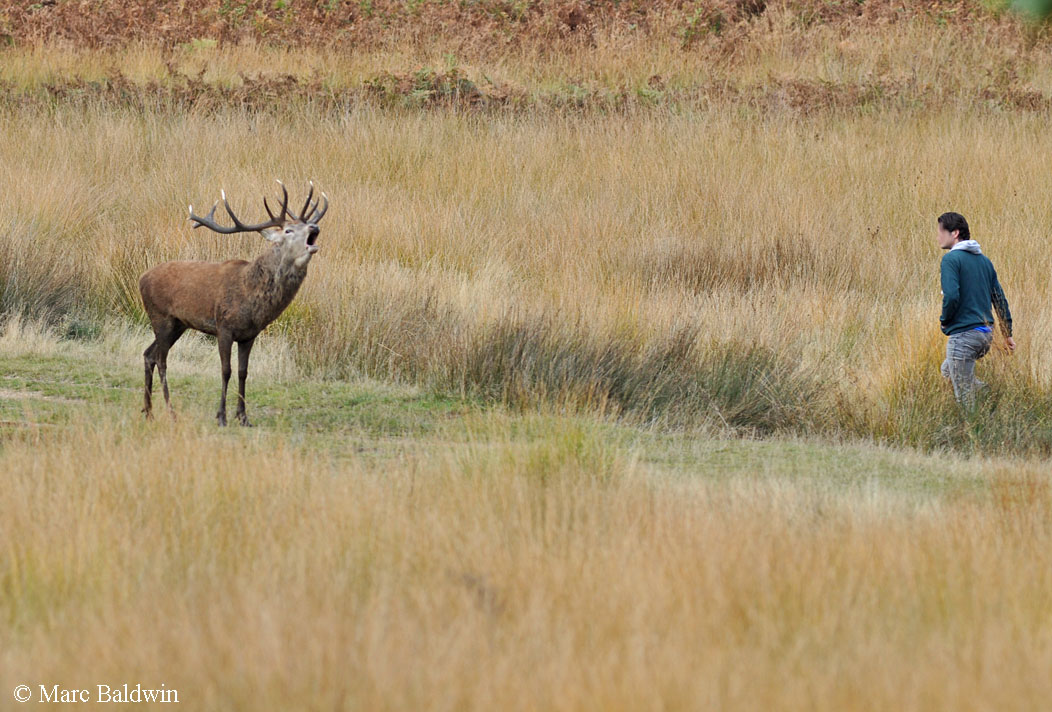
Because their peak breeding times do not match, direct competition for mates is rare. However, during late summer and early fall, both species may use overlapping areas for feeding and resting. Male elk (bulls) can be more aggressive during the rut, sometimes driving deer away from open fields.
Disease Transmission Between Deer And Elk
When animals live close together, diseases can spread more easily. Both deer and elk can carry chronic wasting disease (CWD), a serious brain disease. CWD spreads through saliva, urine, and feces, and it can affect both species.
Elk and deer do not usually groom each other or interact closely, so direct disease transfer is rare. The main risk comes from sharing contaminated food or water sources. This is why wildlife managers monitor mixed herds and sometimes take action to reduce overlap in areas with disease outbreaks.
Ecological Impacts Of Their Interaction
The way deer and elk interact affects the whole ecosystem.
- Plant Life: Heavy browsing by both can reduce young tree and shrub growth, changing the forest structure.
- Other Animals: When elk push deer into less safe areas, it may increase predation by wolves or coyotes.
- Human Interests: Over-browsing can damage crops, gardens, and even cause vehicle accidents.
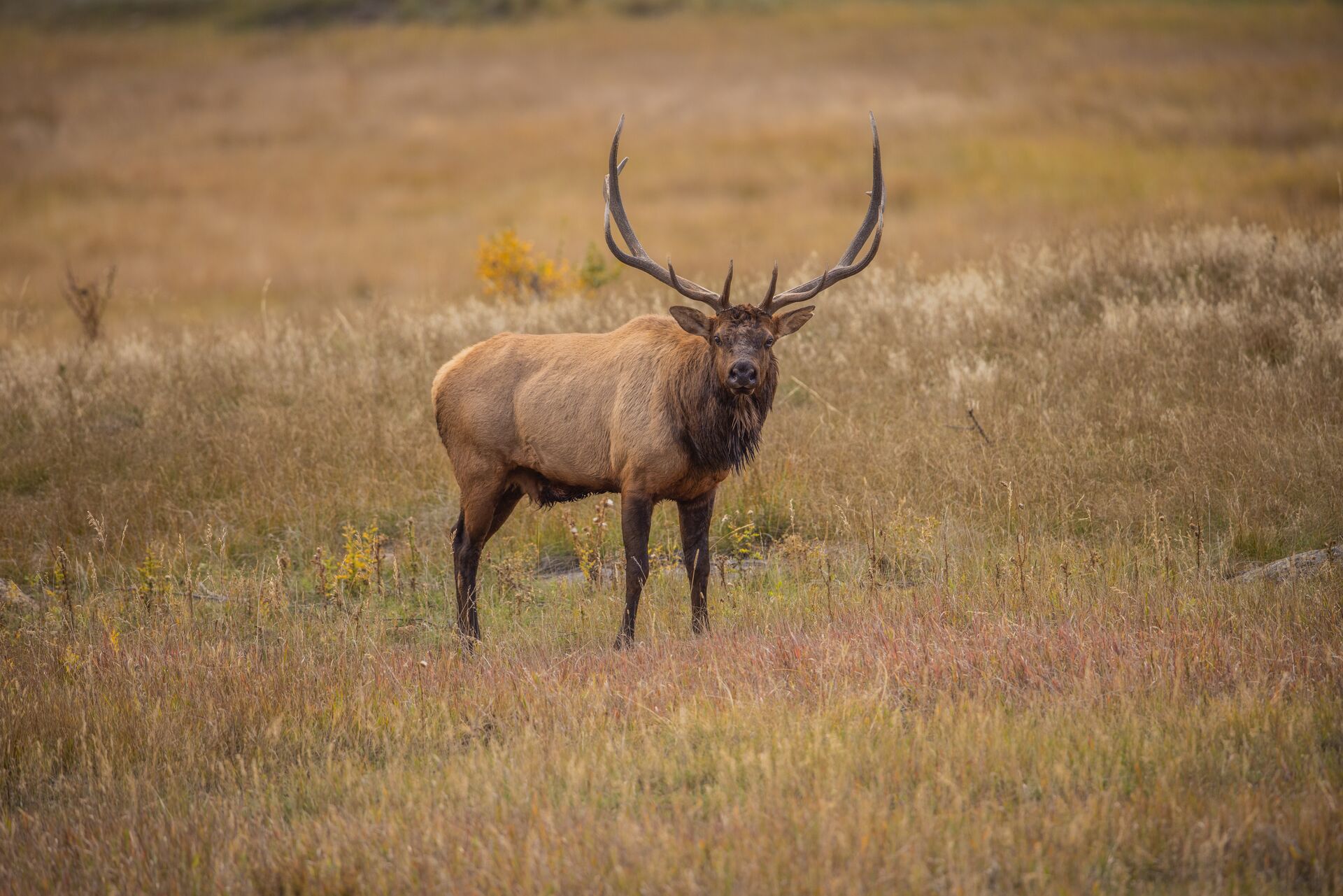
Interestingly, research shows that moderate numbers of both species can actually help keep ecosystems balanced by eating different plants and preventing any one type from taking over.
Not-so-obvious Insights
- Indirect Competition: Even when you do not see deer and elk fighting, their actions affect each other. For example, if elk eat most of the grass, deer may have to travel further to find food, which increases their stress and lowers their survival.
- Habitat Change: Human activity, like logging or farming, can push deer and elk into the same small areas. This forced overlap can increase competition and disease risk much more than in wild, undisturbed places.
- Predator Influence: Where predators (like wolves) are present, deer and elk may avoid each other more to lower their risk of attack, showing that predators shape their interactions, not just competition for food.
Frequently Asked Questions
What Is The Main Difference Between Deer And Elk?
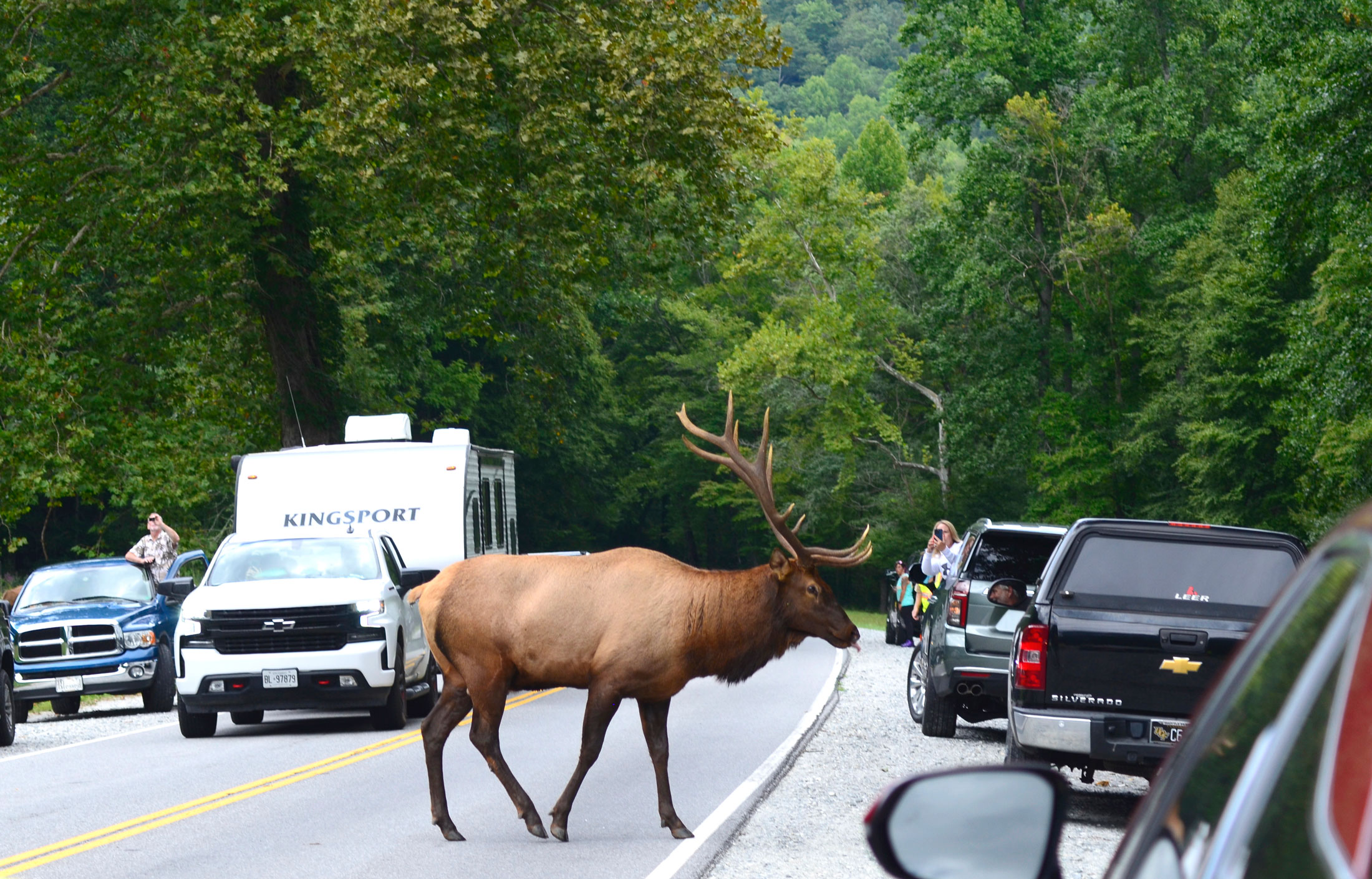
Elk are much larger, with adult males weighing up to 700 pounds, while most deer species rarely exceed 300 pounds. Elk also form large herds and have loud bugling calls, while deer are quieter and live in small groups.
Can Deer And Elk Mate And Produce Offspring?
No, deer and elk are different species and cannot produce hybrid offspring naturally. Their breeding seasons and mating behaviors are also different.
Do Deer And Elk Fight Over Food?
Sometimes, especially in winter or when food is scarce. Elk, being bigger, usually win these conflicts and can push deer away from the best feeding areas.
Are There Places Where Deer And Elk Never Meet?
Yes. Some forests, especially deep woods or lowland areas, are only home to deer. Elk prefer open land and higher elevations. Human development can also separate their populations.
How Do Researchers Study Interactions Between Deer And Elk?
Scientists use tracking collars, camera traps, and field observations to watch how these animals move and behave. They also analyze plants and soil to see how browsing affects the ecosystem. Learn more from the National Park Service.
Deer and elk shape the landscapes they share and influence each other’s survival every day. By understanding their interactions, we can make better decisions for wildlife, land management, and our own experiences in nature. Whether you are a hiker, hunter, or simply enjoy watching wildlife, knowing how these animals relate can deepen your appreciation for the wild world around you.