Can Deer Carry Chronic Wasting Disease?
The health of wild animal populations often raises concerns about diseases that can affect both wildlife and ecosystems. Chronic Wasting Disease (CWD) is one such illness that has drawn attention in recent years. Many people wonder if deer can carry this disease, how it spreads, and what the risks are. Understanding the science behind CWD is vital for hunters, wildlife managers, and anyone interested in animal health.
What Is Chronic Wasting Disease?
Chronic Wasting Disease is a contagious, fatal brain disorder that affects members of the deer family (cervids). It belongs to a group of diseases called prion diseases, which also includes mad cow disease in cattle and Creutzfeldt-Jakob disease in humans. The cause of CWD is an abnormal protein called a prion. These prions build up in the animal’s brain and spinal cord, eventually leading to death.
CWD was first identified in captive mule deer in Colorado in the late 1960s. Since then, it has spread to wild and farmed deer, elk, moose, and reindeer in North America, South Korea, and parts of Europe.
Can Deer Carry Chronic Wasting Disease?
The answer is yes—deer can carry CWD. In fact, they are one of the main species affected by this disease. The most common carriers are:
- White-tailed deer
- Mule deer
- Elk
- Moose
- Reindeer
Deer can be infected with CWD and not show symptoms for months or even years. During this period, they can spread the disease to other animals, making early detection difficult.
How Do Deer Get And Spread Cwd?
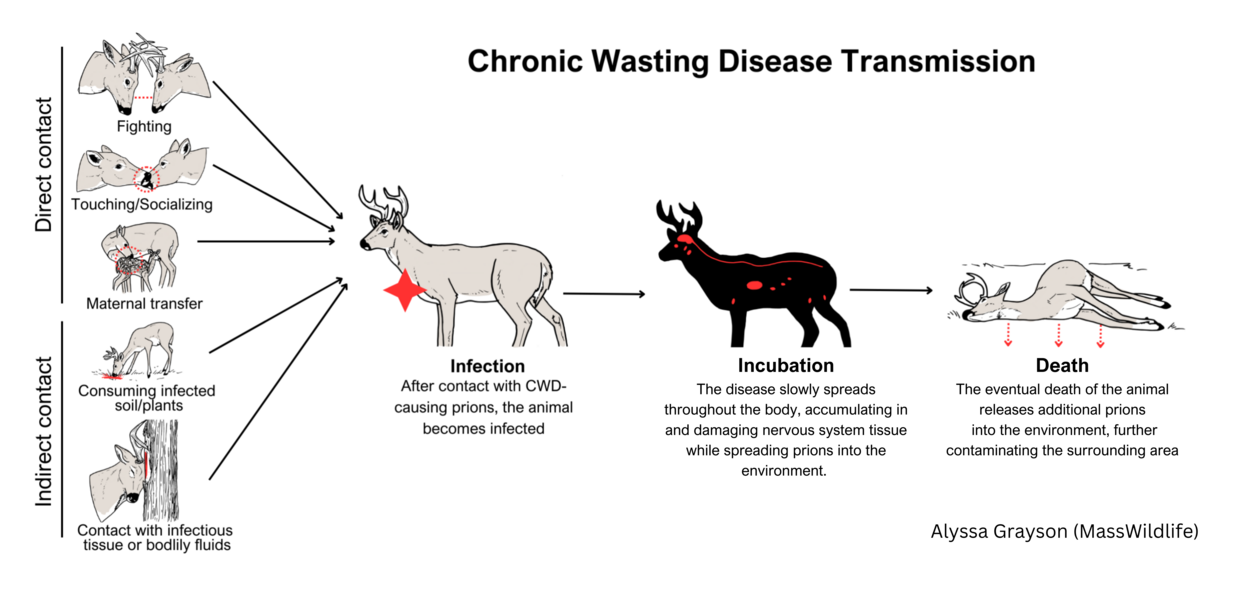
Deer become infected with CWD through contact with prions in the environment or from other infected animals. The main ways deer get and spread CWD include:
- Direct contact: Deer can spread prions through saliva, urine, feces, blood, or even afterbirth. Close contact in herds makes transmission more likely.
- Contaminated environments: Prions can remain in soil, plants, and water for many years. Deer feeding or drinking in contaminated areas can pick up the disease.
- Human activity: Moving live deer, transporting carcasses, or using contaminated hunting equipment can help spread CWD to new areas.
Here’s a quick comparison of how CWD spreads compared to another well-known disease, Bovine Tuberculosis:
| Disease | Main Hosts | Spread Method | Environmental Survival |
|---|---|---|---|
| Chronic Wasting Disease | Deer, elk, moose, reindeer | Prions in body fluids & environment | Years |
| Bovine Tuberculosis | Cattle, deer | Bacteria in aerosols, close contact | Weeks to months |
What Happens To Deer With Cwd?
CWD affects the central nervous system. After infection, prions slowly destroy brain tissue, leading to weight loss, behavior changes, and eventually death. The disease is always fatal.
Signs of CWD in deer include:
- Extreme thinness (wasting)
- Drooling or excessive salivation
- Stumbling or poor coordination
- Listlessness
- Lack of fear of humans
However, many infected deer show no symptoms for a long time. This makes controlling the disease much more difficult.
Where Has Cwd Been Found?
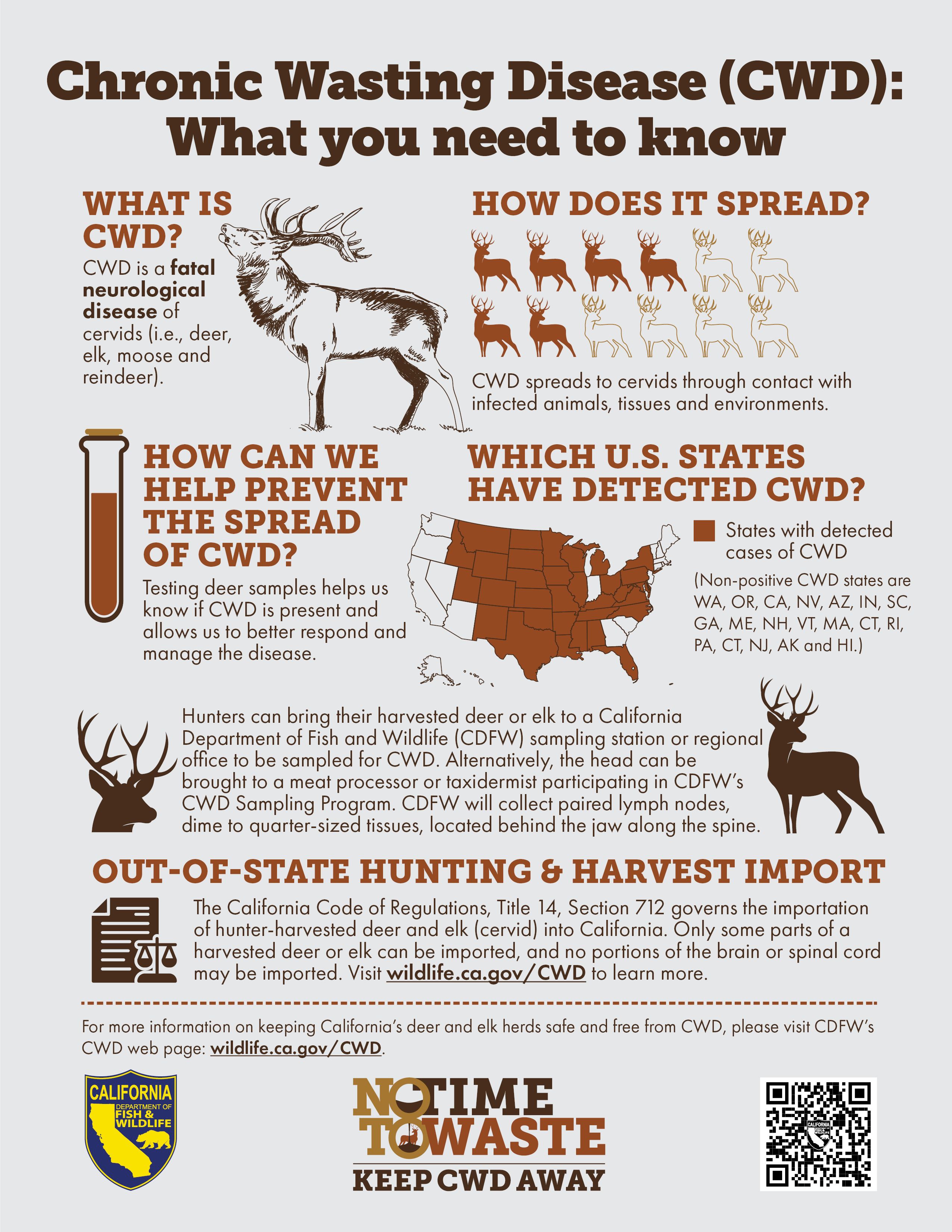
CWD is now present in at least 31 U.S. states and 4 Canadian provinces. It has also been detected in South Korea, Norway, Sweden, and Finland. The disease is most common in North America.
This table shows the spread of CWD over time:
| Year | Number of U.S. States Affected | Notable New Regions |
|---|---|---|
| 2000 | 5 | Colorado, Wyoming, Nebraska |
| 2010 | 15 | Wisconsin, New York |
| 2024 | 31 | Tennessee, North Carolina |
How Is Cwd Detected In Deer?
Testing for CWD requires examination of brain or lymph tissue. Most states test wild deer after hunting season or when sick animals are found. Lab tests can confirm the presence of prions.
There are no simple field tests for live animals. Hunters are often encouraged to submit samples from harvested deer for testing.
Risks To Other Animals And Humans
CWD mostly affects cervids (deer family). There is no strong evidence CWD can infect humans, but scientists are still studying the risk. The prions are very tough—they are not destroyed by cooking or freezing.
Hunters are advised not to eat meat from animals that look sick or test positive for CWD. Pet food manufacturers also avoid using parts from infected animals.
Here’s a brief comparison of CWD with mad cow disease regarding human risk:
| Disease | Species Affected | Human Infection Risk |
|---|---|---|
| Chronic Wasting Disease | Deer, elk, moose, reindeer | No confirmed cases |
| Mad Cow Disease | Cattle | Yes (variant CJD in humans) |
Managing And Preventing Cwd In Deer
Controlling CWD is a major challenge because prions persist in the environment. Some steps taken by wildlife agencies include:
- Banning deer feeding and baiting in affected areas to reduce close contact
- Testing wild and captive deer populations regularly
- Restricting movement of live deer and certain carcass parts
- Educating hunters about safe handling and disposal of carcasses
One insight beginners often miss is that once CWD enters an area, it is almost impossible to remove. Prions stay in the soil for years and can infect new generations of deer.
Another point is that not all sick deer have CWD—they may suffer from other illnesses. Testing is the only way to know for sure.
For more details, you can visit the official CDC CWD Information Page.

Frequently Asked Questions
What Animals Can Carry Chronic Wasting Disease?
CWD mainly affects deer, elk, moose, and reindeer. It does not naturally infect cattle, sheep, or pets like dogs and cats.
Can Humans Get Chronic Wasting Disease From Deer?
There are no confirmed cases of humans getting CWD. Experts recommend caution, but the risk is considered very low.
How Long Can Cwd Prions Survive In The Environment?
Prions can survive for years in soil and on plants. This makes it very hard to clean up contaminated areas.
How Is Cwd Different From Other Deer Diseases?
CWD is a prion disease, not caused by bacteria or viruses. It is always fatal and spreads both directly and through the environment.
What Should Hunters Do If They Harvest A Deer In A Cwd Zone?
Hunters should follow local regulations for testing and disposal. Do not eat meat from deer that appear sick or test positive for CWD.
Understanding CWD is key for protecting both wildlife and people. Being informed and following safe practices can help slow the spread of this serious disease.