Deer and elk are both famous animals in the wild, but many people mix them up. At first glance, they can look similar. Both have antlers, live in forests, and eat plants. Still, there are many key differences that set them apart. If you want to recognize them in nature, understand their behavior, or just satisfy your curiosity, it’s important to know what makes each animal unique. This guide will help you spot the most important differences between deer and elk, from their size to their sounds.
Physical Differences
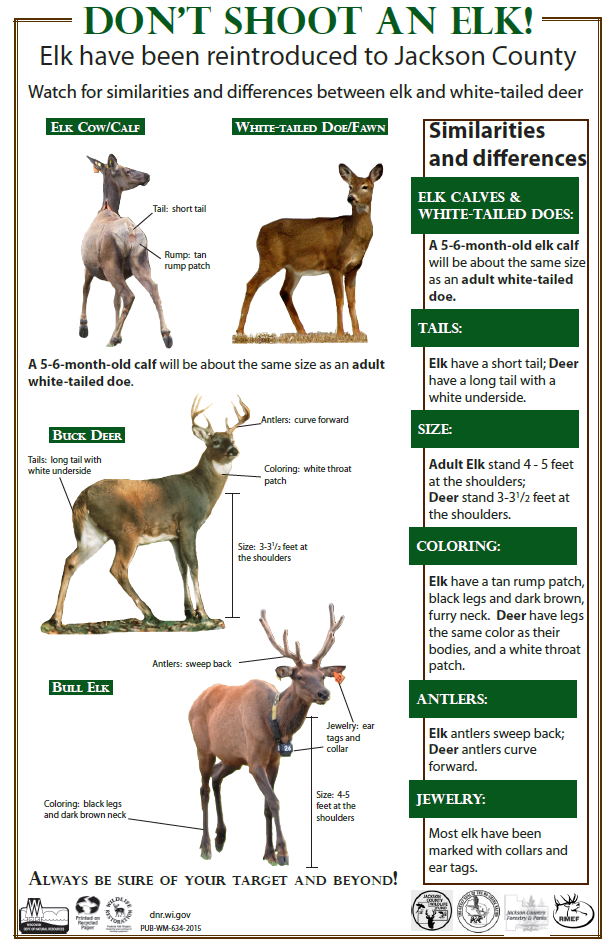
Most people first notice differences in size. Elk are much larger than most types of deer. The typical adult elk stands about 4.5 to 5 feet (1.4–1.5 meters) tall at the shoulder and can weigh between 500 to 900 pounds (225–410 kg). In contrast, white-tailed deer, one of the most common types of deer in North America, stand around 3 to 3.5 feet (0.9–1.1 meters) at the shoulder and weigh from 100 to 300 pounds (45–135 kg).
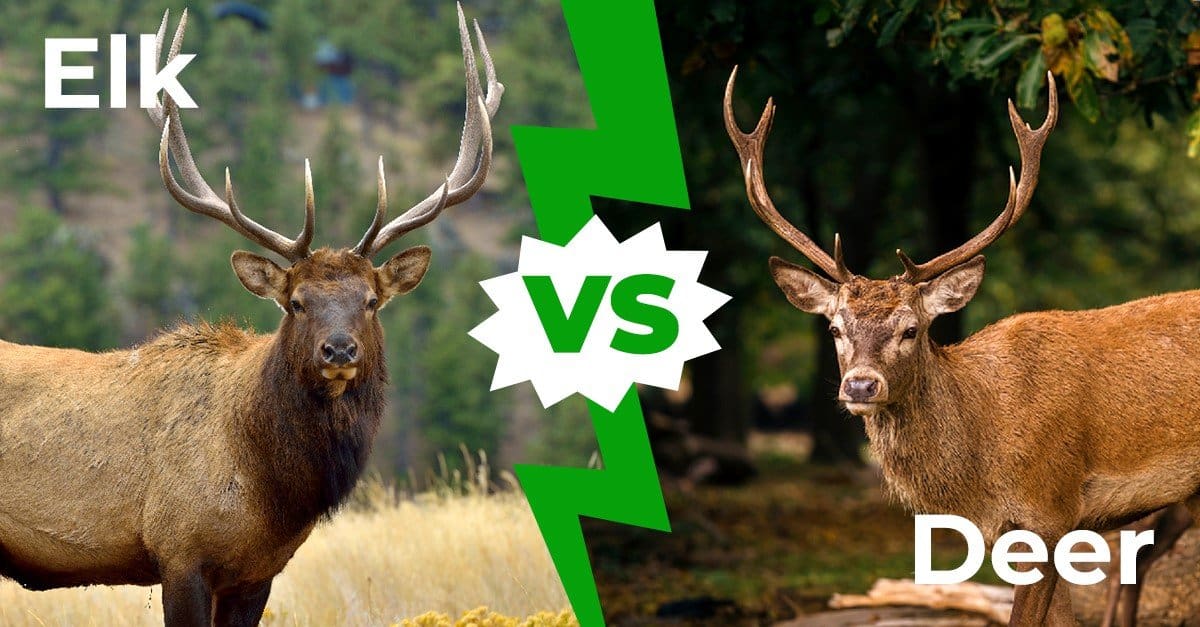
Another big clue is their color. Elk usually have a light brown body with a darker neck and head, plus a pale rump patch. Deer, especially white-tailed deer, have a reddish-brown coat in summer and a grayish-brown coat in winter. Their tails are fluffy and white underneath.
The antlers are also different. Elk antlers are long, sweeping, and can reach up to 4 feet (1.2 meters) in length, with several points branching off a main beam. Deer antlers are smaller, usually less than 3 feet (0.9 meters) long, and tend to curve forward rather than sweep back.
Here’s a quick comparison:
| Feature | Deer | Elk |
|---|---|---|
| Adult Weight | 100-300 lbs (45-135 kg) | 500-900 lbs (225-410 kg) |
| Shoulder Height | 3-3.5 ft (0.9-1.1 m) | 4.5-5 ft (1.4-1.5 m) |
| Antler Length | Up to 3 ft (0.9 m) | Up to 4 ft (1.2 m) |
| Coat Color | Reddish/grayish brown | Light brown with pale rump |
Habitat And Range
Deer and elk often live in different places. Deer are found in a wide range of habitats—forests, fields, swamps, even close to cities. In North America, white-tailed deer are especially common in the eastern and central U.S. Elk, on the other hand, prefer larger wild areas. They live in forests, grasslands, and mountain meadows, especially in the western United States and parts of Canada.
Globally, the term “deer” covers many species, from small roe deer in Europe to large red deer. Elk are mostly found in North America and eastern Asia, where they are called “wapiti.”
Elk need more space because of their size and diet. They often migrate long distances between summer and winter habitats, while deer usually stay in a smaller home range.
Behavior And Social Structure
Elk and deer act differently, especially in groups. Elk are very social and often gather in large herds, sometimes with dozens or even hundreds of animals. During mating season, called the “rut,” males compete for groups of females, known as harems.
Deer are usually more solitary or stay in small family groups. A mother and her fawns may stay together, but big herds are rare. During the rut, male deer compete for females, but the groups are smaller.
Another key difference is their sounds. Elk make a loud, high-pitched call called a “bugle” during the rut. It can be heard for miles and is used to attract females and challenge other males. Deer are quieter. Males may grunt or snort, but their calls are softer and don’t carry as far.
Diet And Feeding Habits
Both deer and elk are herbivores, but they eat slightly different things. Deer are “browsers.” This means they prefer leaves, twigs, fruits, and nuts from shrubs and trees. They pick the most nutritious and easy-to-digest plants.
Elk are “grazers” and “browsers.” They eat grass, but also leaves, bark, and shrubs. Because they are bigger, they need to eat more, sometimes up to 20 pounds (9 kg) of food per day. In winter, elk can use their hooves to dig through snow to reach grass.
Here’s a look at their diets:
| Food Type | Deer | Elk |
|---|---|---|
| Grass | Occasionally | Frequently |
| Leaves/Twigs | Main diet | Often |
| Bark | Rarely | Sometimes |
| Fruits/Nuts | Often | Sometimes |

Life Cycle And Reproduction
Both species breed in the fall, but their strategies differ. Elk bulls gather and defend a harem of females. They fight other bulls and use their bugle to show dominance. Deer bucks (males) also compete, but usually for single females at a time.
Gestation in both is around 6.5 to 8 months. Deer usually have 1-2 fawns. Elk cows (females) mostly have one calf per year. Fawns and calves are both born with spots, which help them hide from predators, but elk calves lose their spots faster.
Antler Growth And Shedding
Both deer and elk grow new antlers every year. Antlers are made of bone and are covered with soft velvet while growing. By late summer, the velvet dries and the animal rubs it off.
Elk antlers grow larger and heavier each year, peaking when the animal is fully mature. Deer antlers are smaller, but some species can still have impressive racks. After the mating season, both species shed their antlers and start growing new ones for the next year.
A useful insight: Antler size can indicate the animal’s age and health. A large, symmetrical rack often means a healthy, mature male.
Unique Facts Beginners Miss
- Scent glands: Deer have special scent glands on their legs and head, used to mark territory. Elk also have glands, but their scent marking is less obvious.
- Swimming skills: Both elk and deer are strong swimmers. Elk, because of their size, can cross wider rivers and lakes than most deer.
Conservation Status And Human Interaction
Deer are very adaptable and are found near human settlements. In some areas, their numbers are so high that they cause problems for gardens and farms. Elk were once hunted almost to extinction in parts of the U. S. , but strong conservation efforts have helped their numbers grow.
Today, both animals are managed by wildlife agencies. Hunting is often allowed to keep populations healthy and balanced. You can learn more about their status and management at the National Park Service.
Frequently Asked Questions
What Is The Main Difference Between Deer And Elk?
The biggest difference is size. Elk are much larger than most deer. They also have different antler shapes, colors, and behaviors.
Can Deer And Elk Live In The Same Area?
Yes, sometimes their habitats overlap, especially in parts of western North America. However, elk need more space and often live in higher, more open areas.
Do Elk And Deer Eat The Same Food?
They eat some of the same plants, but elk eat more grass while deer prefer leaves and twigs. Elk need to eat more because they are bigger.
Are Elk And Deer Related?
Yes, they are both members of the Cervidae (deer) family. But they are different species and cannot breed together.
How Can You Tell Elk And Deer Apart In The Wild?
Look for size, antler shape, and coat color. Elk are bigger, have long sweeping antlers, and a pale rump. Deer are smaller with shorter, forward-curving antlers.
Spotting the difference between deer and elk gets easier with practice. Pay attention to size, antlers, and behavior, and you’ll soon become an expert at telling them apart in any wild landscape.