What Is The Difference Between Ccd And Cmos Fpv Cameras?
If you fly drones or enjoy FPV (First Person View) racing, you know the camera is one of the most important parts. It’s your “eye” in the sky. Choosing the right FPV camera can change your whole experience—better image quality, smoother video, and even faster response. Two main types of sensors power these cameras: CCD and CMOS. Each has unique strengths and weaknesses. But what really makes them different? And which is best for your needs?
Let’s break down the facts, compare real-world performance, and help you decide which FPV camera is right for you.
What Is An Fpv Camera?
An FPV camera is a small video camera mounted on a drone, RC car, or other remote-controlled vehicle. It sends live video to your goggles or screen, letting you see from the vehicle’s point of view. FPV cameras are built for low-latency (fast video transfer) and work best in changing light conditions.
Most FPV cameras use either CCD or CMOS sensors to capture images. These sensors are the heart of the camera, turning light into electrical signals. The sensor type affects everything from image quality to power usage.
Ccd Vs Cmos: The Sensor Technology Explained
To understand the difference, you first need to know how each sensor works.
Ccd (charge-coupled Device)
A CCD sensor captures light and converts it into electrical charge. The charge is then transferred across the sensor and read out one pixel at a time. CCD sensors use a unique process to move the charge, which keeps the signal strong and clean. This results in low noise and high image quality, especially in difficult lighting.
Key Points:
- Global shutter: Captures the whole frame at once
- Low noise: Clean images, even in low light
- Higher power usage: Needs more energy to transfer charge
Cmos (complementary Metal-oxide Semiconductor)
A CMOS sensor captures light and converts it directly to voltage at each pixel. Every pixel has its own circuit, so the sensor reads out the image faster and uses less power. CMOS sensors are cheaper to make and allow for smaller, lighter cameras.
Key Points:
- Rolling shutter: Captures the frame line by line
- Lower power usage: More efficient, better for small drones
- Higher noise: Can be less clean in low light
Main Differences Between Ccd And Cmos Fpv Cameras
Let’s get practical. Here are the real differences that matter when flying FPV.
| Feature | CCD Cameras | CMOS Cameras |
|---|---|---|
| Shutter Type | Global | Rolling |
| Image Quality | High, less distortion | Varies, more distortion |
| Low Light Performance | Better | Often weaker |
| Power Consumption | Higher | Lower |
| Price | Higher | Lower |
| Size | Usually larger | Smaller, lighter |
| Durability | Very durable | Usually durable |
Shutter Differences: Global Vs Rolling
CCD cameras use a global shutter, meaning every pixel is captured at the same time. This prevents “jello effect”—wobbly images caused by vibration or fast movement.
CMOS cameras use a rolling shutter, capturing the frame line by line. If your drone shakes or moves quickly, you might see weird distortion. This is less noticeable in modern CMOS sensors, but still an issue for racers.
Image Quality
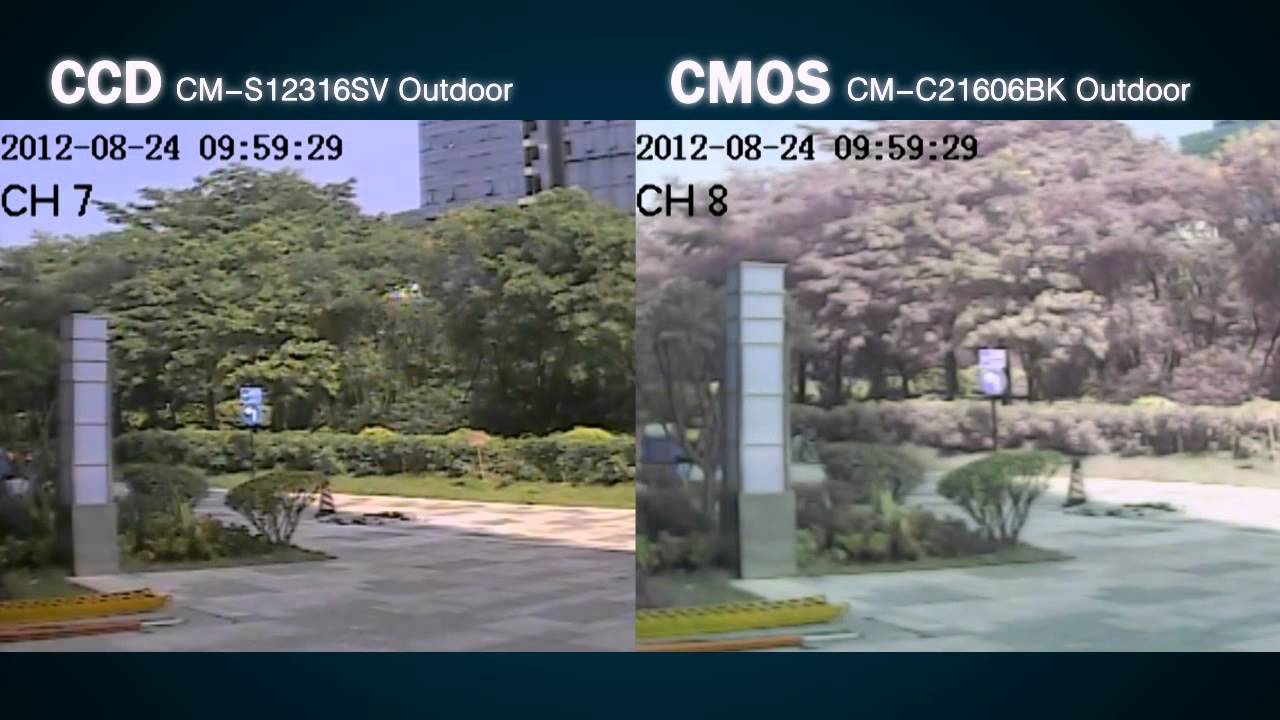
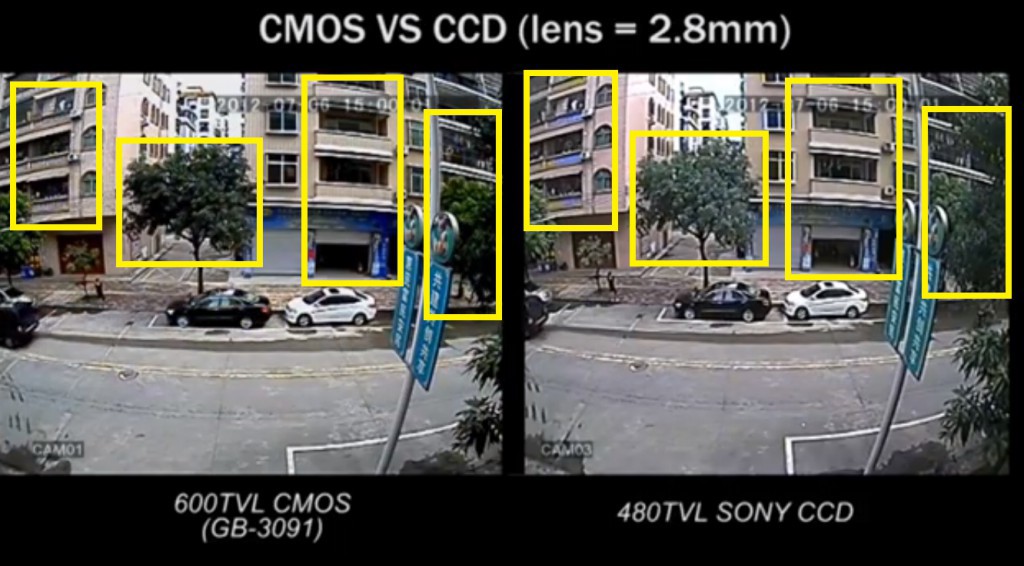
CCD cameras produce sharper, cleaner images. They handle bright and dark areas in the same frame well, so you see more detail. CMOS cameras range from average to excellent, depending on the model. High-end CMOS sensors now rival CCD for image quality, but low-cost CMOS cameras often show more noise and less clarity.
Low Light Performance
CCD sensors perform better in low light. This is important if you fly at dusk or in shady areas. CMOS cameras can struggle, showing grainy or washed-out images. However, some advanced CMOS FPV cameras now offer improved night performance.
Power Consumption
CMOS cameras use less power. For small drones with limited battery, this is a big advantage. CCD cameras drain batteries faster, so they’re better suited for larger drones or vehicles.
Price And Size
CCD cameras cost more and are usually bigger. CMOS cameras are cheaper, smaller, and lighter. This matters if you need to keep your drone weight low or want to save money.
Real-world Fpv Use: Which Sensor Wins?
Both CCD and CMOS FPV cameras have loyal fans. Let’s see how they compare in the field.
Fpv Racing
FPV racing needs fast response and clear video. Vibrations and sudden moves are common. CCD cameras used to be the top choice because their global shutter stopped image distortion. But now, many racers use high-end CMOS cameras with improved rolling shutter and low latency.
Tip: If you race, test both types. Some CMOS cameras now match CCD for speed and clarity, but you may still prefer CCD if your drone vibrates a lot.
Freestyle Flying
Freestyle pilots want vivid colors, sharp images, and smooth video. CMOS cameras are popular here because they’re light and offer good dynamic range. The latest CMOS sensors handle changing light well—switching from sun to shade without losing detail.
Tip: For freestyle, a high-quality CMOS camera can give stunning video with less weight.
Cinematic Fpv
Cinematic FPV is all about beauty. Flying through forests, sunsets, or cityscapes, you need great color and low light performance. CCD cameras still shine here, but top CMOS cameras have caught up.
Tip: If you film in low light, consider CCD. Otherwise, modern CMOS cameras are a strong choice.
Budget And Beginner Drones
If you’re new to FPV or on a tight budget, CMOS cameras make sense. They are affordable, easy to find, and often good enough for casual flying.
Tip: Beginners won’t notice much difference unless flying in tricky light or racing hard.
Technical Comparison: Ccd Vs Cmos Sensors
Let’s look deeper at how each sensor works and why it matters.
| Sensor Feature | CCD | CMOS |
|---|---|---|
| Signal Processing | Charge transfer, one pixel at a time | Voltage conversion, parallel readout |
| Noise Level | Lower | Higher (depends on design) |
| Manufacturing Cost | Higher | Lower |
| Customization | Less flexible | Highly customizable |
| Frame Rate | Good, but limited by charge transfer | Very high, fast readout |
Non-obvious Insight: Sensor Aging
CCD sensors age slower than CMOS sensors. Over time, CMOS sensors may develop more noise or dead pixels, especially in low-cost models. For long-term reliability, CCD can be a better investment.
Non-obvious Insight: Interference Handling
CCD cameras are less affected by electrical interference. If your drone has strong motors or lots of electronics, CCD sensors often produce cleaner video without flickering.
Evolution And Trends: Why Cmos Is Becoming Popular
Years ago, CCD was the clear winner for FPV. But technology moves fast. CMOS sensors have improved in almost every way. Today, most new FPV cameras use CMOS sensors because they are:
- Cheaper to manufacture
- Smaller and lighter
- Better at high frame rates
- Easier to customize for special features
Some CMOS cameras now include advanced image processing, like WDR (Wide Dynamic Range), which helps with bright sunlight and shadows. CMOS sensors are also easier to integrate with digital FPV systems, which are becoming more common.
Ccd Cameras: When Are They Still Best?
Despite the trend, CCD cameras are still valued for:
- Super clean images in tough lighting
- Reliable global shutter for racing
- Long-term durability
If you demand perfect video or often fly in difficult conditions, CCD is still a strong choice.
Cmos Cameras: The Modern Standard
Most FPV pilots now use CMOS cameras. They are:
- Affordable
- Lightweight
- Feature-rich
Some CMOS models, like the RunCam Phoenix or Foxeer Predator, offer near-CCD performance. For most pilots, especially beginners and freestyle fliers, CMOS is the practical option.
Common Misconceptions About Ccd And Cmos Fpv Cameras
Many pilots believe certain myths. Let’s clear them up.
- CCD is always better than CMOS.
- Not true. Modern CMOS cameras can match or beat CCD in many areas.
- CMOS cameras always have jello effect.
- Only low-end or poorly mounted CMOS cameras show distortion. High-end CMOS models are much improved.
- CCD cameras are outdated.
- False. Some top pilots still use CCD for racing and cinematic flying.
- CMOS is only for beginners.
- Many pros use CMOS cameras because of their features and performance.
Choosing The Right Fpv Camera
Picking the right camera depends on your needs. Ask yourself:
- What is my flying style? Racing, freestyle, cinematic, or casual?
- Do I fly in low light? If yes, CCD or high-end CMOS is better.
- Is weight important? For small drones, CMOS is usually best.
- What is my budget? CMOS cameras cover all price ranges.
Key Factors To Consider
- Image Quality: Look for high resolution and good color.
- Latency: Lower is better for racing.
- Durability: Will the camera survive crashes?
- Lens Options: Some cameras let you swap lenses for different views.
- Mounting: Make sure the camera fits your drone or vehicle.
Common Buyer Mistakes
- Ignoring mounting size: Not all cameras fit every drone. Check dimensions.
- Buying cheap, untested cameras: Low-cost models may have poor image quality or high latency.
- Overlooking lens angle: Wide-angle lenses are better for FPV, but too wide can distort the image.
- Not checking voltage compatibility: Some cameras need specific power supplies.
Practical Tips For Fpv Camera Setup
- Mount your camera firmly. Loose mounts cause jello effect, especially with CMOS cameras.
- Use vibration dampening. Soft mounts or foam pads help, especially for racing drones.
- Adjust camera settings. Many cameras let you tweak brightness, contrast, and color.
- Test before flying. Check video quality, latency, and field of view.
- Keep the lens clean. Dirt or fingerprints can blur your image.
Popular Fpv Camera Models
Here are some examples of each type:
- CCD Cameras: RunCam Swift, Foxeer HS1177
- CMOS Cameras: RunCam Phoenix, Foxeer Predator, Caddx Turbo
Most new FPV cameras are CMOS, but you can still find CCD models for special needs.
Fpv Camera Specifications: What Matters Most?
When shopping, focus on these specs:
| Specification | CCD | CMOS |
|---|---|---|
| Resolution | Typically 600TVL–1000TVL | Up to 1200TVL or more |
| Field of View | Wide, often adjustable | Wide, easily adjustable |
| Latency | Very low | Very low (modern models) |
| Voltage Range | Wide, 5–36V | Wide, 5–36V |
| Size | Standard, larger | Micro, mini, standard |
Future Of Fpv Cameras
As technology advances, CMOS sensors are getting even better. Features like HDR (High Dynamic Range), digital FPV, and low-light optimization are becoming standard. CCD cameras may become rare, but they still have a place for professionals who want the cleanest video.
Digital FPV systems, like DJI FPV, use CMOS sensors and offer stunning quality—sometimes even better than analog CCD cameras. The gap is closing, and soon, sensor type may not matter as much as software and processing.
When To Upgrade Your Fpv Camera
If you notice:
- Blurry or noisy images
- High latency
- Poor performance in sunlight or shade
- Heavy camera affecting flight
It may be time to upgrade. Modern CMOS cameras are affordable and offer strong performance. If you want to try racing or cinematic flying, consider a CCD camera for the best image quality.
Where To Learn More
To dive deeper into sensor technology and FPV camera choices, visit Wikipedia’s Image Sensor page. It has technical details and history for both CCD and CMOS sensors.
Frequently Asked Questions
What Is The Jello Effect In Fpv Cameras?
The jello effect is a wobbly, distorted image seen during fast movement or vibration. It happens mostly with CMOS cameras using rolling shutter. Proper mounting and vibration dampening help reduce it.
Do Ccd Cameras Have Lower Latency Than Cmos?
Both CCD and modern CMOS cameras offer low latency, but CCD has a slight edge due to global shutter. For most pilots, latency is not noticeable unless racing at high speeds.
Which Is Better For Night Flying: Ccd Or Cmos?
CCD cameras usually perform better in low light or at night, showing clearer images. Some advanced CMOS models also handle night flying well, but CCD is still preferred for dark conditions.
Can I Use A Cmos Camera For Racing?
Yes, many racers use CMOS cameras now. Choose a high-end model with low latency and good image quality. Test for jello effect and adjust your mounting if needed.
Are Ccd Cameras Being Phased Out?
CCD cameras are becoming less common because CMOS cameras are cheaper and lighter. However, CCD is still used in some professional and specialty FPV setups, especially where image quality is critical.
FPV camera technology is changing fast. Both CCD and CMOS sensors have strong points, but CMOS is now the standard for most pilots. The best camera is the one that fits your flying style, budget, and needs. Choose wisely, and you’ll see the sky from a whole new angle.