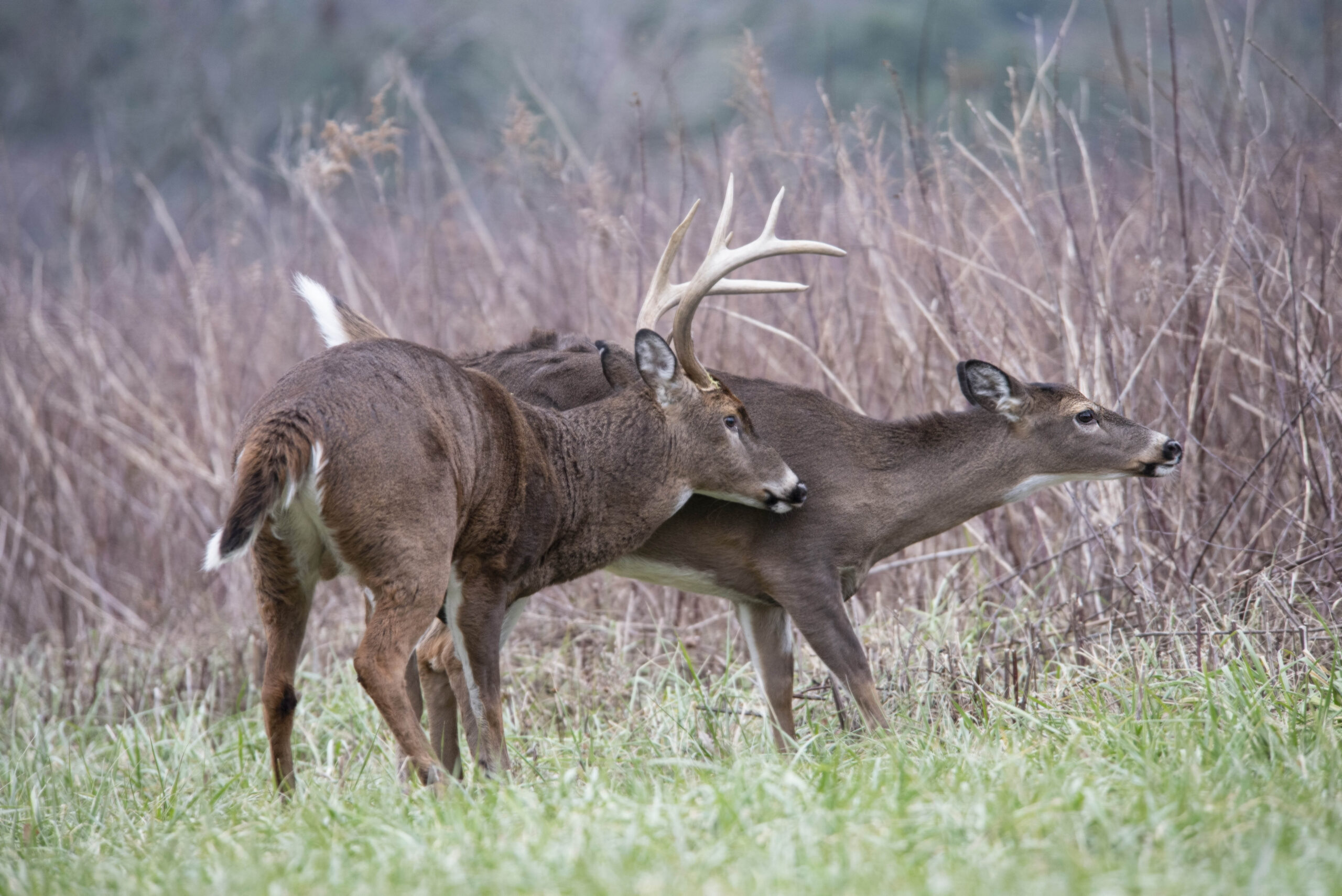
Deer are among the most fascinating animals when it comes to their mating behavior. Every year, millions of people see deer in parks or forests, but few truly understand what happens during the mating season, also called the rut. The way deer find, attract, and compete for mates is a mix of instinct, competition, and strategy. Whether you are a wildlife enthusiast, a student, or someone curious about nature, learning about deer mating behavior gives a unique window into animal life and survival.
What Triggers Deer Mating Behavior?
The start of deer mating season is not random. It is closely connected to day length and changes in the environment. As autumn approaches and days get shorter, a hormone called melatonin increases in deer. This triggers changes in both male and female bodies, preparing them for breeding. For most deer species, the rut takes place between late September and early December.
Different species have slightly different timing. For example, white-tailed deer in North America usually breed in November, while red deer in Europe start a little earlier. The timing ensures that fawns are born in spring, when food is abundant.
Male Deer: Competition And Display
During the rut, male deer (bucks or stags) undergo big changes in behavior. They become less cautious, more active, and often aggressive. This is because they are competing for access to females.
Antler Battles
Male deer grow antlers each year, which are used mainly for fighting other males. When two males want the same female, they may lock antlers and push against each other. These fights can be intense but usually do not cause serious injury. The winner gains the right to mate with nearby females.
Marking Territory
Bucks also use scent to mark their territory. They rub their antlers and foreheads on trees, leaving behind a scent from special glands. This tells other males to stay away and lets females know a strong male is nearby.
Vocalizations
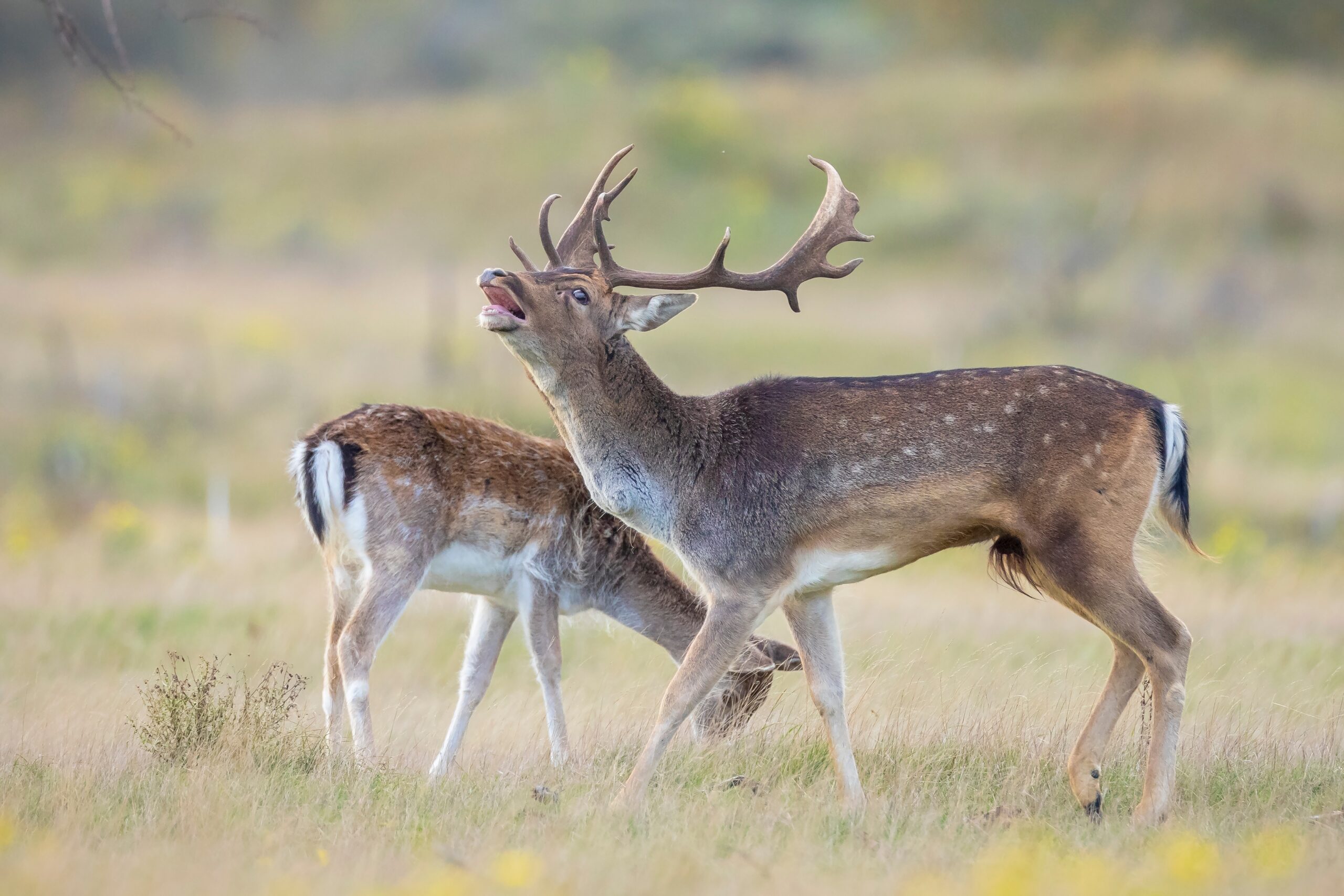
Some species, like red deer and elk, use loud calls or bellows. These sounds serve two purposes: they attract females and warn off rival males. The deeper and louder the call, the more impressive the male seems.
Female Deer: Choosing The Best Mate
Female deer, called does or hinds, play an important role in mating. They are not passive; instead, they use cues to pick the healthiest, strongest males. This is known as mate choice.
- Females often choose males with the largest antlers or deepest calls, which signal good health and strong genes.
- They may watch antler fights and pick the winner.
- In some species, females move toward areas where many males gather, called leks, and choose from a group.
This careful selection helps ensure that their offspring are strong and more likely to survive.
Mating Rituals And Courtship
Deer mating is not just about fighting and chasing. There are also rituals that help the pair bond before breeding.
Chasing
A common part of deer courtship is the chase. A male will follow a female, sometimes for hours or even days. The female tests the male’s stamina and persistence. If he keeps up, she may allow mating.
Tending
In species like white-tailed deer, the male may stay close to one female for a day or more. He will keep other males away and wait until the female is ready to breed.
Flehmen Response
After smelling a female’s scent, a male may lift his upper lip and take a deep breath. This is called the flehmen response, and it helps him detect chemicals that tell if the female is ready to mate.
Mating And Reproduction
Once the female is ready, mating happens quickly. The actual act often lasts less than a minute. A female will usually mate with just one male per season, but in some cases, she may mate with more than one if the first attempt fails.
After mating, the male usually leaves and looks for other females. The female’s body prepares for pregnancy. The gestation period lasts about 6-8 months, depending on the species. Most fawns are born in late spring.
Unique Behaviors And Surprising Insights
While most people expect deer to be shy, during the rut, male deer can act boldly—even in daylight or near humans. Here are a few non-obvious facts:
- Multiple Strategies: Not all males fight for mates. Some use sneaky tactics, staying on the edges and mating with females while dominant males are distracted.
- Silent Communication: Scent marks on trees and the ground are almost invisible to us, but they are a rich information source for deer. These marks can tell age, health, and even readiness to breed.
- Delayed Implantation: In some species, like roe deer, the fertilized egg waits months before starting to develop, allowing fawns to be born at the perfect time.
These insights show that deer mating is more complex than simple fighting and chasing.

Differences Between Deer Species
Different deer species have unique ways of mating. Here’s a quick look at how three common species compare:
| Species | Main Mating Period | Key Behavior |
|---|---|---|
| White-tailed Deer | November | Chasing, tending |
| Red Deer | September-October | Bellowing, harem defense |
| Roe Deer | July-August | Delayed implantation, small territories |
Some deer, like mule deer, use “stotting” (jumping with stiff legs) to show strength during the rut, while others rely more on vocal signals or scent.
The Role Of The Environment
Weather, food supply, and population density all affect deer mating. In areas with mild winters and plenty of food, more females may come into heat, and more fawns are born. In harsh years, fewer females breed, which helps the population survive hard times.
Population density also changes behavior. In areas with many deer, fights are more common, and mating happens faster. Where deer are rare, males may travel long distances to find a mate.
Human Impacts On Deer Mating
Deer have adapted to human changes in their environment. Roads, lights, and habitat loss can confuse deer or make it harder for them to find mates. In some places, hunting during the rut can disrupt natural behaviors.
Wildlife managers sometimes use controlled hunts or habitat changes to keep deer populations healthy. For more on deer management and behavior, see the Wikipedia Deer page.
Data: How Many Fawns Are Born?
The number of young born depends on species and the health of the female.
| Species | Average Fawns per Birth | Gestation Period |
|---|---|---|
| White-tailed Deer | 1-3 | 200 days |
| Red Deer | 1 | 235 days |
| Roe Deer | 1-2 | 290 days (with delay) |
Healthy, older females are more likely to have twins or triplets.
Why Understanding Deer Mating Matters
Knowing about deer mating helps us protect wildlife and manage natural spaces. It also teaches us about evolution, survival, and the challenges animals face. The next time you see a deer, remember that its behavior is shaped by thousands of years of natural selection.
Frequently Asked Questions
How Long Does The Deer Mating Season Last?
The mating season, or rut, usually lasts 4–6 weeks. Timing can change based on species and location.
What Are The Signs Of Rutting Behavior?
Signs include males fighting, chasing females, scent marking, and being more visible during the day.
Why Do Deer Grow Antlers?
Antlers are mainly for fighting other males and showing strength to attract females. They are shed and regrown each year.
Can Female Deer Mate With More Than One Male?
Yes, in some cases, especially if the first mating does not result in pregnancy. This increases the chance of healthy offspring.
Are Deer Dangerous During Mating Season?
Males can be more aggressive and less cautious during the rut. They are not usually dangerous to people, but caution is wise if you see fighting bucks.
Deer mating behavior is a rich and complex subject. By understanding it, we gain deeper respect for these adaptable and impressive animals.