FPV cameras have changed the way people experience flying. Instead of just looking at a drone from the ground, you can now see what the drone sees, almost like you’re sitting inside it. This technology has opened a whole new world for pilots, racers, and content creators.
But what exactly is an FPV camera? Why is it important, and how is it different from other cameras? In this article, you’ll discover everything you need to know about FPV cameras, including how they work, where they’re used, how to choose one, and what sets them apart.
Whether you’re new to drones or looking to upgrade your gear, this guide will help you understand the heart of the FPV experience.
What Is An Fpv Camera?
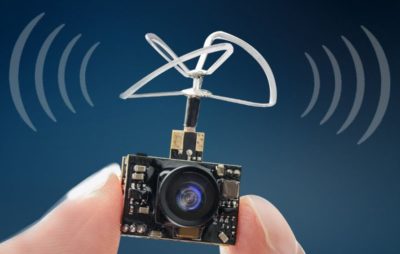
An FPV camera is a small digital or analog camera mounted on a drone, RC plane, car, or other remote-controlled vehicles. The term “FPV” stands for First Person View, which means the camera sends live video directly to the pilot’s goggles, monitor, or smartphone. This gives the operator the feeling of being inside the vehicle, seeing the world from its perspective.
FPV cameras are different from regular cameras because they focus on real-time performance. They prioritize low latency (very little delay), fast image transmission, and clear vision in different lighting conditions. This is critical for racing drones, freestyle flying, and even some professional applications where quick response and accuracy are essential.
How Does An Fpv Camera Work?
An FPV camera captures video and transmits it in real-time. Here’s how the process typically works:
- Capture: The camera records what’s in front of it.
- Transmission: The live signal goes to a video transmitter (VTX), which sends it wirelessly.
- Reception: The signal is picked up by a video receiver (VRX) connected to FPV goggles, a monitor, or a smartphone.
- Display: The pilot sees the live view and controls the vehicle based on this feed.
Most FPV cameras use analog signals for minimal delay, but digital FPV systems are becoming more popular for their higher image quality.
Types Of Fpv Cameras
There are several types of FPV cameras, each with specific advantages. Choosing the right one depends on your flying style, vehicle, and budget.
Analog Fpv Cameras
- Most common in racing drones
- Focus on low latency (very little delay)
- Image quality is usually lower than digital
- Compatible with most standard FPV transmitters and receivers
Digital Fpv Cameras
- Provide much higher image quality (HD or even 4K)
- More expensive and slightly higher latency, though some new systems are very fast
- Require special transmitters, receivers, and goggles
- Used in freestyle drones and cinematic flying
All-in-one Fpv Cameras
- Combine the camera, transmitter, and sometimes the antenna in one unit
- Ideal for small drones and beginners
- Easy to install but with limited range and features
Board And Micro Fpv Cameras
- Board cameras have a larger sensor and are mounted on a PCB (printed circuit board)
- Micro cameras are tiny and lightweight, designed for small drones and tight spaces
Night Vision And Low-light Fpv Cameras
- Special sensors that perform well in dark conditions
- Used for night flying or indoor environments
Key Features Of Fpv Cameras
When looking for an FPV camera, certain features matter more than others. Understanding these will help you choose the best camera for your needs.
Latency
Latency is the delay between when something happens in front of the camera and when you see it in your goggles. Lower latency means faster response, which is crucial for racing or fast maneuvers. Analog cameras often have less than 10ms latency, while some digital systems can get as low as 20ms.
Field Of View (fov)
Field of View is how wide the camera can see. It’s measured in degrees, and most FPV cameras offer between 120° and 170°. A wider FOV helps you see more of your surroundings but may make objects appear farther away.
Resolution
Resolution determines how clear the image is. Analog FPV cameras usually offer 600-1200 TVL (TV lines), while digital systems can reach 720p, 1080p, or even 4K. Higher resolution gives more detail but may increase latency in digital systems.
Sensor Size And Type
FPV cameras use either CMOS or CCD sensors. CMOS is more common due to lower price and better color, but CCD handles light changes and fast movement better.
Lens
Lenses affect the FOV and image sharpness. Common lens sizes are 2. 1mm, 2. 5mm, and 2. 8mm. Smaller numbers mean a wider view.
Wide Dynamic Range (wdr)
WDR helps the camera handle bright and dark areas at the same time. This is helpful when flying from sunlight to shadow, like under trees or through buildings.
Size And Weight
Smaller, lighter cameras are better for racing drones and micro quads. Standard sizes include micro (14mm), mini (19mm), and standard (28mm).
Durability
FPV cameras must survive crashes, vibration, and weather. Tough cases, secure mounting, and water resistance are important for outdoor flying.
Where Are Fpv Cameras Used?
FPV cameras have many uses beyond just drone racing. Here are some of the most common applications:
- FPV Drone Racing: Pilots race through complex courses using the live feed from their camera.
- Freestyle and Cinematic Flying: Capturing stunning aerial shots and creative flight paths.
- RC Cars and Boats: Providing a driver’s view for remote vehicles on land or water.
- Professional Filmmaking: High-end FPV cameras are used for movie stunts and commercials.
- Search and Rescue: Drones with FPV cameras help locate missing people in dangerous areas.
- Agriculture: Farmers use FPV drones to inspect crops and monitor fields.
- Hobby and Fun: Many people fly just for the thrill of seeing the world from above.
Fpv Camera Vs Regular Camera
You may wonder how FPV cameras are different from regular action cameras like a GoPro. Here’s a simple comparison:
| Feature | FPV Camera | Regular Camera |
|---|---|---|
| Purpose | Live video transmission for control | Recording high-quality footage |
| Latency | Very low (essential for control) | Not designed for live control |
| Size/Weight | Small and lightweight | Larger and heavier |
| Mounting | Integrated into vehicle | Mounted for stable recording |
| Image Quality | Lower, but improving (HD in digital) | High (HD, 4K) |
The main goal of an FPV camera is to give you control and awareness during flight, not just to record beautiful videos.
How To Choose The Right Fpv Camera
With so many options, picking the right FPV camera can be confusing. Here’s a practical guide to help you make a smart decision.
1. Define Your Purpose
Are you racing, filming, or just flying for fun? Racing needs low latency and a wide field of view. Cinematic flying needs higher image quality.
2. Match Your System
Make sure your camera fits your video transmitter and goggles. Analog cameras are standard for most racing drones, but digital systems (like DJI FPV) need special equipment.
3. Consider Size And Weight
Micro drones need tiny, light cameras. Larger quads can carry bigger, more advanced cameras.
4. Check Lighting Conditions
If you fly in changing light or at night, look for cameras with good WDR and low-light performance.
5. Set Your Budget
Basic analog cameras start at $15–$30. Digital or HD systems can cost over $100. Don’t overspend if you’re a beginner—crashes are common!
6. Look For Reliable Brands
Trusted brands include RunCam, Foxeer, Caddx, and DJI. These companies offer quality, support, and spare parts.
7. Don’t Ignore Durability
Choose a camera with a strong case and good mounting system if you crash often or fly in rough areas.
8. Read Reviews And Watch Sample Footage
Check online reviews and YouTube videos to see real-world camera performance before buying.
Common Mistakes When Choosing An Fpv Camera
Many beginners make errors when picking their first FPV camera. Here are some to avoid:
- Choosing High Resolution Over Low Latency: A sharp image is nice, but fast response is more important for control.
- Ignoring Lighting Conditions: A camera that looks great in sunlight may perform poorly indoors or at dusk.
- Buying the Wrong Size: Make sure the camera fits your drone’s frame.
- Not Matching Systems: Analog and digital parts don’t always work together.
- Overpaying for Features You Don’t Need: Start simple and upgrade as your skills grow.

How To Install An Fpv Camera
Installing an FPV camera is usually straightforward, but attention to detail is important. Here’s a step-by-step guide:
- Choose the Right Mount: Most drone frames have a slot or bracket for the camera. Check the width and mounting holes.
- Secure the Camera: Use screws or brackets to hold the camera in place. Make sure it’s stable and won’t move during flight.
- Connect the Wires: Most cameras have 3 wires—power, ground, and video signal. Match the colors to your video transmitter.
- Angle the Camera: Racing drones often tilt the camera up (10°–45°) because they fly fast. Freestyle drones use a lower angle for smooth shots.
- Test Before Flying: Power on your drone and check the video feed. Look for clear images, no loose connections, and good signal.
Fpv Camera Specifications Explained
Understanding specs can help you compare cameras more easily.
| Specification | What It Means | Why It Matters |
|---|---|---|
| TVL (TV Lines) | Image resolution in analog cameras | Higher means clearer image, but not as sharp as HD |
| CMOS/CCD | Type of image sensor | CMOS is cheaper, CCD handles light changes better |
| FOV (Degrees) | How wide the camera sees | Wide FOV for racing, narrow for precision |
| Latency (ms) | Delay in video signal | Lower is better for fast control |
| WDR | Wide Dynamic Range | Handles bright and dark areas together |
When comparing two cameras, look at these specs first. For most beginners, a resolution of 700–1000 TVL, CMOS sensor, and FOV of 140°–160° is a good start.
Fpv Camera Brands And Popular Models
Some brands are known for their reliable FPV cameras. Here are a few examples:
- RunCam Nano 2: Small, lightweight, and affordable—perfect for micro drones.
- Foxeer Predator Micro: Popular for racing, good WDR, and sharp image.
- Caddx Turtle: Combines FPV camera with HD recording in one unit.
- DJI Digital FPV: High-quality digital system with HD video and low latency (used for cinematic flying).
These models are trusted by many pilots and have strong online support communities.
Fpv Camera Maintenance And Troubleshooting
Keeping your FPV camera in good shape is important for safe and fun flying. Here are some basic tips:
Maintenance
- Keep the lens clean: Use a microfiber cloth to wipe dust and fingerprints.
- Check connections: Inspect wires and solder joints regularly.
- Protect from water: Avoid flying in rain, or use a waterproof camera.
Troubleshooting
- No image: Check power and video signal connections.
- Fuzzy picture: Make sure the lens is tight and clean. Check for interference from other electronics.
- Rolling lines or flicker: This can be caused by power supply issues or poor soldering.
If you still have problems, try a different camera or consult your drone’s manual.
The Future Of Fpv Cameras
FPV camera technology is advancing quickly. Here are some trends to watch:
- Better digital systems: HD video with even lower latency is becoming affordable.
- Smaller, lighter designs: Cameras are shrinking without losing quality.
- AI features: Some new cameras can adjust settings automatically or reduce interference.
- Integration with flight controllers: Cameras that connect directly to drone brains for smarter flying.
As these trends continue, the FPV experience will become even more immersive and accessible.
Non-obvious Insights For Beginners
- Camera angle changes your flight style. A higher tilt helps with fast racing, but makes landing harder. Try different angles to find what feels right.
- Lighting can trick your eyes. Bright sunlight or dark shadows can hide obstacles in your video feed. Practice in safe areas before flying in tough conditions.

Safety And Legal Considerations
When flying with FPV cameras, always follow local laws and safety rules:
- Stay within line of sight: Some countries require you to see your drone at all times.
- Use a spotter: Have a friend watch your drone while you fly FPV.
- Respect privacy: Don’t fly over private property or record people without permission.
- Check frequencies: Make sure your camera and transmitter don’t interfere with emergency services or other pilots.
You can find more rules and guidance from the Federal Aviation Administration (FAA).
Frequently Asked Questions
What Does Fpv Stand For?
FPV means First Person View. It describes the experience of seeing from the vehicle’s perspective, as if you are inside the drone or car, thanks to a live camera feed.
Can I Use A Gopro As An Fpv Camera?
A GoPro can record high-quality video, but it’s not designed for live transmission with low latency. Many pilots use both: an FPV camera for flying and a GoPro for recording.
Is Analog Or Digital Fpv Better?
Analog FPV has lower latency and works with most gear, making it popular for racing. Digital FPV offers better image quality but is more expensive and may have slightly more delay. For cinematic flying, digital is preferred.
How Far Can An Fpv Camera Transmit Video?
The range depends on your video transmitter, camera power, and antennas. Basic setups reach 200–500 meters. Advanced systems, with strong transmitters and directional antennas, can go over 5 kilometers. Always check your local regulations.
Do I Need A License To Fly Fpv Drones?
In many countries, you need to follow drone regulations. In the US, for example, you may need to register your drone and follow FAA rules. For commercial flights or if your drone is over a certain weight, special licenses may be required.
FPV cameras have made flying more exciting and accessible than ever. With the right knowledge and equipment, you can enjoy a safe and thrilling first-person view of the world—whether you’re racing, exploring, or capturing beautiful footage from above.