Have you ever looked through your telescope and noticed blurry stars or fuzzy planets? That could mean your telescope needs collimation.
But how do you know for sure? If your images aren’t as sharp as they should be, or if things look off-center, it’s time to check. You’ll learn simple ways to tell if your telescope needs collimation and why fixing it can make your night sky views crystal clear.
Keep reading—you’re just a few steps away from seeing the stars like never before.

Common Signs Of Misalignment
Knowing the common signs of misalignment helps keep your telescope sharp. Misalignment affects how clear and accurate your viewing is. It can make your stargazing less enjoyable and harder to see details. Early detection saves time and improves your experience.
Check your telescope regularly for these common signs. They show if collimation is needed to fix your setup.
Blurred Or Distorted Images
Images appear fuzzy or out of focus despite adjusting the focus knob. Stars and planets lose their sharpness. Objects may look stretched or warped in unusual ways. This happens because light rays don’t meet properly inside the telescope.
Uneven Star Shapes
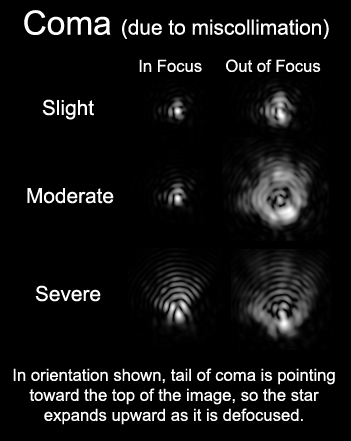
Stars look like tiny donuts or have strange halos around them. Instead of round points, they seem split or have tails. This shows the mirrors are not aligned correctly. The star shapes reveal the quality of the telescope’s optics.
Difficulty Focusing
It feels hard to find a clear focus on objects. The focus changes quickly when you move the focus knob slightly. This means light paths are off. A good collimation makes focusing smooth and stable.
Off-center Eyepiece View
Objects do not sit in the center of your eyepiece. They seem shifted or cut off at the edges. This means the optical axis is not straight. Proper alignment centers the image for comfortable viewing.
Tools To Check Collimation
Checking the collimation of your telescope is important for clear and sharp views. Several tools help you check if your telescope needs collimation. Each tool has its way of showing how well your mirrors line up. Using the right tool can save time and improve your viewing experience.
Using A Collimation Cap
A collimation cap is a simple tool that fits into the eyepiece holder. It helps you see the reflection of the telescope’s mirrors. By looking through the cap, you can check if the mirrors are aligned. This tool is easy to use and does not need batteries.
Laser Collimator Benefits
A laser collimator sends a beam of light through the telescope’s optics. The light reflects back and shows if the mirrors are off-center. This tool is precise and fast, making collimation easier. It works best in a dark room and requires careful handling.
Cheshire Eyepiece Method
The Cheshire eyepiece combines a sight tube and a small mirror. It lets you view the alignment of your telescope’s mirrors directly. This method is accurate and works well for all reflector telescopes. The Cheshire eyepiece is a favorite among many amateur astronomers.
Effects Of Poor Collimation
Poor collimation affects how your telescope performs. It causes several problems that reduce the quality of your viewing experience. These issues make it harder to enjoy clear and bright images of stars, planets, or the moon.
Reduced Image Sharpness
When a telescope is out of collimation, images appear blurry. Details on planets and stars become fuzzy. Fine features like craters or rings lose their clarity. Sharp focus is difficult to achieve, making viewing frustrating.
Loss Of Contrast
Bad collimation lowers the contrast in your images. Bright areas look dull, and dark areas become washed out. This reduces the depth and richness of celestial objects. The night sky appears flat and less exciting.
Increased Eye Strain
Straining to see blurry images causes eye fatigue. Your eyes work harder to focus on unclear views. Long observation sessions become uncomfortable and tiring. Poor collimation makes stargazing less enjoyable and more exhausting.
Frequency Of Collimation
Knowing how often to collimate your telescope is key for clear views. Collimation means adjusting the mirrors or lenses so they line up perfectly. This keeps your images sharp and bright. The right frequency depends on how you use and move your telescope. Some times need more attention than others.
After Transport Or Setup
Moving your telescope can shake its parts. Setup also might change the alignment slightly. Always check collimation after transport or setting up. Even small bumps can misalign the optics. A quick adjustment saves blurry images later.
Seasonal Maintenance
Dust, temperature changes, and humidity affect your telescope. Seasonal checks help keep the optics clean and aligned. Do a full collimation every few months. This routine keeps your telescope ready for clear skies.
When Switching Eyepieces
Changing eyepieces often causes slight misalignment. Each eyepiece fits a bit differently. Check collimation if you switch eyepieces a lot. This keeps your view consistent and sharp every time.
Quick Checks Before Observing
Before you start observing the night sky, it is smart to do quick checks on your telescope. These checks help confirm if the telescope needs collimation. Collimation means adjusting mirrors so the telescope shows clear and sharp images. Skipping these checks can cause blurry or distorted views. Spend a few minutes on these simple steps to save time and get better results.
Star Test Technique
Pick a bright star to test your telescope’s focus. Look at the star through the eyepiece. If the star’s image looks round and clear, collimation is good. If the star looks stretched or has rings that are off-center, the mirrors need adjustment. This test works best on calm nights with steady air.
Centering The Primary Mirror
Check if the primary mirror is properly centered inside the tube. Look through the focuser without the eyepiece. You should see the entire mirror and the reflection of the secondary mirror. If the primary mirror looks off-center, it needs realignment. Proper centering ensures the light path is correct.
Aligning Secondary Mirror
The secondary mirror directs light to the eyepiece. Its alignment is crucial for clear images. Look inside the telescope tube and check if the secondary mirror is centered under the focuser. Adjust the screws to move the mirror until it is perfectly centered. This step improves image brightness and sharpness.

Frequently Asked Questions
How Do I Know If My Telescope Needs Collimation?
You need collimation if star images appear blurry or distorted. Check for uneven star shapes or fuzzy edges. Poor alignment causes these issues. Regularly inspect your telescope’s optics to ensure sharp, clear views.
What Are Common Signs Of A Misaligned Telescope?
Common signs include blurry images, elongated stars, and loss of contrast. You may notice difficulty focusing or a distorted view. These symptoms indicate the mirrors need adjustment for optimal performance.
How Often Should I Collimate My Telescope?
Collimation frequency depends on usage and telescope type. Generally, check alignment before each session. Frequent transport or bumps warrant more frequent collimation. Regular checks keep images sharp and maximize viewing quality.
Can I Collimate My Telescope Without Tools?
Basic collimation can be done by eye or with a laser collimator. Using tools like Cheshire eyepieces improves accuracy. Beginners can start with visual checks, but proper tools ensure precise alignment.
Conclusion
A telescope needs collimation when images appear blurry or shapes look distorted. Stars may not shine as sharp points. Checking the alignment regularly keeps your view clear and bright. Collimating your telescope is simple and saves frustration during observations. Keep an eye on how your telescope performs each time you use it.
Clear and focused views make stargazing much more enjoyable. Don’t ignore signs of misalignment—they affect what you see. Regular care helps your telescope work at its best.