Deer are some of the most recognizable wild animals across forests, fields, and even suburban areas. Many people notice deer with their young, especially in spring and early summer. But a common question comes up: How many fawns do deer have? The answer is not as simple as a single number. It depends on the deer species, the mother’s age, her health, and even the environment. Understanding deer fawn numbers helps us appreciate their survival strategies and the challenges these gentle creatures face.
Typical Fawn Numbers In Common Deer Species
The number of fawns a deer has in one birth is called the litter size. Most deer give birth once a year, but the litter size can change depending on the species and other factors.
| Deer Species | Average Fawns per Birth | Typical Range |
|---|---|---|
| White-tailed deer | 1–2 | 1–3 |
| Mule deer | 2 | 1–2 |
| Roe deer | 2 | 1–3 |
| Red deer | 1 | 1–2 |
| Fallow deer | 1 | 1 |
Most white-tailed deer, common in North America, usually have one or two fawns. Mule deer also often have twins, while roe deer in Europe usually produce two fawns per pregnancy. Larger species like red deer and fallow deer almost always have a single fawn.
What Factors Affect Litter Size?
Many things influence how many fawns a mother deer has. These include her age, health, the environment, and even genetics.
Age Of The Doe
A young female deer, called a yearling, is likely to have just one fawn during her first pregnancy. As she gets older and healthier, she may have twins or, rarely, triplets. For example, studies of white-tailed deer show that does aged two years or older are much more likely to have twins than yearlings.
Health And Nutrition
A mother’s nutrition is key. If she eats well and is healthy before and during pregnancy, she can support more than one fawn. Poor nutrition often leads to smaller litters, and sometimes the fawns are not as strong or healthy.
Environmental Conditions
Harsh winters, drought, and limited food supply can lower the chances of twins or triplets. In years with plenty of food and mild weather, more does will have twins. In tough years, single births are more common.
Genetics
Some deer are naturally more likely to have twins or triplets because of their genes. Over time, deer populations in good habitats may show higher twin rates.
Are Triplets Or Single Fawns Common?
While twins are the most common for healthy adult does, single fawns and even triplets do happen.
- Single fawns are most common for first-time mothers or in poor conditions.
- Twins are typical for adult does in good health.
- Triplets are rare. In white-tailed deer, only about 1-2% of births are triplets.
It’s even possible, though very rare, for quadruplets to be born. However, survival is low for large litters, especially if food is scarce.
Fawn Survival: More Than Just Numbers
Having more fawns can help increase a mother’s success, but raising them is not easy. Many fawns do not survive their first year. Predators, disease, and accidents are risks. In some areas, only 30–50% of fawns reach adulthood.
Here are some key survival challenges for fawns:
- Predators: Coyotes, wolves, bobcats, and even domestic dogs can prey on young fawns.
- Weather: Cold or wet springs can be dangerous for newborns.
- Food Shortages: If the mother cannot find enough food, her milk will not be enough for more than one fawn.
This is why most deer species have litter sizes that balance between numbers and survival rates.

Fawn Birth Timing And Patterns
Deer give birth at times that give fawns the best chance of survival. Most fawns are born in late spring or early summer. This timing means:
- Warm weather helps keep fawns healthy.
- There is plenty of green food for nursing mothers.
- The fawns have time to grow before their first winter.
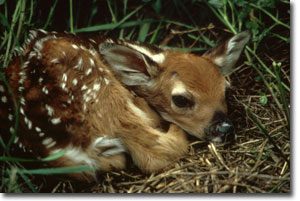
A mother deer will often hide her fawns in tall grass or brush for the first few weeks. The fawns stay still and have little scent, making it harder for predators to find them.
How Fawn Numbers Compare Worldwide
Different deer species around the world have different litter sizes. For example:
| Region | Common Species | Typical Litter Size |
|---|---|---|
| North America | White-tailed deer, Mule deer | 1–2 |
| Europe | Roe deer, Red deer, Fallow deer | 1–2 |
| Asia | Sika deer, Axis deer | 1–2 |
| South America | Marsh deer, Pampas deer | 1 |
Some Asian deer, like sika deer, also tend to have just one or two fawns. Very large species, like elk or moose (which are not true deer but are related), usually have one calf per pregnancy.

Two Insights New Deer Watchers Often Miss
- Not All Fawns Survive: Seeing a doe with twins does not mean both will reach adulthood. Many fawns are lost to predators or harsh conditions in their first weeks.
- Late or Early Births Are Risky: Fawns born too early or late in the season often struggle to survive. The right timing is almost as important as the litter size.
Why Understanding Fawn Numbers Matters
Knowing how many fawns deer have helps biologists manage wild herds. It shows if the habitat is healthy and if deer populations are growing, stable, or shrinking. Hunters and wildlife watchers can also use this information to understand the balance of nature in their area.
For more information on deer reproduction and fawn survival, check this White-tailed deer resource.
Frequently Asked Questions
How Many Fawns Does A White-tailed Deer Usually Have?
A healthy adult white-tailed deer usually has one or two fawns each year. Yearling does commonly have just one, while older does more often have twins.
Can A Deer Have Three Or More Fawns At Once?
Yes, but it is rare. Triplets happen in about 1–2% of white-tailed deer births. Quadruplets are very uncommon and usually only in areas with excellent food and habitat.
When Are Most Deer Fawns Born?
Most fawns are born in late spring or early summer. This timing gives them the best chance to survive because of warmer weather and more food.
Do All Deer Species Have The Same Number Of Fawns?
No, litter size varies by species. For example, red deer and fallow deer almost always have one fawn, while white-tailed and mule deer often have twins.
What Affects How Many Fawns A Deer Will Have?
Key factors include the age and health of the mother, food supply, genetics, and environmental conditions like weather. Healthy, older does in good habitats are most likely to have twins.
Deer fawn numbers are a fascinating topic that shows the delicate balance of nature. By understanding these numbers, we can better protect and enjoy the wildlife around us.