
Deer live in the wild, facing nature’s challenges every day. One of their biggest challenges is the weather. Rain, wind, snow, and temperature changes all affect how deer behave, move, and survive. For hunters, wildlife watchers, and nature lovers, knowing how deer respond to weather can reveal why deer are seen in some places but not others.
Let’s explore the deep connection between deer and the elements.
How Weather Affects Deer Movement
Weather is not just a background detail for deer. It shapes almost everything they do. Deer are smart at adjusting their patterns to survive and stay comfortable.
Rain And Wet Conditions
Deer do not fear rain, but they do change their habits. During light rain, deer often stay active. The noise from raindrops helps mask their movement, making them feel safer from predators. During heavy rain or storms, deer usually bed down, sheltering under thick cover like pine groves or dense brush.
After the rain stops, deer become active again. The fresh, cool air and soft, quiet ground make it easier for them to move and look for food. Hunters often see more deer right after rain ends.
Wind And Air Movement
Wind can help or hurt deer. Light breezes let deer use their strong sense of smell to detect danger. But strong, swirling winds confuse them, making it harder to smell predators. When winds are gusty, deer limit their movement or bed down in protected areas, like valleys or thick woods.
Deer prefer to move into the wind. This way, their noses warn them about threats ahead. If the wind is too strong, though, they may stay close to home and avoid open spaces.
Temperature Changes
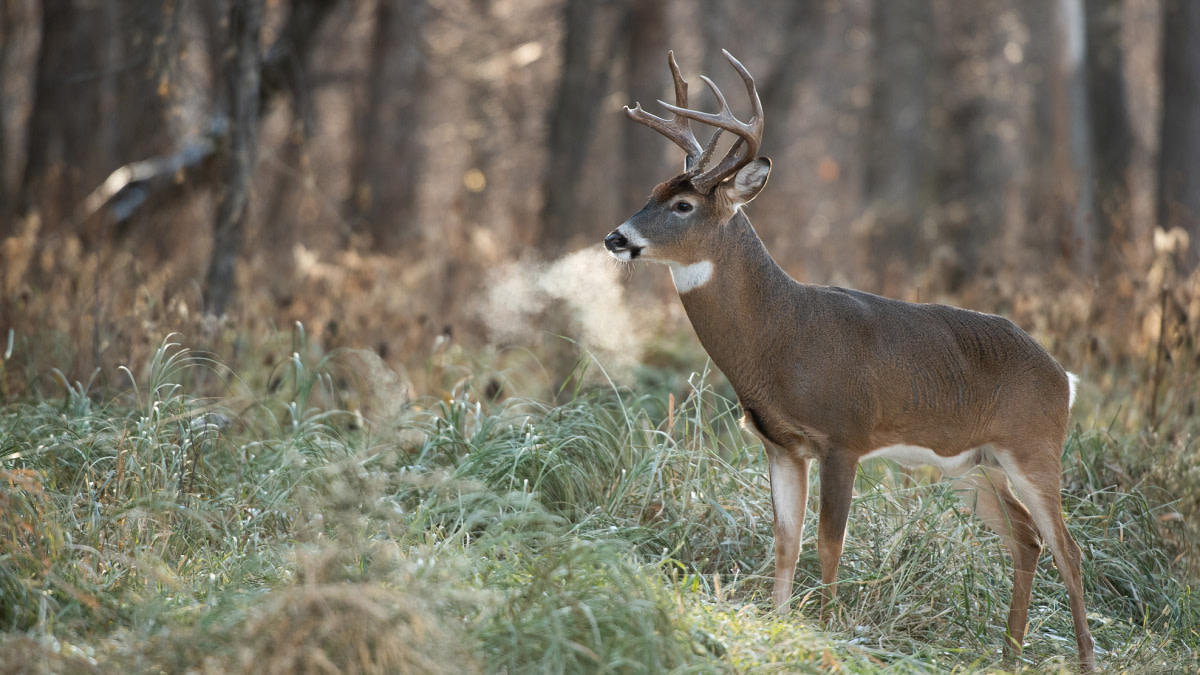
Temperature has a big impact on deer activity. In hot weather, deer are less active during the day. They rest in the shade and move mostly at dawn, dusk, or night to avoid overheating. In cold weather, deer need to eat more to stay warm.
They become more active during daylight, searching for food in sunny spots or on south-facing hillsides.
A sudden drop in temperature often triggers increased movement. Deer sense that they need to feed before more bad weather arrives.
How Deer React To Snow And Ice
Winter brings new challenges. Snow and ice cover the ground, making food harder to find and movement more difficult.
Light Snow
After a light snowfall, deer stay active. They can still move and dig through the snow for food. Tracks are easy to spot, and they may travel in groups for safety.
Deep Snow
When snow gets deep—over a foot or more—deer slow down. Moving through heavy snow burns a lot of energy. Deer start to use the same paths again and again, creating “deer trails” in the snow. They rest more, often bedding in sheltered areas with thick cover or close to evergreens.
Ice And Freezing Rain
Ice makes life dangerous for deer. Slippery surfaces can cause injury, and food can be trapped under layers of ice. During ice storms, deer may go hungry, waiting for warmer days or rain to melt the ice.
Below is a comparison of how deer respond to different winter conditions:
| Winter Weather | Deer Behavior | Movement |
|---|---|---|
| Light Snow | Active, foraging | Normal |
| Deep Snow | Use trails, rest more | Reduced |
| Ice/Freezing Rain | Bedding, little feeding | Very limited |

Barometric Pressure And Deer Activity
One of the less obvious weather factors is barometric pressure. This is the weight of the air above us, and it changes with weather systems.
When the pressure drops before a storm, deer often move more. They seem to sense that bad weather is coming and want to feed before it hits. After the storm, as pressure rises, deer become active again.
Some studies suggest deer are most active when the barometric pressure is steady or slightly rising. Sudden, sharp changes—either up or down—cause deer to move less, as they feel uncomfortable or sense risk.
How Humidity And Cloud Cover Influence Deer
Humidity and clouds may not seem important, but deer notice them. High humidity makes scents travel farther, which helps deer detect danger. But it can also make them feel warmer, so they rest more during humid, hot days.
Cloudy days often lead to more daytime movement. Without bright sunlight, deer feel safer and less exposed. On sunny, dry days, deer limit their movement to early morning or evening.
Here’s a quick look at how cloud cover changes deer activity:
| Sky Condition | Deer Movement |
|---|---|
| Sunny | Active at dawn/dusk |
| Cloudy/Overcast | More daytime movement |
| Foggy | Move in open areas |

Storms, Fronts, And Unusual Weather
Major weather events like thunderstorms, cold fronts, and even hurricanes can force deer to behave differently.
- Thunderstorms: Deer bed down in thick cover before and during storms, then feed actively as soon as the weather clears.
- Cold Fronts: The drop in temperature and pressure before a front moves in triggers more feeding. Deer sense the change and want to build up energy.
- Heat Waves: Deer move mostly at night, using water sources and shady spots during the day.
A key insight: deer do not just react to the weather happening now—they also sense changes before we do. Their actions are often a warning that something big is coming.
Seasonal Weather Patterns And Deer Survival
Deer are well adapted to each season’s weather, but their survival depends on their ability to adjust.
- Spring: Warmer weather and rain bring new plants. Deer spread out to feed and recover from winter.
- Summer: Hot days push deer to rest in cool, shady places. They visit water often.
- Fall: Cool air and falling leaves signal breeding season. Deer are more visible as they search for mates.
- Winter: Cold and snow force deer to conserve energy and use sheltered, food-rich areas.
A practical tip: deer often use the same bedding and feeding spots year after year, especially if the weather is similar. Finding these spots can increase your chances of seeing deer.
Non-obvious Insights: What Beginners Miss
- Barometric pressure changes are a major trigger for deer movement, often more important than temperature or rain.
- Deer use microhabitats—small, sheltered areas like south-facing slopes or thick cedar stands—to survive extreme weather.
- After a storm, deer are often highly active, making this the best time for hunters or watchers.
- Foggy mornings are safer for deer, so they may feed in open fields where they avoid during clear days.
Frequently Asked Questions
How Do Deer Know When Bad Weather Is Coming?
Deer have very sensitive senses. They can detect changes in air pressure, wind, and even static electricity before a storm. This helps them prepare by feeding more or finding shelter.
Do Deer Move More During The Rain?
Light rain does not stop deer from moving. In fact, they may feel safer because the sound of rain hides their steps. During heavy rain, though, they usually stay in cover.
Why Do Hunters Watch Barometric Pressure For Deer Activity?
Deer often move most just before and after a change in barometric pressure. Hunters use this information to plan when to go out, increasing their chances of seeing deer.
Where Do Deer Go During Snowstorms?
In snowstorms, deer look for thick cover—like pine forests, cedar swamps, or brush piles. These places block wind and snow, helping them stay warmer and safer.
How Does Wind Direction Affect Deer?
Deer move into the wind so they can smell danger ahead. If the wind is swirling or too strong, they may stop moving and bed down until it calms.
For more on how animals adapt to weather, check out this excellent resource from the National Geographic.
Understanding how deer respond to weather helps you predict where and when to find them. With careful observation and a bit of knowledge, you can see the wild world through the eyes of a deer.