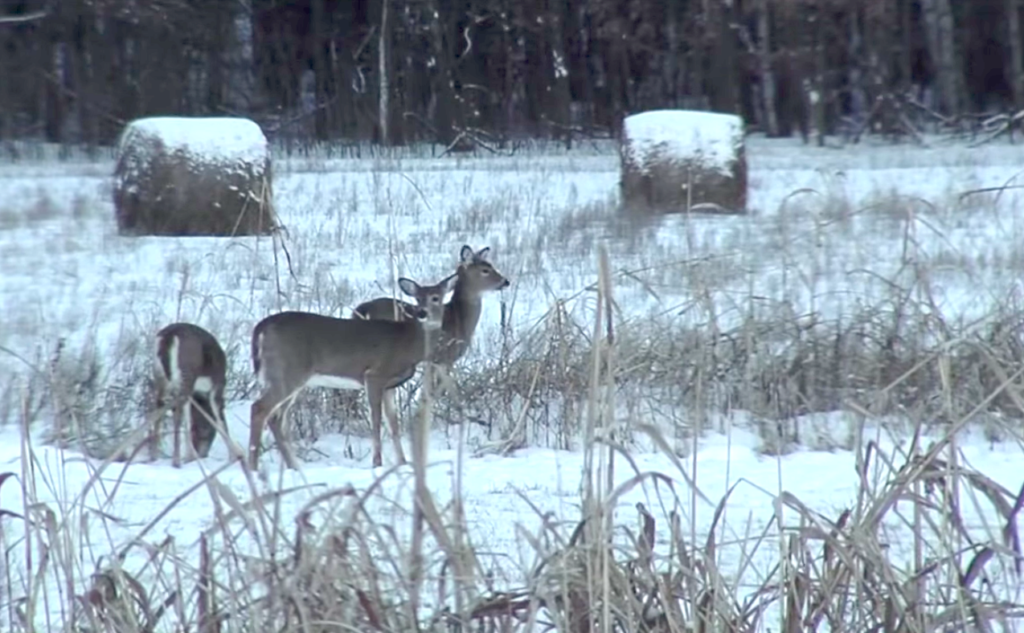
Every winter, as snow blankets forests and fields, many people wonder how deer survive such harsh conditions. These graceful animals are found in cold regions across North America, Europe, and Asia. Snow brings many challenges—cold temperatures, deep drifts, and less food.
Despite this, deer manage to thrive. Their survival is not by luck, but by a set of smart adaptations and behaviors. Let’s explore how deer deal with snow and what we can learn from their winter strategies.
Physical Adaptations For Snow
Deer have evolved several features that help them survive in snowy environments.
1. Winter Coat
As winter approaches, deer grow a thicker, two-layered coat. The outer layer is made of hollow guard hairs that trap air, providing excellent insulation. The undercoat is dense and woolly, holding body heat close to the skin. This coat can repel water and snow, keeping the deer dry and warm.
2. Body Fat Reserves
During autumn, deer eat more to build up fat reserves. This extra fat acts like an energy bank, helping them survive when food is scarce. In winter, they can lose 20% or more of their body weight and still survive. The fat also provides insulation from the cold.
3. Hoof Structure
Deer hooves are sharp and narrow, allowing them to walk on top of snow and dig through it for food. In deep snow, their hooves can spread slightly, working like snowshoes and preventing them from sinking too much.
4. Reduced Surface Area
Deer have long legs and a narrow body. This shape reduces the amount of body surface exposed to cold air, helping them conserve heat.
Behavioral Strategies
Physical features alone are not enough for survival. Deer also change their behavior to handle snow and winter weather.
1. Yarding
In heavy snow, deer often gather in groups in specific areas called deer yards. These are usually in dense forests where trees block wind and snow is not as deep. Trails in these yards are packed down, making it easier for deer to move and escape predators.
2. Movement Reduction
Deer limit their movement when snow is deep. They stay close to shelter and only search for food in well-used paths. This conserves energy, which is vital when calories are in short supply.
3. Feeding Pattern Changes
Instead of grazing widely, deer focus on food that is easier to reach. They eat twigs, bark, and buds from shrubs and small trees above the snow line. They may also dig through snow to find hidden plants.
4. Shelter Seeking
Deer choose areas with thick evergreens for cover. These trees block wind and catch snow on their branches, creating warmer spots below.
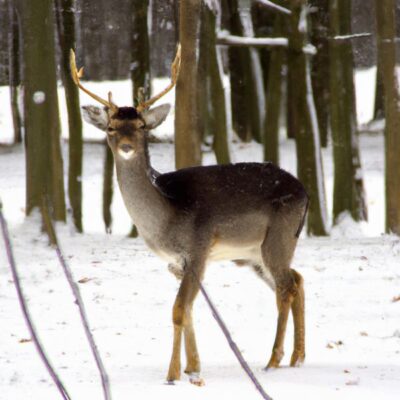
Finding Food In Snowy Conditions
Winter makes finding food much harder for deer. Most grasses and herbs are buried under snow, so deer change their diet.
| Season | Main Foods | Availability |
|---|---|---|
| Spring/Summer | Grass, leaves, fruit | High |
| Winter | Twigs, buds, bark | Low |
Deer prefer woody plants in winter, such as maple, birch, aspen, and cedar. They also eat acorns and other nuts if available. Sometimes, deer will dig through snow with their hooves to reach buried plants. However, deep or icy snow can stop them from getting to these foods.
An important insight: deer do not always eat enough during winter. They can lose weight and become weak, but their body is adapted to handle this seasonal stress.
Dealing With Deep And Icy Snow
Snow depth and type can make a big difference in deer survival. Deep, fluffy snow is easier for deer to move through than hard, icy layers.
| Snow Type | Effect on Deer |
|---|---|
| Light/Fluffy | Slower movement but less injury risk |
| Hard/Icy | Increased energy use, higher injury risk |
When snow is too deep, deer might avoid open fields and stick to forests where snow is shallower. Icy layers are especially dangerous, as they make walking difficult and can cut deer’s legs or hooves.
A less-known fact: deer sometimes use roads or plowed paths to move between areas. This is risky but saves energy. Unfortunately, it also puts them at risk from cars.
Avoiding Predators In Snow
Winter does not only mean cold and hunger—predators like wolves and coyotes are more active too. Snow can slow deer down, making them easier targets.
How Do Deer Respond?
- Group Living: In deer yards, there are more eyes and ears to spot danger.
- Using Cover: Deer choose thick forests where predators find it harder to chase them.
- Trail Networks: Packed trails in snow allow fast escape if attacked.
A tip many people miss: deer’s winter survival is not just about finding food, but also about avoiding becoming food themselves.
The Role Of Weather And Climate
Not all winters are equal. Some years, snow arrives late or melts early. Other years, heavy storms last for months. These changes affect deer survival rates.
A long, harsh winter can lead to more deaths, especially among young or weak deer. Mild winters allow more deer to survive and can even lead to population booms.
Scientists use data from radio collars and field studies to track these patterns. According to research, deer survival drops sharply when snow is deeper than 40 cm (about 16 inches) for several weeks.

Human Impact And Conservation
Humans can make winter easier or harder for deer. Logging can reduce cover, but creating small clearings can help deer find food. In some places, people feed deer, but this can cause problems:
- Spread of disease
- Overcrowding in small areas
- Increased risk from predators
Wildlife managers suggest that it’s better to protect natural deer yards and keep forests healthy, rather than feed deer directly. You can read more about this in studies from the White-tailed deer Wikipedia page.
Frequently Asked Questions
How Do Deer Stay Warm In Snow?
Deer grow a thick winter coat with hollow hairs that trap heat. They also build up body fat in autumn, which helps keep them warm when food is scarce.
What Do Deer Eat When The Ground Is Covered In Snow?
Deer eat twigs, buds, and bark from trees and shrubs. They may dig through snow to find hidden plants but rely mostly on woody plants above the snow line.
Do Deer Ever Freeze To Death In Winter?
It’s rare, but during extremely harsh winters, weak or young deer may die from cold or starvation. Most healthy deer survive by using their fat reserves and winter adaptations.
Why Do Deer Gather In Groups During Winter?
Deer form groups, or “yard,” to share packed trails and reduce energy use. Group living also helps them spot predators and stay safer.
Should People Feed Deer In Winter?
Wildlife experts recommend against feeding deer. It can lead to disease, overpopulation, and other problems. Protecting natural habitat is a better way to help deer survive winter.
Deer are masters of winter survival. Through a mix of physical and behavioral adaptations, they manage to withstand snow and cold that would defeat many other animals. Understanding how deer deal with snow helps us protect these animals and the forests they call home.