Every autumn, a quiet drama unfolds in forests and fields around the world. People often spot groups of deer moving together and wonder: do deer migrate in herds like wildebeest or caribou? The answer is more complex than a simple yes or no. Deer are adaptable creatures, but their movement patterns depend on species, geography, and environment. Let’s explore how deer travel, why they form groups, and what migration means for these graceful animals.
What Does Migration Mean For Deer?
Migration usually means traveling long distances between summer and winter homes. For some animals, like birds or caribou, these journeys cover hundreds or thousands of miles. With deer, things are different. Most species do not migrate in the classic sense, but some do move between seasonal habitats. This movement is often called seasonal migration or altitudinal migration.
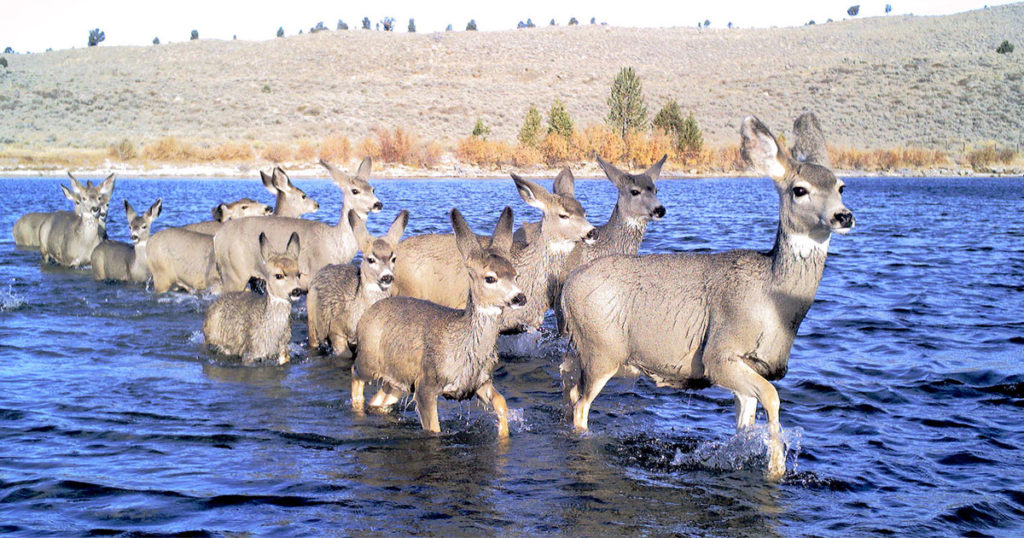
For example, mule deer in the western United States travel up to 150 miles between summer and winter ranges. White-tailed deer, on the other hand, usually stay within a few miles of their birthplace. Only in harsh winters do they move to find food or shelter.
Types Of Deer Social Groups
Deer are social, but how they form groups depends on the season and species. Understanding these groups helps explain why people see herds during migration times.
- Doe Groups: Female deer (does) often travel with their fawns. These groups can have several females and their young.
- Bachelor Groups: Male deer (bucks) sometimes form small groups outside the breeding season.
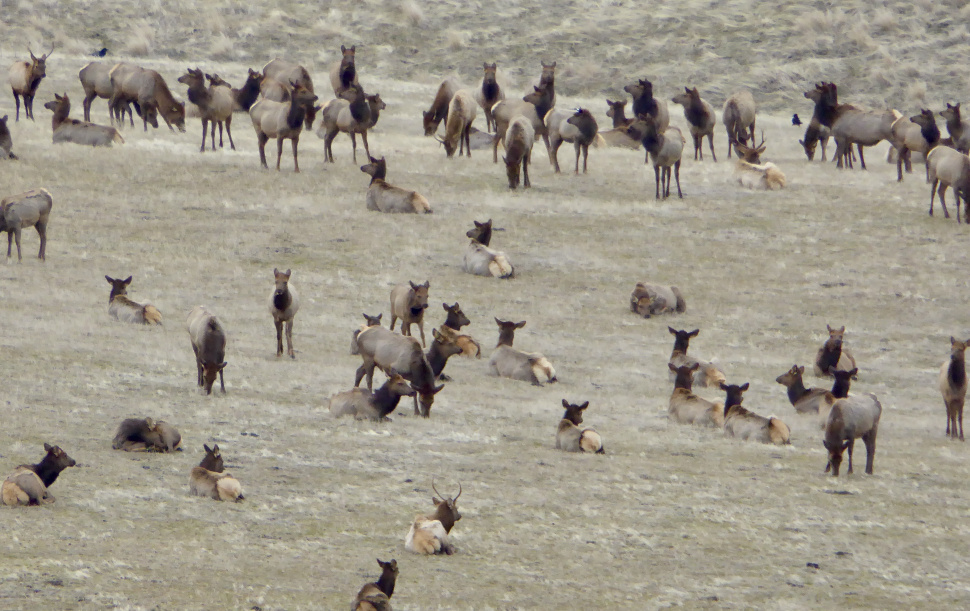
- Mixed Herds: During winter or migration, deer sometimes group together for safety and warmth. These mixed herds can be large, especially in open areas.
The size and structure of these groups change through the year. During the rut (mating season), bucks become more solitary and competitive. In winter, deer are more likely to form larger groups.
Do All Deer Species Migrate In Herds?
Not all deer species migrate, and not all move in herds. Here’s how different species compare:
| Species | Migration Behavior | Herd Size |
|---|---|---|
| White-tailed Deer | Rarely migrate | Small groups (2-10) |
| Mule Deer | Seasonal migration | Medium groups (5-30) |
| Red Deer | Some migrate | Large groups (up to 400) |
| Reindeer/Caribou | Long-distance migration | Large herds (thousands) |
As you can see, caribou are the only deer family members that form massive migratory herds. Most others migrate in smaller groups or not at all.
Why Do Deer Form Herds?
There are important reasons why deer form groups, especially in winter or during migration:
- Safety in numbers: More eyes and ears help spot predators.
- Warmth: In cold weather, grouping conserves heat.
- Finding food: Groups can find and share scarce resources more effectively.
However, large herds are not always better. Too many deer in one area can overgraze plants or attract more predators.
Factors Affecting Deer Migration
Deer migration depends on several factors. Here are the most important:
- Climate: Harsh winters push deer to lower ground or sheltered areas.
- Food availability: When food is scarce, deer move to find new sources.
- Habitat type: Mountainous regions encourage altitudinal migration, while flat lands do not.
- Human activity: Roads, fences, and cities can block migration routes.
A 2020 study found that mule deer will travel around highways for miles to stay on traditional migration paths. These paths are learned from older deer and passed down through generations.
Migration Patterns: Examples From Around The World
Migration looks different depending on where deer live. Here are a few examples:
- North America: Mule deer migrate between high summer ranges and low winter valleys. Some herds travel over 100 miles each year.
- Europe: Red deer in Scotland and Norway migrate between forests and open moors.
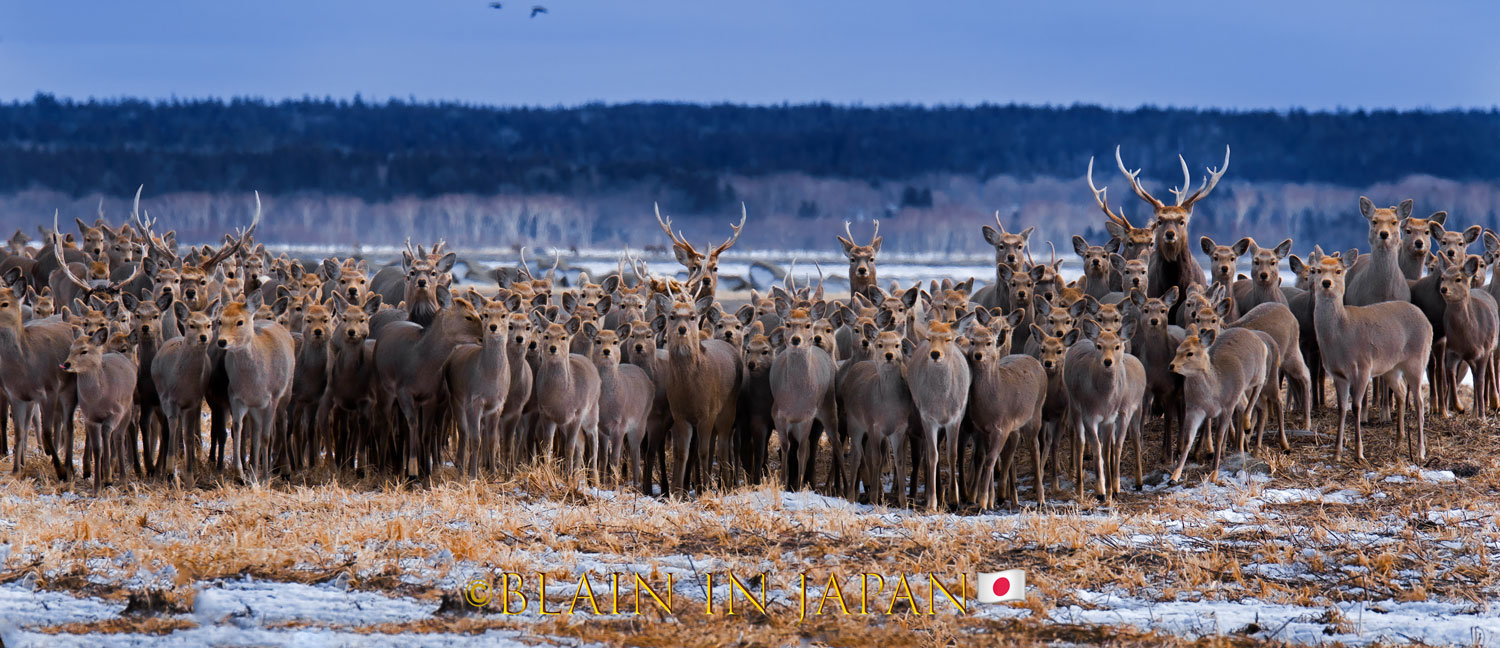
- Asia: Sika deer in Japan move seasonally, but distances are usually short.
- Northern regions: Caribou migrate across tundra in herds that can reach 400,000 animals.
This shows how flexible and varied deer migration can be.
How Scientists Study Deer Migration
Tracking deer migration is not easy. Researchers use:
- GPS collars: These devices track movement in real time.
- Trail cameras: Cameras set up along migration routes capture group size and timing.
- Observation: Scientists and hunters report sightings and herd sizes.
The data from these methods help protect deer and their migration routes. For example, wildlife bridges and tunnels are built to help deer cross roads safely.
Surprising Facts About Deer Migration
Many people are surprised to learn:
- Not all deer migrate: In mild climates, deer stay in the same home range all year.
- Migration routes are traditional: Deer remember and follow the same paths for generations.
- Herds are flexible: Group size changes with weather, food, and threats.
Some deer even change their behavior if they live near cities, becoming more active at night to avoid people.
Comparing Herd Size And Migration Distance
It’s easy to think that bigger herds travel farther, but that’s not always true. Here’s a quick comparison:
| Species | Average Herd Size | Migration Distance (miles) |
|---|---|---|
| White-tailed Deer | 5-10 | 0-10 |
| Mule Deer | 10-30 | 10-150 |
| Caribou | Thousands | Up to 3,000 |
This shows that only caribou form very large herds and travel long distances. Most deer travel with smaller groups.
How To Spot Migrating Deer
If you want to see deer migration, look for:
- Groups moving at dawn or dusk
- Trails through snow or mud
- Deer crossing rivers or mountain passes
- Areas near forests and fields with fresh tracks
Always watch from a distance. Never get too close, as migrating deer are easily stressed.
Frequently Asked Questions
Do All Deer Migrate In Herds?
No, only some deer species migrate, and most do not form large herds. Caribou are famous for huge herds, but most deer move in small family groups or alone.
Why Don’t White-tailed Deer Migrate Far?
White-tailed deer adapt to local food sources and shelter. Unless winters are harsh, they stay close to their home range, moving only a few miles if needed.
How Do Deer Remember Migration Routes?
Deer use memory and landscape features like rivers and mountains. Young deer learn routes from their mothers and older herd members.
Do Deer Always Use The Same Migration Path?
Most deer follow traditional paths called migration corridors. These paths are used for generations unless blocked by roads or buildings.
Where Can I Learn More About Deer Migration?
For deeper information, visit the Wikipedia page on deer migration which covers scientific studies and migration maps.
Deer migration is a fascinating mix of tradition, survival, and adaptation. While you may never see thousands of deer on the move, understanding their patterns helps you appreciate how these animals thrive in a changing world. Whether in small groups or vast herds, deer show us the quiet beauty of seasonal movement.