Are Fpv Cameras Waterproof?
Flying FPV drones is exciting. It gives you a new view of the world, letting you see what your drone sees in real-time. But as you take your drone out into rain, fog, rivers, or beaches, you might wonder: Are FPV cameras waterproof? Can they survive wet conditions, or will water ruin them? This question matters for anyone who wants to fly confidently—especially in challenging environments.
This article explores FPV camera waterproofing in detail. We’ll look at how these cameras are built, what waterproof means for electronics, how different models compare, and what happens if water gets inside. You’ll also find practical advice for protecting your gear, examples of waterproof FPV setups, and answers to common questions.
By the end, you’ll know how to keep your FPV camera safe, when waterproofing matters, and what options are available on the market.
What Is An Fpv Camera?
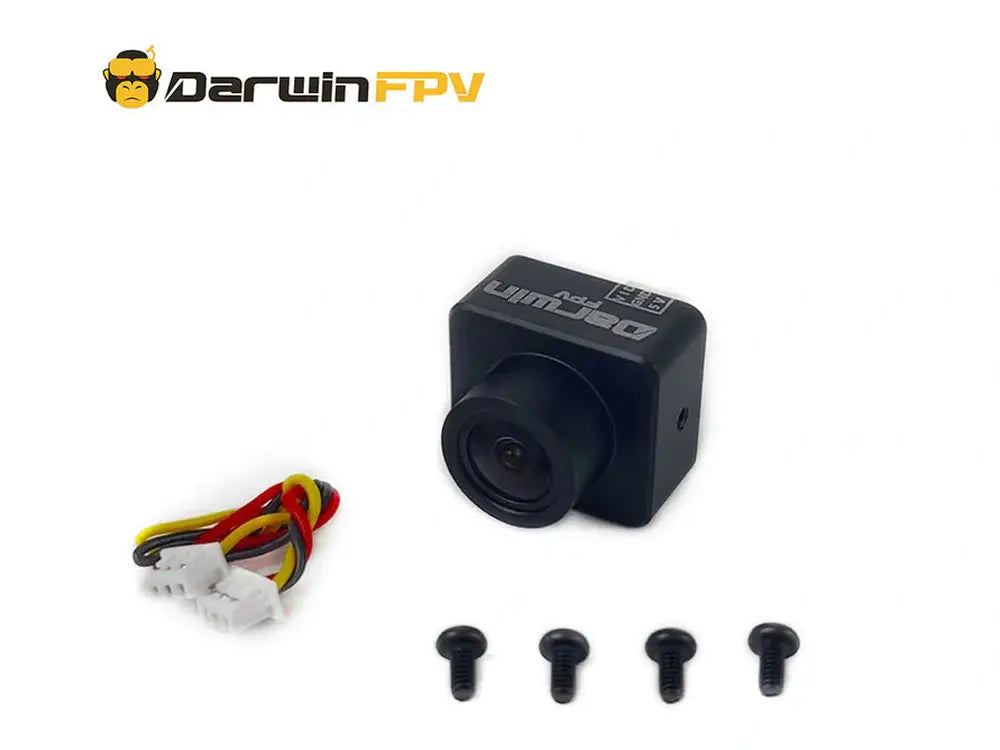
An FPV camera is a small camera mounted on drones, RC vehicles, or other devices. FPV stands for “First Person View.” The camera sends live video to a screen or goggles, letting you see from the drone’s perspective. This is popular for drone racing, freestyle flying, and aerial filming.
FPV cameras are designed to be lightweight and compact. Most measure only a few centimeters across and weigh less than 20 grams. They are built to handle vibration, sudden moves, and sometimes crashes. However, their main job is to capture and transmit video—not to resist water.
Main Parts Of An Fpv Camera
- Lens: Focuses light onto the sensor.
- Sensor: Converts light to digital video.
- PCB (Printed Circuit Board): Houses the electronics.
- Video Transmitter: Sends the signal to your goggles or screen.
- Casing: Protects the camera’s components.
Each part can be affected by moisture. Water can short-circuit electronics, blur lenses, and corrode metal contacts.
Waterproof Vs. Water-resistant: What’s The Difference?
Many people confuse waterproof and water-resistant. For FPV cameras, knowing the difference is important.
- Waterproof means the device can be fully submerged and will not let water in.
- Water-resistant means the device can handle splashes or light rain, but not full immersion.
Most FPV cameras are not waterproof. Some are water-resistant, but only to a limited degree. Manufacturers rarely claim full waterproofing for standard FPV cameras.
Waterproof Ratings Explained
Electronics often use IP ratings (Ingress Protection) to show how well they resist dust and water. Common ratings:
- IP67: Can be submerged in 1 meter of water for 30 minutes.
- IP68: Can be submerged deeper, often up to 3 meters.
- IPX4: Can handle splashes from any direction.
FPV cameras usually lack official IP ratings. If you see one, it’s a special model. Always check the product specs before trusting a camera in wet conditions.
Are Standard Fpv Cameras Waterproof?
The simple answer is: No, standard FPV cameras are not waterproof. Most are designed for dry, outdoor use. Even expensive racing models or HD cameras do not offer full waterproofing.
Why Fpv Cameras Are Not Waterproof
- Small size: Hard to seal all openings (lens, buttons, connectors).
- Heat: Waterproofing can trap heat, causing overheating.
- Cost: Waterproofing adds complexity and expense.
- Weight: Extra seals or casing increase weight, which is bad for drones.
Manufacturers focus on video quality, latency, and durability—not water protection.
What Happens If Water Gets Inside?
If water enters an FPV camera:
- The video may flicker or stop.
- Circuits can short out, permanently damaging the camera.
- Metal parts may corrode.
- The lens can fog up, ruining the image.
Sometimes, drying the camera fast can save it. But often, water damage is permanent.
Popular Fpv Camera Models: Waterproof Status
Let’s compare popular FPV camera models and their water resistance.
| Camera Model | Waterproof? | IP Rating | Use Case |
|---|---|---|---|
| Runcam Eagle 2 Pro | No | None | Racing/Freestyle |
| Foxeer Predator V5 | No | None | Racing/Low Light |
| DJI O3 Air Unit | No | None | HD FPV |
| Runcam Split 4 | No | None | HD Recording |
| GoPro HERO11 Mini (used as FPV cam) | Yes | IP68 | HD FPV / Action |
| Caddx Turtle V2 | No | None | Micro FPV |
Notice that only action cameras (like GoPro) offer real waterproofing. Standard FPV cameras do not.
Waterproof Fpv Cameras: Are There Any?
There are a few waterproof FPV cameras, but they are rare. Most are made for special uses, like underwater drones or remote submarines. These cameras have sealed housings, special connectors, and often cost more.
Examples Of Waterproof Fpv Cameras
- Action Cameras: GoPro, DJI Action, Insta360—these are waterproof and can be used on drones. Some pilots use them for live FPV video, but they are heavier and more expensive.
- Custom Waterproof FPV Cameras: Some companies make waterproof FPV cameras for underwater ROVs (Remotely Operated Vehicles). These are sealed and use special cables.
- DIY Waterproofing: Some pilots try to waterproof standard FPV cameras with silicone, epoxy, or heat-shrink tubing.
However, waterproof FPV cameras are not common in drone racing or freestyle.
Diy Waterproofing: Can You Make Your Fpv Camera Waterproof?
If you want to fly in rain or near water, you might try to waterproof your FPV camera. It’s possible, but not easy. Here’s how some pilots do it:
Steps For Diy Waterproofing
- Seal the Casing: Use silicone or epoxy to seal gaps in the camera casing.
- Protect Connectors: Cover exposed connectors with waterproof tape or heat-shrink tubing.
- Coat Electronics: Apply conformal coating (a protective liquid) to the PCB. This helps resist moisture.
- Lens Protection: Use a lens cap or waterproof filter.
- Avoid Overheating: Make sure your seals do not trap too much heat.
Common Mistakes
- Missing small gaps: Even tiny holes can let water in.
- Using wrong materials: Not all sealants stick to plastic or metal.
- Ignoring the lens: Water can still fog up the lens, ruining your image.
- Forgetting about connectors: Water can enter through video or power connectors.
DIY waterproofing can improve water resistance, but it rarely makes a camera fully waterproof.

Fpv Use Cases: When Waterproofing Matters
Waterproofing is not needed for every FPV pilot. But in some cases, it is important:
- Flying in Rain: Racing events sometimes continue in light rain. Waterproofing helps prevent damage.
- Beach and River Flying: Flying near water increases the risk of splashes or crashes.
- Underwater Drones: ROVs need waterproof cameras to operate below the surface.
- Snow Flying: Snow can melt and seep into electronics.
- Foggy Conditions: Moisture in the air can build up on lenses and boards.
If you fly only in dry, sunny conditions, waterproofing may not be needed. But for adventurous pilots, it’s a must.
Protecting Your Fpv Camera From Water
Even if your FPV camera is not waterproof, you can protect it:
Practical Protection Tips
- Use a canopy: Install a drone canopy or shell to shield the camera.
- Avoid puddles: Land away from wet areas.
- Dry after use: If your drone gets wet, remove the camera and dry it with silica gel or a hair dryer (low heat).
- Check weather: Avoid flying in heavy rain or fog.
- Use waterproof tape: Cover connectors before flying near water.
Emergency Recovery Steps
If your FPV camera gets wet:
- Remove the battery immediately.
- Rinse with distilled water (if exposed to salt water).
- Dry thoroughly—use silica gel, a fan, or gentle heat.
- Wait at least 24 hours before powering up.
Quick action can sometimes save a camera from water damage.
Fpv Camera Accessories For Water Protection
You can buy accessories to help protect your FPV camera:
- Waterproof lens covers: Keep water off the lens.
- Protective housings: Extra shells that fit over the camera.
- Conformal coating kits: For DIY waterproofing.
- Waterproof tape: For connectors and wires.
These accessories add some protection, but none make a standard FPV camera fully waterproof.
Fpv Camera Types: Comparison Of Water Resistance
Not all FPV cameras are the same. Let’s compare their water resistance features:
| Type | Water Resistance | Typical Use | Weight |
|---|---|---|---|
| Standard FPV Camera | Poor | Racing/Freestyle | 10-20g |
| Action Camera (GoPro, DJI) | Excellent | HD Recording, FPV | 50-100g |
| Underwater FPV Camera | Excellent | ROV/Submarine | Varies |
| DIY Waterproofed Camera | Moderate | Custom Builds | Varies |
Standard FPV cameras have poor water resistance. Action cameras do much better, but they are heavier and can affect drone performance.
Real-world Data: Fpv Cameras And Water Damage
FPV pilots often share stories about water damage. In online surveys, nearly 20% of drone pilots have experienced water-related failures. Most damage happens during:
- Rainy races
- Crashes into rivers or lakes
- Flying in fog or snow
In many cases, the camera stops working instantly. Sometimes, drying the camera restores function, but corrosion can cause later failures.
A study by the Drone Racing League showed that waterproof cameras lasted much longer in wet conditions. Standard FPV cameras failed in minutes when submerged.
Waterproofing Fpv Cameras: Market Trends
As drone use grows, more people want waterproof gear. Action cameras like GoPro are popular because they survive water, mud, and snow. Some companies are now making FPV cameras with better seals or coatings, but fully waterproof models are still rare.
Key trends:
- More conformal coatings: Manufacturers add coatings to resist moisture.
- Better seals: Improved casings reduce water entry.
- Hybrid cameras: Combining FPV and action camera functions.
In the future, waterproof FPV cameras may become more common, especially for drone fishing, search and rescue, or water sports.

Fpv Camera Waterproofing: Expert Tips
From experience, here are tips you won’t find in every guide:
- Always check your camera before flying in wet conditions. Look for cracks or loose connectors, which are weak points.
- Use a small bead of silicone around the lens base, but avoid covering the glass. This prevents water creeping into the sensor area.
- Replace tape or seals regularly. Sun and vibration wear them out faster than you think.
- Keep a spare camera. If water damage occurs, you can swap quickly and keep flying.
- Don’t trust “water-resistant” claims. Unless you see an IP rating, assume the camera is not safe for immersion.
Fpv Camera Waterproofing: Case Study
Let’s see a real-world example.
A pilot flies his FPV drone near a lake. The drone crashes and lands in shallow water. He quickly:
- Removes the battery and camera.
- Rinses the camera with distilled water.
- Dries it with a fan for 24 hours.
The camera powers up, but later stops working—corrosion damaged the PCB. If he had used conformal coating and sealed connectors, the camera might have survived.
Another pilot uses a GoPro HERO11 Mini (IP68) as his FPV camera. After a splash, the camera continues working, and the video is clear. The waterproofing saved his footage and gear.
Fpv Camera Waterproofing: Cost Vs. Benefit
Is waterproofing worth it? It depends on your flying style:
- Casual pilots: May not need waterproofing.
- Racers or adventurers: Waterproofing can prevent costly gear loss.
- Underwater or water sport pilots: Waterproofing is essential.
Waterproof cameras cost more and weigh more. Extra seals or coatings may affect image quality or heat management.
Fpv Camera And Water: Myths And Facts
Some myths about FPV cameras and water:
- Myth: All FPV cameras are water-resistant.
- Fact: Most are not; only action cameras or special models are.
- Myth: Drying a camera always saves it.
- Fact: Sometimes corrosion or residue causes permanent damage.
- Myth: Waterproof tape makes the camera waterproof.
- Fact: Tape helps, but does not seal all parts.
Waterproof Fpv Cameras: Alternatives
If you need waterproof FPV video, consider these alternatives:
- Use an action camera as your FPV camera: Heavier, but waterproof.
- Buy a waterproof drone: Some models have sealed electronics and cameras.
- Use a remote underwater camera: For ROVs or submarine use.
These options cost more, but offer real protection.
Fpv Camera Waterproofing: Summary Table
Here’s a quick summary of waterproofing options:
| Method | Effectiveness | Cost | Ease of Use |
|---|---|---|---|
| DIY Sealing | Moderate | Low | Medium |
| Conformal Coating | Good | Medium | Medium |
| Action Camera | Excellent | High | Easy |
| Waterproof FPV Camera | Excellent | High | Easy |
Frequently Asked Questions
Are Any Fpv Cameras Truly Waterproof?
Very few FPV cameras are fully waterproof. Most standard models are not. Action cameras like GoPro HERO11 Mini and DJI Action cameras are waterproof and can be used for FPV, but they are heavier. Some special underwater FPV cameras exist for ROVs.
Can I Waterproof My Fpv Camera Myself?
You can improve water resistance with DIY methods like silicone sealing, conformal coating, and waterproof tape. However, full waterproofing is hard to achieve, and mistakes can cause overheating or image problems.
What Happens If My Fpv Camera Gets Wet?
Water can cause the camera to stop working, short circuits, corrosion, or foggy images. Quick drying sometimes helps, but often the damage is permanent. Saltwater is more harmful than freshwater.
Are Waterproof Cameras Heavier?
Yes. Waterproof action cameras or special FPV cameras have extra casings and seals, making them heavier. This affects drone flight time and handling.
Where Can I Find Waterproof Fpv Cameras?
Most waterproof FPV cameras are made for underwater ROVs. Action cameras are available from brands like GoPro and DJI. For more information, check this Action Camera Wikipedia page.
FPV cameras are not usually waterproof, but you can protect them with the right methods and accessories. If you fly in wet conditions, consider using an action camera or applying DIY waterproofing to your gear. Always check your camera after exposure to water, and act fast to prevent damage.
With the right knowledge, you can enjoy FPV flying anywhere—rain or shine.